

Published: September 21, 2026
By: Outdoor Recreation & Environment Desk
While autumn is universally celebrated for its visual transformation—a fiery canopy of crimson, gold, and amber painting the backcountry—it also ushers in one of the most vivid and distinct acoustic experiences of the natural year. As temperatures drop and the chaotic hum of summer recreation recedes, the outdoors shifts into a profound listening experience.
Yet, for many outdoor enthusiasts, nature’s subtle acoustic cues are easily missed. Lost in internal monologues, engaged in conversation with hiking companions, or simply catching one’s breath after a steep incline, the living soundtrack of the season often slips out of focus. To truly understand autumn, one must not only look at it, but listen.
From the bugling of bull elk across high-altitude meadows to the thundering crash of Atlantic swells against granite chasms, here is an in-depth look at six fall hikes across North America that showcase the unmistakable, awe-inspiring soundscapes of the season.
1. Main Facts: The Acoustic Ecology of Autumn
Every season possesses a unique environmental audio profile, but the transition from summer to fall creates specific meteorological and biological conditions that amplify sound. Cooler, denser air carries sound waves further and with greater clarity than the humid, heat-shimmered air of mid-summer. Simultaneously, seasonal imperatives—such as the avian winter migration, mammalian mating rituals (the rut), and autumn storm surges—create a concentrated burst of acoustic activity.
Biologists and acoustic ecologists note that autumn is a period of high sonic density. Animals must communicate over greater distances as they prepare for migration or territory defense, while geological and hydrological features interact with changing weather patterns to produce dramatic auditory spectacles.
To help travelers tune into this seasonal symphony, outdoor experts have identified six premier North American destinations where sound takes center stage.
2. Chronology: The Seasonal Progression of Sound
The acoustic calendar of autumn does not happen all at once; it unfolds in a distinct chronological sequence from late August through November, driven by shifts in daylight, temperature, and animal behavior.
- Early to Mid-September (The Awakening): The transition begins in the high country and northern latitudes. In the Rocky Mountains, the crisp morning air triggers the onset of the elk rut, filling alpine valleys with deep, resonant bugles. Simultaneously, in northern forests like Minnesota’s Voyageurs National Park, common loons begin gathering in large pre-migration groups, creating haunting nocturnal choruses.
- Late September to Early October (The Rafters and Raptors): Hawk migration peaks along eastern flyways, filling the skies above the Appalachian ridges with the sharp, high-pitched calls of kestrels, eagles, and hawks riding thermal updrafts. In Yellowstone, the thinning crowds allow the hissing and rumbling of thermal basins to dominate the backcountry.
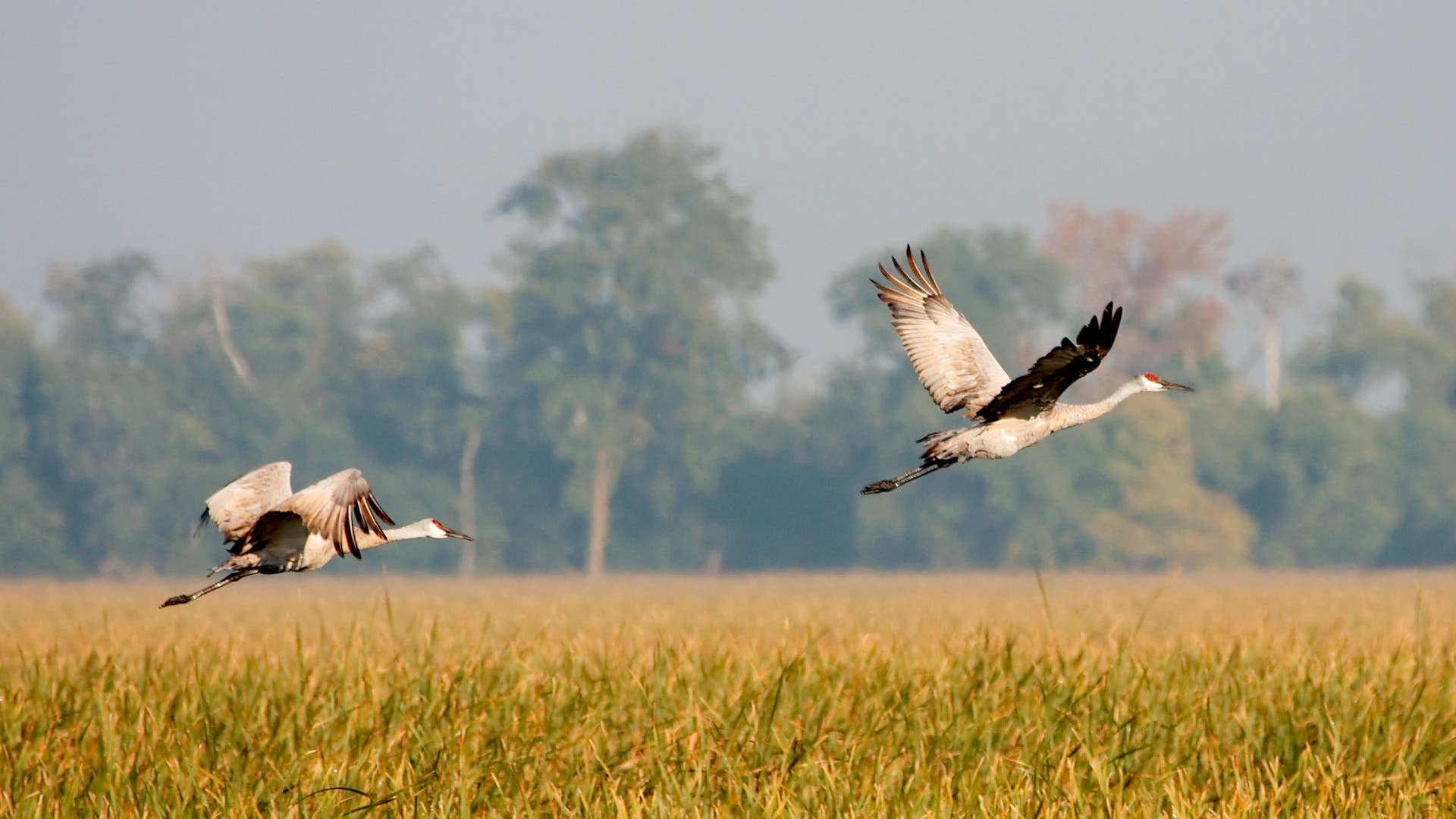
- Mid-October to Mid-November (The Grand Finales): As the calendar turns deeper into autumn, the focus shifts to coastal and wetland environments. Along the California Delta, thousands of sandhill cranes arrive from the north, filling the evening skies with their prehistoric bugling. Concurrently, intensifying autumn storm systems push massive swells toward eastern coastlines, setting off the explosive, subterranean booms of Maine’s Thunder Hole.
3. Supporting Data and Destination Profiles
For those looking to trade their headphones for the raw, unamplified music of the wild, these six carefully curated trails offer prime acoustic immersion.
Cosumnes River Preserve Trail, Lodi, California
- Soundscape Experience: Sandhill crane winter migration
- Best Time to Explore: Mid-October to mid-November
- Mileage: 4-mile loop
"Nothing heralds the start of autumn to the California Delta like the first calls of the Sandhill Cranes as they wing their way from Alaska and Canada to wetlands they have annually inhabited for thousands of years," explains Mamie Starr, President of the Lodi Sandhill Crane Association.
The cranes’ shrill, bugle-like calls are most dramatic right around sunset, when thousands of birds descend upon the preserve to roost. Ecological data shows that these birds return to the same specific roosting sites annually, relying on the safety of shallow waters. Position yourself on the boardwalk section overlooking the marsh about 30 to 45 minutes before sunset. Bringing binoculars is strongly recommended; the visual spectacle of the cranes descending in a synchronized spiral formation pairs seamlessly with their cascading calls.
Cub Lake Trail, Rocky Mountain National Park, Colorado
- Soundscape Experience: Bull elk bugling
- Best Time to Explore: Mid-September to mid-October
- Mileage: 5.8-mile loop
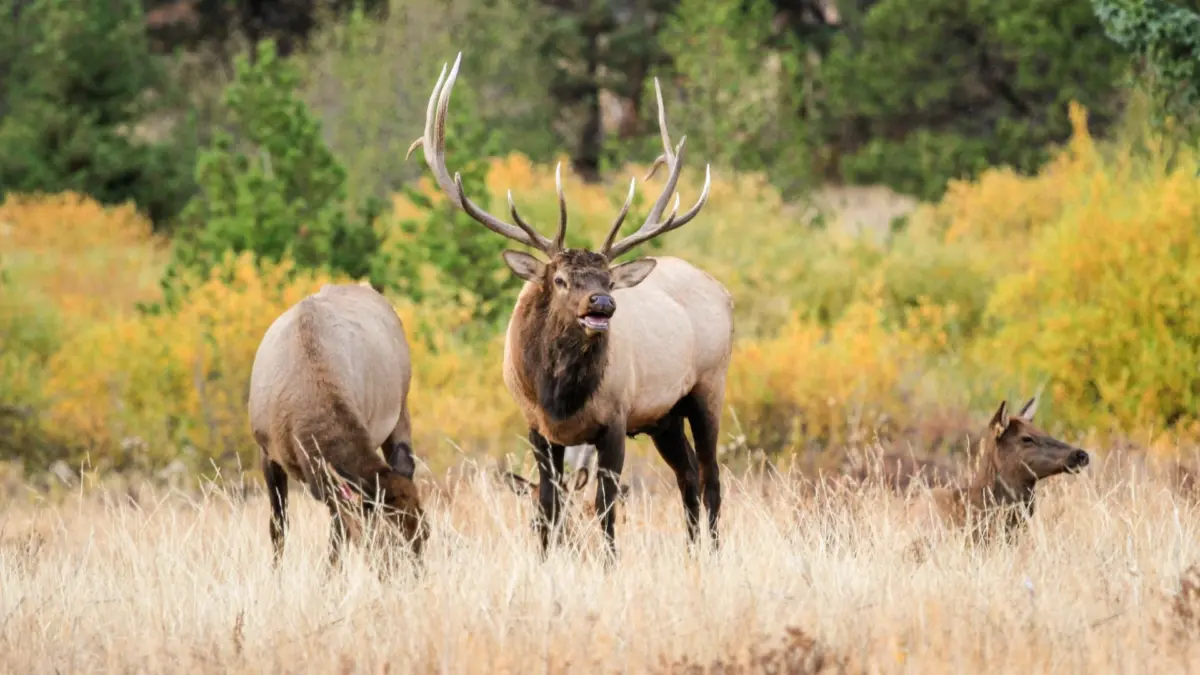
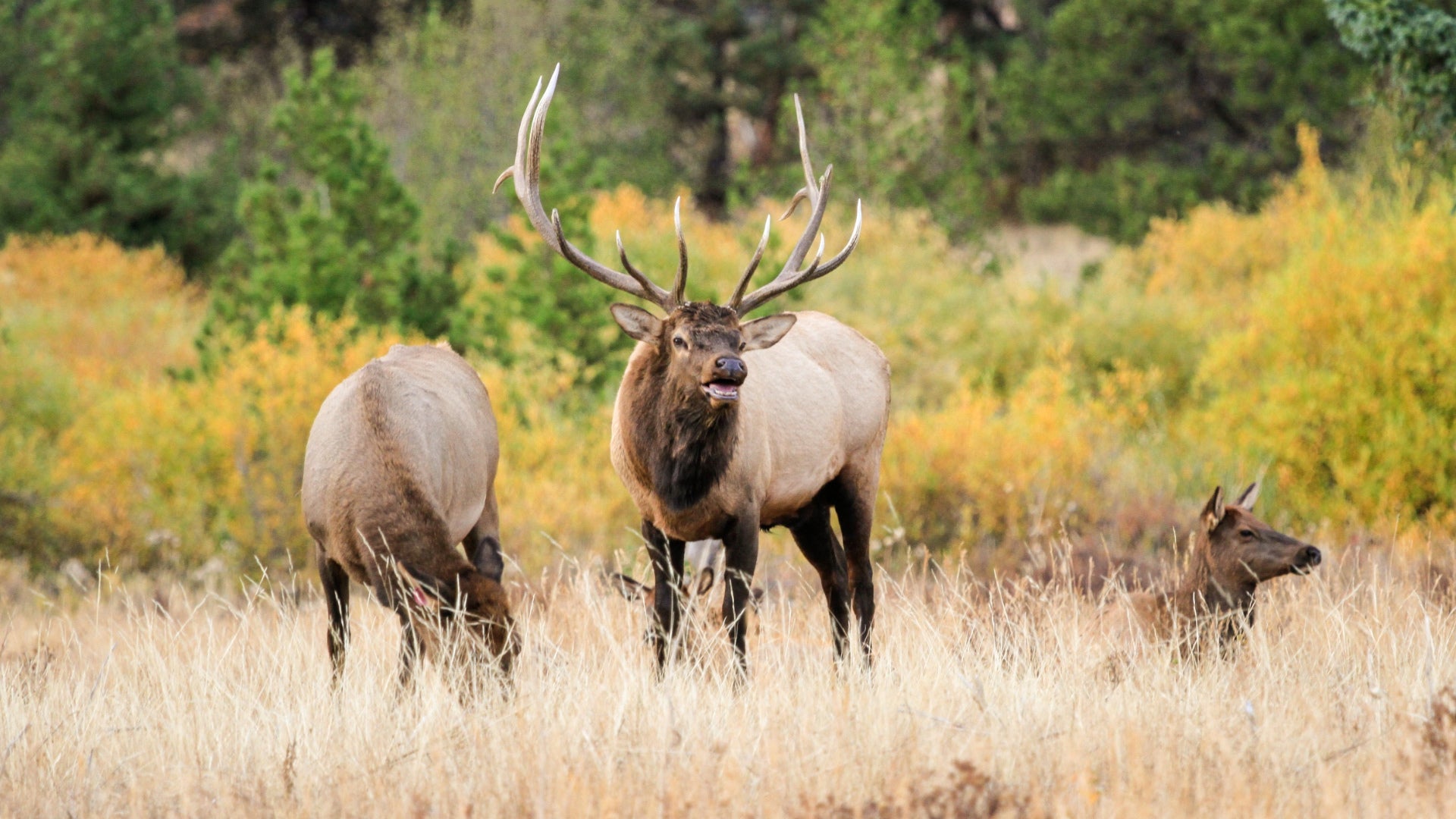
Passing directly through Moraine Park—widely recognized as one of the premier elk-rutting grounds in the American West—the Cub Lake Trail places hikers right in the heart of the seasonal mating theater. Acoustic activity peaks predictably at dawn and dusk, when temperatures drop and bull elk are most active.
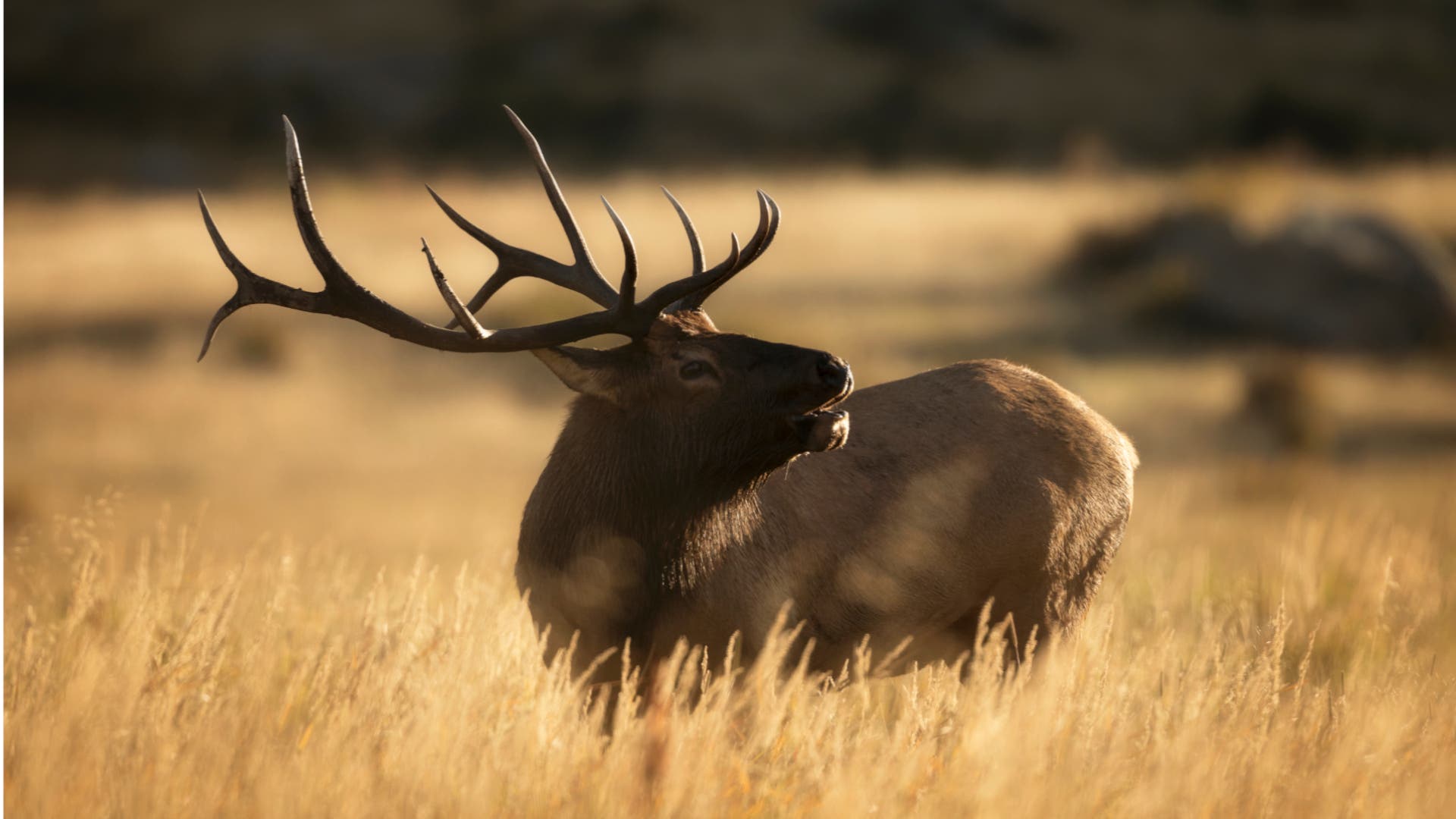
"A bull elk’s bugle is a crescendo of deep, resonant tones that rise rapidly to a high-pitched squeal before dropping to a series of grunts," notes Kyle Patterson, public affairs officer for Rocky Mountain National Park. The open, bowl-like geography of Moraine Park acts as a natural acoustic amplifier, carrying the sound for miles. Experts advise setting up near the trailhead or Cub Lake during the golden hours, equipped with a warm camp chair and a thermos, while maintaining a strictly enforced, safe wildlife viewing distance.
Ocean Path to Thunder Hole, Acadia National Park, Maine
- Soundscape Experience: Atlantic waves crashing into a granite chasm
- Best Time to Explore: Year-round, but heightened by fall swells
- Mileage: 4.4-mile loop
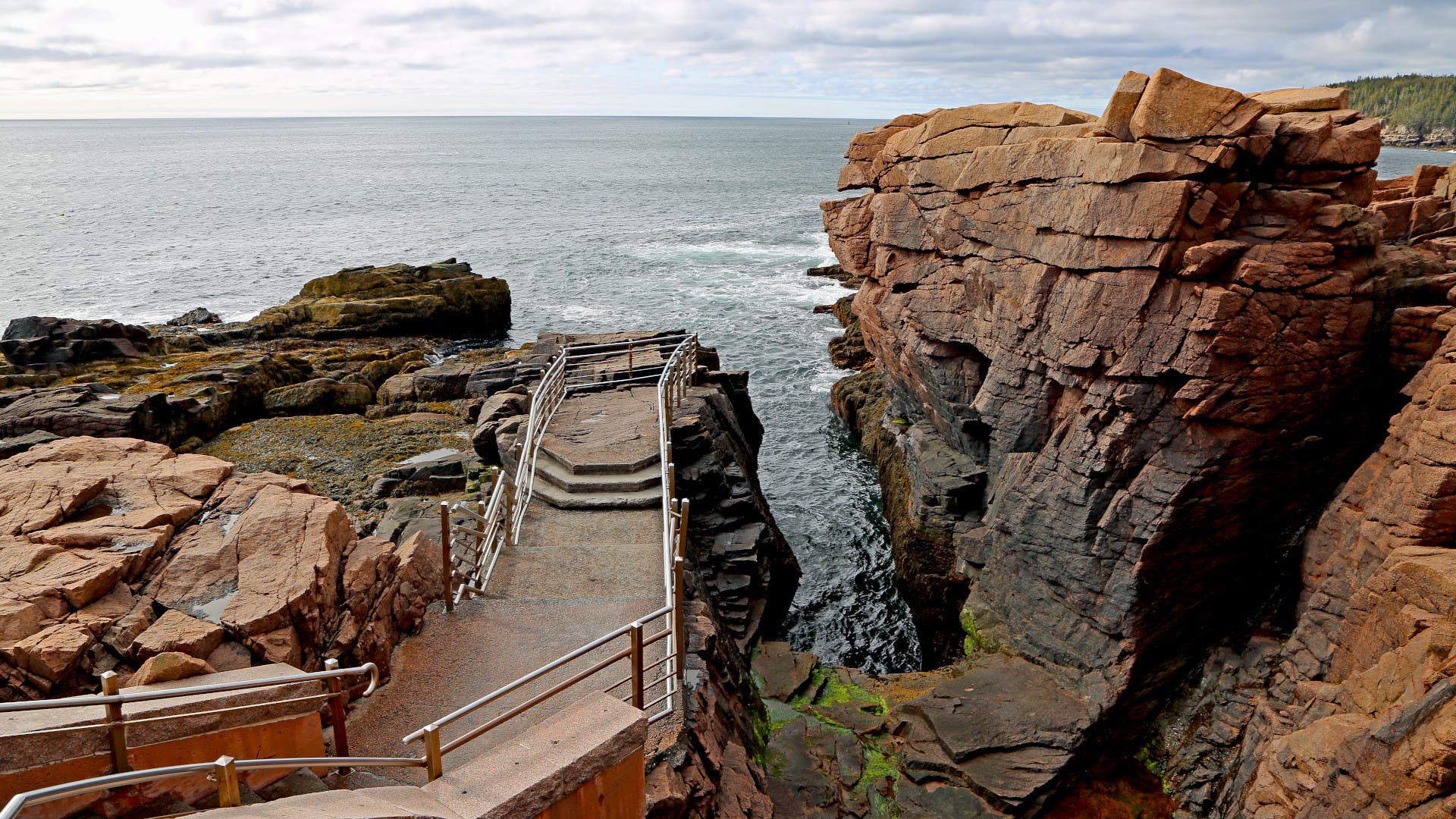
Unlike biological soundscapes, Thunder Hole relies entirely on oceanography and geology. The signature subterranean boom occurs when incoming Atlantic waves force massive volumes of air and water out of a narrow, submerged granite inlet along the shoreline.
"Timing can make a big difference at Thunder Hole, so I recommend checking the tide schedule and arriving an hour before high tide, when the waves are more likely to create that loud sound," advises Richard Porter, Assistant General Manager at Terramor Outdoor Resort. While active year-round, the acoustic intensity spikes during the autumn months, when tropical storms and early Nor’easters generate heavy ocean swells that slam into the Maine coast with devastating, beautiful force.
Upper Geyser Basin Trail, Yellowstone National Park, Wyoming
- Soundscape Experience: Geysers erupting and hydrothermal rumbling
- Best Time to Explore: Open year-round; significantly quieter in autumn
- Mileage: 3-mile loop
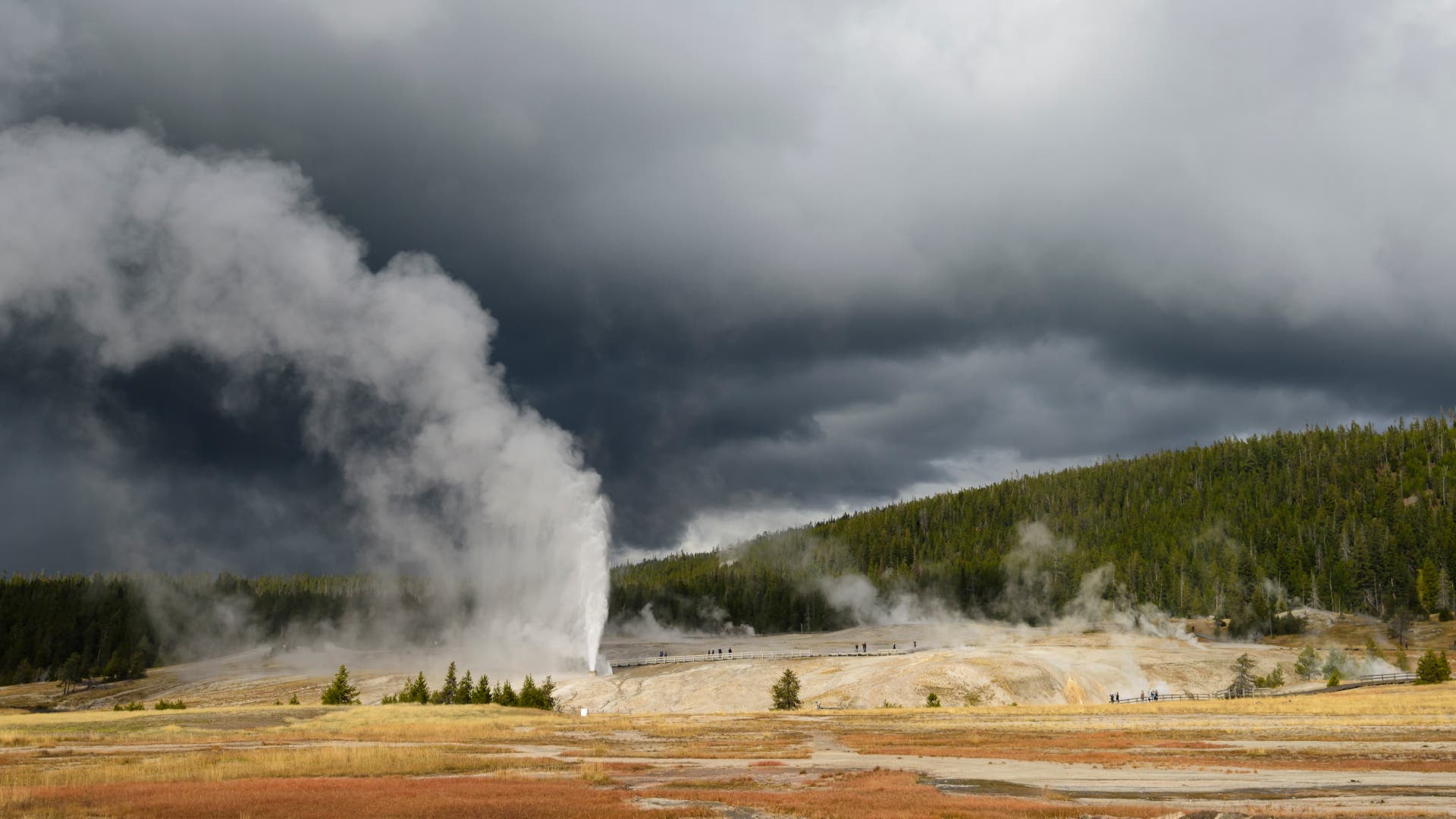
Yellowstone National Park contains the world’s densest concentration of active geysers, creating an industrial-scale natural soundscape of hissing steam vents, bubbling mud pots, and deep, subterranean rumbles. In summer, this auditory landscape is frequently drowned out by the ambient chatter of dense tourist crowds.
In autumn, however, visitor numbers drop sharply. "It has all the different types of geothermal features in one spot with plenty of boardwalks less frequented by tourists," says Todd Walton, Director of Sales and Marketing at Yellowstone National Park Lodges. While Old Faithful draws the largest crowds, hikers seeking a more intimate acoustic experience will find rich, textured listening along the boardwalks stretching past Riverside Geyser and Grand Geyser.
Blind Ash Bay Trail, Voyageurs National Park, Minnesota
- Soundscape Experience: Common loon choruses
- Best Time to Explore: September to early October
- Mileage: 2.9-mile loop
The common loon is famous for its haunting vocal repertoire, which includes wails, tremolos, and yodels. These sounds carry remarkable distances across calm, cool autumn water. In the fall, biological imperatives cause loons to congregate in larger social groups on northern lakes before their southern migration.
Unlike the solitary pairs defending breeding territories in summer, autumn groups create complex, overlapping choruses where multiple birds call back and forth. Hugging the rugged shoreline of Lake Kabetogama, the Blind Ash Bay Trail places hikers right at the water’s edge, offering prime acoustic vantage points during the still hours of early morning and dusk.
Lookout Trail, Hawk Mountain Sanctuary, Pennsylvania
- Soundscape Experience: Migrating raptors, eagles, and falcons
- Best Time to Explore: September through November
- Mileage: 1 to 4.2-mile loop
Ascending 300 feet via a short but steep climb, the Lookout Trail at Hawk Mountain delivers a dual sensory experience. Hikers can hear the sharp, piercing calls of migrating raptors while watching them ride the thermal updrafts created by the Kittatinny Ridge.
Hawk Mountain is home to the Autumn Migration Hawk Count, established in 1934 as the world’s longest-running raptor census. According to Gigi Romano, the sanctuary’s Communications Specialist, daily counts can exceed 3,000 individual birds during peak September days. Late morning through early afternoon provides the optimal window for both viewing and listening from the East Rock or North Lookout overlooks. For those seeking a longer trek, the trailhead also connects directly to the 4.2-mile Appalachian Overlook Loop.
4. Official Responses and Conservation Perspectives
As public interest in "quiet recreation" and acoustic ecology grows, land management agencies and conservation groups are increasingly emphasizing the protection of natural soundscapes.
The National Park Service (NPS) has formally recognized soundscapes as a vital natural and cultural resource, comparable to clean air and water. In parks like Yellowstone and Rocky Mountain, rangers actively manage visitor noise pollution during sensitive periods—such as the elk rut and bird nesting seasons—to ensure wildlife behavior is not adversely disrupted.
Similarly, conservation organizations like the Hawk Mountain Sanctuary and the Lodi Sandhill Crane Association view acoustic monitoring as an essential tool for tracking ecosystem health. "When you listen closely to the land, you are taking inventory of its vitality," notes Romano. "A landscape that is loud with life is a landscape that is functioning properly."

5. Implications for the Modern Outdoorsman
The growing movement toward sound-focused outdoor recreation signals a broader shift in how humans interact with nature. In an era dominated by noise-canceling headphones, digital notifications, and urban clamor, the backcountry offers a rare therapeutic refuge.
Experts suggest that adopting a "listener’s mindset" while hiking not only deepens appreciation for the environment, but also enhances personal safety and situational awareness. By tuning into the snaps of breaking twigs, the distant bugles of wildlife, or the shifting tones of wind and water, hikers become more present, grounded, and connected to the rhythms of the natural world.
As autumn deepens its grip across North America, these six trails stand ready to offer a masterclass in acoustic ecology—proving that sometimes, the most unforgettable part of a journey isn’t what you see, but what you hear.
