

Published September 21, 2026
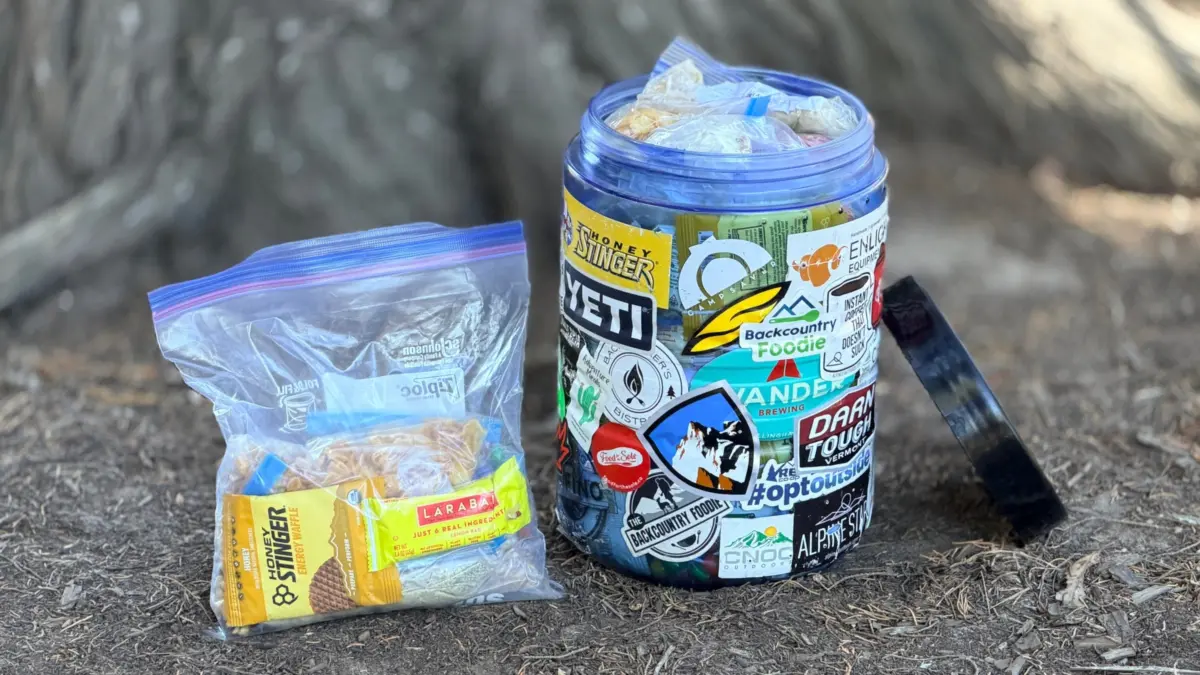
For backpackers embarking on extended wilderness excursions, the nightly ritual of securing provisions is a familiar exercise in frustration. You spread a week’s worth of food across a campsite picnic table or a kitchen floor: breakfasts, dinners, energy bars, and trail mix. Individually, the portions look reasonable—even modest. Yet, the moment you begin loading your bear canister, reality sets in. Halfway through the process, you find yourself leaning your body weight onto the lid, wondering aloud how seven days of essential sustenance could possibly occupy such a finite volume.
The struggle is universal, but its consequences are often misunderstood. According to backcountry experts and nutrition professionals, many hikers suffering from acute fatigue on long trails are not experiencing simple exhaustion; they are under-fueling. When athletic trainers and registered dietitians dig into the daily food logs of struggling backpackers, the diagnosis is frequently uniform: they simply are not carrying enough raw fuel to match the massive energy expenditure demanded by high-mileage terrain.
Bear canisters exacerbate this logistical bottleneck. Standard models, such as the industry-ubiquitous BV500, offer roughly 11.5 liters of internal storage space. If that volume is squandered on bulky commercial packaging, rigid shapes, and low-density foods, the canister will be completely full long before the hiker has packed enough calories to sustain multi-day physical exertion. However, by shifting the planning paradigm from weight management to spatial efficiency, mountaineers can unlock enough calories to conquer the most demanding backcountry routes without straining a zipper.
Main Facts: The Mathematics of Backcountry Space Efficiency
The core challenge of packing for bear country lies in a conflict between caloric requirements and rigid geometry. When planning a week-long trek, hikers must navigate strict federal and local regulations requiring all food, trash, and scented items to be housed in certified bear-resistant containers.
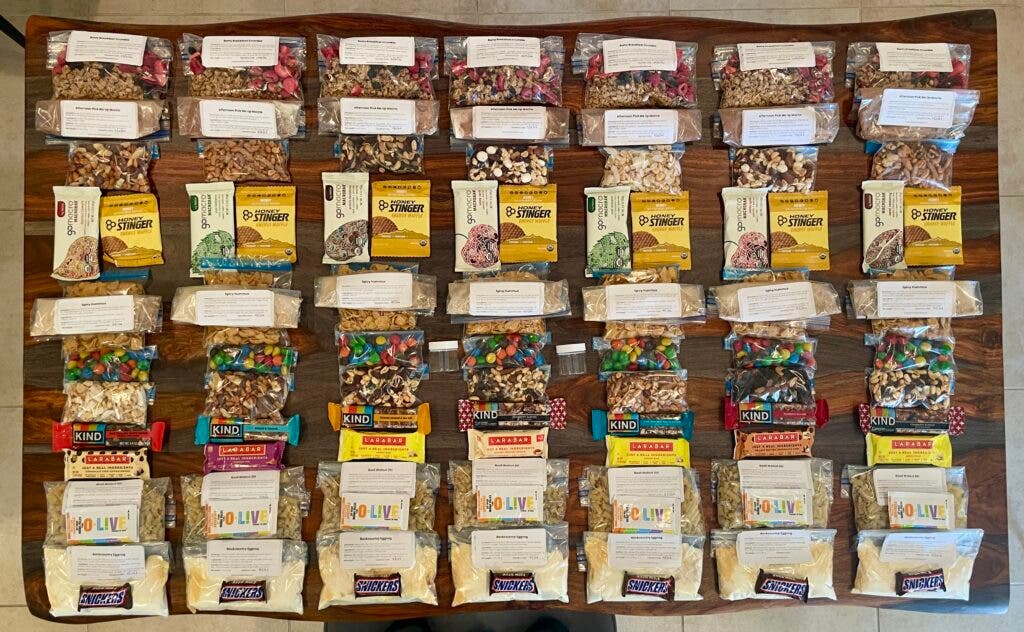
To demonstrate what is physically possible within these constraints, nutritionists and ultralight authorities have engineered hyper-dense meal plans. One notable blueprint yields a staggering 4,913 daily calories packed into just 33 ounces of dry food, translating to roughly 149 calories per ounce. This robust daily menu provides 132 grams of protein and 437 grams of carbohydrates, yet the entire day’s rations compress easily into roughly half of a gallon-size zipper bag.
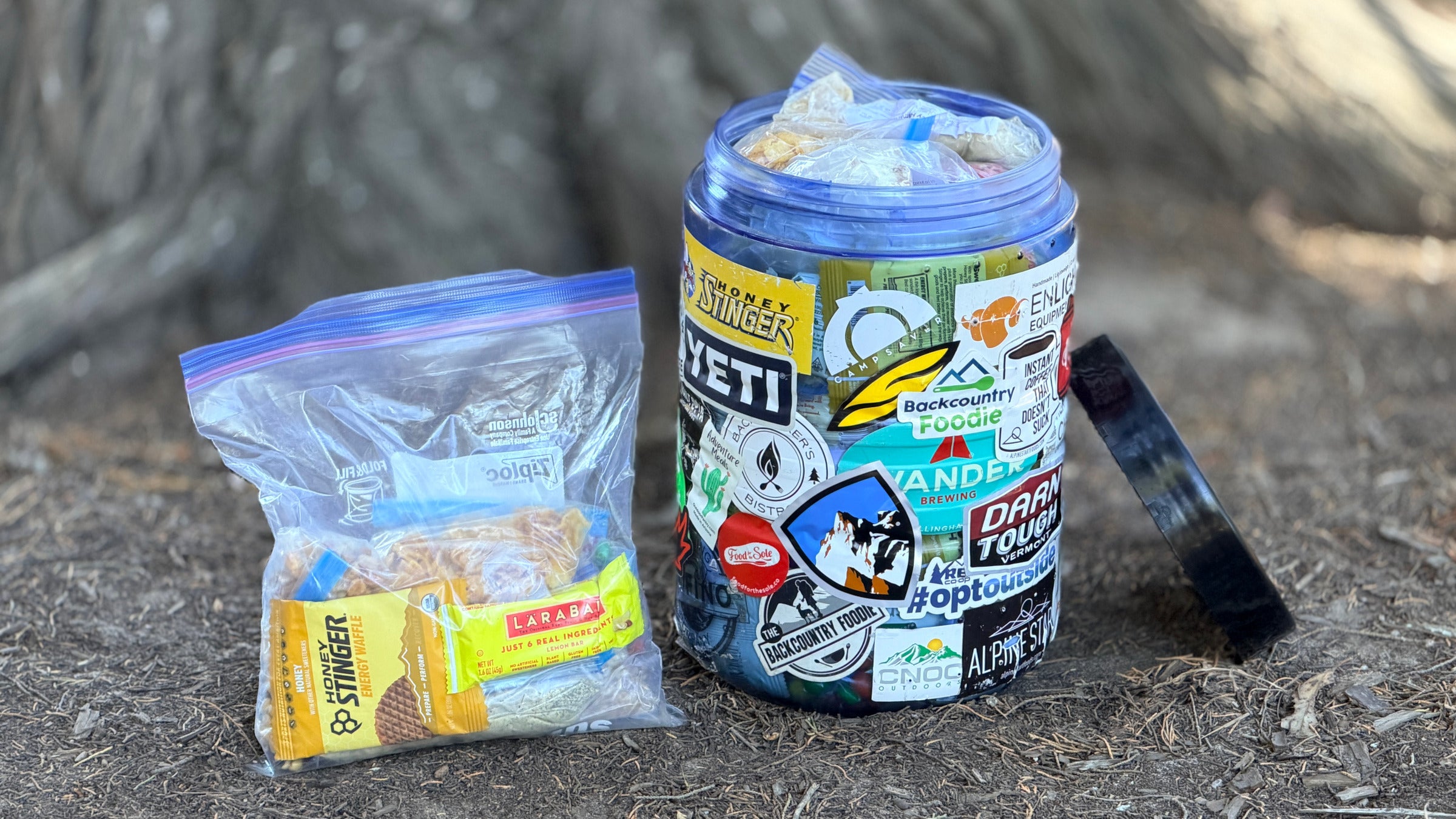
While not every backpacker requires a 5,000-calorie daily intake—energy expenditures vary wildly based on body composition, daily mileage, elevation profiles, pack weight, and terrain—the underlying principle remains universal. By prioritizing "calories per cubic inch" rather than relying on traditional, bulky backpacking configurations, hikers can reclaim massive amounts of interior canister real estate.
Chronology: The Evolution of Backcountry Meal Planning
The philosophy of wilderness nutrition has undergone a quiet revolution over the past two decades, shifting parallel to the ultralight backpacking movement.
Era of the Freeze-Dried Block (Early 2000s)
Historically, extended backcountry trips relied almost exclusively on commercially manufactured freeze-dried meals packed in thick, heavy, foil-lined pouches. While these products offered convenience and long shelf lives, they were notoriously inefficient. The rigid, air-filled pouches acted like miniature balloons inside bear canisters, consuming vast amounts of space for relatively modest caloric yields.
The Ultralight Weight Obsession (2010s)
As equipment weights plummeted thanks to cuben fiber, ultra-light tents, and minimalist packs, hikers began obsessing over "calories per ounce." Dehydrated meals and lightweight starches like instant ramen became staples. However, this era overlooked spatial geometry: while ramen weighed next to nothing, the physical blocks created enormous pockets of dead air within rigid bear-proof cylinders.
The Spatial Efficiency Paradigm (Present Day)
Modern backcountry nutritionists have merged sports dietetics with spatial engineering. Today, the focus has expanded from simply cutting ounces to calculating volumetric caloric density. By combining home-dehydrating techniques, strategic repackaging, and custom high-calorie formulations, modern backpackers can bypass the spatial limitations imposed by standard bear canister designs.
Supporting Data and Comparative Analysis
To understand the tangible benefits of spatial optimization, experts have compared standard commercial menus against customized, high-density meal plans designed for the same physical footprint.
Commercial vs. DIY Spatial Comparison
When evaluating a standard day’s worth of food consisting of three commercial freeze-dried meals alongside standard store-bought snacks, the metrics are revealing:
- Weight: Both daily menus weigh approximately 2 pounds.
- Volume: Both configurations occupy roughly the same spatial footprint inside a bear canister.
- Caloric Output: The commercial menu yields roughly 4,000 calories. In contrast, the customized, high-density DIY menu yields 4,913 calories.
Over the course of a rigorous seven-day trip, that seemingly minor daily discrepancy compounds into an extra 6,300 calories—representing more than an entire additional day’s worth of survival fuel.
Sample High-Density Daily Menu
- Breakfast: Berry Breakfast Crumble paired with a Pick-Me-Up Mocha.
- Morning Snacks: Dense trail mix, a GoMacro peanut butter chocolate chip bar, and a Honey Stinger nut butter waffle.
- Lunch: Spicy hummus mix, crushed Fritos, and peanut butter M&Ms.
- Afternoon Snacks: Additional trail mix, a KIND almond-coconut bar, and a Larabar.
- Dinner: Basil walnut ziti paired with a fun-size Snickers bar.
- Supplemental Nutrition: Backcountry Eggnog (consumed as a high-density liquid supplement).
- Daily Totals: 4,913 calories; 33 oz. dry weight; 149 calories/oz; 132g protein; 437g carbohydrates.
Official Guidelines and Regulatory Compliance
When deploying advanced packing strategies, backpackers must remain acutely aware of regional land management regulations. National parks, national forests, and wilderness areas across North America frequently mandate the use of Interagency-certified bear-resistant containers.
Bear Canister Standards
Official testing protocols executed by organizations like the Interagency Grizzly Bear Committee (IGBC) and the Sierra Cascades Black Bear Audit require containers to withstand prolonged physical assaults by wild bears.
- Approved Models: Canisters like the BV500, Bearikade, and Garcia Backpacker Machine are engineered from high-impact polymers or carbon fiber.
- The Scent Rule: All items associated with eating—including toothpaste, sunscreen, lip balm, trash, and cooking utensils—must reside inside the container alongside provisions during sleeping hours.
- Day-7 Exception Strategy: Because a standard 11.5-liter canister can comfortably hold roughly six days of meticulously optimized food for an individual, long-distance hikers undertaking seven-day loops often carry the seventh day’s food outside the canister, consuming it immediately before dusk or during the final day’s transit, provided local regulations permit.
Implications: Reshaping Trail Nutrition and Equipment Choices
Mastering the geometry of the bear canister alters how hikers approach trip planning, gear selection, and even psychological comfort on the trail.
1. Pack the Food, Not the Packaging
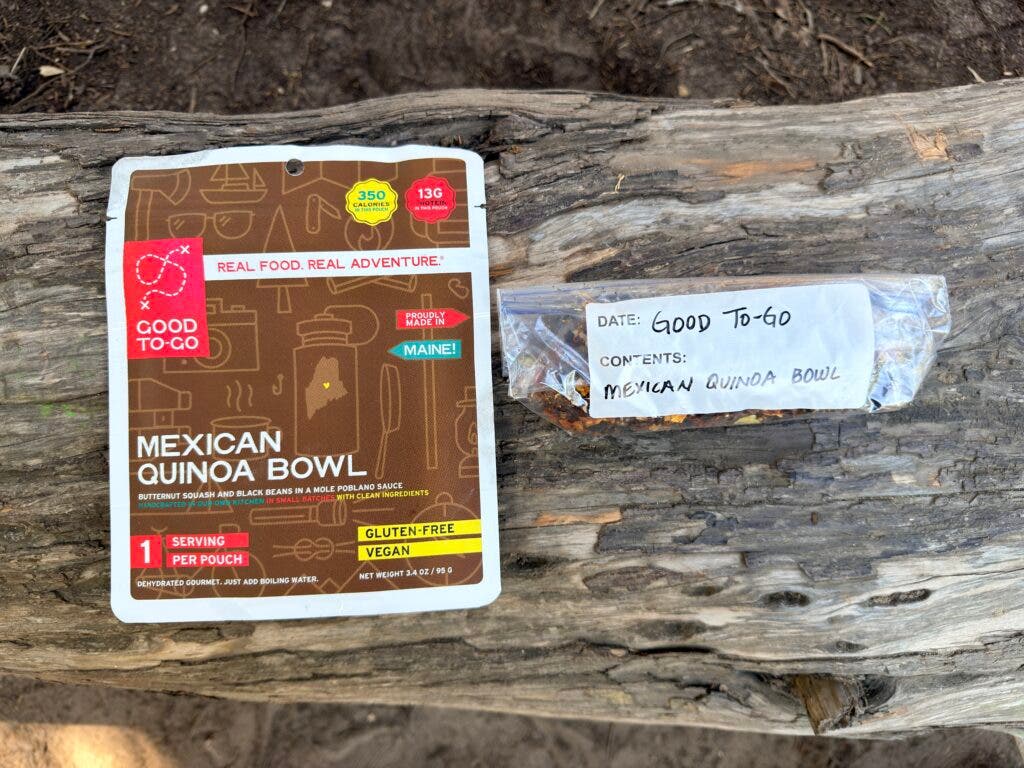
Commercial food packaging serves marketing and preservation needs—not packing efficiency. It includes wide brims, preparation instructions, heavy plastic seals, and trapped air designed to protect fragile products during shipping. Backcountry nutritionists advocate for stripping away this excess real estate.
- Transfer meals, powders, and snacks into appropriately sized zip-top bags.
- Press out all residual air before sealing. Even puncturing a commercial energy bar wrapper to press out trapped air dramatically improves its ability to slip into awkward canister gaps.
- Caution: Avoid vacuum-sealing meals into rigid bricks. Pliable packages that can flex and curve around neighboring items are vastly superior for eliminating dead space.
2. Prioritize Geometry Over Brand Loyalty
In bear country, the golden rule of nutrition shifts from calories per ounce to calories per cubic inch.
- Avoid foods with high structural rigidity and internal empty space, such as standard ramen blocks. Instead, substitute small pasta shapes like orzo that settle fluidly.
- Choose pliable nut-based bars that can bend against the curved interior walls of a canister over rigid, flat granola bars that dictate where all subsequent items must sit.
- Lean heavily on calorie-dense inputs: nut butters, oils, full-fat dairy powders, chocolate, and dense carbohydrate-protein blends.
3. Implement the Seven-Layer Cake Method
Instead of segregating food types—breakfasts in one corner, dinners in another—pack provisions chronologically in 24-hour vertical tiers.
- Place the final day of the trip at the very bottom of the canister, followed sequentially by preceding days, ensuring tomorrow’s food rests immediately beneath the lid.
- Keep daily menus consistent (rotating only snack flavors for variety) so each daily layer occupies an identical volume, allowing seamless vertical stacking.
- As days pass and food is consumed, utilize the newly created empty space at the top of the canister to store non-food gear (such as a first-aid kit or extra layers), provided those items are sealed inside odor-proof bags to prevent contamination by food residues.
4. Psychological Sustainability and "Happy Foods"
Strenuous physical exertion frequently suppresses appetite, making the thought of consuming yet another dense energy bar unappealing. Liquid meal-replacement powders offer a space-efficient solution, dissolving easily and delivering calories without requiring heavy chewing.
Furthermore, packing a daily "happy food"—whether it is crushed Fritos, peanut butter M&Ms, or a post-dinner candy bar—is far from wasted space. The most nutritionally balanced trail meal is utterly useless if a fatigued hiker lacks the psychological motivation to eat it. By utilizing clever spatial packing, outdoor enthusiasts no longer need to compromise between culinary morale and caloric survival.
