As the transition from the hazy, high-peak warmth of August into the crisp, leaf-peeping conditions of autumn takes hold, the outdoor community faces a seasonal shift. While the academic calendar signals that classroom doors are swinging open, backpacking and trail-running enthusiasts recognize late August as the true starting gun for the year’s finest backcountry conditions. Cooler temperatures, lower humidity, and diminishing insect populations make this the premier window for alpine exploration.
To help outdoor enthusiasts navigate this seasonal pivot, editorial teams at leading gear-testing publications have spent the latter half of August pushing equipment to its absolute limits across the rugged high-alpine passes of the Rocky Mountains, navigating rushing whitewater rapids, and tracking native wildlife in remote national forests.
From ultra-lightweight filtration systems designed to keep hydration seamless on high-mileage runs, to ingenious modular bear canisters and trail-cleaning implements that redefine Leave No Trace ethics, this curated collection highlights the most innovative, trend-setting gear hitting the market as summer draws to a close.
Main Facts: The 2026 Late-Summer Gear Lineup
The late-summer product cycle has introduced several paradigm shifts in how outdoor athletes approach weight management, environmental stewardship, and camp logistics. Four standout products have captured the attention of gear editors heading into the autumn season:
CleanTrek Garbage Pickup System: A pole-mounted mechanical claw and trash collection bag designed to make trail cleanup effortless, currently available for preorder at $85 with a projected shipping date of Spring 2027.
HydraPak Filter Cap and Soft Flask Integration: A featherlight, 57-gram 42mm threaded filter cap ($40) that pairs seamlessly with collapsible reservoirs and 500ml running vest flasks, transforming any water source into an instant hydration station.
BearVault BV One Adjustable Bear Canister: A modular, heavy-duty bear-resistant container ($120) featuring dual-button compression technology that allows its internal volume to shrink from 8.28 liters down to 4.62 liters as food supplies dwindle.
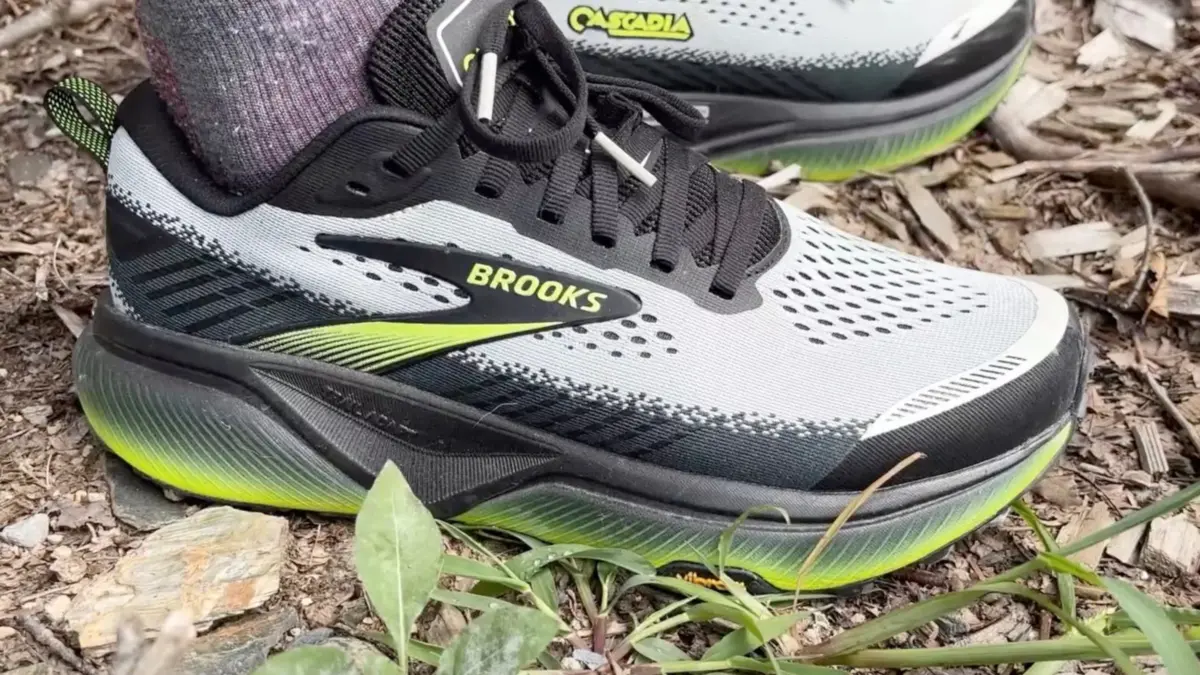
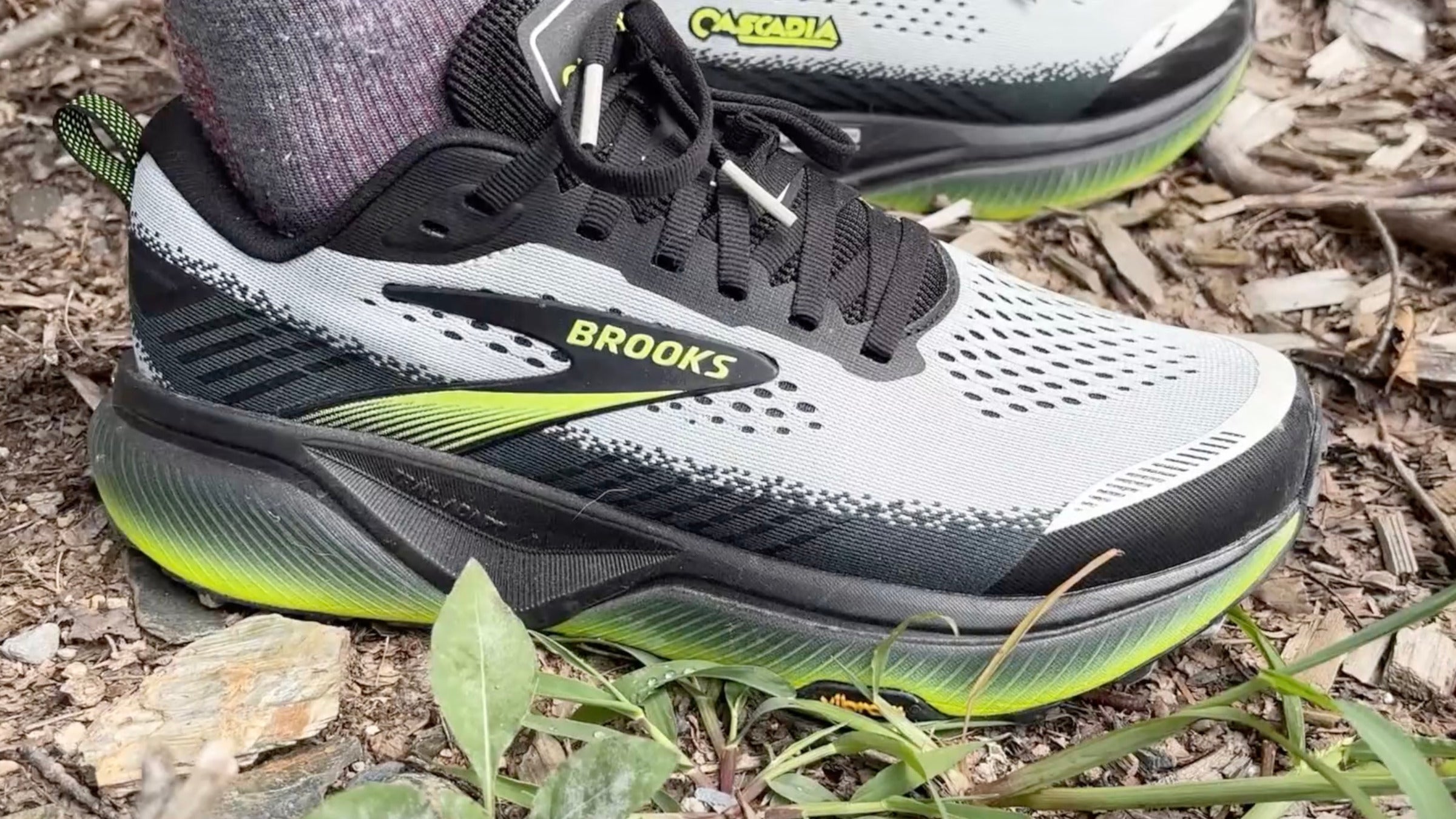
Brooks Cascadia 20 Trail Running Shoes: The latest iteration of a legendary thru-hiking staple ($160), completely redesigned with a max-cushion, nitrogen-infused foam midsole, a towering 37.9mm stack height, and a switch to sticky Vibram Megagrip outsoles.
Chronology: Field Testing Throughout the Summer Season
The rigorous evaluation of these products followed a multi-month timeline, moving from trade show floors to grueling alpine testing grounds before culminating in these late-August assessments.
Spring to Early Summer: Prototyping and Initial Introductions
The journey for products like the CleanTrek system began on the convention floor, specifically at the Outdoor Retailer trade show in Minneapolis. There, editors previewed the mechanical precision of the trigger-activated claw. Simultaneously, manufacturers like BearVault and Brooks finalized their spring and summer distribution schedules, setting the stage for real-world stress tests.
Mid-Summer: High-Alpine Torture Tests
During July and early August, gear testers deployed the latest equipment across demanding terrain:
Zoe Gates (Senior Editor): Integrated the HydraPak Filter Cap directly onto running-vest soft flasks during high-output summer dayhikes, testing flow rates, weight distribution, and durability against silty alpine water sources.
Will Brendza (Associate Editor): Packed the BearVault BV One into remote backcountry zones, tracking how the adjustable volume system performed over multi-day itineraries as food supplies diminished.
Benjamin Tepler (Senior Gear Editor): Put early production models of the Brooks Cascadia 20 through intensive mileage tests to evaluate how the new nitrogen-infused foam and Vibram Megagrip outsoles handled technical rock and packed dirt.
Late August: Final Verdicts and Pre-Order Launches
As August 31, 2026, approached, editorial teams synthesized their summer findings. The consensus highlighted a broader industry trend toward modularity, weight-saving hybridization, and maximum comfort, positioning these four items as the defining gear releases of the late-summer season.
Supporting Data: Specifications, Pricing, and Performance Metrics
Understanding the practical value of backcountry equipment requires looking closely at the hard data. The table below outlines the core technical specifications for each featured item:
Product Name
Category
Retail Price
Key Specifications
Primary Benefit
CleanTrek Grabber & Collector
Trail Maintenance / LNT
$85 (Preorder)
Clamps to most trekking poles; triggers handle micro-debris down to a paper clip.
Simplifies trail cleanup without requiring specialized packs or loose bags.
Maximum propulsion and sticky traction for fast-and-light day hiking and running.
Official Responses and Expert Insights
The editors and manufacturers behind these releases emphasize that each piece of gear was designed to solve specific pain points reported by long-distance hikers and casual day-trippers alike.
Redefining Leave No Trace: The CleanTrek System
Adam Roy, Editor-in-Chief, noted his surprise at the mechanical precision of the CleanTrek system during his initial hands-on evaluation:
"I had a chance to try it out for myself at Outdoor Retailer in Minneapolis and was shocked at how precise the grabber was: I was able to pick up items as small as a paper clip with little effort, but it was still strong enough to pick up aluminum cans."
By shifting the burden of trail cleanup from an awkward, messy chore—usually involving loose plastic bags stuffed into pockets—to an integrated part of the trekking pole ecosystem, CleanTrek aims to drive higher participation in volunteer trail maintenance.
Hydration Without Friction
For fast-and-light practitioners, eliminating the friction of water management is critical. Zoe Gates, Senior Editor, explained how pairing the HydraPak filter cap with running flasks changed her on-trail hydration strategy:
"On a recent hike, I decided to pair the two so I could refill and drink on the go. I’ve never been so hydrated on a summer dayhike. Having the filter integrated in my flask… meant it was easily accessible for a refill any time I passed a water source."
Modular Bear Security
Bear canisters have historically presented a spatial dilemma: they take up the same rigid volume on Day 5 of a trip as they do on Day 1, even when 80% of the food has been consumed. Will Brendza highlighted the engineering solution provided by the BearVault BV One:
"Two easy-to-press rubber buttons on the sides allow you to modify its internal volume from large to small. That way, your bear canister can shrink as your food supply diminishes, saving room in your backpack."
The Evolution of Thru-Hiking Footwear
The debate over max-cushioning in footwear continues to divide traditionalists and modern runners. Benjamin Tepler addressed the radical departure represented by the Brooks Cascadia 20:
"The 20 is perhaps the largest departure from the Cascadia line since it was introduced… For me, the 20 is dramatically more fun to run and day hike in, but I don’t like it as much for backpacking. I really appreciated the plush-but-connected groundfeel that came with the old foam and rock plate combo."
Implications: What This Gear Means for the Future of Backpacking
The introduction of these late-summer products points to several broader evolutions within the outdoor recreation industry heading into 2027 and beyond.
1. The Mainstreaming of Modular and Adjustable Equipment
The debut of the BearVault BV One indicates a consumer demand for gear that adapts dynamically to trip phases. As manufacturing tolerances improve and composite materials become more resilient, expect to see more rigid items—such as cookware, shelters, and storage systems—adopt adjustable, variable-volume architectures to reduce dead space in packs.
2. The Convergence of Trail Running and Fastpacking
The hybridization of hydration and footwear technologies demonstrates that the boundary between trail running and multi-day backpacking continues to dissolve. Runners are demanding heavy-duty traction like Vibram Megagrip, while backpackers are increasingly adopting running vests, soft flasks, and high-flow inline filters to trim base weights.
3. Active Stewardship as an Integrated Gear Category
Products like CleanTrek signal a cultural evolution in outdoor ethics. Rather than treating environmental cleanup as an afterthought requiring dedicated gear bags and specialized volunteer outings, brands are beginning to engineer passive, everyday stewardship directly into the tools hikers already carry. If successful, pole-mounted collection systems could normalize micro-cleanups for thousands of casual day-hikers, significantly reducing the accumulation of micro-trash and discarded wrappers in fragile alpine ecosystems.
As summer yields to the golden light of autumn, this latest crop of gear proves that innovation in the outdoor space shows no signs of slowing down, offering backpackers smarter, lighter, and more versatile ways to experience the wild.