

PORTLAND, Oregon — For decades, the modern backpacking industry has preached a gospel of petroleum. Walk into any major outdoor retailer, and the shelves are dominated by a synthetic taxonomy: nylon ripstop, polyester fleece, Gore-Tex membranes, polyurethane-coated rain flies, and closed-cell EVA foam. These high-tech materials have revolutionized outdoor exploration, offering unmatched strength-to-weight ratios, reliable waterproofing, and weather resistance that our forebears could only dream of.
Yet, this convenience comes with an invisible ecological cost. Synthetic fibers shed microplastics into remote alpine watersheds, and at the end of their lifecycle, gear made from petrochemicals frequently ends up in landfills, persisting for centuries.
Enter Tom Bonamici, a tenure-track assistant professor of product design at the University of Oregon and a lifelong outdoorsman. Driven by an academic curiosity rather than a dogmatic crusade, Bonamici spent a year inside his university studio constructing an entire backpacking kit entirely from natural materials. His central research question was simple yet radical: What compromises do we make when we completely strip petrochemicals out of the backcountry experience?
The result of his endeavor is a 10-pound base-weight kit that looks less like modern high-tech camping gear and more like a historical museum collection, featuring wool, silk, Calcutta bamboo, linseed oil, and vegetable-tanned leather. In August 2026, Bonamici packed up his creation and headed into the rugged backcountry of Mt. Hood to test whether a plastic-free wilderness ethos could actually survive in the wild.
Main Facts: The Anatomy of a Plastic-Free Kit
Bonamici’s experiment required a strict zero-petrochemical rule across nearly every gear category. Every stitch, strap, cord, and fastener had to pass a rigorous plastic-free test. The only concessions granted during his backcountry trials were a water filtration system and a first-aid kit—practical boundaries drawn to avoid waterborne illnesses like giardiasis.
The collection features several standout innovations:
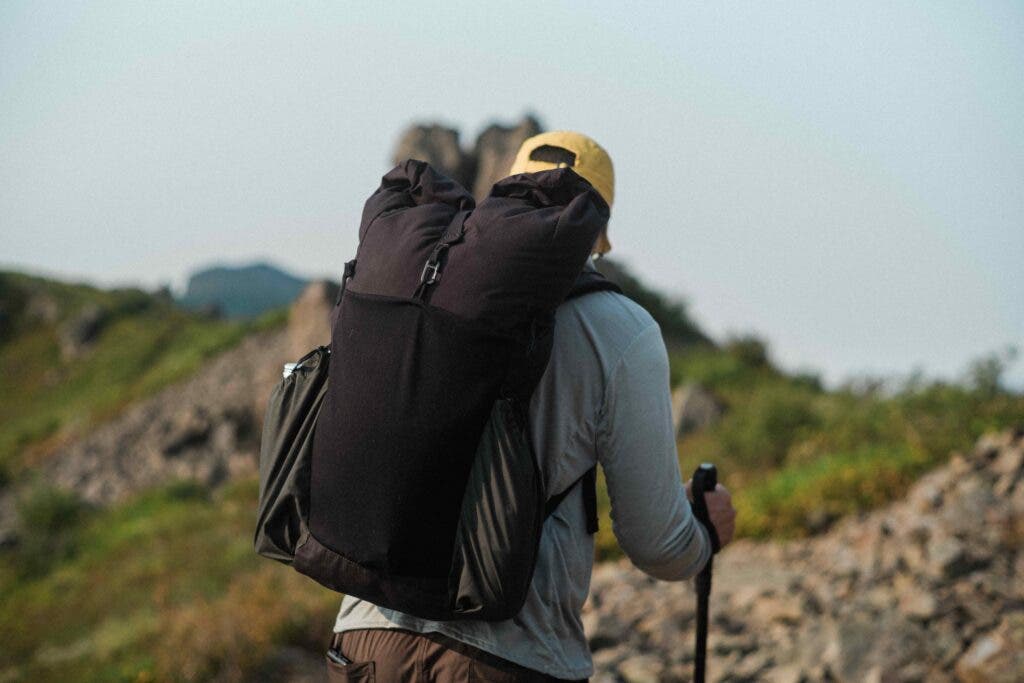
- The Backpack: A frameless, 10-pound-capable pack constructed from Ventile (a densely woven cotton ripstop), merino jersey, and merino felt for padding. All plastic buckles and synthetic cords were swapped for aluminum toggles and cotton cordage.
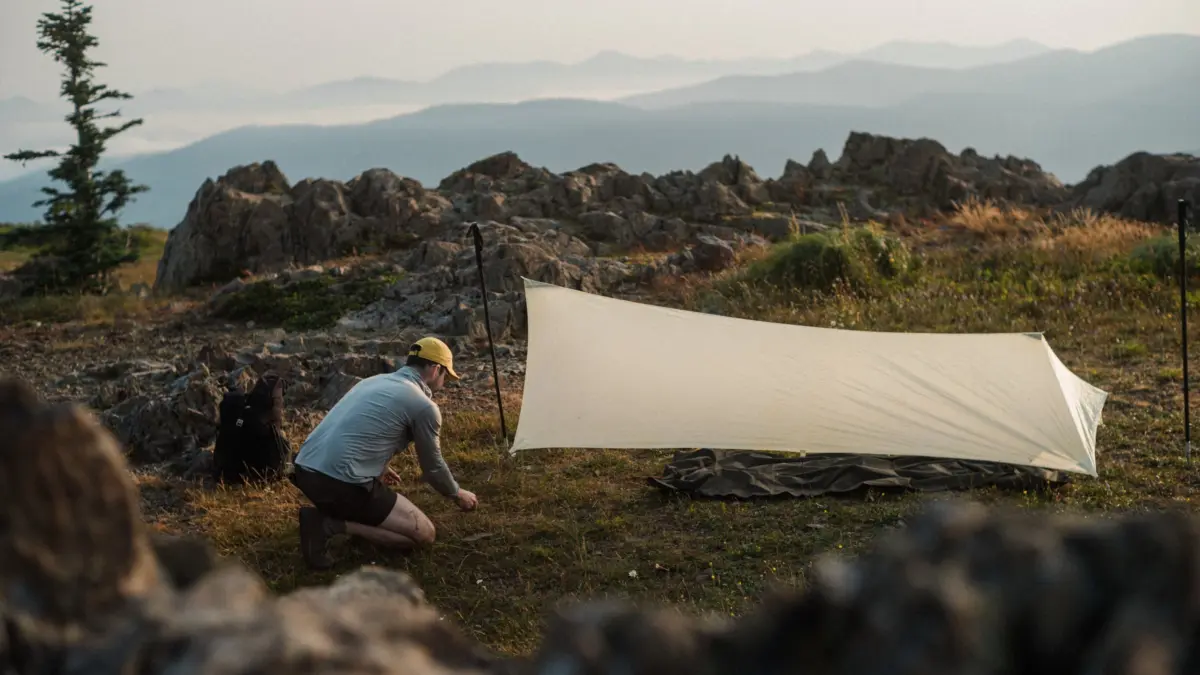
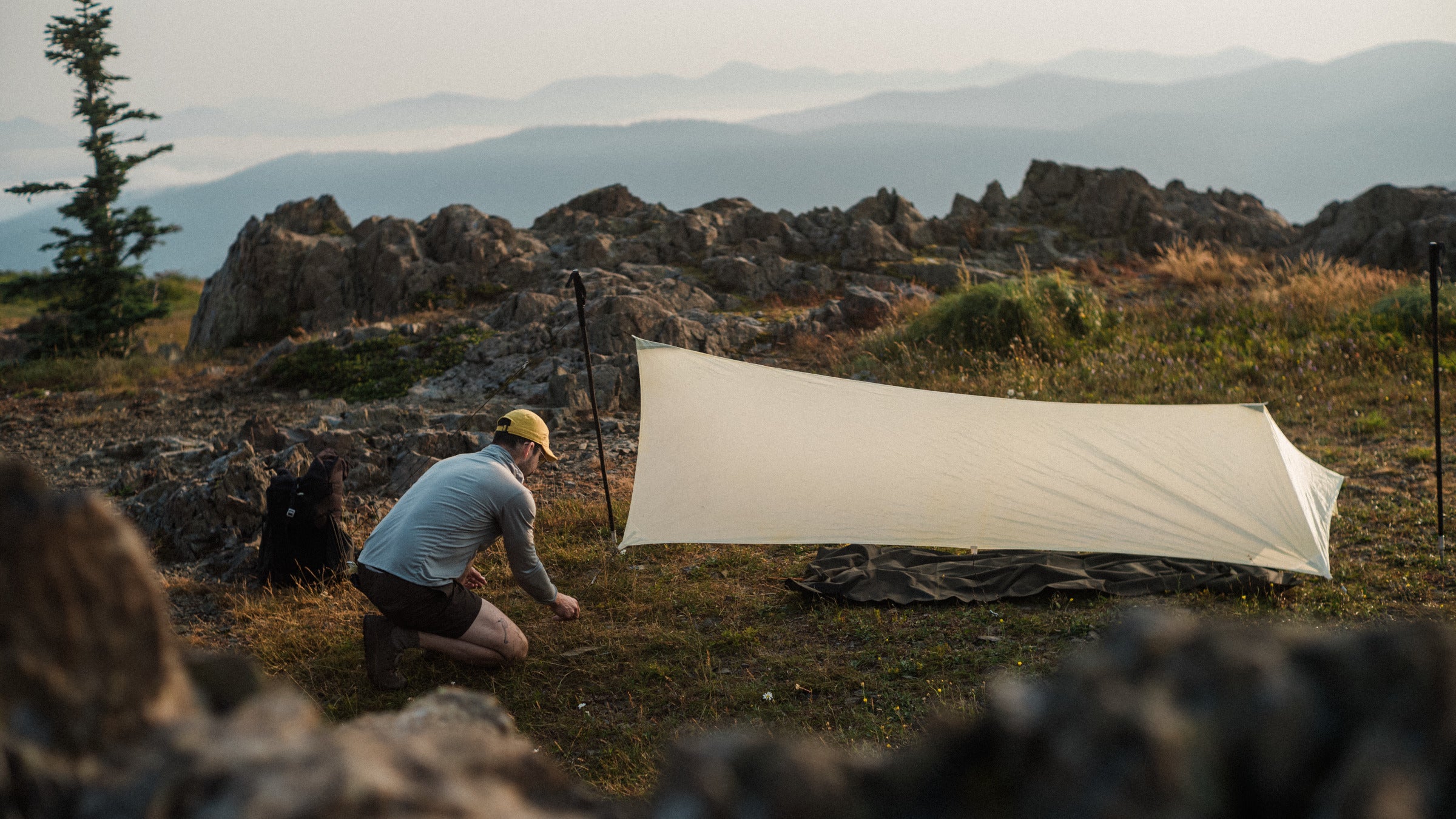
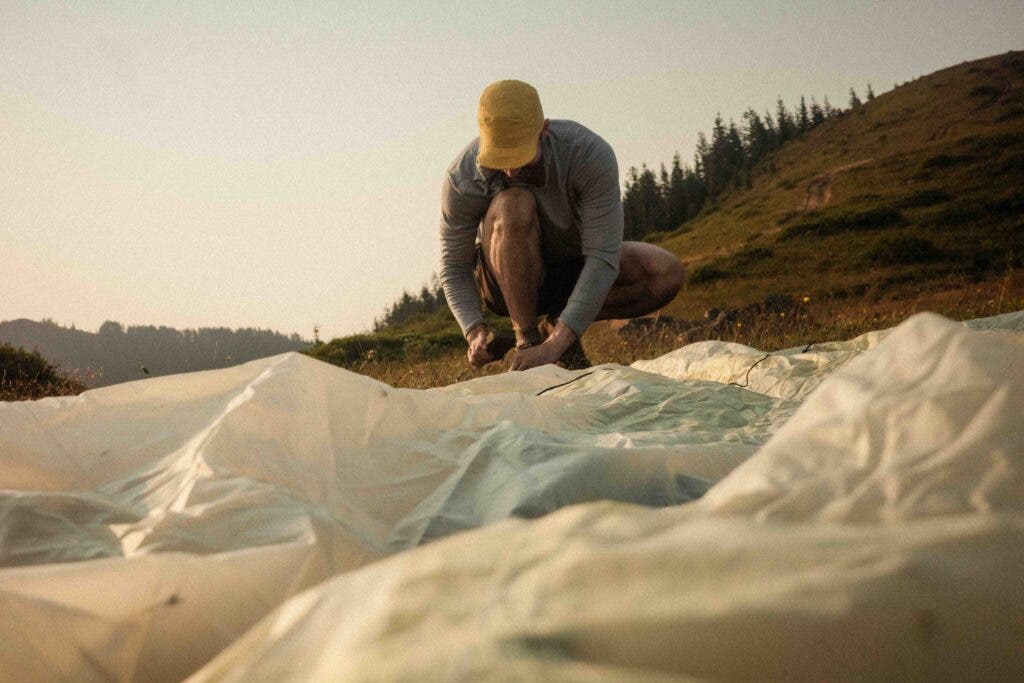
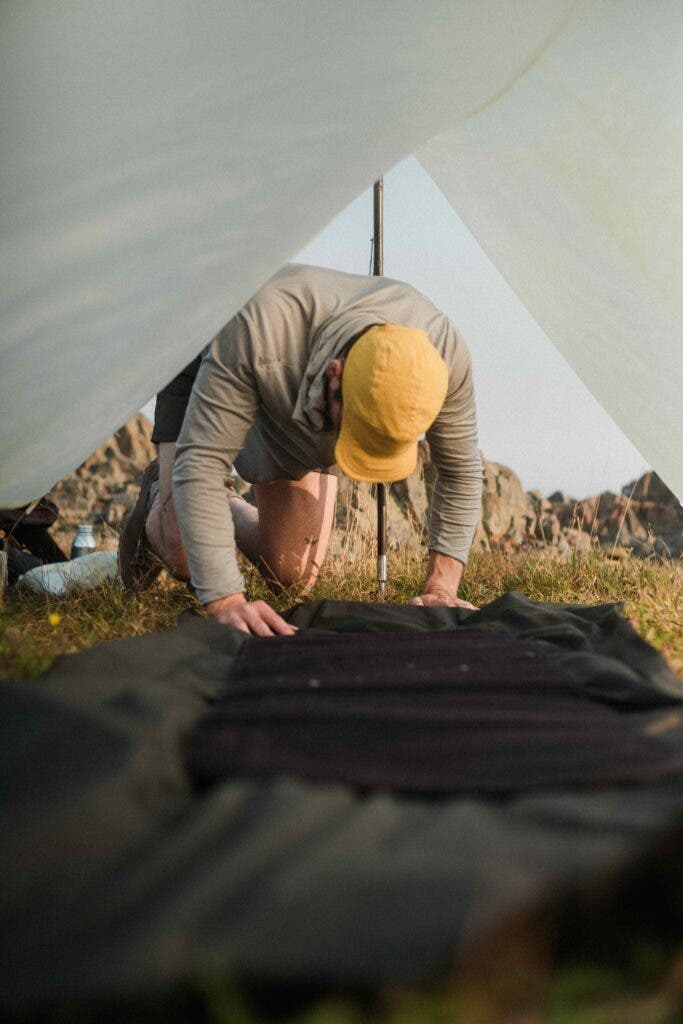
- The Shelter: A 25-ounce, 9-foot trekking-pole tarp made from silk taffeta dipped in a proprietary blend of linseed oil and natural turpentine.
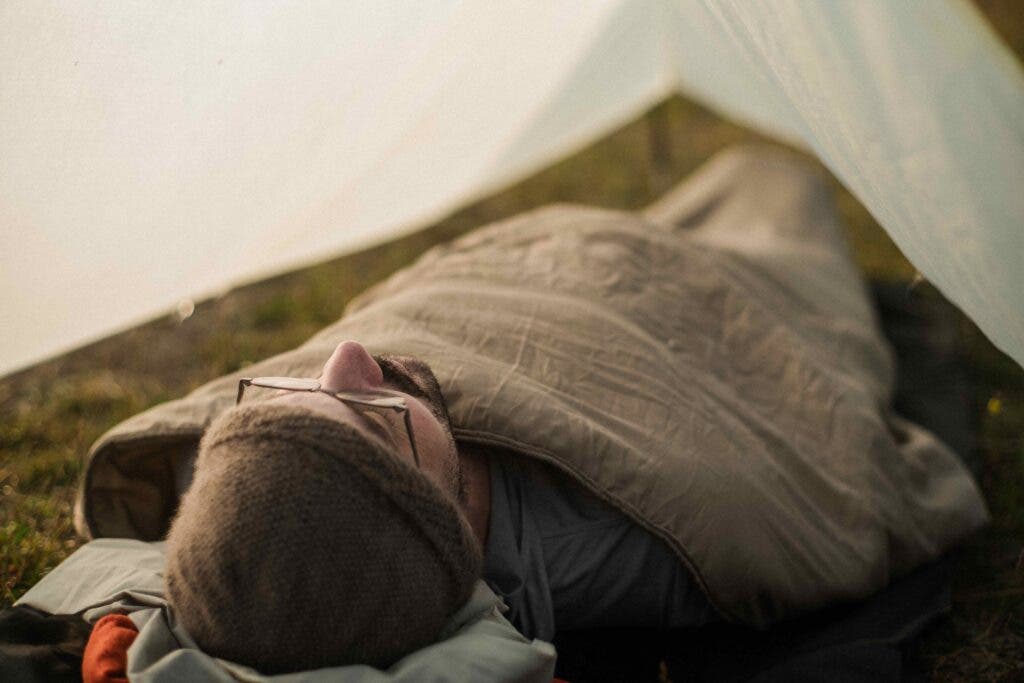
- The Sleep System: A tapered sleeping quilt insulated with Lavalan wool batting and layered merino quilt batting, wrapped in a silk-cotton suit-lining shell. It uses cotton ties instead of zippers. The system is paired with a minimalist, un-cushioned sleeping pad made of cork sandwiched between Ventile and Melton wool.
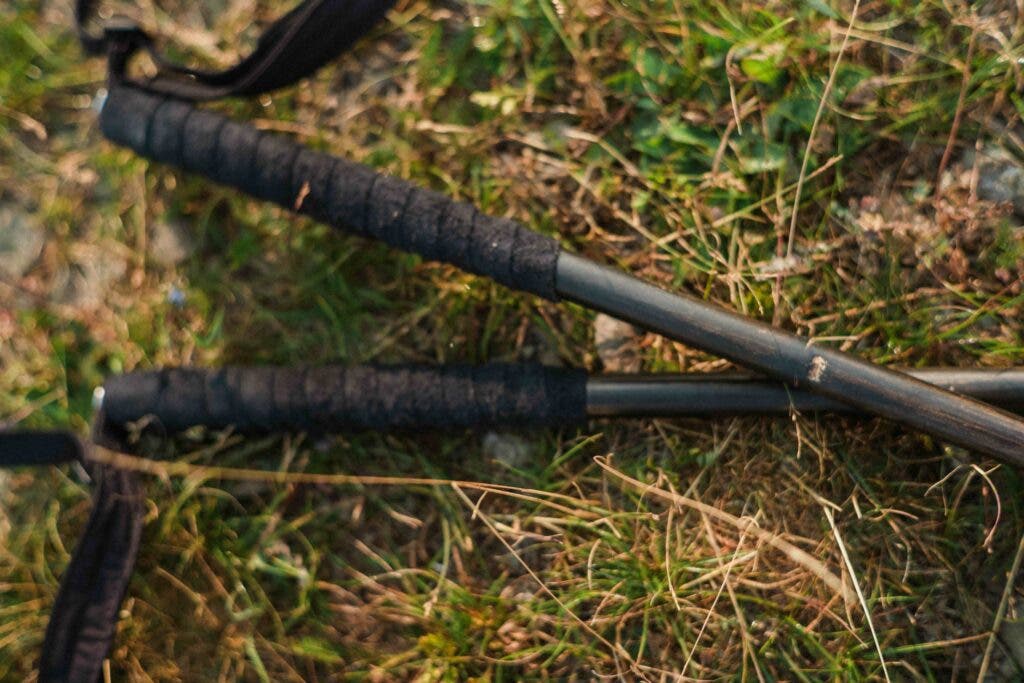
- The Trekking Poles: Sourced from thick-walled Calcutta bamboo, traditionally used in fishing gaffs, fitted with aluminum and carbide tips.
- The Apparel: Hand-sewn cotton-lawn shorts, merino baselayers, a silk-merino sun hoodie, a qiviut (muskox wool) insulating sweater, and a pair of custom, handcrafted vegetable-tanned leather hiking shoes from the brand FEIT.
Chronology: From Concept to Trailhead
The origins of Bonamici’s project trace back through a career rooted in both traditional craftsmanship and industrial design. Growing up in Eugene, Oregon, Bonamici spent his youth hiking, climbing, and backpacking. His passion for the outdoors deepened during his undergraduate years at Dartmouth College, where he joined the outing club, before he went on to study product design at the Pratt Institute.
Bonamici is no stranger to alternative gear manufacturing. Around 2009, he taught himself to sew and co-founded Archival Clothing, a heritage apparel brand with friend Lesli Larson. Until 2016, the duo produced bags and backpacks using sturdy cotton canvas, deadstock U.S. military webbing, and vintage hardware.
When Bonamici transitioned to academia at the University of Oregon’s School of Art and Design—where he now teaches undergraduate and graduate product design students—he secured institutional research funding to explore sustainable materiality.
Over the course of a year, Bonamici sourced, spun, sewed, and commissioned his components. He sewed his own merino wool long johns, commissioned a student to hand-knit wool-and-mohair socks (noting that commercial wool socks universally rely on nylon or polyester yarn blends), and sourced specialized materials from around the globe.
In August 2026, the project moved from the Portland studio to the slopes of Mt. Hood. Following his initial field tests, Bonamici is preparing to debut the entire collection in October 2026 at Dutch Design Week in the Netherlands, presenting his findings to the global design community.
Supporting Data: Field Performance and Tradeoffs
Bonamici’s backcountry field tests yielded a fascinating data set regarding the performance metrics of natural fibers versus synthetics. While the gear performed surprisingly well in the fair-weather conditions of the Pacific Northwest, the test exposed stark physical compromises.
| Gear Item | Primary Materials | Weight / Profile | Field Performance & Tradeoffs |
|---|---|---|---|
| Backpack | Ventile cotton, merino jersey, aluminum hardware | Lightweight, frameless | Felt shoulder straps are stiff but moldable; cotton webbing is clunky through metal hardware; manual cotton cord-locks require extra steps. |
| Tarp Shelter | Oiled silk taffeta, linseed oil, cotton tape | 25 ounces | Exceptional water resistance; catenary curves distributed tension effectively; zero tearing or excessive stretching in wind. |
| Sleeping Quilt | Silk-cotton shell, Lavalan wool batting | Just over 2 lbs | Highly luxurious and warm; compresses less and weighs more than synthetic equivalents. |
| Sleeping Pad | Cork core, Ventile, Melton wool | Nearly 2 lbs | Poor comfort and zero cushioning, but functioned exceptionally well as a thermal barrier. |
| Trekking Poles | Calcutta bamboo, aluminum/carbide tips | Fixed-length | Sturdy and surprisingly light, but non-adjustable; required thicker grips and reinforced wrist straps. |
| Apparel | Cotton, merino, silk, qiviut wool | Standard | Extremely comfortable; qiviut and merino hoodies offered elite warmth; cotton shorts retained river water too long. |
| Hiking Shoes | Vegetable leather, cork, latex rubber | Bulky | Stiff, heavy, and slippery interior lining; required extensive break-in time compared to modern trail runners. |
Official Responses and Designer Reflections
Bonamici approaches his project with intellectual humility. He is quick to clarify that his goal was never to mandate that the entire outdoor community ditch high-performance synthetics overnight.
"As we all know, backpacking is just rife with synthetic materials, and they’re really awesome," Bonamici reflects. "They’re super lightweight and waterproof and strong and badass. I was just curious to explore, academically, what it would mean to use a full backpacking kit without any petrochemicals at all—not to say that everyone should, but just to explore what compromises we’d make if we did that."
The reception within academic and design circles has been enthusiastic. By treating the kit as an exercise in material honesty, Bonamici has sparked important conversations about circular design economies. Unlike synthetic gear, which degrades into persistent microplastics, Bonamici’s entire kit—save for the metal components—is theoretically compostable.
The ultimate takeaway from his time on Mt. Hood was a nuanced appreciation for both material categories. While he praised the sensory experience of wearing natural fibers—noting that the clothing and the silk-cotton sleeping quilt felt "luxurious and friendly"—he openly admitted his relief upon returning to his synthetic-based trail runners and inflatable sleeping pads.
"I feel confident that this suite of gear works really well for fair weather backpacking, so now I’m looking forward to more extensive material testing," Bonamici states.
Implications for the Future of Outdoor Gear
Bonamici’s experiment arrives at a critical juncture for the outdoor recreation industry. As consumer awareness regarding microplastic pollution and landfill waste grows, manufacturers are under mounting pressure to explore bio-based alternatives.
While Bonamici’s specific all-natural kit highlights the steep weight and comfort penalties associated with dropping petrochemicals entirely, it also proves that functional backcountry gear can be made from the earth. The project illuminates potential hybrid pathways for mainstream gear manufacturers:
- Targeted Material Substitution: Brands could selectively reintroduce natural treatments—such as linseed oil coatings on silk or cotton blends—in environments where microplastic shedding is most acute.
- Modular Repairability: By utilizing metal hardware, cotton thread, and natural toggles, Bonamici’s gear is inherently repairable by the user, challenging the planned obsolescence often found in modern consumer goods.
- End-of-Life Biodegradability: Designing items like insulation batting and shell fabrics to be fully compostable shifts the burden of waste management away from future generations.
For now, Bonamici plans to refine his designs. He will take his oiled-silk tarp back to his university lab to conduct rigorous hydrostatic-head water resistance tests and experiment with different weave-and-oil combinations. He intends to continue using the bamboo trekking poles and will wear his handmade apparel indefinitely.
Ultimately, Bonamici’s project serves as a bridge between ancestral craftsmanship and modern industrial design. It reminds the outdoor community of what we gained through the petrochemical revolution—and prompts us to seriously consider what we left behind.
