

Processing a profound loss and navigating the labyrinth of grief that follows can often feel like moving blindly through a dense, disorienting fog. In the immediate aftermath of tragedy or heartbreak, the world loses its familiar landmarks. Simple decisions become monumental tasks, and the urge to completely halt all momentum until the emotional weather clears is entirely natural.
While humans cannot control the external circumstances that trigger grief, experts in somatic therapy and mindful movement emphasize that individuals retain a degree of agency in how they physically and mentally respond to it.
Conventional wisdom often suggests "thinking" your way out of sorrow—analyzing, rationalizing, and trying to cognitive-process heartbreak into submission. Yet, grief is not merely a mental state; it is a whole-body experience. Somatic practitioners note that processing deep emotions almost always begins in the physical vessel.
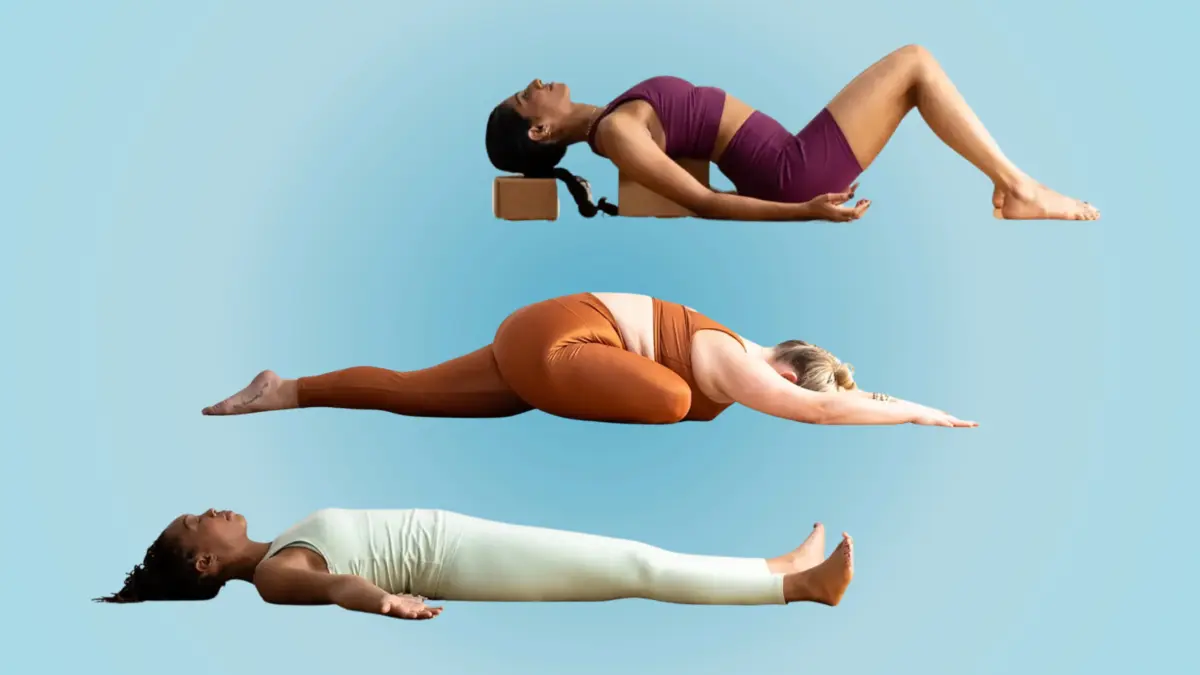
A specialized sequence of restorative and gentle yoga poses, heavily prioritized around comfort and physical support, offers a safe container for stillness and the potential release of complex emotions. For those for whom emotional processing feels entirely out of reach, these movements can simply provide a gentle, grounded place to rest.
The Landscape of Grief: Understanding Somatic Responses
To understand why physical movement can aid emotional recovery, researchers and mental health professionals look to how the human body stores and reacts to trauma and loss. When a person experiences significant loss, the nervous system often triggers a fight, flight, or freeze response.
The Physiological Toll of Heartbreak
Prolonged emotional distress manifests physically in myriad ways:
- Musculoskeletal Tension: Shoulders hunch, jaws clench, and the lower back tightens as a protective, defensive mechanism.
- Respiratory Shifts: Breathing typically becomes shallow and erratic, signaling the brain that the body remains under threat.
- Emotional Stagnation: Without an outlet, feelings of sadness, anger, or numbness can stagnate, creating a heavy, lethargic physical sensation often described as "carrying weight" in the chest or limbs.
Traditional talk therapy remains a cornerstone of grief recovery, but it engages primarily the cognitive centers of the brain. Somatic interventions—such as restorative yoga, breathwork, and mindful movement—bridge the gap between mind and body, allowing individuals to process what words often fail to capture.
Chronology of Grief: From Shock to Integration
Grief is rarely a linear path; rather, it is a dynamic cycle of waves that crash and recede unpredictably. Integrating somatic practices into this timeline requires meeting the body exactly where it is in any given moment.
Phase 1: The Immediate Aftermath (Shock and Numbness)
In the days immediately following a loss, the nervous system is frequently overloaded. During this phase, complex yoga routines or active Vinyasa flows can be overwhelming or even harmful.
- The Goal: Safety, grounding, and minimal stimulation.
- The Practice: Utilizing deeply supported, passive shapes—such as a heavily propped Child’s Pose or resting in Savasana with weighted blankets—helps signal to the brain that, for the present moment, the body is safe.
Phase 2: The Emergence of Movement (Processing and Stirring)
As the initial shock gives way to a clearer realization of absence, physical symptoms often peak. Restlessness, muscle aches, and sudden emotional surges characterize this period.
- The Goal: Gentle articulation and opening pathways for energy to move.
- The Practice: Introducing fluid, breath-synchronized movements like Cat-Cow or gentle heart-openers helps break up physical stagnation without forcing emotional catharsis prematurely.
Phase 3: Integration and Adaptation (Living With Loss)
Over time, the acute sharpness of grief shifts into an ongoing relationship with memory and absence.
- The Goal: Cultivating resilience, strength, and emotional flexibility.
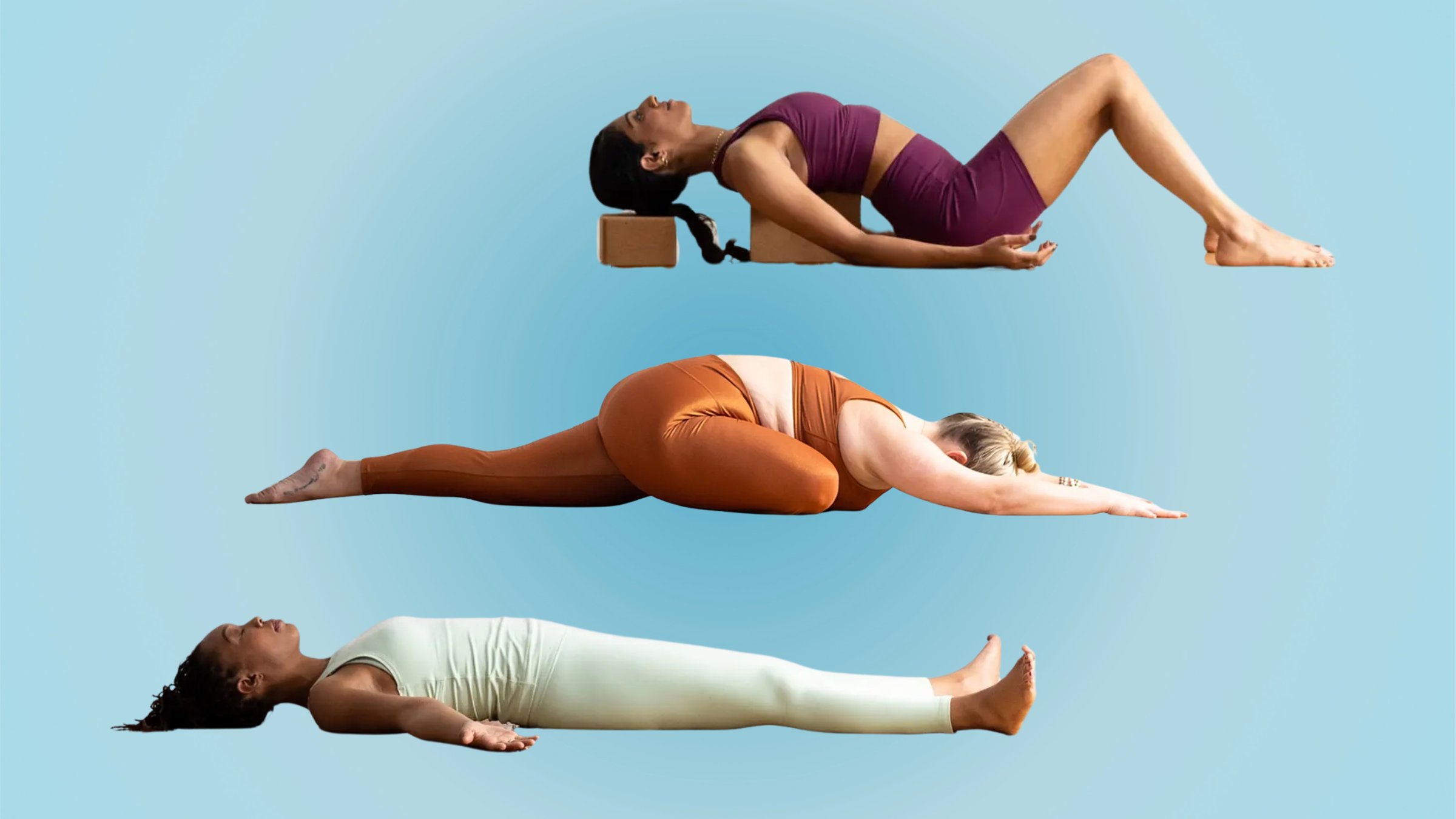
- The Practice: Deeper, more intentional postures—such as Supported Fish Pose or Pigeon Pose—allow for targeted release in areas historically known to store tension, such as the hips and chest.
Essential Props: Building a Container of Care
Before engaging in a grief-focused yoga practice, instructors emphasize the importance of gathering supportive props. Because grief depletes physical and emotional energy reserves, the body requires extra external assistance to fully let go.
- Blankets: Rolled or folded blankets can support the neck, fill gaps under the knees, or provide a comforting, weighted sensation across the torso.
- Bolsters and Firm Pillows: Essential for restorative postures, bolsters allow the spine and chest to open passively without straining overworked muscles.
- Yoga Blocks: Used to bring the floor closer to the body, blocks prevent overstretching and reduce physical strain during vulnerable moments.
6 Supportive Poses for Grief Release and Regulation
When stocking up on comfy props (think blankets, pillows, blocks, and bolsters) that can help you feel held in each of these shapes, remember to add and subtract support as you see fit.
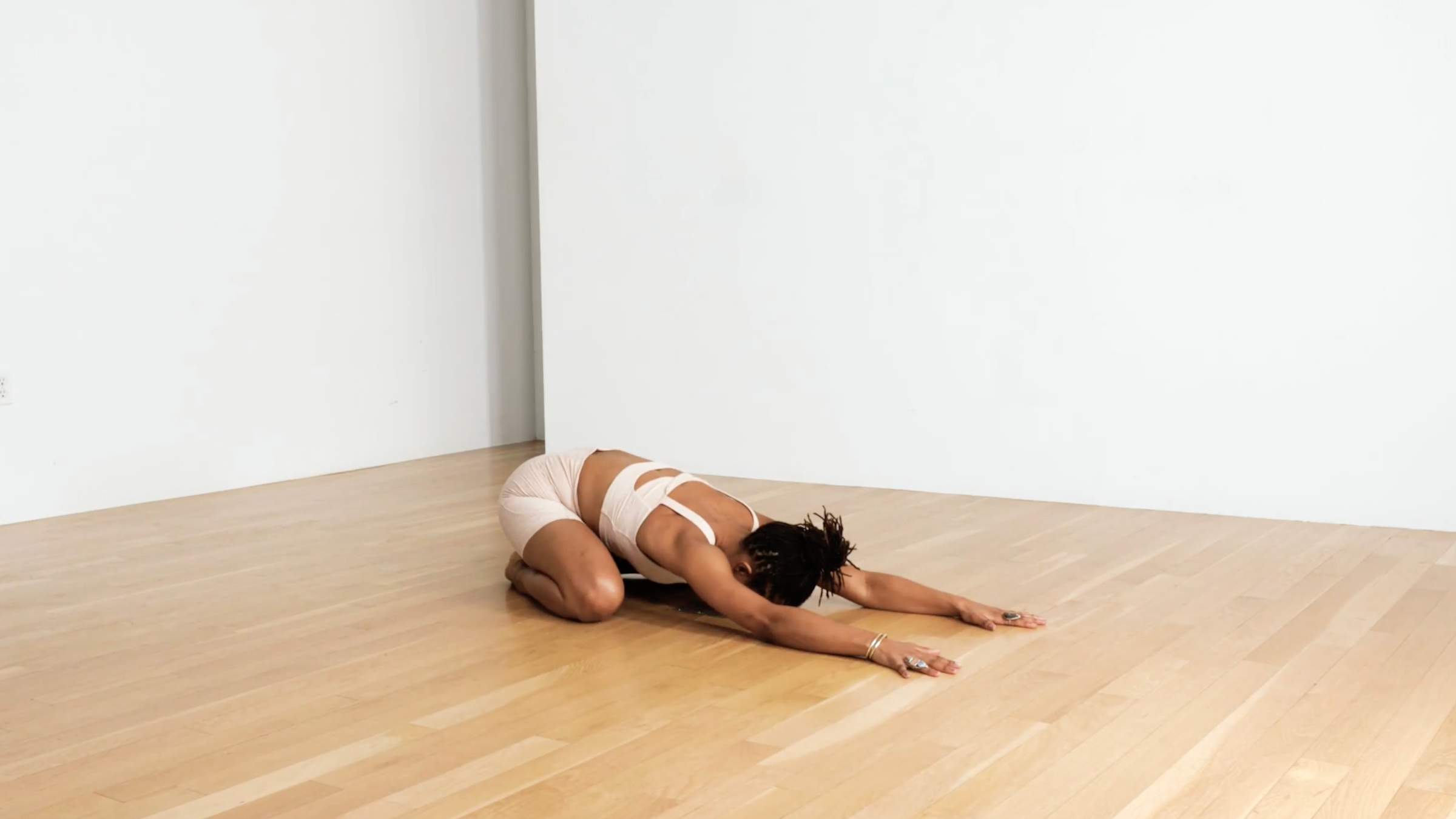
1. Child’s Pose (Balasana)
Child’s Pose is a true pause in physical form, making this shape—much like grief, unfortunately—a profound study in surrender. As you spend time sitting back, reaching forward, and trying to let it all go, try to cultivate radical patience with yourself as you navigate life’s darker moments.
- How to practice: Kneel on the floor with your big toes touching and knees spread wide apart or close together, depending on what feels most comforting for your lower back. Sit your hips back toward your heels, then slowly fold your torso forward, resting your forehead on the mat or a stacked pile of blankets.
- Energetic focus: Total surrender and inward reflection.
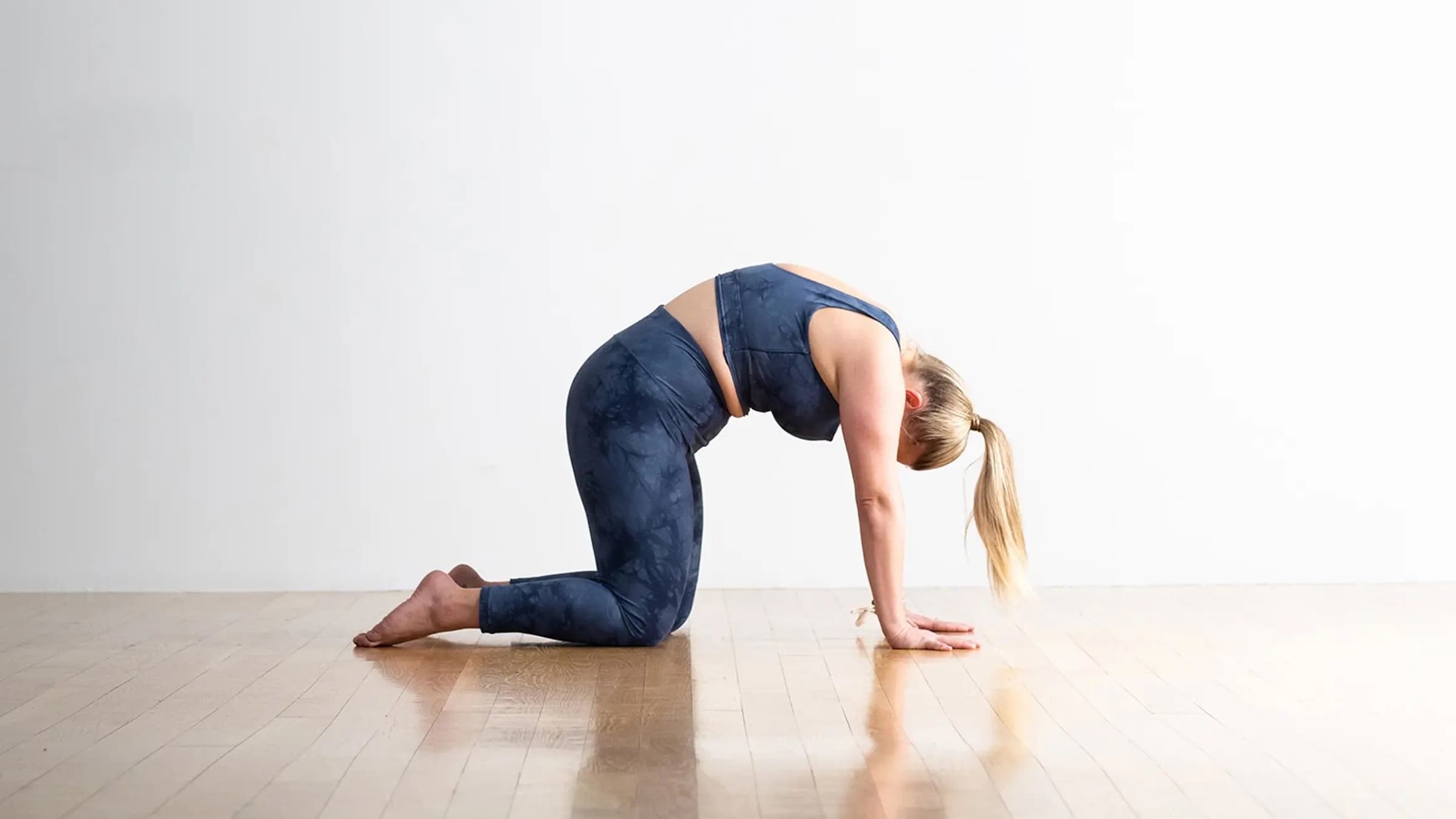
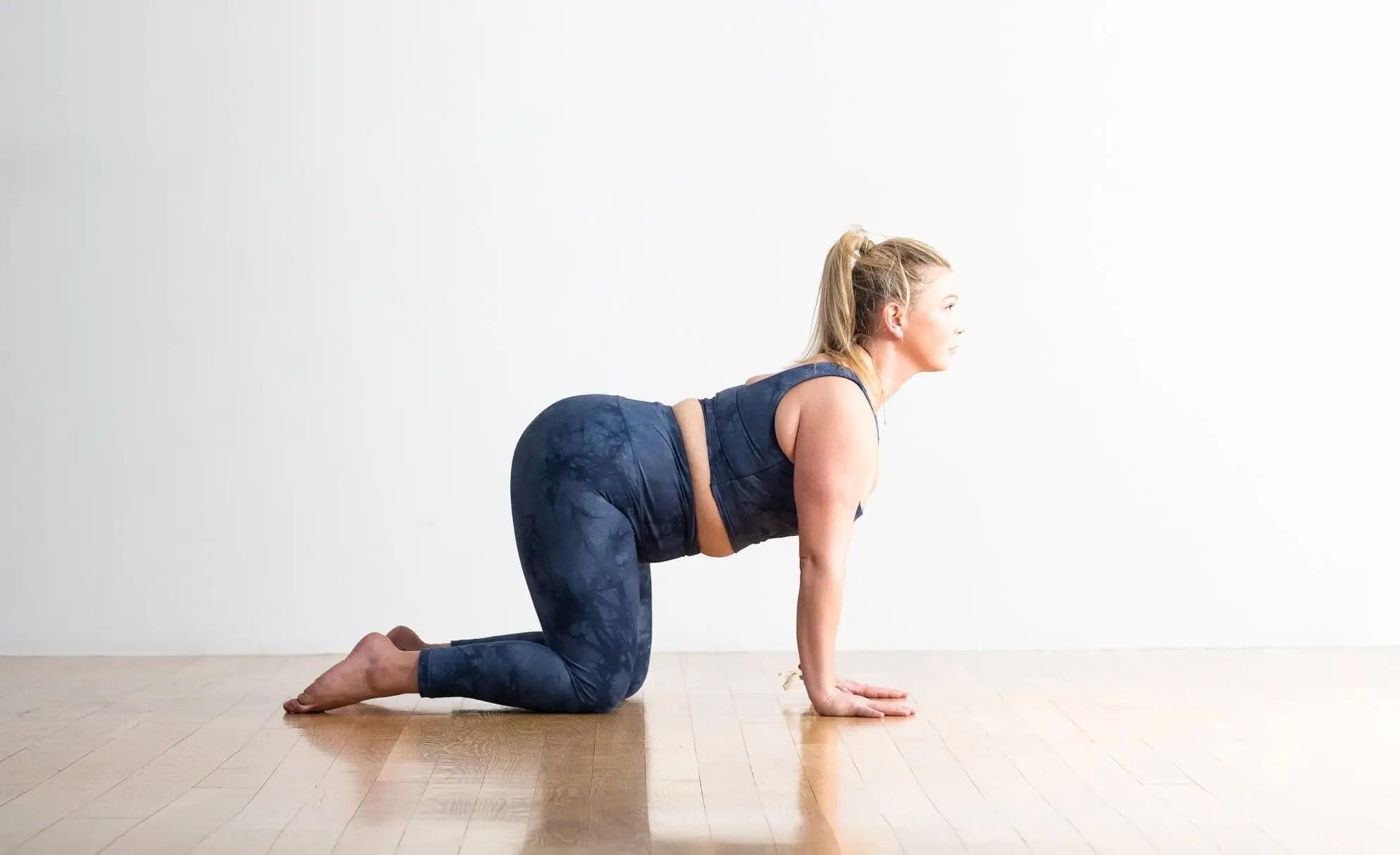
2. Cat-Cow (Marjaryasana-Bitilasana)
Matching your movement with your breath is an exceptionally effective means of tuning back into your body and your emotions.
- Cat Pose asks you to round your back toward the ceiling and tuck your chin toward your chest, signaling physical and emotional surrender and release. This shape is typically paired with a deep, deliberate exhalation.
- Cow Pose teams with your inhalation, bringing your spine into a gentle arch, lifting your gaze, and opening your chest. This helps you gather the fresh air and physical expansion you need to make your next move.
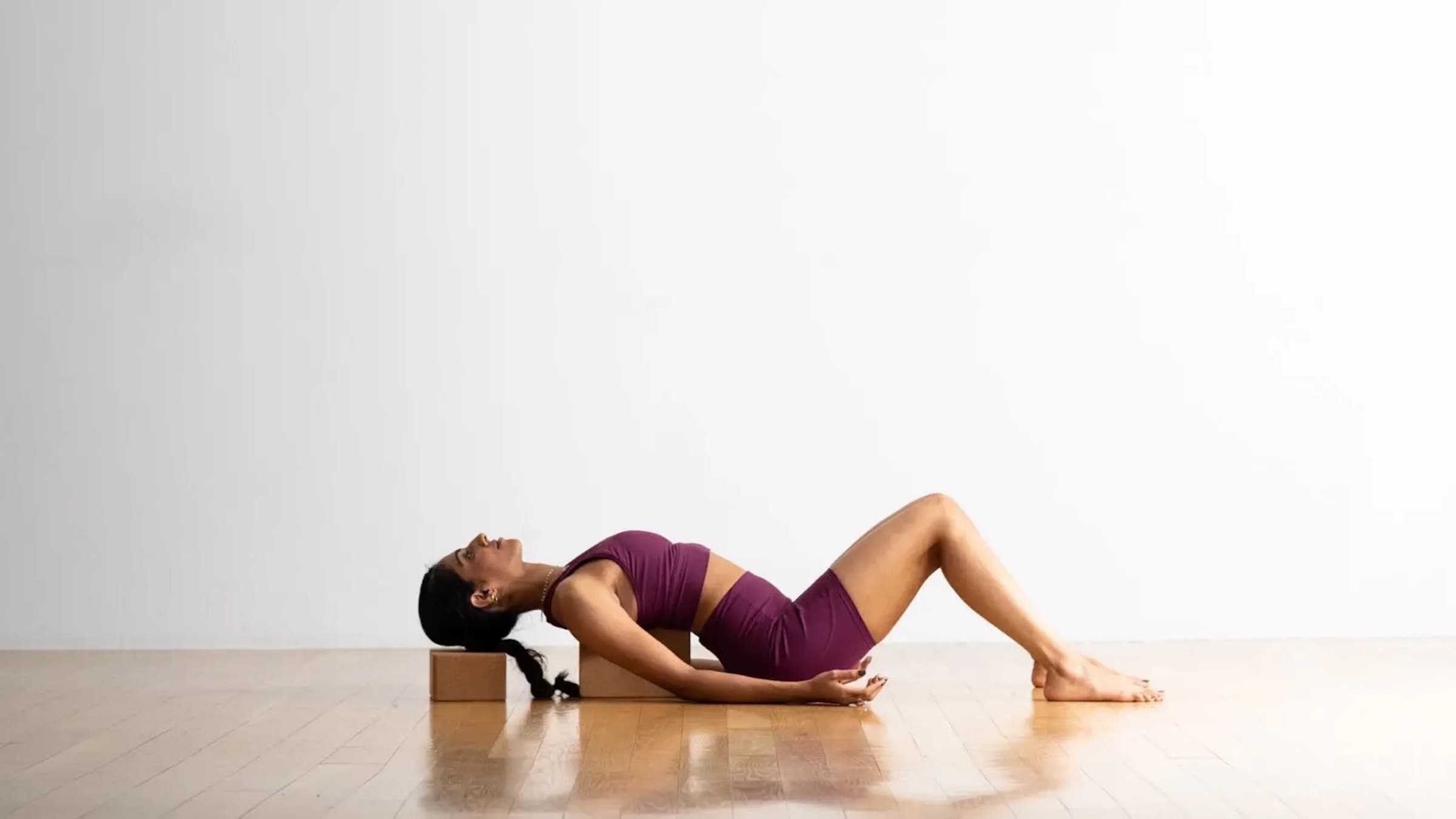
3. Supported Fish Pose (Matsyasana)
Opening your heart space helps make room for emotional release—even if that release does not happen right away. The supported version of Fish Pose opens your chest and heart in a gentle, non-threatening manner, signaling internal strength and making physical room for your feelings to eventually flow.
- How to practice: Place a block or rolled blanket horizontally across your mat, positioning it where your mid-back (thoracic spine) will rest. Place a second block or pillow to support your head. Gently lay back over the support, letting your arms splay out to the sides with palms facing upward.
- Bonus benefit: Fish Pose naturally opens the throat chakra (Vishuddha). If there are words left unsaid or truths you need to voice as you work through your loss, this posture can help unblock that physical and energetic channel.
4. Pigeon Pose (Eka Pada Rajakapotasana)
It is a widely accepted principle in somatic therapy that the hips store difficult-to-process, subconscious emotions. Pigeon Pose stands out as one of the most intense hip openers in the traditional yoga repertoire. When held for an extended duration—such as 3 to 5 minutes, as practiced in Yin yoga—even the stickiest, most deeply buried feelings can begin the journey of moving through and out of the body.
- How to practice: From a tabletop position, bring your right knee forward and place it behind your right wrist, angling your right foot toward your left hip. Extend your left leg straight back behind you. Slowly lower your hips toward the floor (using a block or blanket under your right hip for support if needed) and fold your torso forward over your front leg.
- Navigating intensity: That physical intensity can be a healthy grounding distraction, offering a tangible focus while you process grief passively. However, if you experience more than a mild, manageable discomfort, ease your way out or modify the shape into a reclining figure-four stretch.
5. Savasana (Corpse Pose)
There is a valid reason Savasana is considered by many teachers to be yoga’s most essential pose. Lying flat on your back with your limbs comfortably splayed gives your mind and your physical body the necessary room to find stillness and ultimate integration.
- How to practice: Lie flat on your back, letting your feet fall open naturally. Allow your arms to rest a few inches away from your torso with your palms facing up toward the ceiling. Cover your eyes with an eye pillow and drape a heavy blanket over your body for added proprioceptive grounding.
- A note on stillness: Though you may feel tempted to skip straight to this pose, recognize that Savasana is deceptively simple. Complete stillness is not always what a grieving mind needs first. However, whenever you feel genuinely ready, Savasana—and the solid ground beneath you—will hold you securely as you heal.
Supporting Data and Professional Insights
Clinical studies surrounding somatic therapies and trauma-informed yoga consistently point toward physical movement as a vital complementary tool for psychological healing.
- Nervous System Regulation: According to clinical psychology research published in somatic journals, gentle, weight-bearing postures significantly reduce cortisol levels and downregulate sympathetic nervous system activity within 20 minutes of practice.
- Proprioceptive Awareness: Grieving individuals frequently report feelings of "detachment from reality" or depersonalization. Postures that engage deep joints—such as Pigeon Pose and Child’s Pose—stimulate proprioceptors, helping individuals reconnect with the physical boundaries of their bodies.
- Holistic Recovery Frameworks: Leading grief support centers increasingly recommend integrating gentle movement alongside traditional psychotherapy, noting that physical release prevents emotional stress from solidifying into chronic somatic pain conditions, such as fibromyalgia or tension headaches.
Official Responses and Expert Recommendations
Mental health professionals, grief counselors, and certified yoga therapists emphasize that while these practices offer profound comfort, they are not a substitute for clinical psychological care when grief becomes overwhelming or complicated.
"When words fail us, our bodies still speak," notes Dr. Elena Vance, a somatic psychologist specializing in trauma and loss recovery. "Yoga does not fix grief. Grief is not something to be ‘fixed’ or cured; it is an experience to be lived through. What these gentle movements do is offer the nervous system a safe harbor. They give the body permission to shake, soften, and hold space for emotions that our rational minds try to lock away."
Certified yoga therapists recommend the following guidelines for anyone turning to movement during a period of loss:
- Remove Expectations: Let go of what a pose "should" look like. Modify every shape heavily with props.
- Prioritize Comfort over Alignment: Aesthetic perfection is irrelevant. The only metric of success is whether the body feels safer and more supported than it did before you started.
- Honor the Waves: If an emotion arises—whether it is tears, anger, or sudden exhaustion—allow it space. Stop practicing immediately if the emotional release becomes too intense, and return to simple, resting shapes like Savasana or fetal position.
Implications and Moving Forward
Grief alters the architecture of daily life, changing how individuals interact with their environment, their memories, and themselves. While the journey through loss cannot be rushed or bypassed, incorporating somatic practices into the healing process offers a compassionate roadmap.
By honoring the body as an active participant in emotional recovery, individuals grieving a loss can find moments of physical relief amidst the emotional storm. Whether through the quiet surrender of Child’s Pose, the steady breathwork of Cat-Cow, or the profound integration of Savasana, these ancient tools remind the grieving heart of a fundamental truth: even in the densest fog, the body remains resilient, capable of finding rest, and ultimately, ready to heal.
