

Macro wildlife photography has long been celebrated as one of the most exciting and rewarding disciplines in the photographic hobby. By narrowing our optical focus to the miniature world, we uncover intricate details that are routinely overlooked by the naked human eye. From the microscopic architecture of a flower petal to the alien features of an insect, close-up photography produces captivating imagery of a realm most people never truly see.
While traditional macro portfolios are overwhelmingly dominated by jumping spiders, colorful beetles, and dew-soaked flora, a broader, more adventurous frontier awaits. Stepping beyond standard bugs and blooms opens the door to a diverse ecosystem of neglected subjects: cold-blooded reptiles, delicate amphibians, elusive mammals, intricate avian details, vibrant marine life, and stationary fungi.
Mastering this specialized discipline requires a blend of targeted equipment, field techniques, and—above all—an unwavering commitment to ethical wildlife practices.
Beyond Bugs: Exploring Overlooked Macro Subjects
The great news for nature photographers is that photo-worthy subjects are everywhere, provided you know where to look. While insects remain a staple of the craft, the macro subject library extends far beyond the backyard anthill.

Reptiles and Amphibians
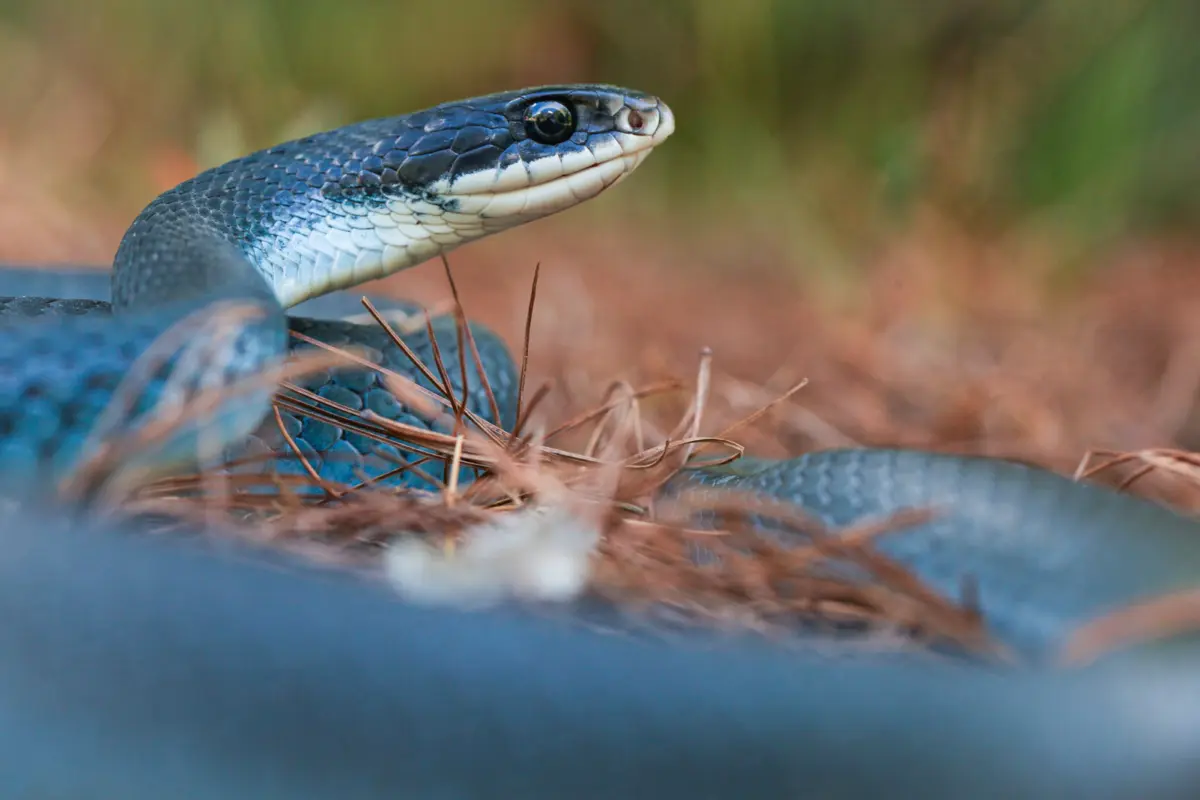
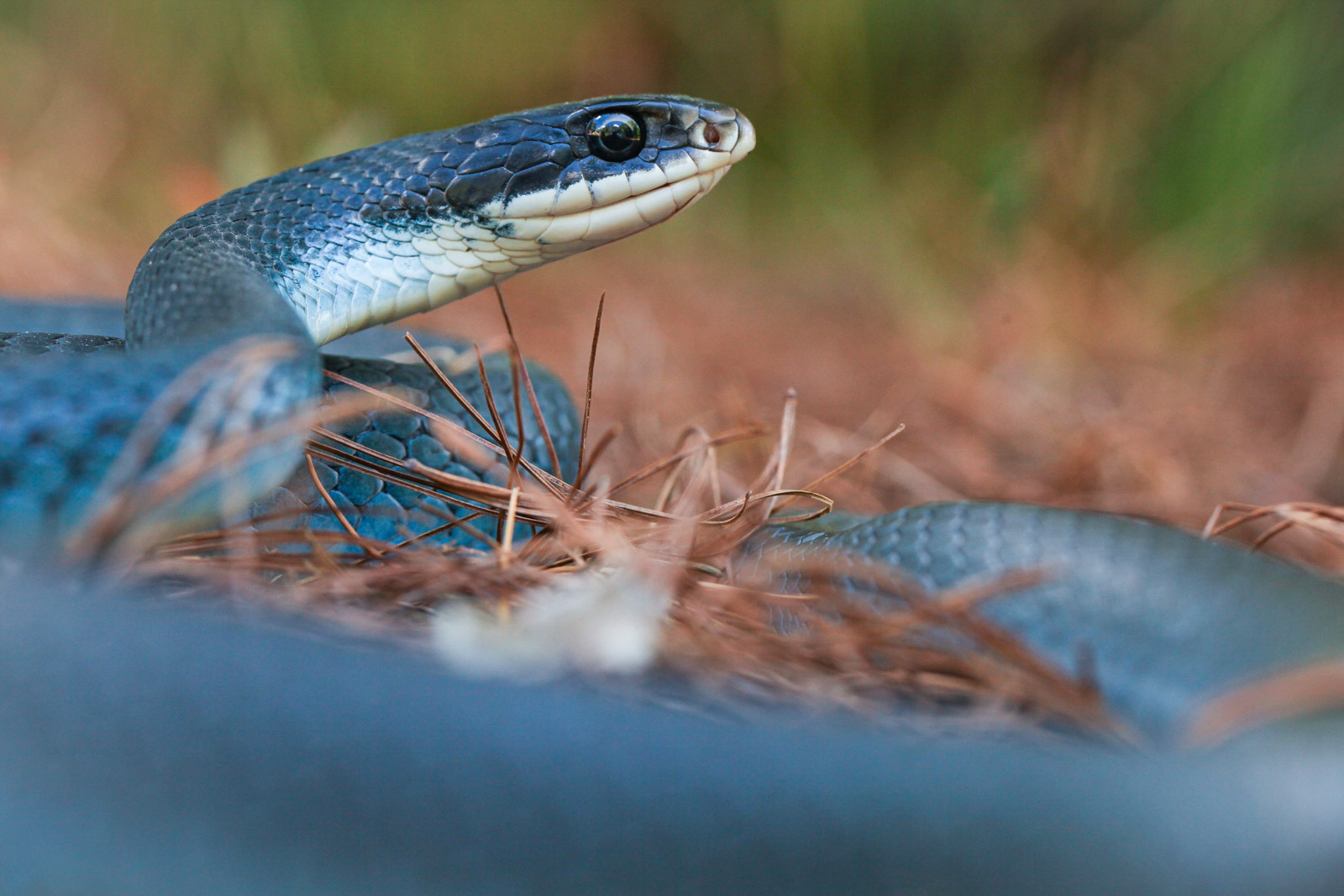
Snakes, lizards, and other scaled creatures are prime candidates for macro-level investigation. Covered in complex textures, geometric patterns, and often featuring iridescent, rainbow-reflective skin scales, cold-blooded animals offer incredible graphic potential. Capturing the slit pupil of a toad or the beaded texture of a gila monster transforms these often-misunderstood animals into high-art subjects.
Avian Close-Ups
While bird photography is traditionally associated with long telephoto lenses capturing subjects at a distance, macro opportunities present themselves in unexpected ways. Feather barbs, razor-sharp talons, hooked beaks, and the startling geometry of avian eyes provide intimate, highly detailed portraits that challenge conventional bird-watching perspectives.

Mammalian Micro-Portraits
Similarly to birds, mammalian subjects are often fleeting, requiring immense patience. However, mammalian macro photography is entirely viable when focusing on specific anatomical features. The coarse architecture of guard hairs, the sensitive geometry of whiskers, and the reflective moisture of a nose or eye offer rich textural landscapes.
Marine Life and Underwater Worlds
Equipped with a robust underwater housing setup, a whole new universe of macro subjects emerges beneath the surface. Marine environments host nudibranchs, tiny crustaceans, and specialized fish that boast vibrant color palettes and bizarre adaptations. Because of their minute size and sub-aquatic locations, these marine macro subjects remain largely undocumented by casual observers.

Fungi and Botanical Textures
Perhaps one of the most overlooked subjects is also one of the most accessible: fungi. Because mushrooms and bracket fungi are stationary, they remove the unpredictable element of sudden flight or movement. Fungi boast fascinating gill structures, porous surfaces, and unusual textures that, when framed through a macro lens, yield striking, abstract imagery.
Essential Gear for Macro Wildlife Photography
Achieving high-end results in macro wildlife photography requires more than just pointing a standard camera at a tiny subject. To bridge the gap between human vision and microscopic reality, specific equipment investments are necessary.

Macro-Capable Lenses
To capture edge-to-edge, frame-filling close-ups, a dedicated macro lens capable of 1:1 (life-size) reproduction is invaluable. True macro lenses offer flat field focus, ensuring the edges of your subject are just as sharp as the center. For photographers on a budget, extension tubes or high-quality close-up diopter filters mounted on existing lenses offer a cost-effective gateway to magnification without a total system overhaul.
Lighting: Flash and Diffusion
In macro photography, light is often more critical than the lens itself. Because macro lenses require high f-numbers (narrow apertures) to maintain an acceptable plane of focus, they let in very little ambient light.

- Off-Camera Flash: While built-in camera pop-up flashes can work in a pinch, they cast harsh, frontal light and limit creative angles. An off-camera flash or dedicated twin-macro flash setup allows photographers to sculpt light dynamically.
- Diffusers: Hard flash light creates unappealing specular highlights and harsh shadows. Utilizing a collapsible softbox or a dedicated diffuser softens the light source, wrapping it smoothly around the subject to reveal natural textures.
Core Techniques for Small-Subject Mastery
Even with top-tier gear, capturing a compelling macro photograph demands precise field techniques.
Camera Stabilization Without Tripods
While traditional studio macro or botanical photography benefits from a sturdy tripod, small-subject wildlife photography often requires rapid mobility. Holding a camera body with two hands while mounting a flash to the rig is standard practice for dynamic field conditions. For ground-dwelling subjects like frogs or snakes, utilizing a beanbag or a folded towel under the camera body provides a flexible, low-angle stabilization solution.

Advanced Lighting Placement
Experimentation is key to developing a signature style. Starting with a flash mounted directly to the camera shoe helps build baseline competency. From there, moving the flash off-camera—positioning it above, to the side, or even behind the subject—introduces dramatic shadow play. Backlighting can illuminate translucent wings or jelly-like amphibian skin, while side-lighting accentuates rugged scales and fur textures.
Focusing Strategies and Aperture Selection
Autofocus systems can struggle in the shallow depth-of-field world of macro. While AI focus modes help track slow-moving creatures, many macro purists rely on manual focus, rocking the camera slightly forward and backward until the critical focal point—usually the eye of the animal—is razor-sharp.

Aperture selection is equally vital. A reliable starting point for small-subject macro is f/11, balancing diffraction limitations with enough depth of field to keep the primary subject distinguishable from the background.
The Imperative of RAW Capture
Shooting in RAW format is non-negotiable for serious macro practitioners. Wildlife encounters are notoriously fleeting, leaving little time to dial in perfect exposure in the field. RAW files capture uncompressed sensor data, providing the dynamic range and color latitude needed to recover shadow detail, adjust white balance, and sharpen fine details during post-processing.

Cultivating Patience
The most critical tool in a macro photographer’s kit is mental resilience. Equipment will malfunction, subjects will bolt milliseconds before shutter release, and lighting will fail. Cultivating patience allows photographers to reset, analyze mistakes, and approach the next subject with a calm, methodical mindset.
Ethical Considerations in Macro Wildlife
With great magnification comes great responsibility. The welfare of the plant or animal must always supersede the desire for a viral photograph. No image justifies causing stress, injury, or habitat destruction to a living creature.

- Minimize Disturbance: The best wildlife photographers are virtually invisible. Avoid chasing, prodding, or artificially moving animals into "better" positions. Practicing controlled macro techniques at home using inanimate models builds the speed and efficiency needed to minimize field disturbance.
- Understand Your Subject: Research the species before entering the field. Know whether an animal is legally protected, venomous, or exceptionally fragile. Handling amphibians, for instance, can transfer harmful oils and chemicals from human skin through their permeable skin.
Prioritizing animal welfare sets a professional standard within the community and ensures that local ecosystems remain healthy and vibrant for future generations of naturalists and photographers.
Implications and the Road Ahead
Venturing into macro wildlife photography does more than just populate a hard drive with striking imagery; it fundamentally alters how we perceive the natural world. By training our eyes to seek out the overlooked—the spiraling gills of a mushroom, the jeweled scales of a garden snake, or the velvet whiskers of a woodland mouse—we develop a profound appreciation for the micro-ecosystems sustaining our planet.

As digital sensors improve and macro optics become increasingly sophisticated, the barrier to entry lowers, inviting a new generation of visual storytellers to document the earth’s smallest inhabitants. Whether you are exploring a remote tropical rainforest or turning over logs in a suburban backyard, an extraordinary, unseen universe is waiting just beneath your feet.
