

Main Facts: Redefining the Microscopic World
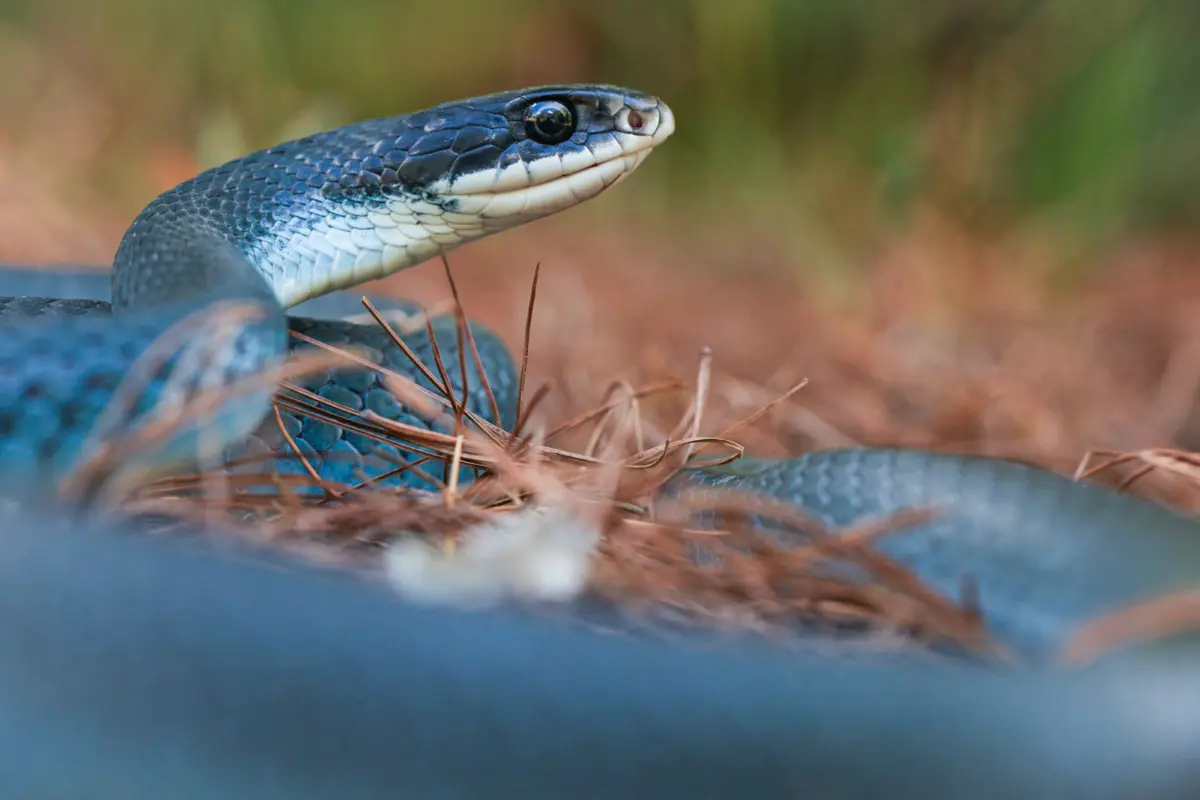
Macro wildlife photography has long been synonymous with colorful flower petals and dew-drenched insects. However, a major shift in the photographic community is expanding the boundaries of this discipline. Photographers are increasingly training their specialized lenses on unconventional, overlooked subjects—ranging from reptilian scales and amphibian skin to intricate bird feathers, mammalian whiskers, and abstract fungal textures.
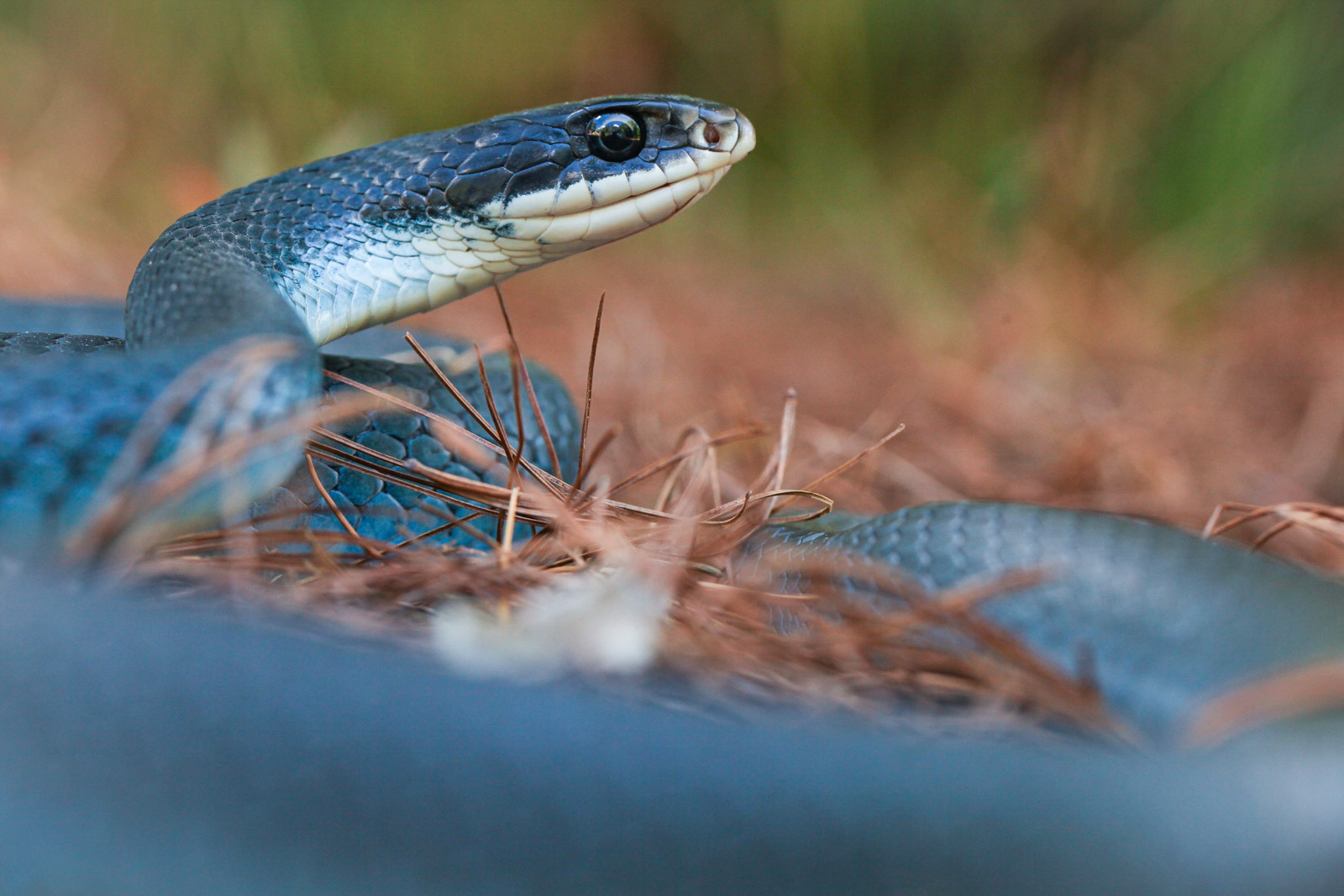
This specialized branch of nature photography requires a distinct fusion of advanced optical gear, deliberate lighting control, field craft, and unwavering patience. Rather than relying on heavy, stationary tripod setups common in landscape photography, modern macro practitioners are embracing agile, handheld techniques equipped with off-camera flashes and soft diffusers to capture fleeting, hyper-detailed moments in nature.

Chronology: The Evolution of Close-Up Nature Exploration
The trajectory of macro wildlife photography mirrors the broader democratization of digital imaging technology.

- Early Era: Historically, close-up photography was limited to scientific documentation or studio setups requiring cumbersome bellows, specialized film stocks, and long exposures. Field macro was largely inaccessible to the average enthusiast.
- The Digital Revolution: The introduction of affordable DSLR and mirrorless cameras, coupled with dedicated macro lenses, allowed hobbyists to venture outdoors and instantly review their shots, drastically shortening the learning curve.
- The Rise of Portable Lighting: As lightweight, high-speed flash units and collapsible diffusers became widely available, photographers broke free from strict tripod constraints. This enabled dynamic, handheld shooting in unpredictable environments like dense undergrowth and shallow waters.
- The Modern Movement: Today, the discipline has expanded past the traditional "bug-and-bloom" formula. Content creators and field experts are utilizing macro gear to document micro-habitats in backyards, rainforests, and marine ecosystems, focusing on textures, abstract patterns, and behavioral nuances of non-insect wildlife.
Supporting Data & Technical Equipment Breakdown
Achieving professional-grade macro imagery requires understanding both the physics of extreme close-ups and the gear necessary to execute them. At a magnification ratio of 1:1 (life-size on the sensor) or greater, technical challenges multiply exponentially, particularly regarding light gathering and shallow depth of field.

Essential Gear Arsenal
- Macro-Capable Lenses: True macro lenses (typically ranging from 60mm to 105mm or longer) allow for extreme close focusing distances while maintaining sharpness across the frame. For beginners on a budget, extension tubes or close-up diopter filters offer a cost-effective entry point without requiring a brand-new lens investment.
- Flash and Diffusion Units: Ambient light is rarely sufficient for high-magnification photography due to the narrow apertures required to keep a subject in focus. An off-camera flash or specialized ring light combined with a foldable diffuser or softbox is mandatory to eliminate harsh shadows and render natural-looking, even illumination.
- Stabilization Alternatives: While tripods have their place, small-subject wildlife photography favors mobility. Handholding the camera with two hands and mounting the flash directly to the body or utilizing a beanbag for ground-dwelling subjects provides the necessary flexibility.
Core Technical Parameters
- Aperture Selection: A standard starting point for small-subject macro is f/11. This strikes a balance between maximizing the plane of focus (depth of field) and avoiding diffraction, which softens images at extreme narrow apertures like f/22.
- Focusing Modes: Manual focusing is frequently favored by professionals for absolute control over the exact point of sharpness—usually locking onto a critical anchor point like an animal’s eye, a single feather barb, or the edge of a scale.
- File Formats: Shooting exclusively in RAW is non-negotiable. Because macro field encounters are often brief and unpredictable, RAW files provide the dynamic range and data necessary to recover shadow details and correct exposure errors during post-processing.
Official Guidelines: Navigating Ethics in the Field
As macro photography gains popularity, professional organizations, wildlife biologists, and ethical nature photographers emphasize that the welfare of the subject must always supersede the desire for a compelling image. No photograph justifies causing physical harm, stress, or habitat disruption to an animal.

Key Ethical Pillars for Macro Practitioners
- Minimize Disturbance: Elite macro photographers operate with high efficiency, utilizing controlled practice at home to master their gear so that time spent near live animals in the wild is kept to an absolute absolute minimum. Avoid handling, moving, or artificially cooling ectothermic (cold-blooded) animals to make them docile.
- Species Awareness: Entering a habitat requires preparation. Photographers must educate themselves on local field guides to recognize venomous, poisonous, or legally protected species. Knowing an animal’s natural behavior ensures that the photographer maintains a safe, stress-free distance.
- Environmental Preservation: Careless foot placement or crushing delicate undergrowth to secure a low angle can destroy micro-ecosystems and fungal networks. Tread lightly and leave the environment exactly as it was found.
Implications: Changing Perspectives on the Natural World
The broader adoption of overlooked macro wildlife photography carries profound implications for both individual photographers and environmental conservation as a whole.

For the practitioner, diving into the micro-world fundamentally rewires how one interacts with nature. Walks that once seemed mundane—a stroll through a suburban garden, a hike through a dry woodland, or a splash in a tidal pool—transform into treasure hunts. Photographers develop a heightened sense of observation, noticing intricate textures, structural marvels, and behavioral complexities that go completely unnoticed by the casual observer.

On a societal level, macro imagery serves as a powerful visual bridge for conservation. Insects, amphibians, reptiles, and fungi often suffer from public apathy or aversion. By revealing the mesmerizing, alien beauty of a jumping spider’s iridescent eyes, the geometric precision of a snake’s scales, or the abstract topography of forest fungi, macro photographers spark curiosity and empathy. When people are introduced to the hidden details of biodiversity, they are far more likely to champion the preservation of the fragile ecosystems that sustain them.
