

Main Facts
In the competitive and visually demanding world of nature photography, the transition from an enthusiastic amateur to a recognized professional is rarely a straight line. It is a journey defined by technical mastery, profound patience, and moments of serendipity. This reality is vividly embodied in the career of Victor Soares, a South African-born wildlife photographer whose work has garnered international acclaim, prestigious award recognition, and publication in leading global outlets.
Now based in the United Kingdom, Soares splits his time between leading specialized wildlife photography tours across Europe and Africa and capturing intimate portraits of the natural world. His trajectory took a definitive professional turn in 2024, when a corporate layoff from his long-standing career as an engineer served as the catalyst to fully embrace wildlife photography as a full-time livelihood. Part of Nature TTL’s ongoing interview series, “From Amateur to Professional,” Soares’s story offers a masterclass in perseverance, artistic evolution, and the deep emotional connection required to capture the soul of the wild.
Chronology: Two Decades Behind the Lens
The Accidental Beginning (2004–2006)
Soares’s deep appreciation for nature was forged during his upbringing in South Africa, a country renowned for its biodiversity. However, his entry into photography was initially accidental. In 2004, prompted by the advent of digital photography and a desire to document family holidays, he purchased his first digital SLR camera—a Canon 300D.
A routine visit to a local photo lab in Kruger Park to pick up prints changed the trajectory of his life. The lab owner, Johan Combrink, an avid wildlife photographer, noticed Soares admiring a striking print of a Cattle Egret. When Soares impulsively remarked, "I want to take photos like that," Combrink issued a life-changing invitation: "Then come back here tomorrow with your camera, and I will show you a few things."
This impromptu mentorship laid the technical foundation for Soares’s craft, teaching him the fundamentals of camera handling, exposure, and post-processing without formal financial transactions, but demanding immense dedication in return.
Early Milestones and the 2012 Breakthrough
Armed with upgraded gear—including a Canon Rebel XT gifted by a friend in 2006—Soares began refining his portfolio during subsequent trips to Kruger National Park. While early images were constrained by the technological limitations of early digital sensors (such as strict ISO limits to avoid noise), his artistic vision sharpened.

A major psychological and professional turning point arrived in 2012. Out of more than 48,000 global submissions, one of Soares’s wildlife images reached the final round of the prestigious Natural History Museum Wildlife Photographer of the Year Awards (then known as the Veolia Environmental Awards). Though the image did not secure a final gallery spot, the validation instilled a profound sense of self-belief. "It was a moment in my photographic career where I felt, ‘Maybe I am good enough… maybe,’" Soares reflects.
Relocation and the UK Chapter (2016–2023)
In 2016, Soares relocated to the United Kingdom, moving to London in 2018. This geographical shift required a radical reimagining of his portfolio. Rather than exotic African megafauna, he began focusing on local British wildlife, notably urban red foxes and the annual autumnal deer rut.

During these years, photography remained a passionate side pursuit while he worked full-time as an engineer. By 2023, he began dipping his toes into commercial instruction, guiding small groups on photographic excursions in his spare time.
The Professional Leap (2024)
The definitive pivot to full-time professionalism occurred in early 2024. Amid corporate restructuring and a sudden company downsizing, Soares’s engineering position was made redundant. Backed by the unwavering support of his wife—whom he describes as his greatest champion—Soares declined to re-enter the corporate engineering sector. Instead, he channeled his severance and decades of built-up expertise into establishing himself as a full-time professional wildlife photographer and tour leader.

Supporting Data: Evolution of Technique and Gear
Soares’s photographic journey mirrors the rapid technological advancements of the digital photography era over the last twenty years.
- Gear Progression: Starting with the entry-level Canon 300D and restricted to low ISO settings (rarely exceeding ISO 400 due to digital noise constraints), Soares’s toolkit has evolved significantly. Today, his signature style relies on high-end specialized glass, notably the Canon EF 300mm f/2.8 lens, which allows him to achieve remarkably shallow depths of field and isolate subjects cleanly against soft, painterly backgrounds.
- Shooting Methodology:
- Transition to Manual: Early shots relied heavily on Aperture Priority (Av) modes. Modern workflows heavily emphasize full Manual mode to maintain absolute creative control over light and exposure.
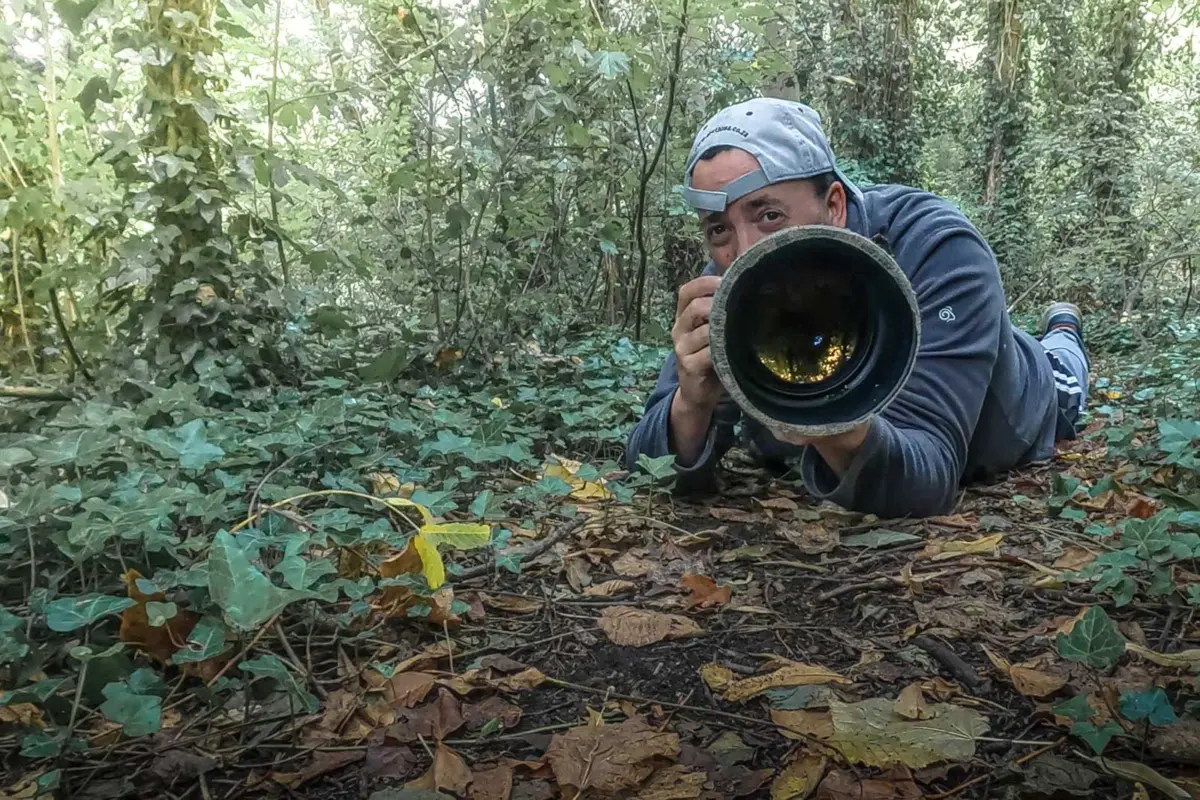
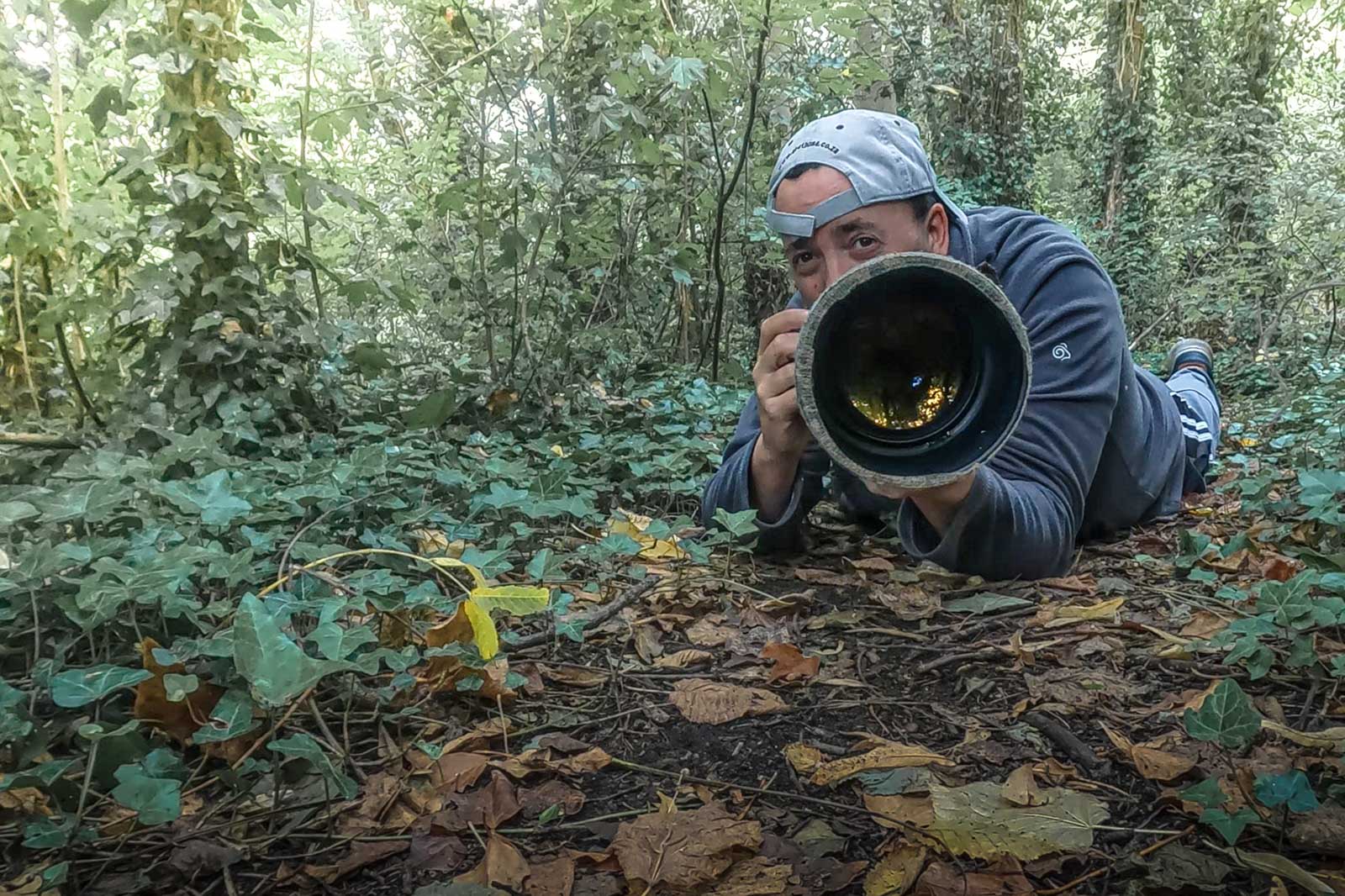
- Perspective: Soares heavily advocates for "low-down" photography—shooting from ground level to establish an intimate, eye-level connection with the subject, humanizing animals through the lens.
- Emotional Storytelling: Rather than prioritizing edge-to-edge sharpness across the entire frame, Soares focuses on pinpointing the focal interest and capturing raw animal emotions—ranging from the calm and cunning to the desperate and eager.
Official Responses and Reflections
Throughout his interviews and public engagements, Soares places heavy emphasis on the psychological hurdles inherent in creative industries. Reflecting on his mentors and the broader photographic community, he notes the dangers of comparing oneself to industry icons:

"The biggest challenge for me, by far, was finding the motivation to keep going. It’s hard to be surrounded by such impressive work from others and feel that you are simply not good enough… What I have learnt is that you place these photographers on that pedestal yourself; that’s why they are role models."
When asked what advice he would offer his younger self, Soares distills his philosophy into a single word: patience.

"When we embark on any journey, especially today, we demand immediate results… We seldom reflect on what we are doing right now and how far we’ve already come. I was no different, often measuring my progress by a new camera feature rather than my ability to take photographs… Be patient. Take time to learn the art and basics of photography—they will endure much more than any feature ever will."
Implications for Aspiring Wildlife Photographers
Victor Soares’s transition from a South African amateur clutching an entry-level DSLR to an internationally recognized professional leading African safaris and European workshops holds several key takeaways for the modern creative:

- De-emphasize Equipment Obsession: Modern camera bodies offer unprecedented autofocus tracking and high frames-per-second rates, but Soares stresses that technical features are useless without foundational fieldcraft. Understanding animal behavior, predicting movement, and reading natural light remain paramount.
- Embrace Community and Critique: Despite decades of experience, Soares maintains membership in local camera clubs and actively seeks out peer review. He warns creators not to shy away from constructive criticism, viewing both praise and negative feedback as equal fuel for artistic development.
- Resilience in Career Shifts: Soares’s story demonstrates that life-altering disruptions—such as unexpected job redundancies—can act as forced catalysts for pursuing long-suppressed passions, provided there is a solid bedrock of skill, preparation, and emotional support.
Ultimately, Soares views wildlife photography not as a race toward a final destination, but as an unending, lifelong journey of learning, observation, and deep-seated appreciation for the natural world.
