

Main Facts: The Enigmatic World of Owl Photography
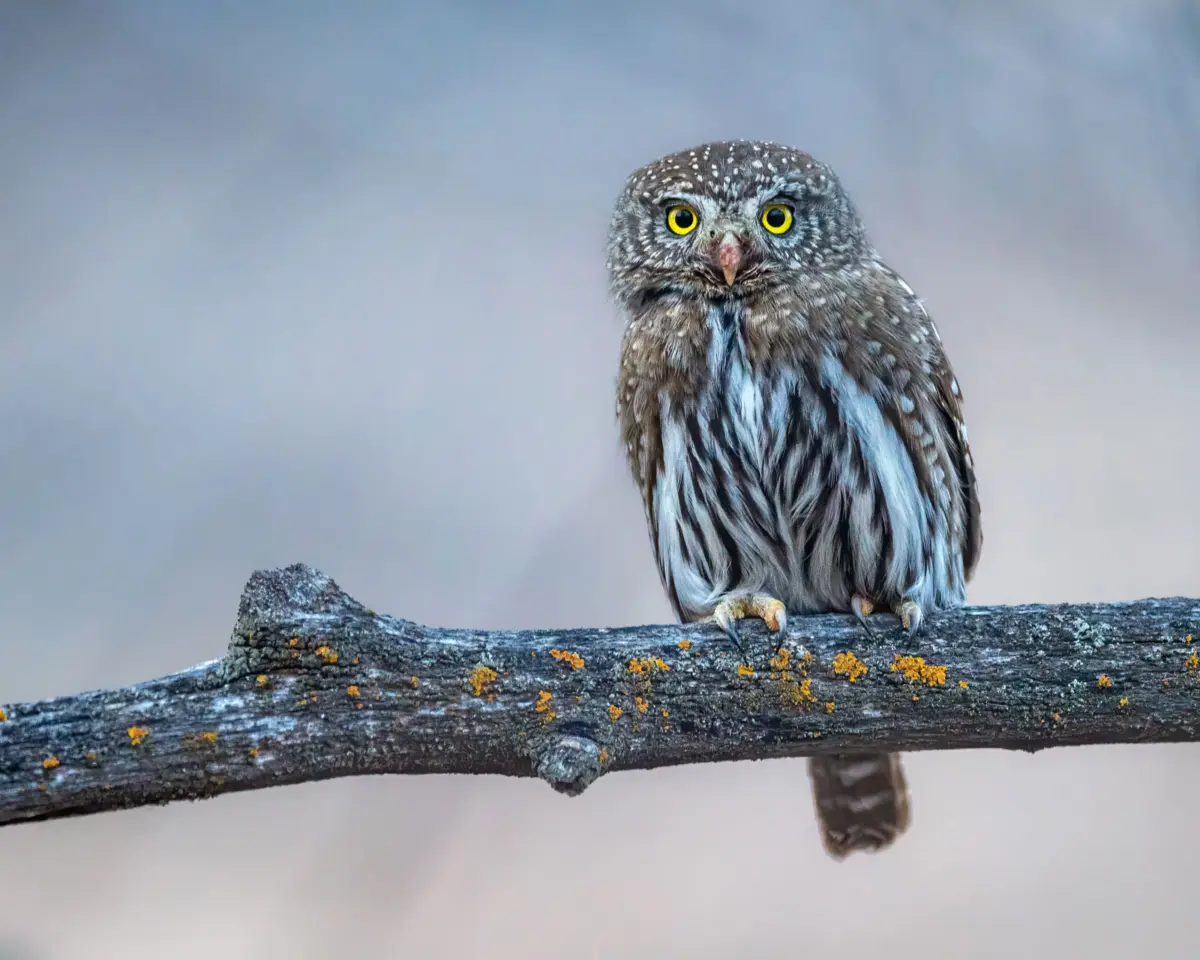
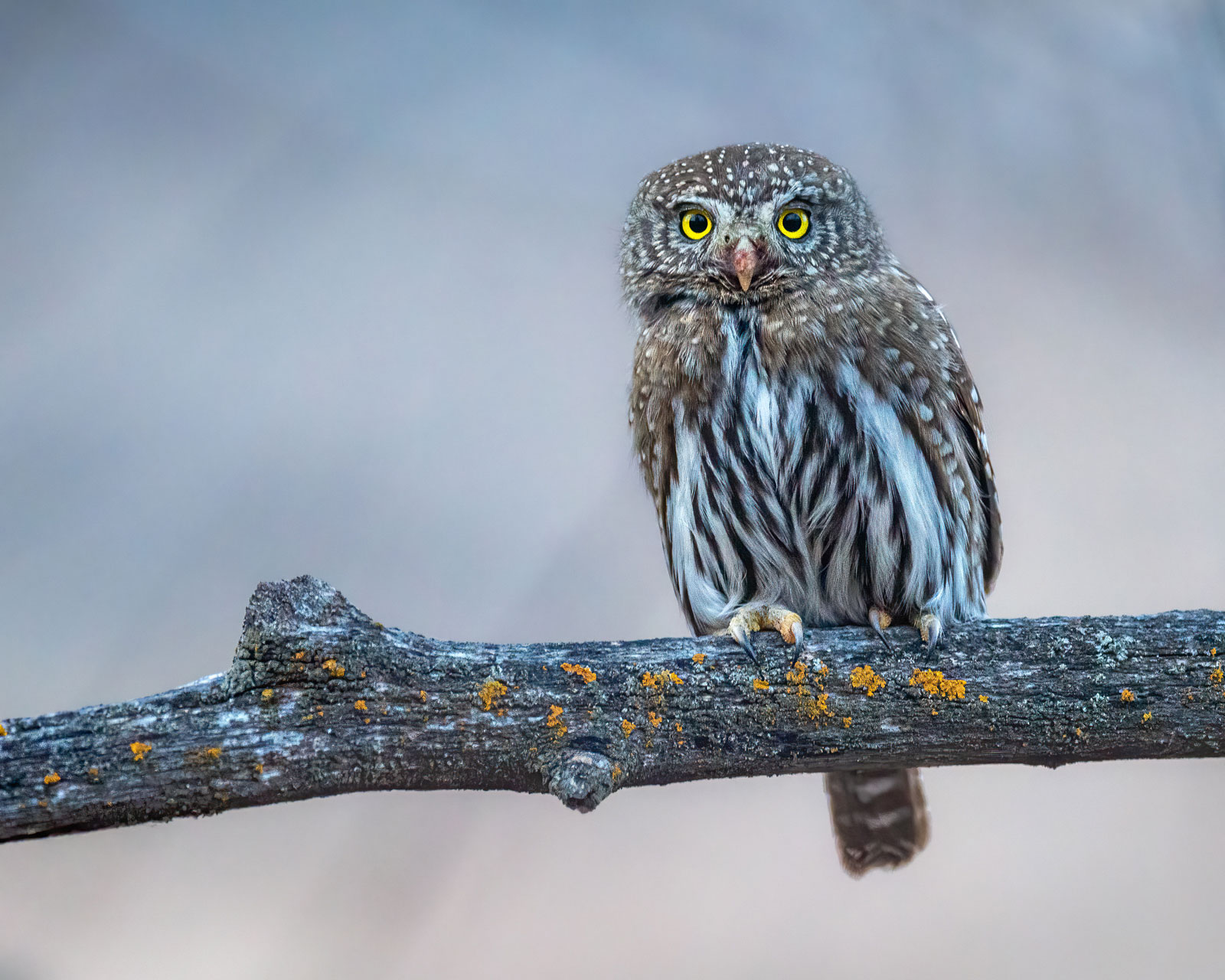
Owls have long captured the human imagination, serving as ancient symbols of wisdom, mystery, and nocturnal grace. Capturing these elusive raptors through a camera lens allows wildlife photographers to showcase their captivating physical characteristics—from their hypnotic, forward-facing eyes and striking facial discs to the raw power of their sweeping wingspans.
However, mastering owl photography requires far more than simply pointing a camera into a tree. Because most owl species are strictly nocturnal or crepuscular (active at dawn and dusk), photographers must possess a deep understanding of avian biology, local habitats, fieldcraft, and ethical wildlife standards.

Key takeaways for aspiring owl photographers include:

- Global Distribution: Owls inhabit nearly every ecosystem on Earth, ranging from dense forests and arid deserts to tundras, wetlands, and heavily populated urban centers.
- Specialized Gear: Successful owl photography demands long telephoto lenses (300mm to 600mm) with wide maximum apertures (f/2.8 to f/5.6) to combat low-light conditions.
- Ethical Constraints: Disturbing resting diurnal or nocturnal owls during daylight hours can cause permanent site abandonment; maintaining a respectful distance of 75 to 100 feet is vital.
- Behavioral Anticipation: Understanding the distinct hunting styles of different species—such as the short-eared owl’s low sweeping flight versus the great grey owl’s plunging drop—is critical for capturing dynamic action shots.
Chronology: The Field Lifecycle of Finding and Photographing Owls
For nature photographers, the journey to capturing a striking portfolio image of an owl rarely happens overnight. It follows a structured chronology of research, patience, fieldcraft, and execution.

Phase 1: Research and Local Scouting (Weeks to Months Prior)
The foundational step in owl photography begins long before stepping into the field. Photographers must research the specific owl species indigenous to their geographic region. Utilizing field guides, local birding databases, and library resources helps establish the relative abundance and seasonal movements of local populations.

Crucially, photographers must learn to recognize behavioral indicators. For instance, winter roosts of long-eared owls can often be identified by "whitewash" (bird droppings) on branches and the accumulation of regurgitated owl pellets on the forest floor.

Phase 2: Auditory Identification and Twilight Scans (The Golden Hour)
Because most owls are nocturnal, the most effective way to locate them is by listening for their distinctive calls and hoots during sunset or shortly thereafter. Photographers should frequent likely habitats at dusk, training their eyes to scan the middle tiers of trees—typically avoiding the topmost branches—looking for rigid, unnatural silhouettes against the fading sky.

Phase 3: Daytime Observation and Respectful Distance (Daylight Hours)
If an owl’s hunting territory or daily roosting tree is identified, photographers can return during daylight hours. Because owls spend daylight resting and conserving energy, strict ethical guidelines apply. Photographers should utilize a tripod and a long telephoto lens from a respectful distance (75 to 100 feet), avoiding the intrusive practice of standing directly beneath the tree and pointing upward.

Phase 4: The Transition to Flight and Action Shots (Dusk to Nightfall)
As twilight approaches, resting owls become alert and prepare for their nightly hunt. This transitional period offers the premier opportunity for flight photography. By tracking the owl’s predictable movements from perch to perch along the edge of open fields, photographers can prepare their camera settings, increase shutter speeds, and capture high-action frames of the raptor taking flight.

Supporting Data: Equipment, Optics, and Camera Settings
Photographing creatures that thrive in the shadows requires specialized gear and precise technical execution. Below is a breakdown of the optical tools and camera settings necessary to yield professional-grade results.

Essential Gear Selection
- Telephoto Lenses: A prime or zoom telephoto lens ranging from 300mm to 600mm is essential. This focal range ensures the owl fills the frame while allowing the photographer to maintain a non-threatening distance. Furthermore, shooting from afar with a long lens compresses perspective, creating an aesthetic "eye-level" look even when the owl is perched high in a tree.
- Fast Apertures: Lenses featuring maximum apertures of f/2.8, f/4, or f/5.6 are critical. Wide apertures maximize light-gathering capabilities, allowing for faster shutter speeds in dim environments.
- Support Systems: While tripods and monopods are invaluable for stabilizing heavy glass during long hours of waiting, they can restrict mobility when an owl suddenly takes flight. Many professionals use a tripod for static perching shots and detach the camera the moment hunting behaviors begin.
- Remote Shutter Release: In extremely low-light conditions after sunset, slow shutter speeds require absolute camera stability. Utilizing a wired or wireless remote shutter release eliminates micro-shakes caused by manual finger pressure.
Optimal Camera Settings
- Aperture: Start at the widest available aperture (e.g., f/2.8 or f/4) to maximize light intake. Stop down slightly only if lighting permits and a deeper depth of field is required.
- Shutter Speed: For perched owls, shutter speeds can remain relatively moderate depending on movement. However, for birds-in-flight (BIF) shots, a minimum shutter speed of 1/1600 of a second is recommended to ensure pin-sharp feather detail during erratic aerial maneuvers.
- Exposure Compensation: When photographing a light-colored owl against a dark, forested background, meter for the highlights to prevent blown-out whites. This technique naturally darkens the background, resulting in a dramatic, high-contrast image with minimal post-processing required.
Official Responses and Conservation Ethics in Wildlife Photography
As wildlife photography surges in popularity, conservationists, ornithologists, and ethical photography organizations have issued strict guidelines regarding human interaction with vulnerable raptor populations.

Ethical wildlife photography prioritizes the welfare of the animal above obtaining the photograph. Conservation groups emphasize several core mandates:

- Zero Baiting Policy: Using live or dead bait to lure owls out into the open or artificially induce hunting behavior is widely condemned. Baiting alters natural foraging habits, creates dangerous associations with humans, and often leads to unnatural injuries.
- Recognizing Stress Signals: Photographers must continuously monitor an owl’s body language. If an owl flattens its feathers, narrows its eyes into slits, snaps its beak, or persistently watches the photographer with agitated head movements, it is experiencing severe stress. Photographers are ethically bound to back away immediately.
- Protecting Nesting Sites: Publishing the exact GPS coordinates of active owl nests or daytime roosting sites on public social media platforms is discouraged, as it can draw large crowds of intrusive onlookers, leading to habitat degradation and nest abandonment.
Professional wildlife guides and conservation agencies stress that patience and restraint always yield superior, more authentic portfolios than aggressive tracking or disturbance.

Implications: The Intersection of Fieldcraft, Patience, and Artistry
The pursuit of owl photography carries profound implications for both the individual practitioner and wildlife conservation as a whole.

For the photographer, the discipline acts as a rigorous masterclass in fieldcraft. Because owls are inherently difficult to find, the process demands immense perseverance—it is entirely normal for a beginner to spend an entire year searching before securing a portfolio-worthy encounter. This prolonged engagement fosters a profound appreciation for natural history, transforming the photographer from a passive observer into an informed steward of the ecosystem.

Furthermore, compelling imagery plays a vital role in conservation advocacy. Photographs that capture the hypnotic gaze of a great horned owl, the delicate camouflage of a tawny owl, or the raw power of a short-eared owl in mid-flight evoke deep emotional connections in the general public. These visuals help bridge the gap between science and society, fostering grassroots support for the preservation of fragile forest, tundra, and grassland habitats worldwide.

Ultimately, owl photography teaches a humbling lesson: success cannot be forced. By respecting the quiet spaces of these magnificent raptors, maintaining a discrete distance, and honoring their natural rhythms, photographers are rewarded not only with captivating images, but with fleeting, unforgettable moments of pure wilderness connection.
