

Published: August 14, 2026
Author: Travel & Outdoors Desk
Main Facts
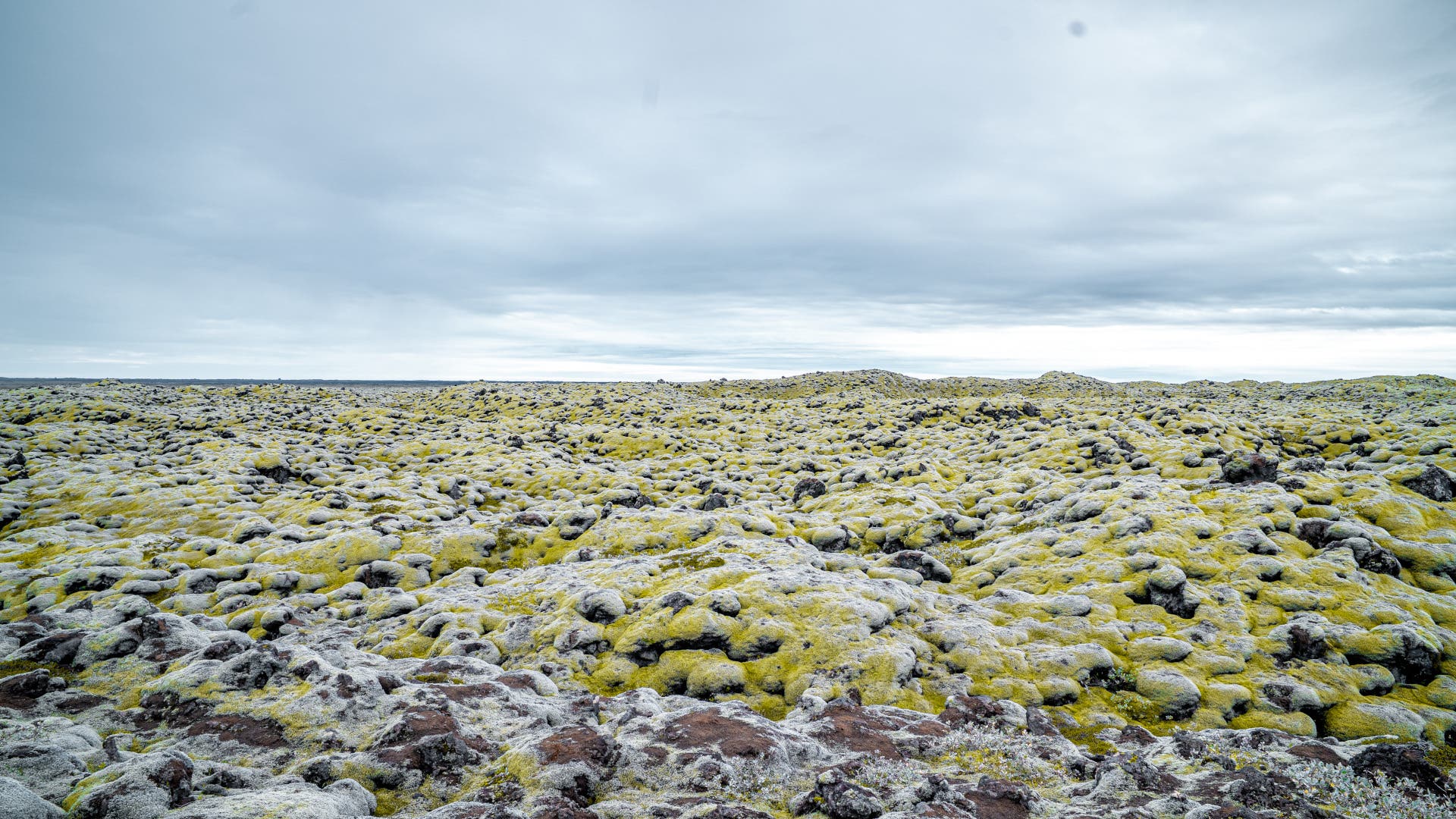
Iceland continues to hold an unmatched allure for travelers seeking landscapes that feel entirely otherworldly. Alongside destinations like Hawaii’s Big Island and America’s Yellowstone National Park, Iceland’s dramatic topography of ancient lava fields and ice-carved peaks evokes the imagery of a distant planet. Yet, this global popularity has a downside: finding challenging, deeply immersive trails that are not crowded with selfie-snapping tourists has become an increasingly difficult endeavor for modern adventurers.
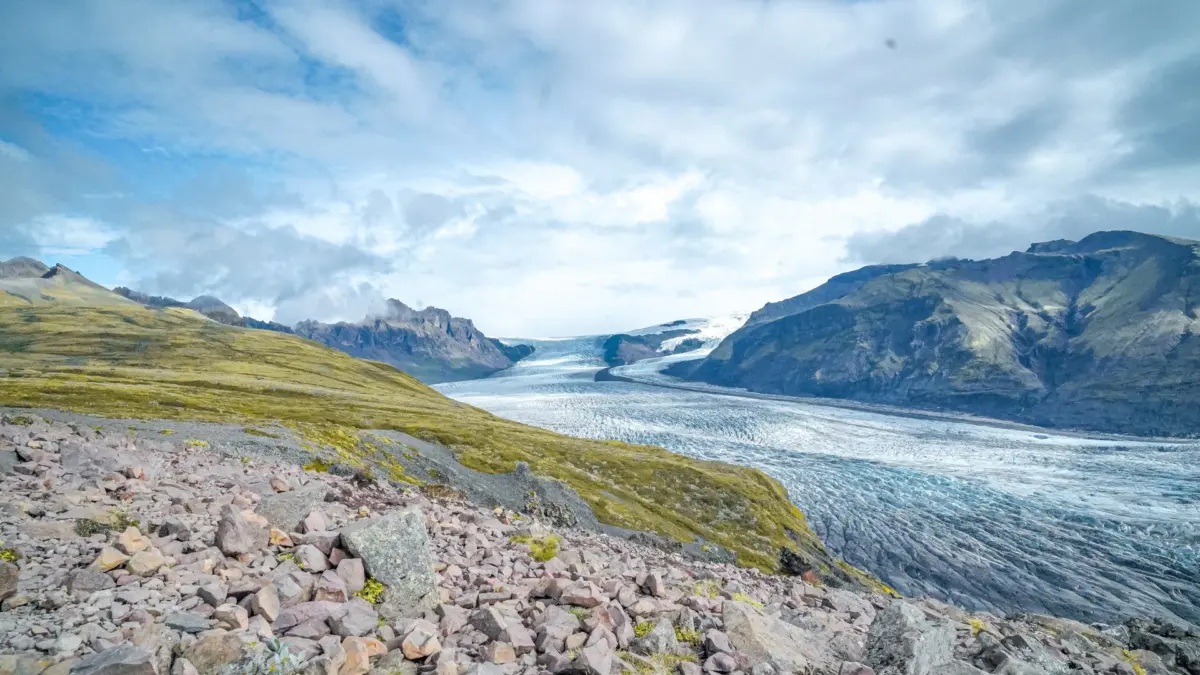
Fortunately, untamed solitude is still entirely accessible for those willing to look just off the beaten path. Tucked directly along Iceland’s famous Ring Road lies Vatnajökull National Park, named after the colossal Vatnajökull ice cap—Europe’s largest, which blankets roughly 8% of the country’s total landmass. Within this massive protected expanse sits the Skaftafell Wilderness area, a rugged sanctuary boasting a robust network of trails. Here, hikers can experience some of the most water-rich, geologically diverse terrain in the sub-arctic without enduring the heavy foot traffic plaguing other parts of the island nation.
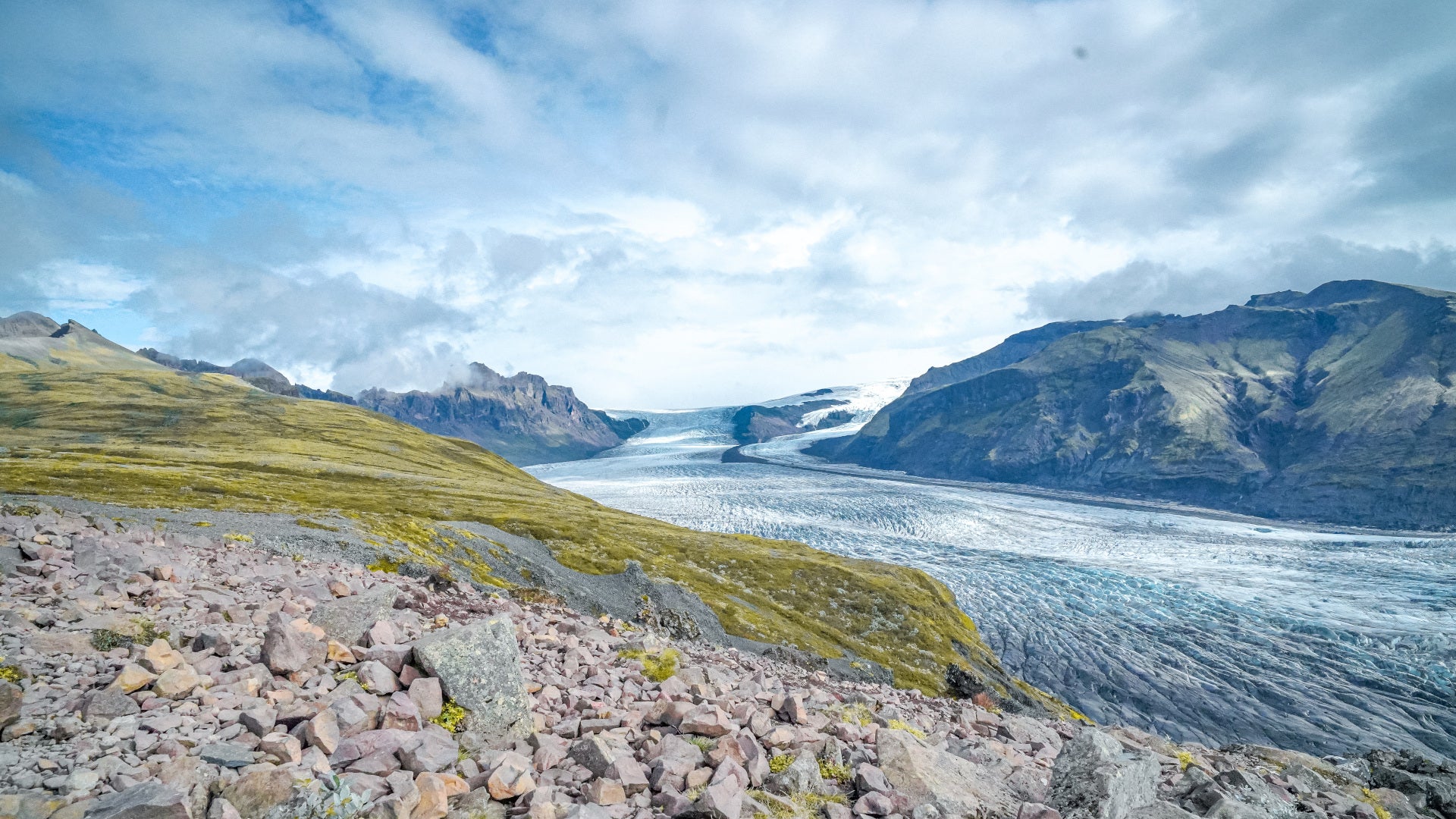
By utilizing a campervan as both a mobile basecamp and lodging, visitors can unlock complete logistical freedom, camping at the doorstep of world-class trailheads and setting out before the day-tour buses arrive.
Chronology: Planning and Executing the Journey
Experiencing the best of Southeast Iceland requires thoughtful pacing and preparation. A typical itinerary unfolds across several distinct phases, from vehicle acquisition to navigating specific trails and surrounding coastal landmarks.
Phase 1: Securing Transport and Logistics in Reykjavík
The journey begins in the capital city of Reykjavík, where travelers must secure their primary mode of transportation and lodging: a campervan. Popular local rental agencies such as KuKu Campers, Happy Campers, and Northbound offer specialized campervans equipped with beds, heating, and basic cooking amenities. Alternatively, traditional rental giants like Hertz provide motorhome and campervan configurations.
- Legal Requirements: To legally drive in Iceland, international visitors must acquire an International Driving Permit (IDP). These can be obtained domestically prior to departure through organizations such as AAA or AATA for approximately $20.
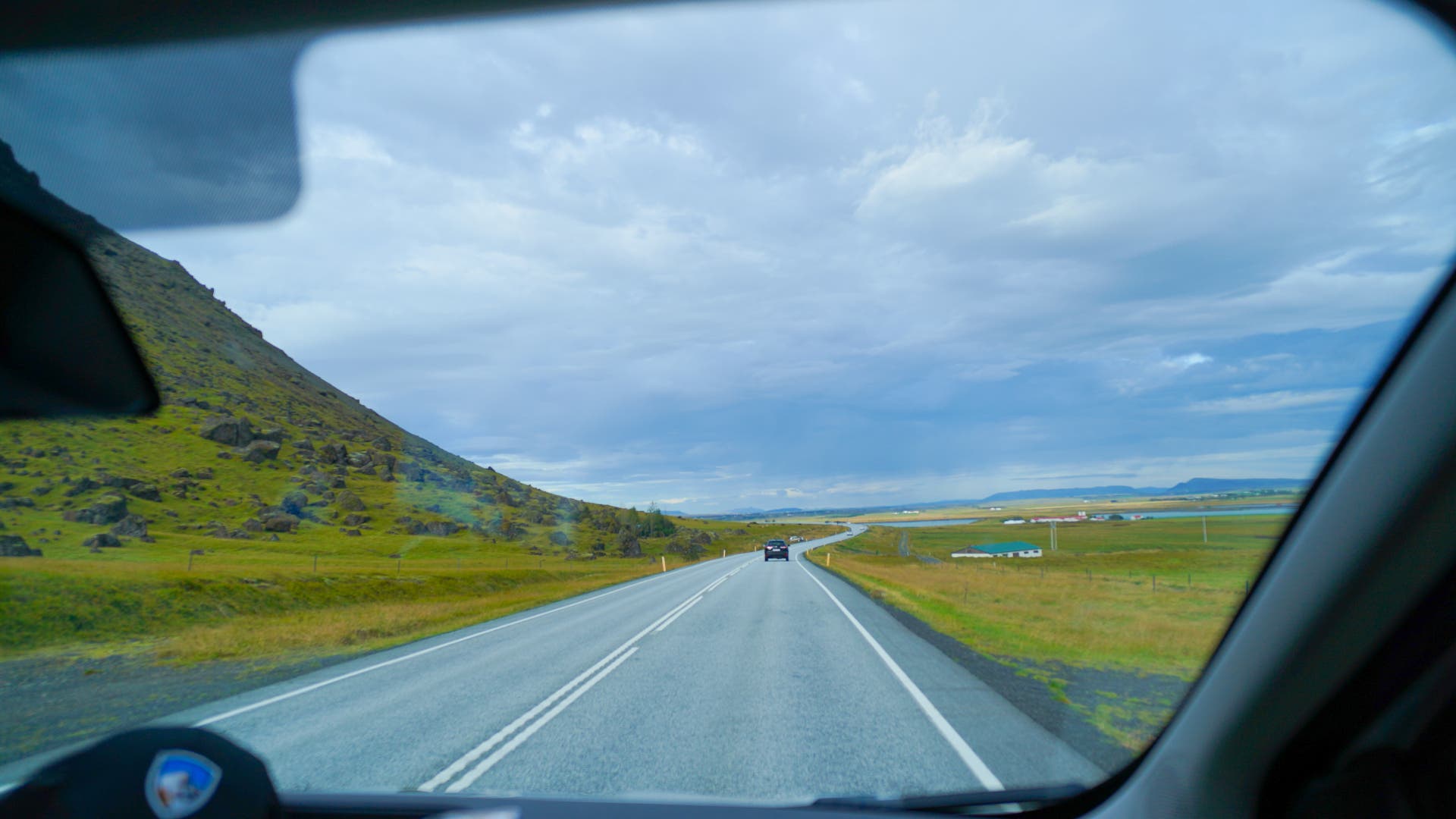
- Route Planning: Upon picking up the vehicle, motorists head southeast toward the Ring Road. Drivers must ensure they refuel well before heading into remote stretches. Standard campervans do not require four-wheel drive, meaning travelers should strictly avoid "F-roads"—unpaved, highly hazardous mountain interior byways.
Phase 2: Arrival at Skaftafell Campground
Setting up camp at the Skaftafell Campground places visitors immediately adjacent to the wilderness area’s primary trail network. The campground offers essential modern amenities, including hot showers, flushing toilets, potable water, and dedicated waste disposal, alongside ample space for both tents and campervans. Staying overnight here provides an unmatched strategic advantage: stepping directly from a sleeping vehicle onto the trailhead at dawn, beating the daytime crowds entirely.
Phase 3: Hitting the Trails and Coastal Extensions
The middle days of the trip are dedicated to exploring Skaftafell’s 14 interconnected trails, ranging from gentle valley walks to strenuous mountain loops with sweeping glacier views. Finally, a sub-hour drive east along the Ring Road brings travelers to the glacial lagoons and coastal black-sand shores of Jökulsárlón and Diamond Beach to cap off the expedition.
Supporting Data and Essential Travel Metrics
Navigating Iceland safely and efficiently requires an understanding of seasonal weather patterns, local geography, and navigational tools.
Best Time to Visit
- Peak Hiking Window: May through September offers the most reliable daylight hours and trail conditions.
- Shoulder Season Advantages: Late September marks the tail end of the tourism season. While travelers should expect increased mud and precipitation, visitor numbers drop sharply, offering a much more solitary wilderness experience.
Weather Preparedness and Essential Gear
Icelandic weather is notoriously volatile, particularly during the spring and autumn shoulder months. Essential gear requirements include:
- High-grade waterproof rain jacket and rain pants.
- Sturdy, broken-in waterproof hiking boots.
- Layered wool or synthetic thermal clothing to combat rapid temperature drops.
Real-Time Navigational and Meteorological Apps
To avoid weather-related road closures and hazardous conditions, drivers should download official regional applications before setting out:
- Vegagerðin: The official app of the Icelandic Road and Coastal Administration, providing live updates on road conditions and closures.
- Veður: The official application of the Icelandic Meteorological Office, offering hyper-local weather forecasts.
Official Responses and Environmental Insights
Park authorities and conservationists have increasingly emphasized the delicate balance between promoting tourism and preserving Iceland’s fragile ecosystems. As visitor numbers to areas like Vatnajökull National Park continue to rise, park management has focused on trail maintenance, erosion prevention, and educational outreach regarding climate change.
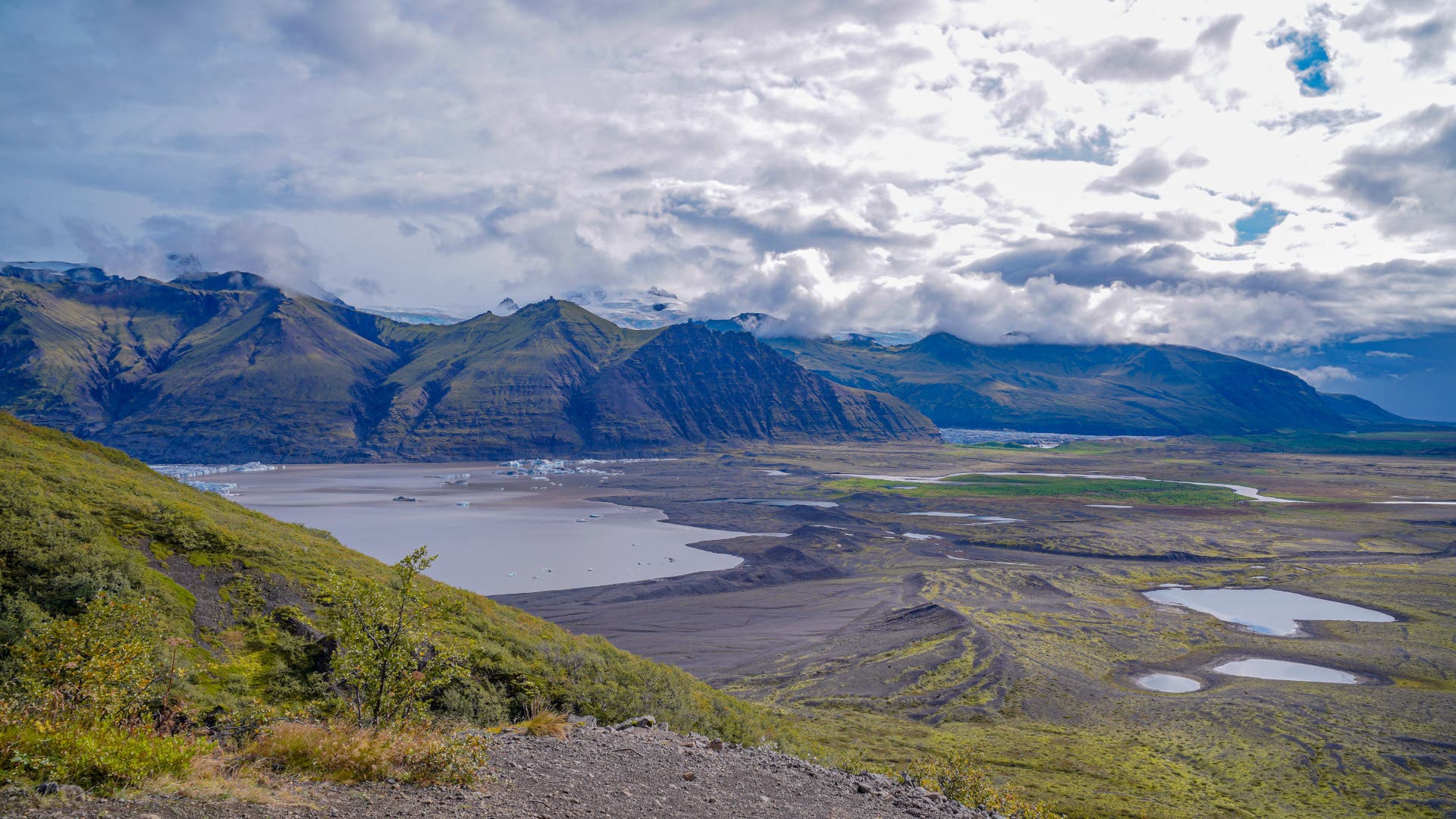
Local guides and environmental researchers point to landmarks like the Skaftafellsjökull glacier outlet as ground zero for visible climate impacts. Park rangers frequently remind visitors that while Iceland’s natural wonders appear monumental and eternal, they are actively receding at historic rates. The National Park administration encourages low-impact camping, strict adherence to "Leave No Trace" principles, and the use of established trail networks to protect fragile arctic flora from irreversible trampling.
Implications: The Shift Toward Slow and Sustainable Travel
The growing preference for campervan travel and lesser-known wilderness areas like Skaftafell signals a broader cultural shift in modern tourism. Travelers are increasingly moving away from high-density, superficial sightseeing in favor of immersive, slow-travel experiences that prioritize self-sufficiency and environmental mindfulness.
1. Economic Decentralization
By bypassing heavily congested hubs like the Golden Circle and venturing further along the Ring Road into regions like Southeast Iceland, visitors help distribute tourism revenue more equitably across rural communities. Small towns, local fuel stations, and regional campgrounds benefit directly from the influx of independent campervan travelers.
2. Environmental Awareness and Climate Confrontation
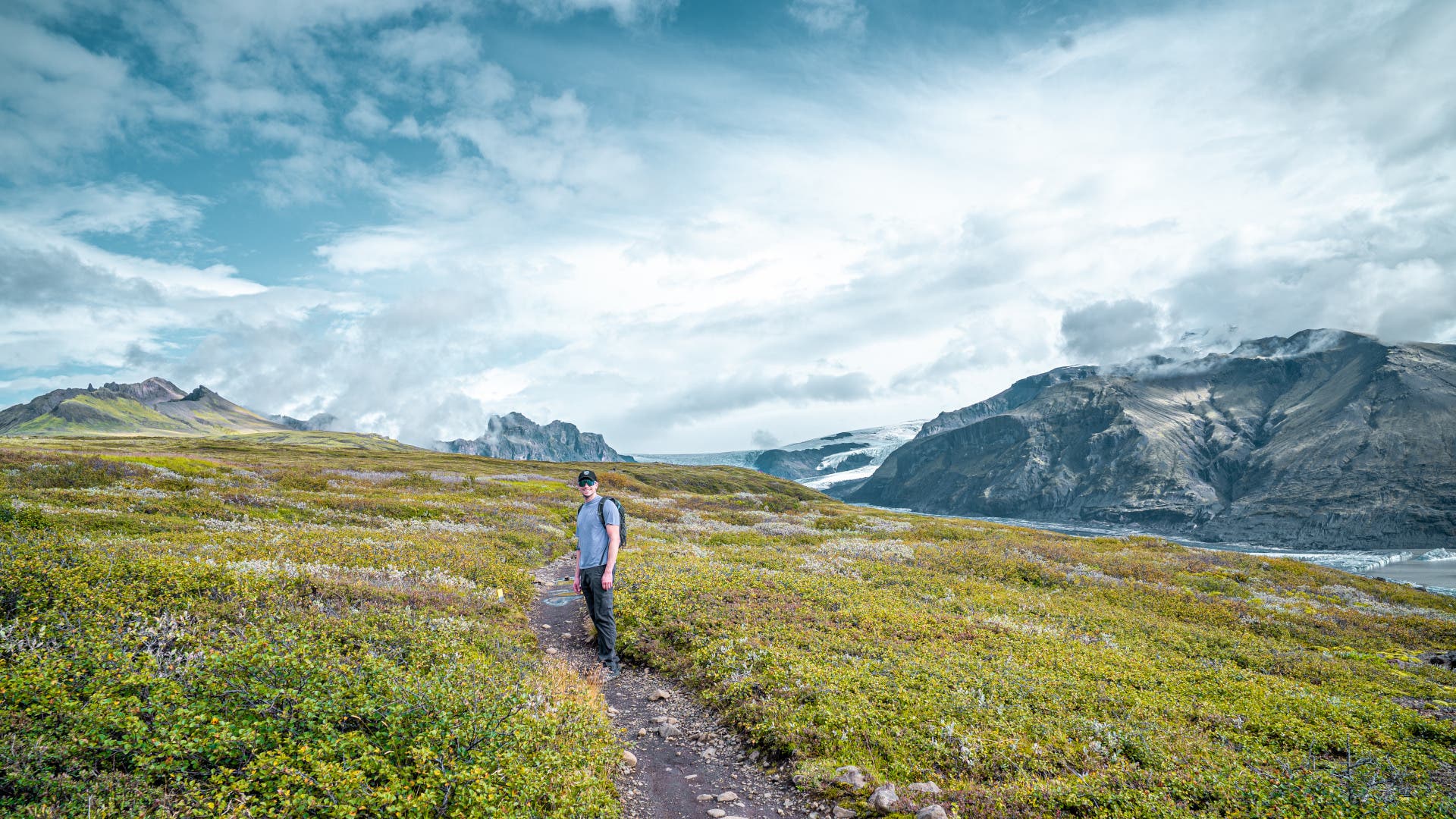
Witnessing glacial recession firsthand—such as watching massive blocks of ice calve off into shrinking lagoons—transforms abstract global statistics into a visceral, emotional reality. Travelers exposed to these rapid changes often return home with a heightened consciousness regarding carbon footprints, sustainable travel practices, and global climate action.
Ultimately, exploring regions like Skaftafell via campervan offers a powerful reminder: while Iceland’s ancient landscapes feel ancient and enduring, they require deliberate care and respect from every generation of explorers lucky enough to walk upon them.
