

By the Editorial Team
Published: Nature and Photography Insights
Main Facts: The Universal Language of Illumination
In the realm of professional photography, light is not merely a tool used to illuminate a subject; it is the fundamental medium itself. Master photographers across all genres agree that understanding, anticipating, and manipulating light is the single most critical differentiator between a technically competent snapshot and a breathtaking, emotionally resonant work of art.
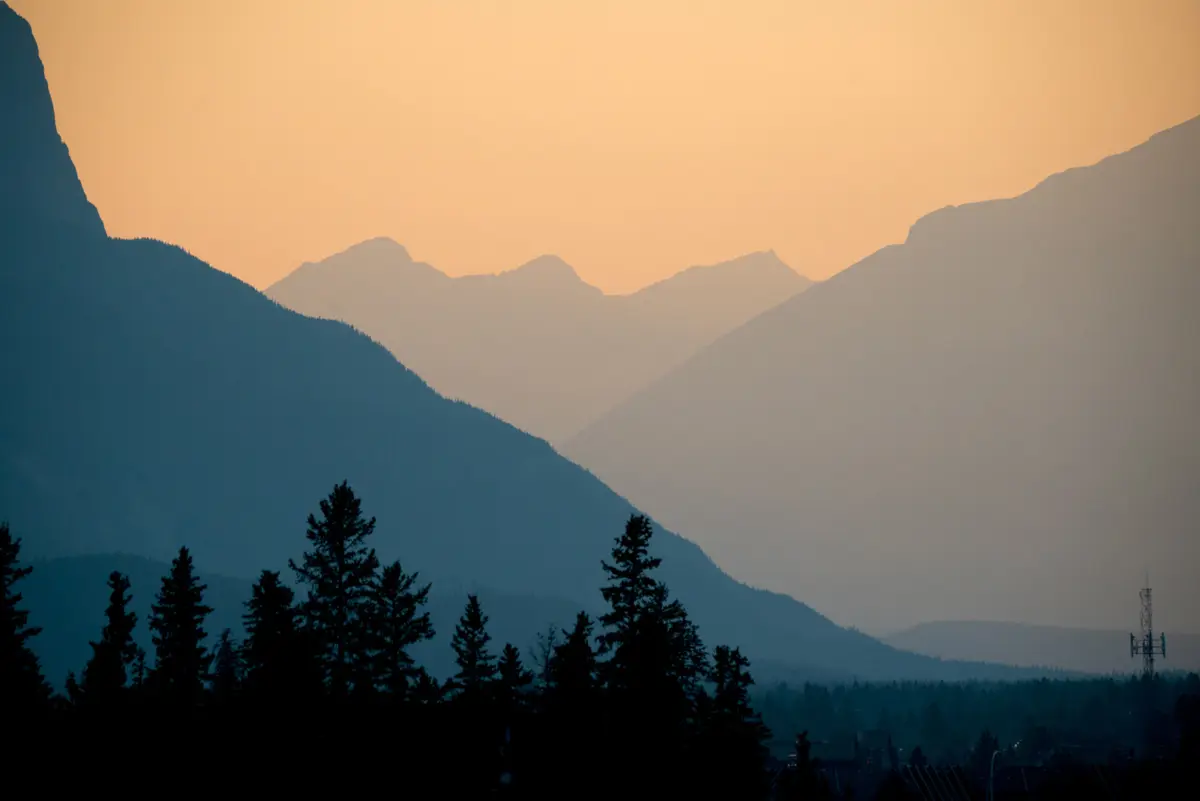
Whether capturing the fiery, golden hues of a breaking dawn, the deep, moody shadows cast within an ancient temperate forest, or the subtle rim-lighting of wildlife silhouetted against a setting sun, light dictates mood, texture, depth, and narrative.
However, mastering light requires far more than setting a correct exposure triangle. It demands a holistic appreciation of its physical properties—directionality, color temperature, diffusion, and intensity—across diverse and often unpredictable environments.
From the wide-open vistas of terrestrial landscapes to the light-starved depths of the ocean and the microscopic intricacies of macro subjects, this comprehensive guide explores how professional nature photographers harness illumination to elevate their craft to unprecedented heights.
Chronology: The Evolution of Photographic Light Mastery
The journey of understanding light in photography mirrors the technological and artistic evolution of the medium itself. Tracing how photographers have interacted with illumination reveals a steady shift from passive observation to active control.
1. The Era of Natural Limitations (Early Photography)
In the pioneering days of photography, practitioners were entirely beholden to the whims of natural ambient light. Slow emulsion speeds and primitive glass meant that photographers had to rely on long exposures under direct sunlight. Lighting was treated as an environmental constraint rather than a creative variable, often forcing strict adherence to midday shoots to maximize shutter speeds.
2. The Advent of Artificial Illumination (Late 19th to Mid 20th Century)
The introduction of chemical flash powders, followed swiftly by vacuum flashbulbs and electronic strobes, fundamentally changed the landscape. Photographers were no longer tethered to the sun. Studio and commercial photographers quickly mastered artificial fill and key lights, but nature and outdoor photographers remained largely dependent on natural atmospheric conditions due to the sheer scale of their subjects.

3. The Digital Revolution and Dynamic Range (Late 1990s to 2010s)
The transition from film to digital sensors marked a seismic shift. Early digital sensors suffered from limited dynamic range, making harsh lighting conditions difficult to manage. However, as sensor technology matured—coupled with improvements in post-processing software—photographers gained the ability to pull detail from deep shadows and rein in blown highlights. This era encouraged experimentation with mixed lighting, high-dynamic-range (HDR) blending, and portable off-camera flash units in the field.
4. The Modern Era of Precision and Adaptation (Present Day)
Today, nature photography sits at the intersection of advanced meteorological forecasting apps, high-ISO sensor performance, and highly portable, weather-sealed artificial lighting gear. Modern photographers approach light systematically. They analyze the angle of the sun using GPS tools, deploy diffusers and reflectors in macro environments, and utilize specialized continuous lights or strobes underwater. The modern workflow treats light as an endlessly malleable variable, ready to be anticipated, planned for, and creatively manipulated.
Supporting Data & Environmental Breakdown: Light Across Diverse Ecosystems
To truly master photographic lighting, one must understand how it behaves uniquely across different natural environments. Each genre of nature photography presents distinct lighting challenges and opportunities.
1. Wildlife Photography: Harnessing Direction and Quality
Wildlife photography demands quick reactions, but the most striking images are rarely captured under harsh, flat, midday sunlight.

- The Golden Hours: Professional wildlife photographers heavily favor the first and last hours of daylight. During these windows, the low sun angle creates dramatic side-lighting and back-lighting, emphasizing fur textures, feather iridescence, and body contours.
- Back-lighting and Rim Light: Positioning a subject between the camera and the sun creates a glowing halo (rim light) around fur or hair, instantly separating the animal from a dark or complex background.
- Data Insight: Field studies on wildlife behavior combined with photographic success rates indicate that animals are significantly more active during dawn and dusk (crepuscular periods), naturally aligning peak wildlife visibility with optimal lighting conditions.
2. Landscape Photography: Planning and Adaptability
Landscape photography transcends simple exposure management; it is an exercise in environmental forecasting.
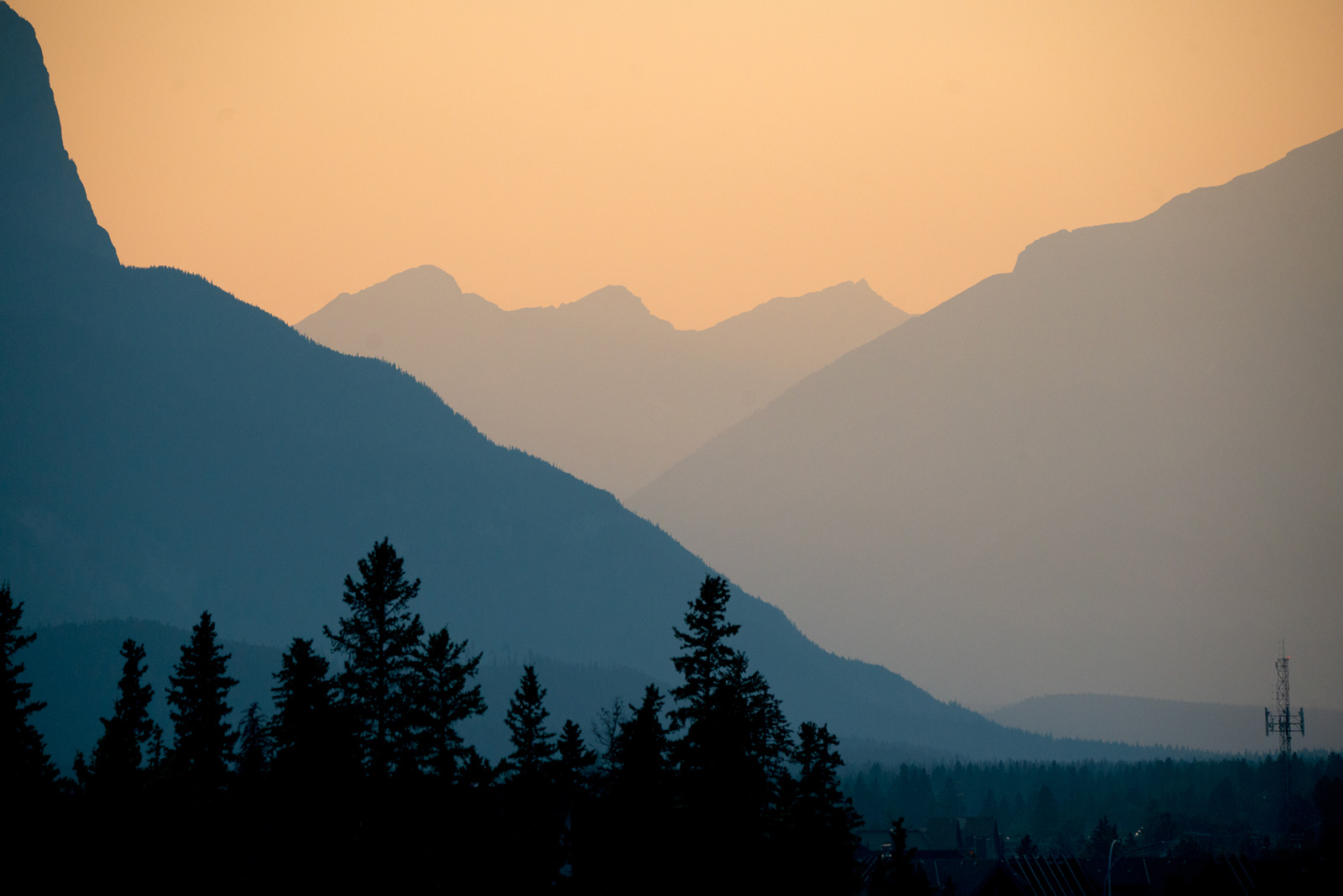
- The Role of Atmosphere: Light in landscapes is heavily mediated by atmospheric particles. Mist, fog, haze, and clouds act as giant natural softboxes, diffusing harsh sunlight into a gentle, omnidirectional glow that is ideal for intimate forest scenes and moody vistas.
- Dynamic Range Management: High-contrast scenes—such as a bright sky paired with a dark foreground—require specialized tools. Graduated Neutral Density (GND) filters, exposure blending, and modern sensor architecture are vital to retaining highlight and shadow detail.
3. Underwater Photography: Defying Absorption and Scattering
Light behaves radically differently underwater due to the density of water compared to air.
- Color Absorption: Water acts as a natural optical filter. As depth increases, wavelengths of light are absorbed sequentially: red light disappears within the first 5 meters, followed by orange, yellow, and eventually green. By 20 meters, the world appears monochromatic blue.
- The Necessity of Artificial Strobe: To restore vibrant colors and crisp contrast, underwater photographers rely heavily on dual strobes or specialized video lights. Positioning these strobes away from the camera axis (off-axis lighting) prevents backscatter—the unsightly illumination of suspended particulate matter in the water column.
4. Macro Photography: Sculpting the Miniature World
When working at a 1:1 magnification ratio or greater, lighting challenges are amplified by physical constraints.
- Shallow Depth of Field and Diffraction: Macro lenses require narrow apertures (e.g., f/11 to f/22) to keep a subject in focus, drastically reducing the amount of light reaching the sensor.
- Diffusion and Softness: Direct flash or harsh sunlight creates specular highlights and harsh black shadows on small subjects like insects and amphibians. Macro photographers utilize mini softboxes, diffusers, and ring lights to wrap light smoothly around tiny anatomical structures, revealing intricate textures without overwhelming the frame.
Official Perspectives and Expert Insights
Industry leaders, master educators, and conservation photographers emphasize that technical proficiency in lighting must be paired with environmental respect and artistic vision.

"Light is the emotional heartbeat of a photograph. You can have the rarest animal on earth or the most dramatic mountain range, but if the light is flat and uninspired, the image fails to connect with the viewer. Conversely, ordinary subjects rendered in extraordinary light can become masterpieces."
— Lead Editorial Commentary, Nature and Photography Insights
Professional educators in the field emphasize that preparation is the primary differentiator. "You cannot force the light to do what you want in nature photography the way you can in a controlled studio," notes a leading wildlife workshop instructor. "Instead, your job is to understand the physics of the environment, predict how the sun, weather, and atmosphere will interact, and position yourself where magic is most likely to happen."
Furthermore, underwater and macro specialists stress the importance of ethical lighting practices. When using artificial strobes or continuous lights close to sensitive marine life or nocturnal insects, photographers are urged to minimize stress on the subject, keeping flash durations brief and avoiding prolonged exposure that could disrupt natural behaviors.
Implications: Elevating Your Photography Workflow
The continuous pursuit of lighting mastery carries profound implications for photographers looking to refine their portfolios and stand out in a saturated digital landscape.

1. Artistic Differentiation
In an era where high-resolution cameras are accessible to nearly everyone, technical sharpness is no longer a unique selling proposition. What separates award-winning imagery is vision—specifically, how a photographer interprets and utilizes light. Developing an eye for nuanced lighting conditions transforms ordinary locations into extraordinary visual stories.
2. Shift from Reactive to Proactive Shooting
Mastering lighting forces a shift in mindset. Instead of arriving at a location and reacting blindly to whatever weather is present, educated photographers plan their shoots around astronomical data, weather patterns, and topographical angles. They know why a forest looks best under overcast skies and why a coastal wave requires a fast shutter speed against low-angle sidelight.
3. Technical Versatility Across Genres
By studying lighting principles across multiple disciplines—transferring techniques from macro diffusion to wildlife back-lighting, or from landscape dynamic range to underwater strobe positioning—photographers build a robust, versatile toolkit. This cross-disciplinary knowledge ensures that no matter the environment, the photographer remains adaptable, confident, and fully equipped to capture the decisive moment.
Conclusion
Lighting in photography is a lifelong journey of observation, experimentation, and adaptation. Whether you find yourself waiting patiently for the final sliver of golden hour light to grace a mountain peak, carefully positioning diffusers over a dew-kissed macro blossom, or firing strobes beneath the ocean surface, the mastery of light remains your most powerful creative asset.

Take the foundational principles, study the nuances of your chosen environment, and harness the power of illumination to take your imagery to the next level.
We would love to see how you capture and manipulate light in your own photographic journey. Don’t forget to share your standout images and experiences with our community!
