

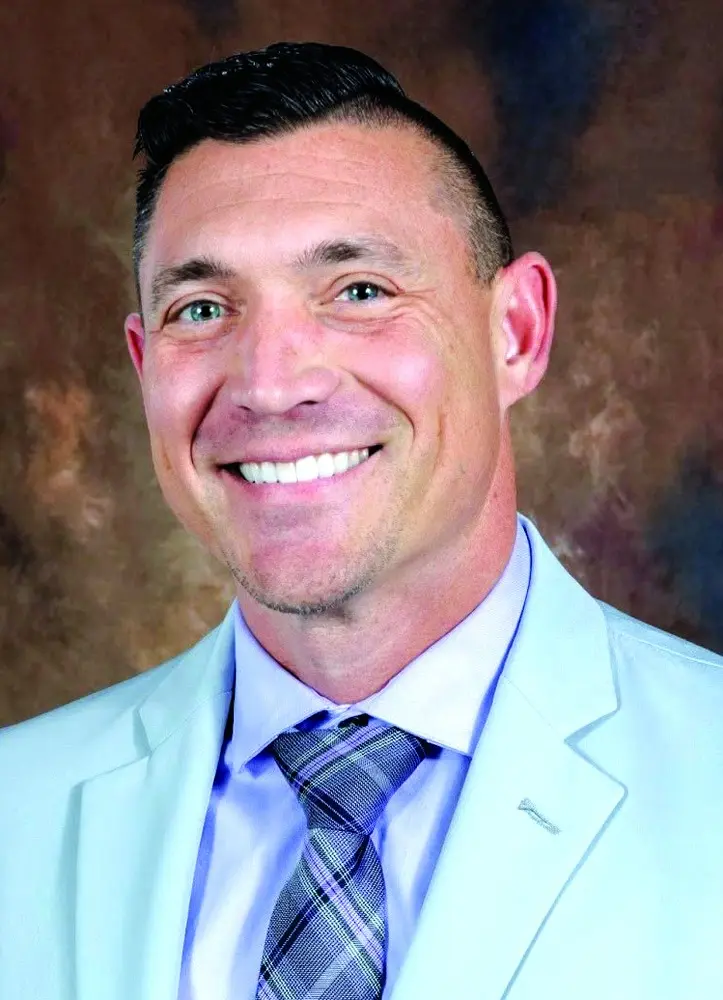
The search for the next permanent president of Yavapai College is officially underway, marking a critical transition period for the northern Arizona higher education institution. Governing Board Chairman Steve Bracety (District 5) announced the formal launch of the search during an August 11 board meeting, outlining an ambitious timeline that aims to place a permanent leader in office by January.
As the college embarks on this nationwide search, Provost Doug Berry, Ph.D., will continue to serve as the interim president, maintaining operational continuity across the college’s multiple campuses and centers. The transition comes during a period of shifting administrative leadership and internal governance debates within the five-member District Governing Board.
Main Facts: The Framework of the Presidential Search
The Yavapai College District Governing Board has initiated a structured search process designed to identify, interview, and hire a permanent successor to the presidency.
- The Timeline: Chairman Steve Bracety announced that the board intends to conduct final interviews with the top presidential candidates during the week of Monday, November 16. The goal is to have the new president officially assume office at the start of the spring semester in January.
- Interim Leadership: Dr. Doug Berry, who serves as the college’s Provost, has been designated as the acting president. This appointment complies with Governing Board Policy 405, which mandates that an acting president must be selected from the senior members of the executive leadership team in the event of a sudden vacancy.
- The Search Firm: In a special meeting on Monday, August 17, the board voted 3–1 to approve a $70,000 contract with Cizek Associates, a Phoenix-based executive search firm specializing in higher education recruitment. Board Member Deb McCasland (District 2) cast the dissenting vote.
- The Search Committee: The board also approved a 3–1 vote to establish a search committee. This committee will include two board members acting as liaisons—Chairman Steve Bracety and Board Secretary Toby Payne (District 3)—alongside college executives, community stakeholders, and local representatives.
Chronology: From Leadership Transition to the January Target
The current search process is the result of a rapid series of administrative changes that began in the mid-summer of this year. Understanding the sequence of events is crucial to understanding the board’s current urgency.
July: Administrative Leave and Transition
The leadership transition began in July when the District Governing Board voted to place the sitting president, Dr. Lisa Rhine, on paid administrative leave. Shortly thereafter, Dr. Rhine secured a contract to become the next president of Central Arizona College in Coolidge, Arizona, with an official start date of Tuesday, September 1.
Late July to Early August: Interpreting Resignation and Appointing Interim Leadership
Following the announcement of Dr. Rhine’s new appointment, the Yavapai College Governing Board convened to discuss the legal and operational status of the presidency. The board voted to interpret the public announcement of her hiring at Central Arizona College as a de facto resignation from her position at Yavapai College.
To prevent an administrative vacuum, the board enacted Governing Board Policy 405. Chairman Bracety confirmed that the board complied fully with this directive by appointing Provost Dr. Doug Berry to the role of acting president, ensuring that daily college operations, academic planning, and community relations remained uninterrupted.
[July] Dr. Rhine placed on paid leave
       ↓
[Late July] Dr. Rhine accepts presidency at Central Arizona College
       ↓
[August 11] Board declares de facto resignation; Dr. Doug Berry named Acting President
       ↓
[August 17] Board approves $70,000 contract with Cizek Associates (3-1 vote)
       ↓
[September 1] Dr. Rhine officially begins at Central Arizona College
       ↓
[November 16] Final candidate interviews scheduled to begin
       ↓
[November] Public elections for District 4 and District 5 board seats
       ↓
[January] Target start date for the new permanent Yavapai College President
Mid-August: Contract Approval and Search Launch
On August 11, Chairman Bracety announced the official timeline for the presidential search. Less than a week later, on August 17, the board held a special meeting to vote on the search firm contract and the structure of the search committee, officially launching the procurement and recruitment phase.
Supporting Data: Financials, Procurement, and Historical Precedents
The administrative and financial structure of the search has drawn close scrutiny from board members and the public alike.
The Financial Commitment
The approved contract with Cizek Associates is valued at a flat fee of $70,000. According to the contract terms, this fee does not include out-of-pocket expenses incurred during the search, such as travel, lodging, and candidate recruitment dinners, which will be billed separately.
Under the terms of the agreement, Cizek Associates is tasked with:
- Drafting and widely advertising the presidential job description.
- Conducting preliminary screenings and background checks on applicants.
- Conducting initial interviews to narrow the candidate pool.
- Providing regular updates, reports, and dossiers to the search committee.
- Coordinating the logistics for the final on-campus interviews.
Cizek Associates’ Institutional History
While some board members questioned the selection of Cizek Associates, administrative records show the firm has a long-standing relationship with Yavapai College. Sheila Lehker, CEO of Cizek Associates, noted that the firm has spent approximately 30 years recruiting executives for higher education institutions. Notably, Cizek Associates managed the recruitment process that successfully brought Dr. Doug Berry to Yavapai College as Provost in 2023, and the firm was previously retained by the college in 2013 to recruit a vice president.
Comparison to the 2018 Presidential Search
The timeline and methodology of the current search have been compared to the transition between former President Dr. Penny Wills and Dr. Lisa Rhine:
- The Wills-Rhine Transition (2018–2019): Dr. Penny Wills announced her retirement in May 2018 but remained in her role as active president until December 2018, providing a seven-month transition window. The board hired Dr. Rhine in February 2019.
- The Current Transition (2026): Unlike the planned retirement of Dr. Wills, the current transition occurred abruptly following the board’s decision to place Dr. Rhine on leave in July, necessitating the rapid appointment of an interim president and an accelerated search schedule.
Official Responses and Board Room Dynamics
The decisions made during the August meetings did not pass without significant debate, highlighting philosophical differences among the governing board members regarding timing, ethics, and past administrative actions.
Dissent Over the Search Timeline and Vendor Selection
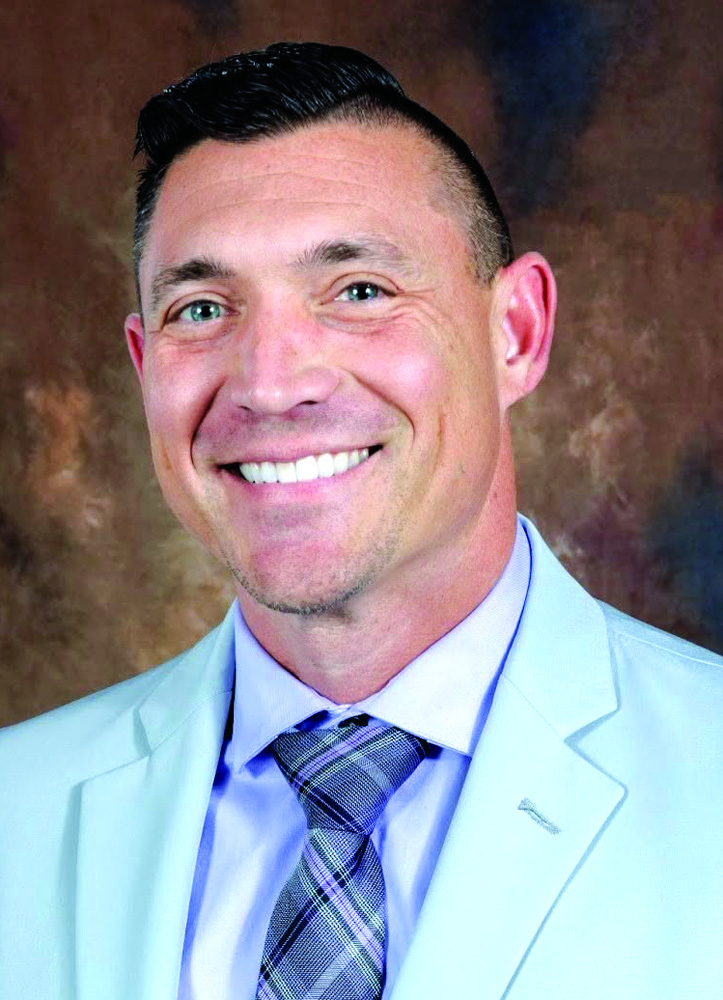
District 2 Representative Deb McCasland voiced strong opposition to the immediate approval of the search contract. McCasland argued that initiating a costly search process in August was premature, particularly given the upcoming November elections. The terms for District 5 (held by Bracety) and the currently vacant District 4 seat are both on the November ballot.
"The new board should vote on the succession contract," McCasland argued, suggesting that the incoming board, which will take office in January, should have the authority to choose the search firm and direct the process. She also expressed a preference for utilizing the Association of Community College Trustees (ACCT) for the search, a firm frequently used by peer institutions.
McCasland also asserted her unique position on the board, stating, "I’m the only board member that knows how to do [a presidential search]. I hope I’m involved in that process. Also, there’s no rush, Dr. Berry is doing a great job."
However, historical minutes from the college contradict McCasland’s level of involvement in past presidential searches. During the 2018 search process, McCasland moved to place herself directly on the presidential search committee, but her motion was defeated in a 3–2 vote, according to the official board minutes dated May 23, 2018. Furthermore, McCasland was elected to the board in 2014, three years after Dr. Wills had already been hired in 2011.
Debates Over Board Ethics and Past Precedents
In response to McCasland’s criticisms regarding the timing of the search and its potential impact on the future board, District 1 Representative Bill Kiel defended the board’s current actions by pointing out historical inconsistencies in McCasland’s arguments.
Kiel recalled the circumstances surrounding his own election to the board: "I will remind you that after I was elected and before I was seated, the board decided to institute Board Policy 310 [the Code of Ethics] that was going to impact the future board prior to allowing me to be seated, even though the election was completed. If you’re going to criticize this board for that, I would suggest that you look at prior actions that the board [has] taken."
Structuring the Search Committee for Broad Representation
The debate also extended to the role of the board members on the search committee. Chief Human Resources Officer Janet Nix defended the appointment of Bracety and Payne as board liaisons to the committee, explaining that this structure streamlines operations.
"I don’t do this in a vacuum," Nix stated. "Usually the board chair is the person I go to, but because of the circumstances, I feel like having two—so there’s backup—is appropriate."
Board Secretary Toby Payne emphasized the need for diverse community representation on the search committee, specifically advocating for the inclusion of long-time local stakeholders and Native American tribal representation to reflect the county’s demographic makeup.
Chairman Bracety agreed, emphasizing the need for geographic and generational diversity, noting the importance of representing "both sides of the mountain"—a reference to the geographic split between the Prescott area and the Verde Valley. Bracety suggested involving "some long-time government leaders here. Mix that in with some newer people who are moving here for a specific reason, that are raising a family that might be future students."
Implications: Governance, Geography, and Institutional Stability
The outcome of this presidential search will shape the strategic direction of Yavapai College for years to come. The process holds significant implications across several key areas:
1. Navigating the Geographical Divide
Yavapai County is geographically divided by the Mingus Mountain range, separating the western population centers (Prescott, Prescott Valley) from the eastern communities (Cottonwood, Sedona, and the Verde Valley). Historically, representation and resource allocation between "both sides of the mountain" have been sensitive topics in college governance. By intentionally structuring the search committee to include voices from both regions, the board is attempting to ensure that the next president understands the distinct economic and educational needs of both rural and urban county residents.
2. Maintaining Stability Under Interim Leadership
While the search is conducted, Dr. Doug Berry’s role as interim president provides operational stability. Dr. Berry’s familiarity with the college’s curriculum and administrative structure as Provost minimizes the disruption typically associated with sudden presidential departures. This stability is critical as the college navigates enrollment management, workforce development partnerships, and state funding discussions during the fall semester.
3. The Impact of the November Elections
With two board seats up for election in November, the political composition of the five-member District Governing Board could change just as the presidential search reaches its final stages. If new board members are elected, they will be seated in January—coinciding with the planned start date of the new president. The decision of the current board to finalize candidate interviews in mid-November represents an effort to secure a leader under the current board’s vision, while the incoming board will ultimately work alongside the selected executive.
