

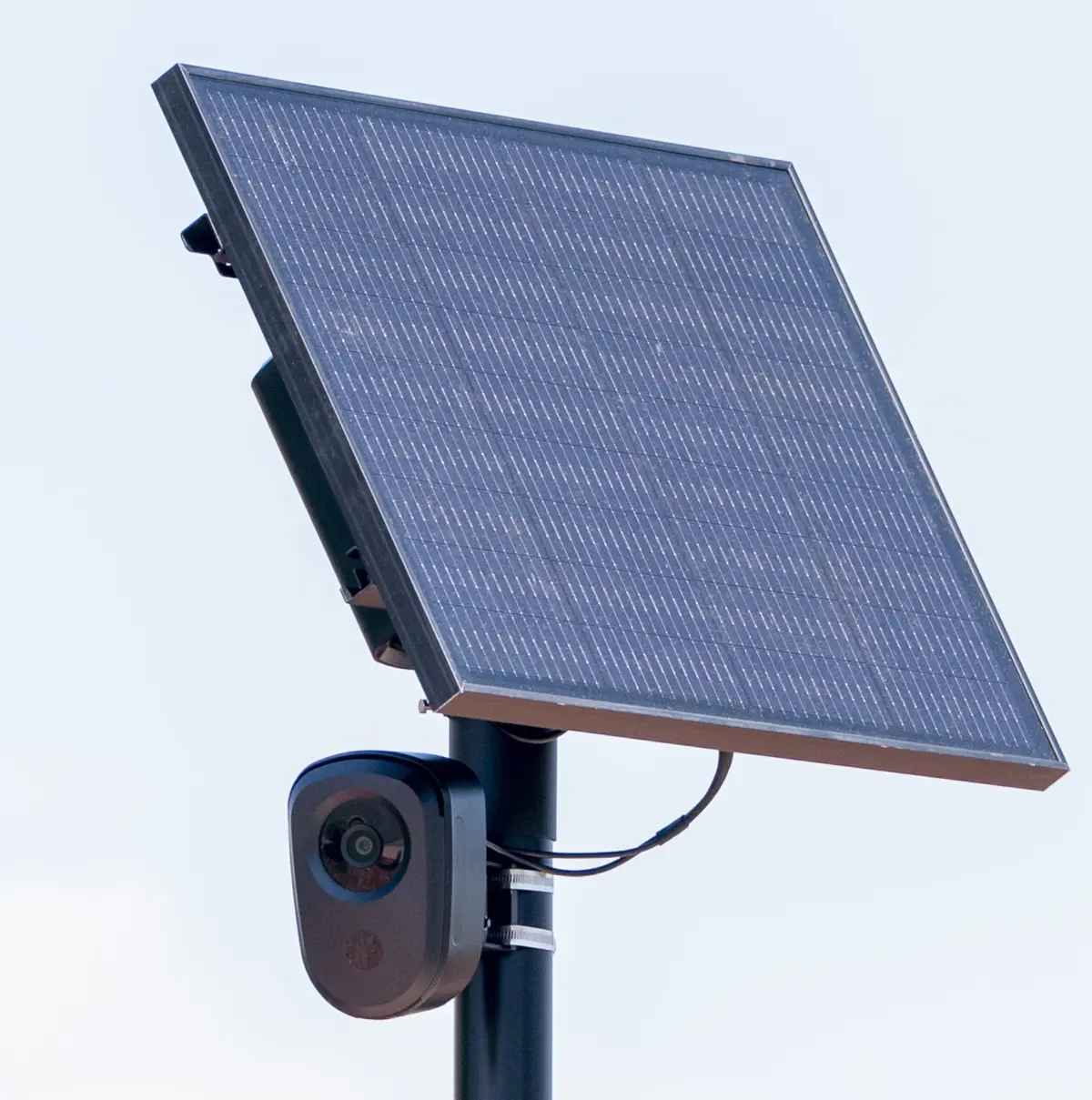
COTTONWOOD, Arizona — In a sudden shift in local law enforcement policy, the City of Cottonwood has announced the immediate suspension of its Flock Safety automated license plate reader (ALPR) program. The decision, made public in a joint statement issued by municipal leadership and the Cottonwood Police Department on Friday, September 4, comes in response to escalating community division and concerns regarding surveillance, privacy, and public trust.
The suspension, which took effect at 12:08 p.m. on the day of the announcement, represents a significant pause in the city’s deployment of advanced policing technology. The cameras have been deactivated, and local authorities are considering physical measures to cover the devices while the Cottonwood City Council prepares to debate the future of the program.
Chronology of the Decision
The path to the suspension of Cottonwood’s ALPR program reflects a rapid escalation of public interest and municipal reassessment. While automated license plate readers have been quietly integrated into police departments across Arizona over the last decade, their deployment in Cottonwood quickly became a flashpoint for local debate.
[Initial Deployment of Flock Cameras]
       │
       ▼
[Growing Public Concern & Community Discord]
       │
       ▼
[Consultations: City Manager Cifuentez II & Police Chief Freudenthal]
       │
       ▼
[September 4: Immediate Suspension & Deactivation of Cameras]
       │
       ▼
[September 22: Scheduled City Council Work Session & Public Debate]- Initial Deployment: The Cottonwood Police Department, seeking to modernize its investigative capabilities, integrated Flock Safety cameras at key intersections within the city limits. The cameras were intended to assist officers in tracking stolen vehicles, locating missing persons, and identifying suspects associated with active warrants.
- Rising Public Friction: Following the installation of the systems, local residents, civil liberties advocates, and community groups began raising questions regarding the necessity, scope, and privacy implications of constant vehicular surveillance. Opposition and support polarized rapidly, creating what city officials characterized as a notable "level of discord."
- Administrative Consultation: Recognizing the growing divide, Cottonwood City Manager Mario Cifuentez II and Chief of Police Brian Freudenthal convened to discuss the social and political impact of the technology. Both officials agreed that maintaining public trust was paramount and that continuing the program without explicit City Council consensus was untenable.
- September 4 Announcement: At 12:08 p.m., the city released an official statement announcing the immediate deactivation of all Flock Safety cameras. Flock Safety was formally notified of the suspension, and the system’s data-gathering capabilities were terminated.
- Upcoming Work Session: To address the underlying policy questions, the Cottonwood City Council scheduled a formal public work session for Tuesday, September 22. The meeting will serve as the primary forum for determining whether the technology will be permanently decommissioned or reinstated under new regulatory guidelines.
Understanding Flock Safety and ALPR Technology
To understand the controversy in Cottonwood, it is necessary to examine the technology at the center of the debate. Flock Safety, an Atlanta-based public safety technology provider, has experienced exponential growth across the United States. Unlike traditional license plate readers that only capture plate numbers, Flock’s "Falcon" cameras utilize proprietary artificial intelligence to create a comprehensive digital profile of every passing vehicle.
Technical Capabilities
The Flock Safety system does not merely read alphanumeric characters on a license plate. It captures what the company terms the "Vehicle Fingerprint." This includes:
- Aesthetic Details: The make, model, color, and unique identifying markers of a vehicle (such as roof racks, bumper stickers, custom rims, or body damage).
- Contextual Data: The state of registration, temporary paper tags, or even the absence of a license plate.
- Temporal and Spatial Tracking: The exact time, date, and location of the vehicle’s passage, allowing law enforcement to reconstruct travel patterns over time.
How the Network Functions
When a camera detects a vehicle matching a "hot list" (such as a database of stolen vehicles compiled by the National Crime Information Center or local police entry), an automated alert is sent directly to dispatchers and officers’ mobile devices within seconds.
Additionally, Flock Safety operates a vast shared network. Participating law enforcement agencies can opt to share their camera data with neighboring jurisdictions or state and federal law enforcement agencies. It is this networked, searchable database capability that has drawn the scrutiny of privacy advocates, who argue that it enables a decentralized national surveillance grid without federal oversight.
Supporting Data: The National Debate on Public Safety vs. Privacy
The tension observed in Cottonwood is not an isolated incident; it reflects a broader national conversation regarding municipal surveillance. Both proponents and opponents of ALPR technology present compelling, data-driven arguments.
The Case for ALPRs (Law Enforcement Perspective)
Proponents of Flock Safety and similar ALPR systems point to significant operational efficiencies and crime-reduction statistics:
- Stolen Vehicle Recovery: According to data published by various municipal police departments using Flock Safety, vehicle recovery rates often increase by 30% to 50% within the first year of implementation.
- Resource Multiplier: For mid-sized and small police forces, such as the Cottonwood Police Department, automated systems act as a force multiplier, monitoring roadways 24/7 without requiring physical officer presence.
- Amber and Silver Alerts: The speed with which ALPRs can locate vehicles associated with abducted children or missing seniors with cognitive decline is frequently cited as a life-saving feature of the technology.
| Metric / Concern | Proponents’ View (Law Enforcement) | Critics’ View (Civil Liberties) |
|---|---|---|
| Primary Purpose | Objective crime detection and rapid recovery of stolen property. | Mass surveillance of law-abiding citizens without reasonable suspicion. |
| Data Retention | Essential for retrospective criminal investigations (typically kept for 30 days). | Creates a historical map of innocent citizens’ daily routines and movements. |
| Access Control | Restricted to authorized law enforcement officers with active case numbers. | Susceptible to insider abuse, unauthorized searches, and federal agency sharing. |
| Public Impact | Increases community safety and reduces racial profiling through objective data. | Infringes on the constitutional right to privacy and creates a chilling effect on free movement. |
The Case Against ALPRs (Civil Liberties Perspective)
Conversely, civil rights organizations, including the American Civil Liberties Union (ACLU), have raised serious concerns regarding the rapid, unregulated expansion of private surveillance networks:
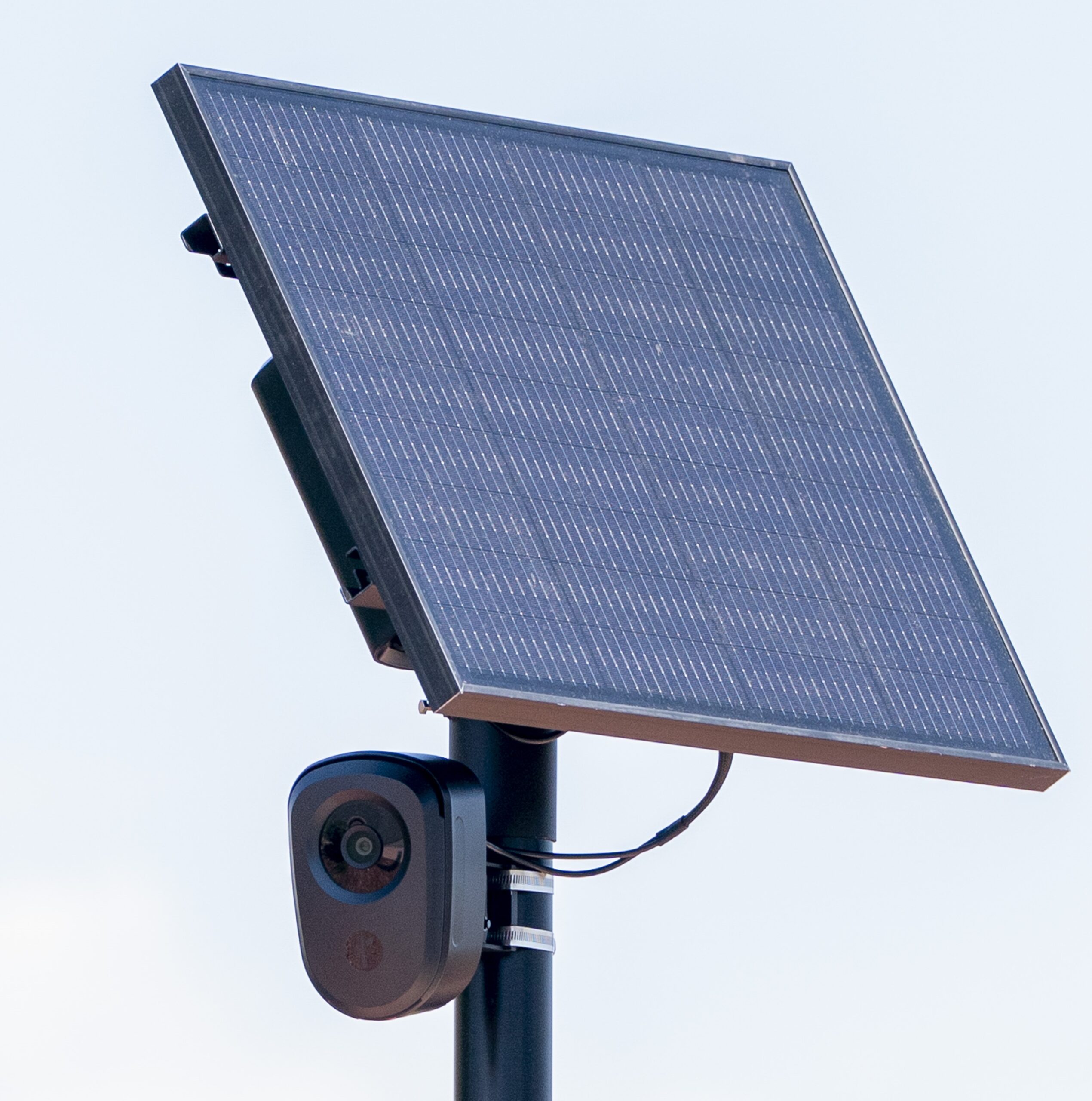
- The "Dragnet" Effect: ALPRs capture data on every single motorist passing a camera, regardless of whether they are suspected of a crime. Critics argue this turns public roads into checkpoints where citizens are continuously monitored.
- Data Retention Policies: Although Flock Safety defaults to a 30-day data retention period, critics point out that local agencies can alter these settings or export data to external databases, keeping records of citizens’ movements indefinitely.
- Lack of Legislative Frameworks: In many states, including Arizona, there is a lack of comprehensive state-level legislation regulating who can access ALPR data, how long it can be stored, and under what circumstances it can be shared with federal entities like Immigration and Customs Enforcement (ICE).
Official Responses and the Drive for Transparency
The joint announcement from the City of Cottonwood and its police department emphasized a commitment to democratic oversight and community consensus. Rather than defending the technology in the face of public pushback, local officials chose to halt the program to preserve institutional trust.
"We respect community opinions, including those that have been shared in support or opposition of Flock license plate readers. We prioritize public trust and recognize the importance of addressing community concerns openly and transparently."
— Joint Statement, City of Cottonwood & Cottonwood Police Department
The decision to pause the program was framed as a collaborative move between administrative and law enforcement leadership. City Manager Mario Cifuentez II and Chief of Police Brian Freudenthal noted that the "level of discord" generated by the cameras threatened to overshadow the police department’s broader community relations efforts.
                       ┌──────────────────────────┐
                       │ Community Concerns Voice │
                       └─────────────┬────────────┘
                                     ▼
                       ┌──────────────────────────┐
                       │ Administrative Review    │
                       │ (Cifuentez & Freudenthal)│
                       └─────────────┬────────────┘
                                     ▼
                       ┌──────────────────────────┐
                       │   Immediate Suspension   │
                       │  (Cameras Deactivated)   │
                       └─────────────┬────────────┘
                                     ▼
                       ┌──────────────────────────┐
                       │ City Council Work Session│
                       │    (Sept 22 Debate)      │
                       └──────────────────────────┘
To demonstrate the sincerity of the suspension, the city took immediate steps to ensure the cameras were rendered non-operational. Beyond notifying Flock Safety to cut the digital feed, the Cottonwood Police Department indicated that officers may physically cover the lenses of the cameras installed throughout the city, providing a visual confirmation to the public that surveillance has ceased.
Implications for Cottonwood and Local Governance
The immediate suspension of the Flock Safety program in Cottonwood carries several long-term implications for the municipality, its police force, and the wider Yavapai County region.
The September 22 Work Session
The upcoming City Council work session, scheduled to take place at the Riverfront facility’s Cottonwood Council Chambers, is expected to draw significant public participation. The Cottonwood Police Department has committed to presenting a comprehensive, transparent review of the technology, addressing both its operational utility and the specific privacy concerns raised by residents.
The council will likely debate several regulatory options, including:
- Permanent Decommissioning: Removing the Flock Safety cameras entirely and returning to traditional investigative methods.
- Conditional Reinstatement with Strict Oversight: Re-enabling the cameras under a strict municipal ordinance that limits data retention, prohibits out-of-state data sharing, and mandates annual transparency audits.
- A Public Referendum: Placing the issue on a future local ballot to let Cottonwood voters decide directly on the use of automated surveillance within their community.
A Precedent for Neighboring Municipalities
Cottonwood’s decision to pause its ALPR program could influence neighboring jurisdictions in northern Arizona. As local governments increasingly adopt smart-city technologies, the Cottonwood suspension serves as a reminder that technological adoption must be balanced with community consent.
By prioritizing public trust over technological convenience, Cottonwood’s leadership has signaled that public safety tools are only as effective as the community’s willingness to accept them. The outcome of the September 22 work session will likely serve as a blueprint for how small-to-mid-sized American cities navigate the delicate balance between modern policing and the constitutional right to privacy.
