

Main Facts
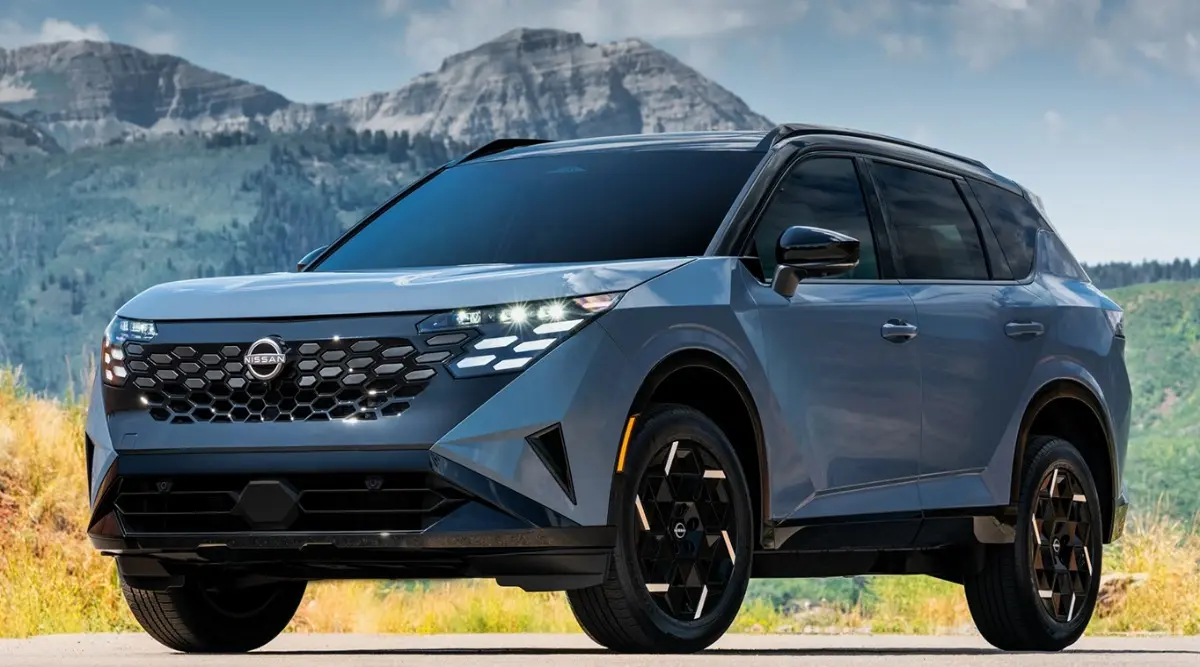
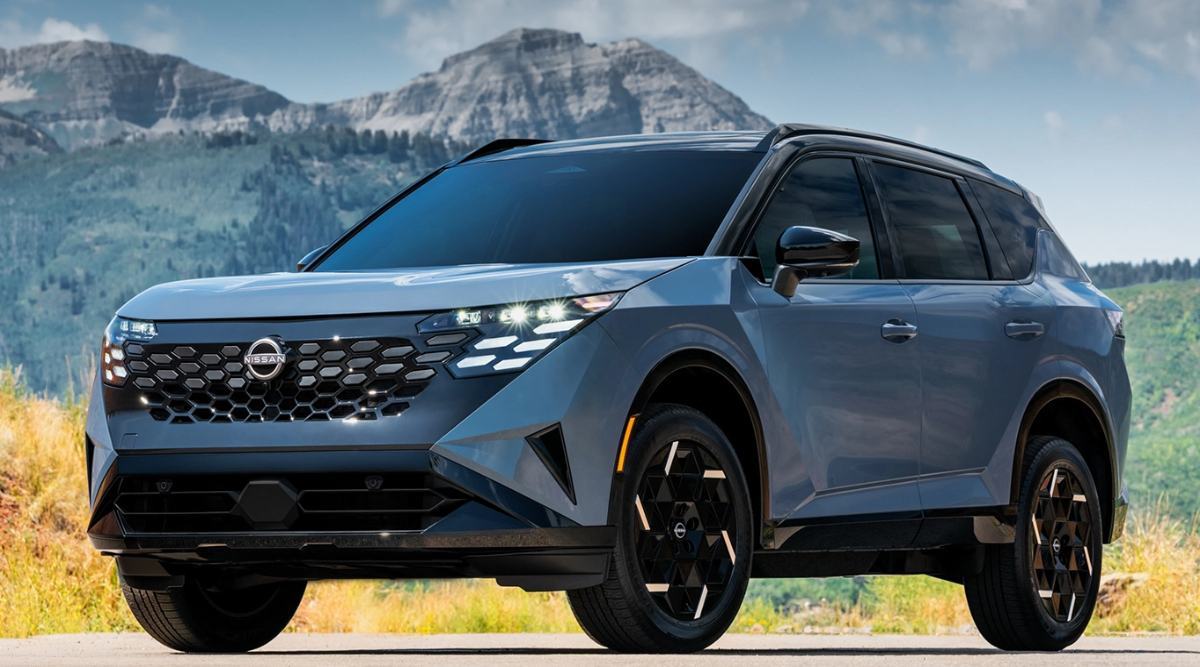
Nissan is officially bringing its proprietary e-POWER technology to the United States market with the introduction of the 2027 Nissan Rogue Hybrid. Unlike traditional parallel hybrids—which feature a direct mechanical connection linking the internal combustion engine (ICE) directly to the wheels—Nissan’s system operates as a series hybrid. In the Rogue Hybrid, the gasoline engine has one sole responsibility: spinning an onboard generator to supply electricity to the battery pack and dual electric motors.
There is no mechanical transmission or driveshaft connecting the engine to the wheels. Consequently, when drivers depress the accelerator, the vehicle responds with the silent, immediate torque delivery characteristic of a battery-electric vehicle (BEV).
Reviewers from Kelley Blue Book (KBB) note that the SUV mimics the driving dynamics of a true electric car. To enhance refinement, Nissan has integrated a novel "Smooth Stop" system, which automatically modulates brake pressure at the tail end of a stop to eliminate the characteristic head-toss often experienced in regenerative braking setups. The vehicle also features Nissan’s "e-Pedal" technology, enabling one-pedal driving that harvests kinetic energy and feeds electrons back into the battery pack as the vehicle decelerates.
However, despite its EV-like driving manners, the Rogue Hybrid is strictly a gasoline-burning vehicle. It features no external charging port. The primary energy source powering the electric motors is a turbocharged 1.5-liter, three-cylinder gasoline engine boasting a thermal efficiency rating of 42 percent. Nissan’s internal testing projects fuel economy figures of roughly 40 mpg in the city, 36 mpg on the highway, and 38 mpg combined, though official EPA certifications remain pending.
Chronology of e-POWER and the US Rollout
To understand the significance of the 2027 Rogue Hybrid, it is helpful to look at the timeline of Nissan’s powertrain development and its entry into the American market:
- Prior Years (Global Deployment): Nissan develops and refines its e-POWER series hybrid architecture, deploying it across international markets. The automaker reports selling more than 4 million e-POWER-equipped vehicles across 68 countries, utilizing the technology to bypass restrictive parallel hybrid patents held by competitors like Toyota.
- May 2026: Strategic shifts become apparent as reports highlight Nissan’s production adjustments for North America, balancing ongoing investments in traditional ICE trucks and SUVs alongside the delayed deployment of targeted electrified offerings.
- September 2026: Official details, interior specifications, and pricing structures for the 2027 Nissan Rogue Hybrid are released to the public, marking the first time the e-POWER system crosses the Atlantic to reach US consumers.
- Fall 2026: The initial wave of the 2027 Rogue Hybrid lineup hits US showrooms, starting specifically with the well-appointed Rogue Hybrid SR equipped with the Tech Package.
- Early 2027 (Scheduled): Remaining trim levels—including the SV, SV with Premium Package, SR (base), and the top-tier Platinum—are slated to arrive at dealerships nationwide.
Supporting Data and Pricing Breakdown
While Nissan pitches the e-POWER system as a bridge to full electrification, a close examination of the technical specifications reveals a modest battery capacity coupled with dual-motor performance metrics.
Technical Specifications
- Engine: Turbocharged 1.5-liter, 3-cylinder ICE (42% thermal efficiency) serving solely as a generator.
- Battery Capacity: 1.67 kWh (a relatively small pack designed for rapid charge and discharge cycles rather than extended energy storage).
- Electric Motors:
- Front Motor: 202 horsepower and 242 lb-ft of torque.
- Rear Motor: 134 horsepower and 144 lb-ft of torque.
- Total System Output: Capped at 225 horsepower (not a direct arithmetic sum of the individual motor outputs due to power delivery limits from the 1.67 kWh battery).
- Estimated Fuel Economy: 40 mpg city / 36 mpg highway / 38 mpg combined (internal estimates; official EPA ratings pending).
US Pricing Structure (2027 Model Year)
The vehicle enters the market below the current average transaction price for a new car in the United States, positioning it competitively within the compact SUV segment:
| Trim Level & Package | MSRP |
|---|---|
| 2027 Nissan Rogue Hybrid SV | $37,065 |
| 2027 Nissan Rogue Hybrid SV (with SV Premium Package) | $39,165 |
| 2027 Nissan Rogue Hybrid SR | $39,065 |
| 2027 Nissan Rogue Hybrid SR (with SR Tech Package) | $43,065 |
| 2027 Nissan Rogue Hybrid Platinum | $45,065 |
Official Responses and Industry Perspectives
Automotive executives are optimistic about how the vehicle will be received by mainstream consumers who may not yet be ready to commit to a fully electric vehicle, while independent analysts urge caution regarding marketing terminology.

Ponz Pandikuthira, Chief Product and Planning Officer for Nissan Americas, emphasized that the vehicle directly addresses consumer demand for traditional utility paired with improved efficiency:
"The all-new Rogue Hybrid is exactly what customers have been asking for: the functionality, technology, and packaging of a Rogue, now paired with an advanced hybrid powertrain that enhances efficiency while delivering a dynamic driving experience," Pandikuthira stated in the official press release. "By listening closely to customers and designing around their needs, we’ve created a hybrid SUV that delivers an agile and spirited driving experience while adding the benefits of a hybrid powertrain. The instantaneous torque delivery, with a quiet and efficient powertrain, will redefine what hybrid means in this segment."
Conversely, critics and independent EV advocates have raised concerns regarding potential consumer confusion. Comparisons drawn by automotive outlets like Kelley Blue Book to historical plug-in vehicles—such as the Chevrolet Volt—are structurally inaccurate. The Chevy Volt featured a 17 kWh plug-in battery pack capable of approximately 50 miles of pure electric driving, allowing many owners to operate almost exclusively on electricity for daily commutes.
In contrast, the Rogue Hybrid lacks a plug entirely and relies on a tiny 1.67 kWh battery pack. Because the battery is roughly one-tenth the size of the Volt’s historic pack, the onboard three-cylinder engine must cycle on frequently to generate electricity, meaning the vehicle runs exclusively on fossil fuels despite offering an electric-like driving feel. Critics argue that marketing terms reminiscent of historical "self-charging electric car" campaigns risk misleading buyers navigating a complex landscape of traditional hybrids, plug-in hybrid electric vehicles (PHEVs), and battery-electric vehicles (BEVs).

Implications for Consumers and the EV Transition
The arrival of the 2027 Nissan Rogue Hybrid highlights a broader industry trend: legacy automakers hedging their bets as the pace of EV adoption fluctuates. By introducing a series hybrid to the US market, Nissan is targeting buyers who desire the brisk acceleration and quiet ride of an electric vehicle without the perceived friction of home charger installation or public charging infrastructure dependency.
However, the vehicle’s long-term implications for clean transportation warrant close scrutiny. A typical battery-electric vehicle operating on the road today achieves an efficiency roughly three times greater than an internal combustion vehicle, often registering around 120 MPGe or higher. By comparison, the Rogue Hybrid remains tethered to liquid fossil fuels, yielding efficiency ratings anchored in the high 30s.
For the average consumer shopping for a compact SUV, the Rogue Hybrid offers familiar packaging, competitive pricing below $45,000 for top tiers, and an engaging drivetrain. Yet, prospective buyers must evaluate whether a series hybrid fulfills their personal sustainability goals, or if it represents a stopgap technology that maintains reliance on gas stations at a time when genuine, zero-emission alternatives are widely available.
