

Published August 16, 2026
Yoga Journal Archives Series
Main Facts
In the modern landscape of fitness, wellness, and mindful movement, tight hamstrings are practically a universal modern condition. Whether caused by a sedentary lifestyle characterized by hours of desk work or exacerbated by repetitive athletic pursuits like running, cycling, and weight training, posterior leg tightness plagues practitioners of all backgrounds.
When it comes to addressing this restriction, yoga offers a rich library of asanas (postures). However, many beginners—and even seasoned practitioners—encounter significant hurdles when attempting seated forward bends. These seated variations can often overexert the lumbar spine, leading to overstretching and lower back strain as students aggressively reach for their toes.
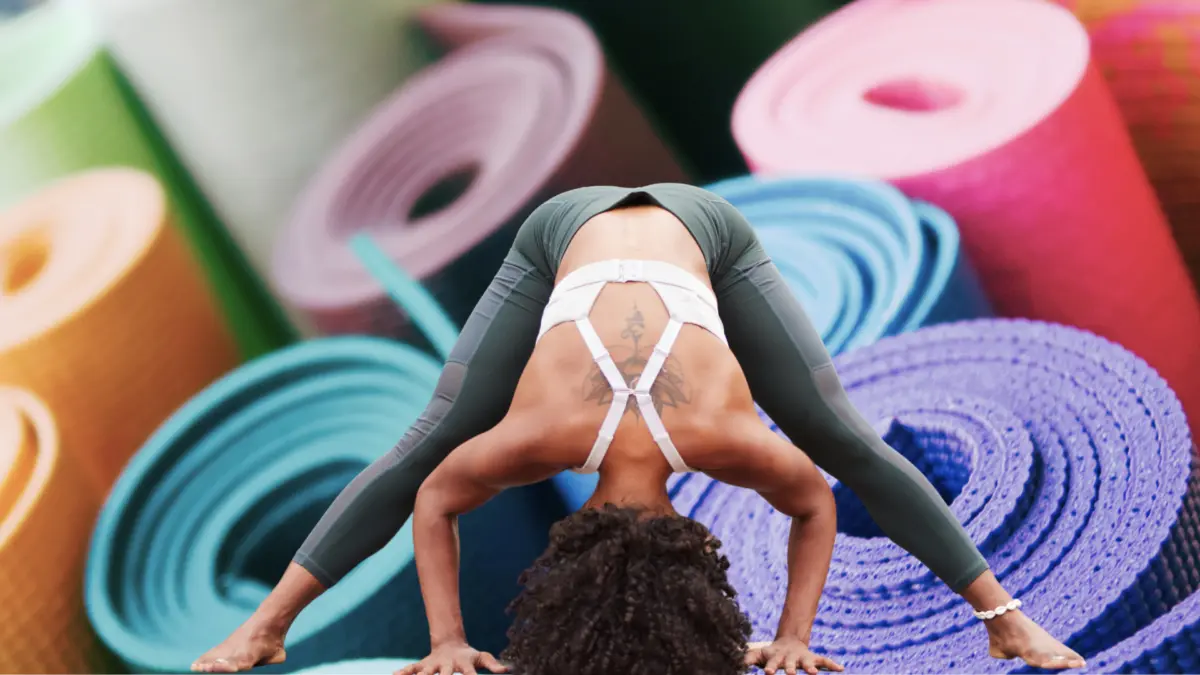
Enter Prasarita Padottanasana (Standing Wide-Legged Forward Bend or Extended Leg Stretch). Originating as a foundational posture in classical alignment-based yoga, this asana remains one of the most effective, accessible, and spine-friendly tools in the practitioner’s toolkit.
By leveraging the gentle, natural assistance of gravity, Prasarita Padottanasana allows practitioners to bypass the intense lumbar compression typical of seated forward folds. Furthermore, because the legs are abducted (wide apart), the intense tension usually concentrated in the center of the hamstrings is distributed more evenly. This geometry not only targets the primary hamstring fibers but also engages and stretches the adductor muscles of the inner thighs, all while strengthening the spinal erectors, core, and glutes during the transition phases.
Chronology: The Evolution of a Classic Asana Guide
To understand the enduring brilliance of Prasarita Padottanasana, it is helpful to look back at how instructional methodologies have evolved over the decades within the global yoga community.
- 1975: Yoga Journal is established, creating a dedicated print platform to document, analyze, and standardize yoga instruction, philosophy, and alignment principles for Western practitioners.
- September–October 1986: A definitive instructional guide detailing the mechanics, anatomical benefits, and safety precautions of Prasarita Padottanasana is published in the print edition of Yoga Journal, featuring photography by Elise Miller. This piece establishes clear guidelines for utilizing props like blankets, books, and chairs for stiff practitioners.
- Decades Following (1990s–2010s): The principles outlined in the 1986 archive become bedrock teachings in modern teacher training programs (RYT-200 and RYT-500), influencing how instructors cue safe hamstring lengthening without compromising the lumbar curve.
- August 2026: Yoga Journal officially resurfaces and digitizes the landmark 1986 text as part of its ongoing Archives Series. This release reintroduces classical anatomical wisdom to a new generation of practitioners navigating modern sedentary ailments.
Supporting Data & Anatomical Breakdown
A closer examination of the biomechanics involved in Prasarita Padottanasana reveals why this posture has remained a staple across generations of yoga instruction.
1. The Geometry of Leg Placement
In traditional instruction, practitioners are advised to set their feet at least four feet apart, ensuring absolute alignment of the toes. This wide stance achieves two primary biomechanical goals:
- Tension Reduction: As noted in historical archival data, the closer the legs are kept together, the more intense and isolated the hamstring stretch becomes. Spreading the legs apart reduces the acute pull on the back of the knees and upper thighs, allowing stiffer students to safely experience a release in posterior chain tension.
- Inner Thigh Engagement: The wide abduction naturally targets the adductor longus, adductor magnus, and gracilis muscles, promoting lateral flexibility in the pelvis and hips.
2. Protecting the Vertebral Column
One of the greatest risks in forward-bending asanas is the flattening or rounding of the lumbar spine (the lower back). When the spine rounds, intervertebral discs experience uneven pressure.
- Prasarita Padottanasana emphasizes keeping the back long and slightly curved (maintaining its natural lordotic curve) by engaging the gluteal and abdominal muscles.
- By hinging from the hip joints rather than collapsing the chest, the practitioner uses the core to support the trunk’s descent against gravity.
3. Prop Usage for Restricted Practitioners
Anatomical variations, genetic predispositions, and chronic tightness mean not every student can touch their head or hands to the floor on day one. Archival teaching methodologies heavily advocate for prop-assisted variations:
- Folded Blankets and Blocks: Elevating the floor via a stack of books or a firm yoga blanket allows practitioners to maintain a flat, unrounded back while resting their hands.
- Chairs: For individuals with extreme posterior tightness, utilizing the seat of a sturdy chair ensures the torso remains supported, preventing strain on the cervical and lumbar spine.
Official Responses & Expert Perspectives
Leading voices in anatomical movement and yoga therapy continually reference wide-legged forward bends as a benchmark for teaching safe hinge mechanics.
Kinesiologists and physical therapists point out that modern humans spend upwards of eight to ten hours a day sitting. This chronic hip flexion shortens the hamstring complex and deconditions the deep stabilizing muscles of the spine. When individuals attempt to stretch out of this tightness abruptly, injury rates spike.
"The brilliance of Prasarita Padottanasana lies in its inverted nature combined with a wide base of support," notes a prominent somatic movement educator. "It acts as a mechanical reset. Because the head hangs below the heart, the nervous system receives a calming cue, shifting the body out of ‘fight or flight’ and into a parasympathetic state. Simultaneously, the quadriceps act as anchors—engaging the front of the thighs prevents the knee joints from slipping into dangerous hyperextension."
Furthermore, senior yoga instructors emphasize that the posture serves a dual purpose within a class sequencing framework. Placed late in a standing sequence, it functions as a cooling bridge. It allows the heart rate to normalize after high-energy balancing or strength-building poses, while preparing the body and mind for deeper inversions such as Sirsasana (Headstand) or more complex seated forward folds.
Implications for Modern Practitioners
As yoga continues to evolve alongside digital fitness trends, the rediscovery of archival wisdom offers vital lessons for practitioners navigating today’s lifestyle challenges.
1. Shifting Away from Ego-Driven Practice
In an era dominated by hyper-curated social media feeds, the pressure to achieve "ideal" shapes—such as aggressively forcing the head flat onto the floor or pulling violently on the ankles—remains high. The foundational teachings of Prasarita Padottanasana remind practitioners that yoga is an internal discipline of breath and alignment, not an aesthetic performance. Holding the breath is explicitly identified as a sign of resistance and muscular tension; maintaining an even, rhythmic breath is the ultimate indicator of a sustainable practice.
2. Longevity and Joint Health
By prioritizing spinal integrity over depth, practitioners safeguard their joints against premature wear and tear. Utilizing modifications (such as blocks or chairs) is no longer viewed as a sign of weakness, but rather as an intelligent, anatomy-informed approach to lifelong mobility.
3. A Mindful Transition Tool
Beyond its physical benefits, the posture acts as a mental sanctuary. The combination of an inverted perspective, deep hamstring release, and controlled breathing provides a powerful antidote to modern cognitive fatigue.
Whether studied through the lens of a 1986 journal entry or practiced on a mat today, Prasarita Padottanasana stands as a testament to timeless alignment principles—proving that true flexibility is born not from force, but from intelligence, patience, and gravity.
