Published: September 7, 2026 Category: Health & Wellness / Fitness
Main Facts
In an era defined by sedentary lifestyles, remote desk work, and prolonged sitting, chronic hip tightness has become a near-universal physical complaint. Addressing this widespread discomfort, wellness expert and yoga instructor Kassandra has released a specialized 15-minute restorative and strengthening yoga routine designed specifically to target tight hips, quadriceps, and hamstrings.
While the shapes utilized in the sequence—such as Goddess, Triangle, and Extended Side Angle—may appear deceptively simple to the uninitiated, the practice delivers a high-intensity, effective stretch. Characterized by a slower-paced yet deeply challenging flow, the routine utilizes longer holds to release persistent muscular tension. Furthermore, because hip stiffness is inextricably linked to tightness in neighboring muscle groups, the sequence incorporates targeted hamstring and quad releases to ensure a holistic lower-body restoration.
The complete session requires no specialized props, though practitioners are encouraged to keep blocks or household substitutes nearby to modify poses as needed. The routine bridges active strengthening with deep, passive stretching, making it an efficient option for athletes, desk workers, and anyone seeking to improve overall lower-body mobility.
Chronology: Step-by-Step Breakdown of the 15-Minute Routine
To maximize the therapeutic benefits of the sequence, the practice follows a deliberate, anatomical progression. It begins with gentle decompression, transitions into dynamic hip-opening flows, and concludes with deep restorative holds and a grounding meditation.
Phase 1: Grounding and Initial Decompression
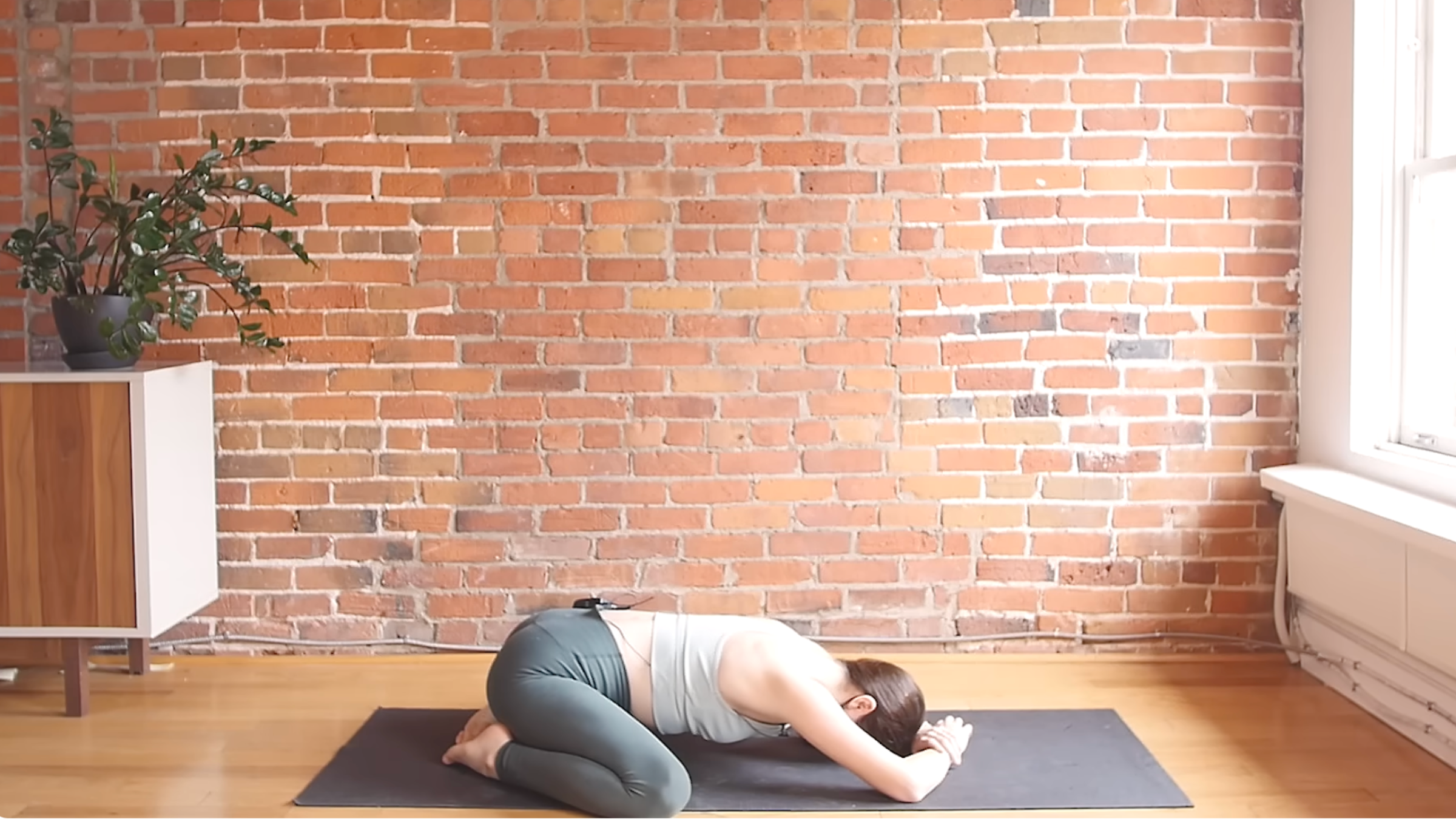
Wide-Legged Child’s Pose: The practice commences with a wide-legged Child’s Pose. Practitioners bring their big toes together, send their knees as wide as comfortable to avoid inner-thigh strain, and melt their foreheads toward the mat. By encouraging heavy hips and relaxed bellies, students are cued to direct their breath mentally into areas of maximum intensity for three prolonged breaths.
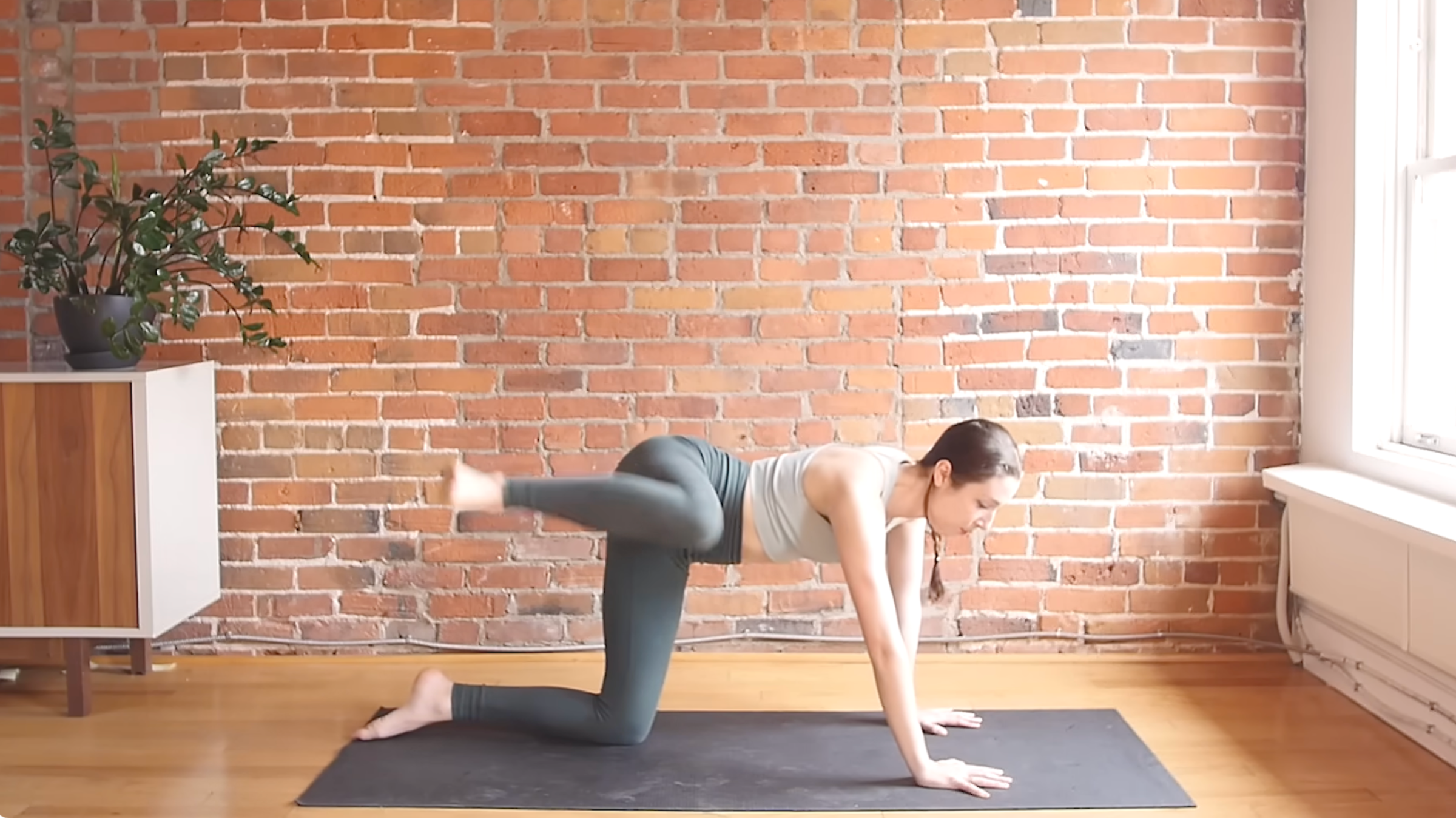
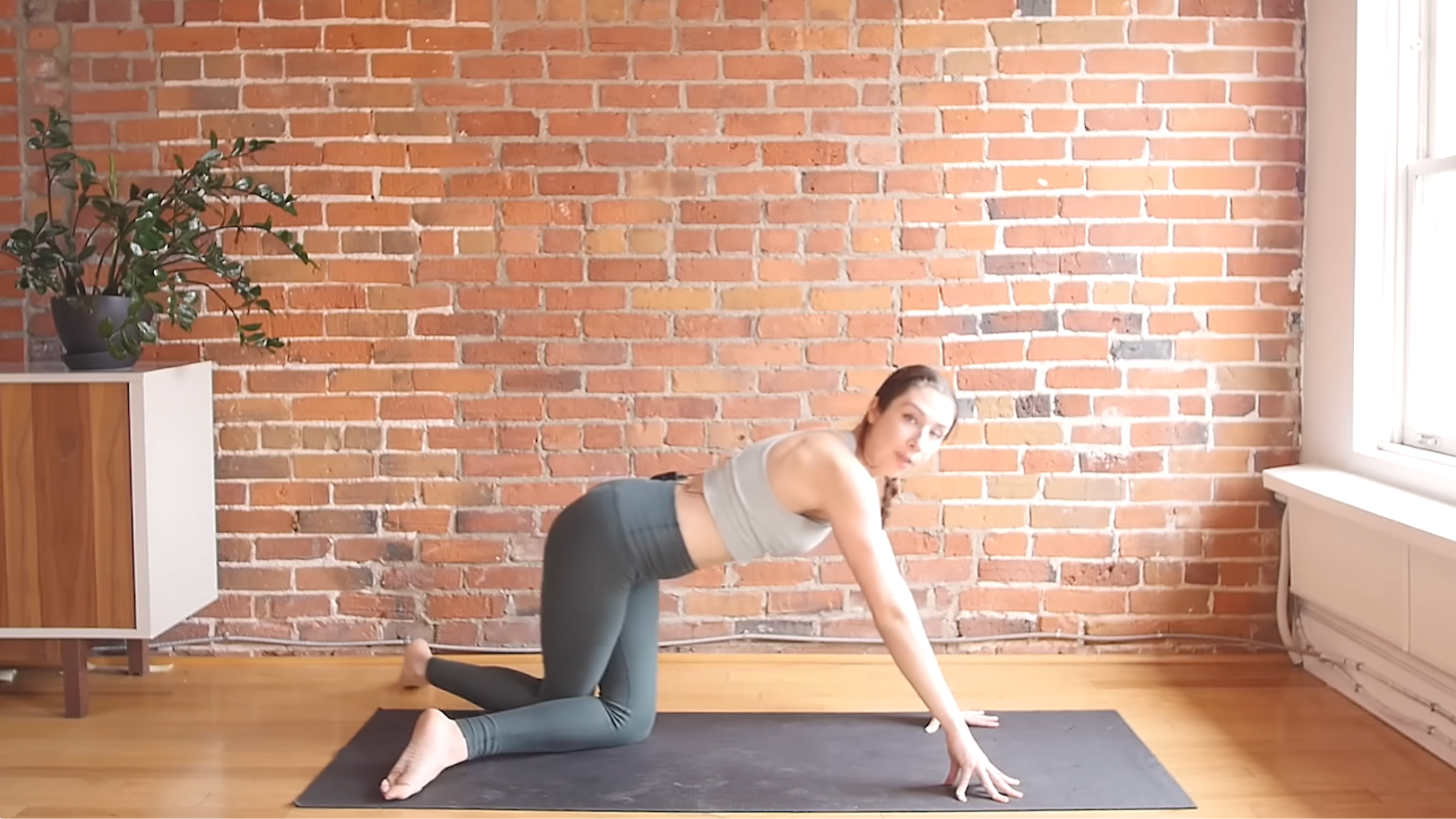
Hip Circles: Transitioning to a tabletop position on hands and knees, practitioners kick their right heel upward and trace expansive circles with the knee, maintaining core and limb stability before reversing directions.
Phase 2: Dynamic Lunges and Deep Openers
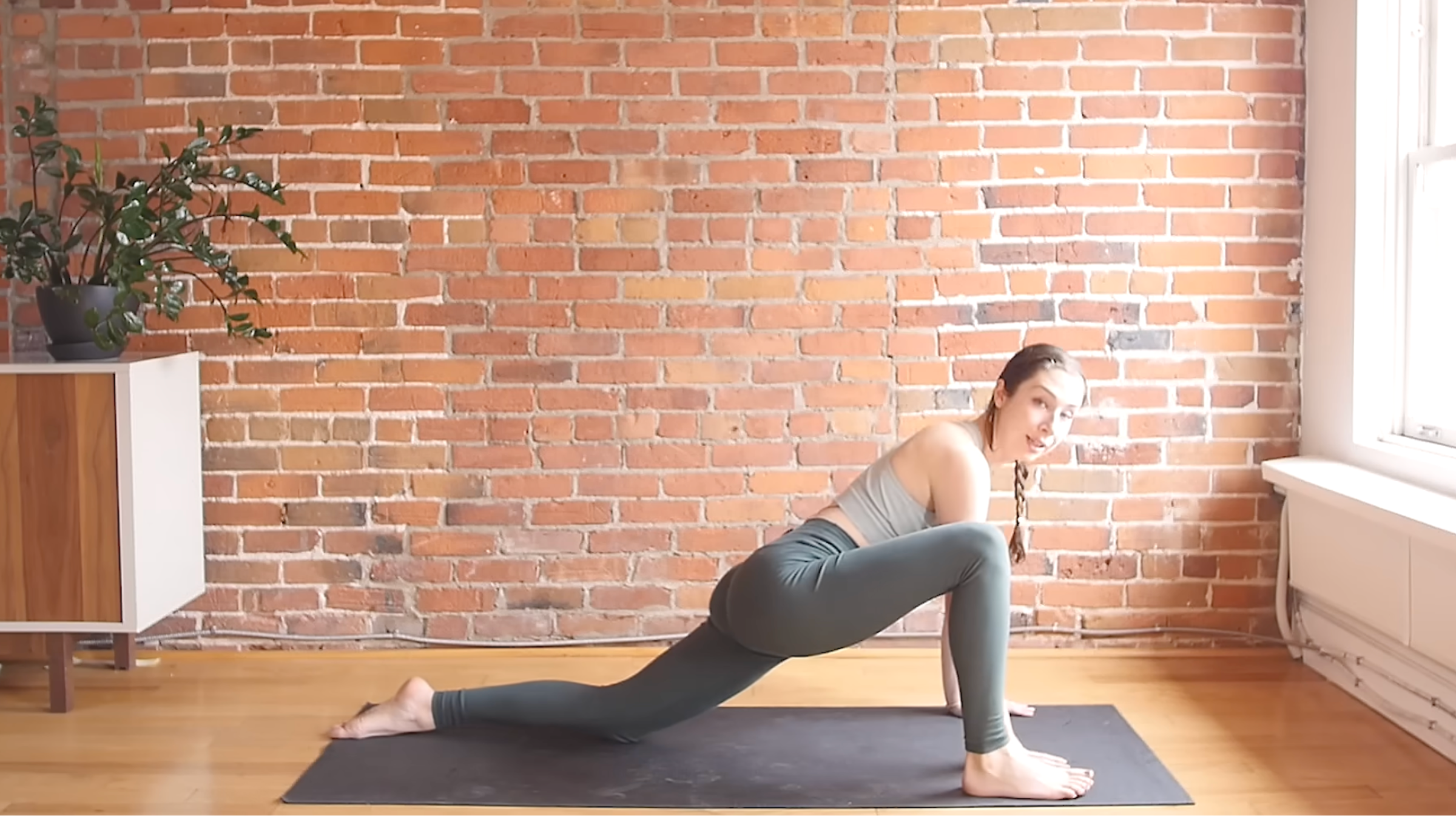
Lizard Pose: Stepping the right foot to the outer edge of the right hand, practitioners roll onto the outer edge of the foot, pressing the knee outward. Rising onto the fingertips opens the chest, inviting deep, steady breaths into the hip joint.
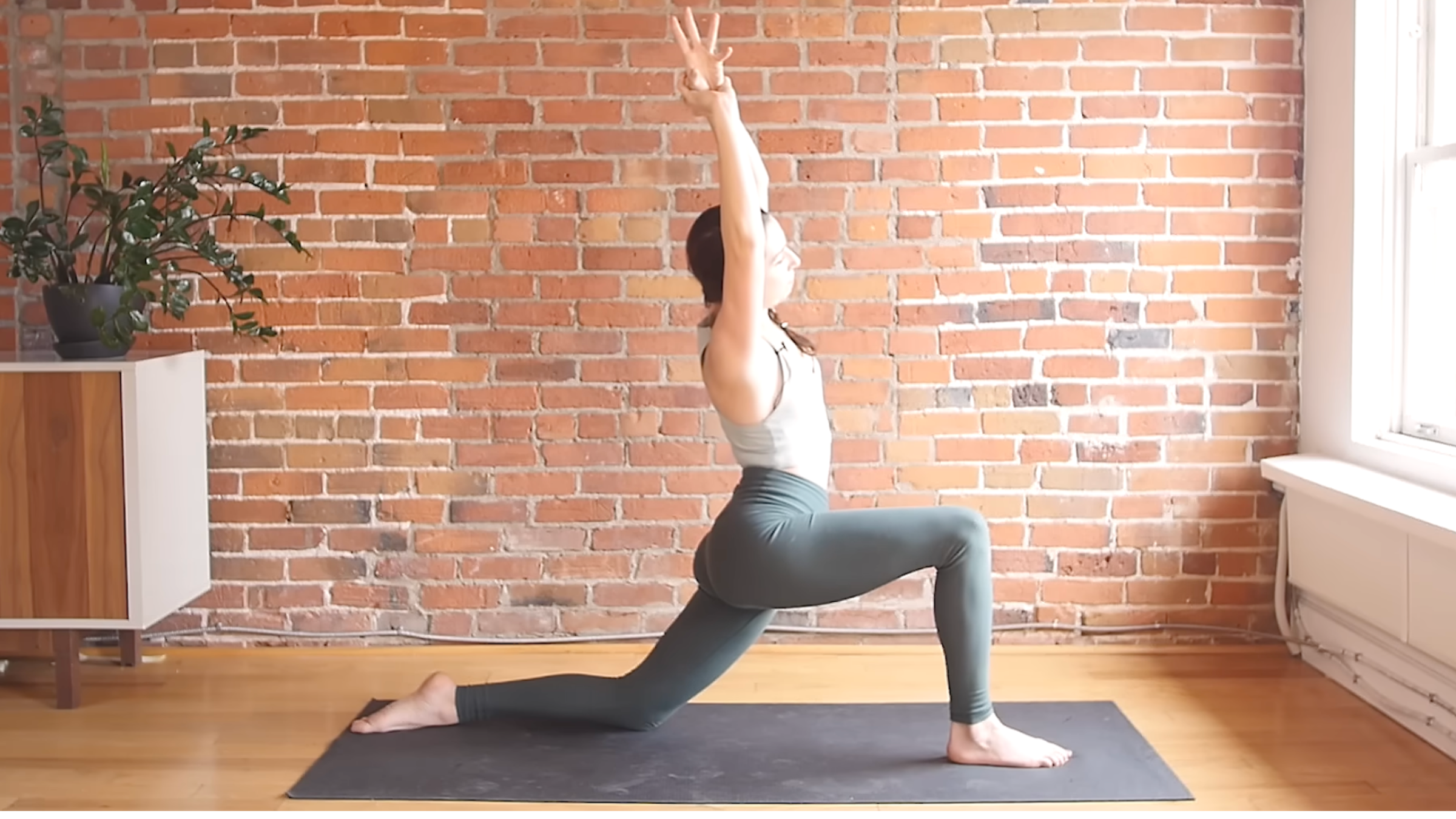
Low Lunge with Side Bend: Pushing into the front foot and back knee, practitioners rise to a Low Lunge. By grasping the left wrist with the right hand and side-bending to the right, the stretch expands from the hip flexor up through the entire side body.
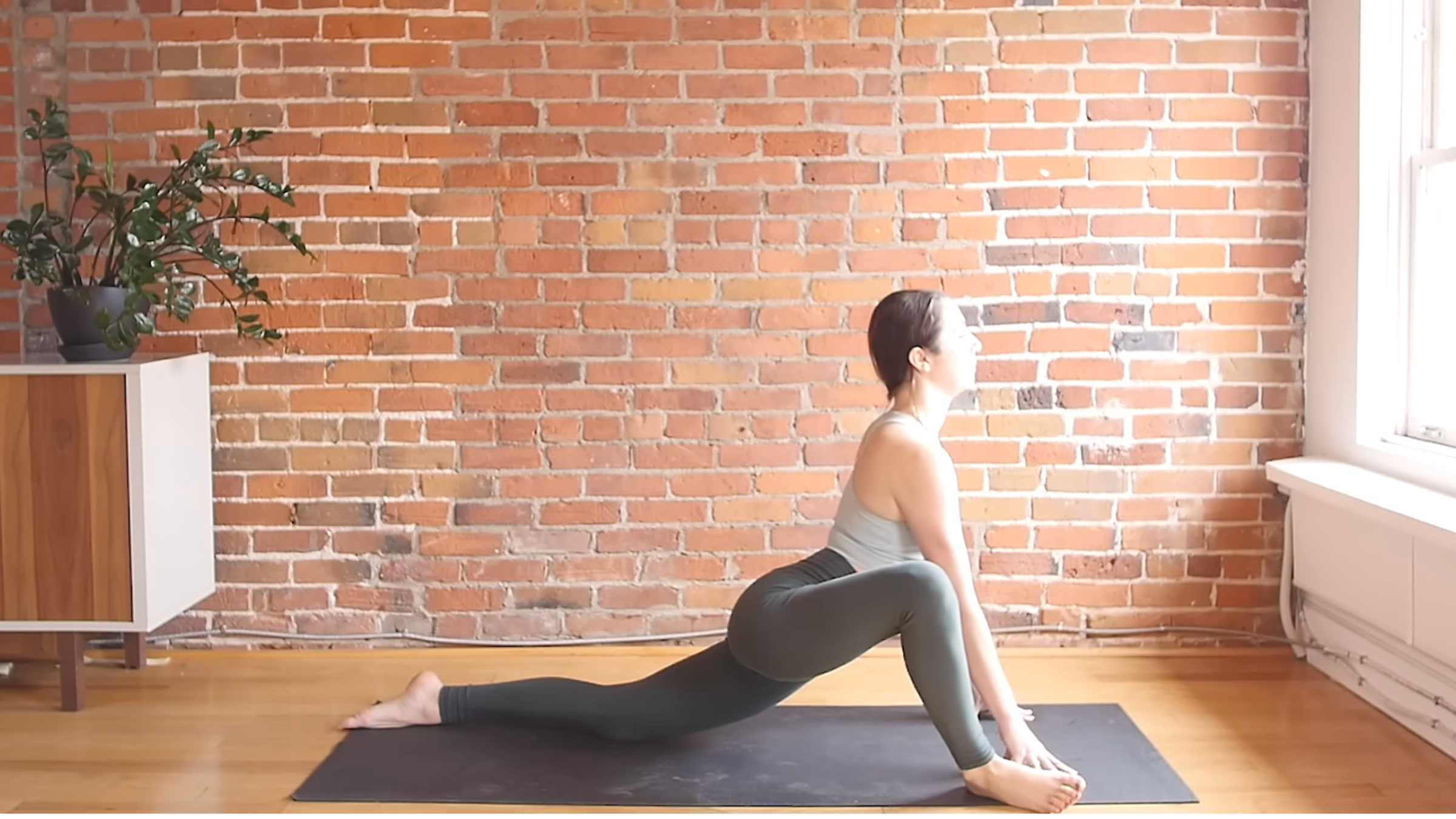
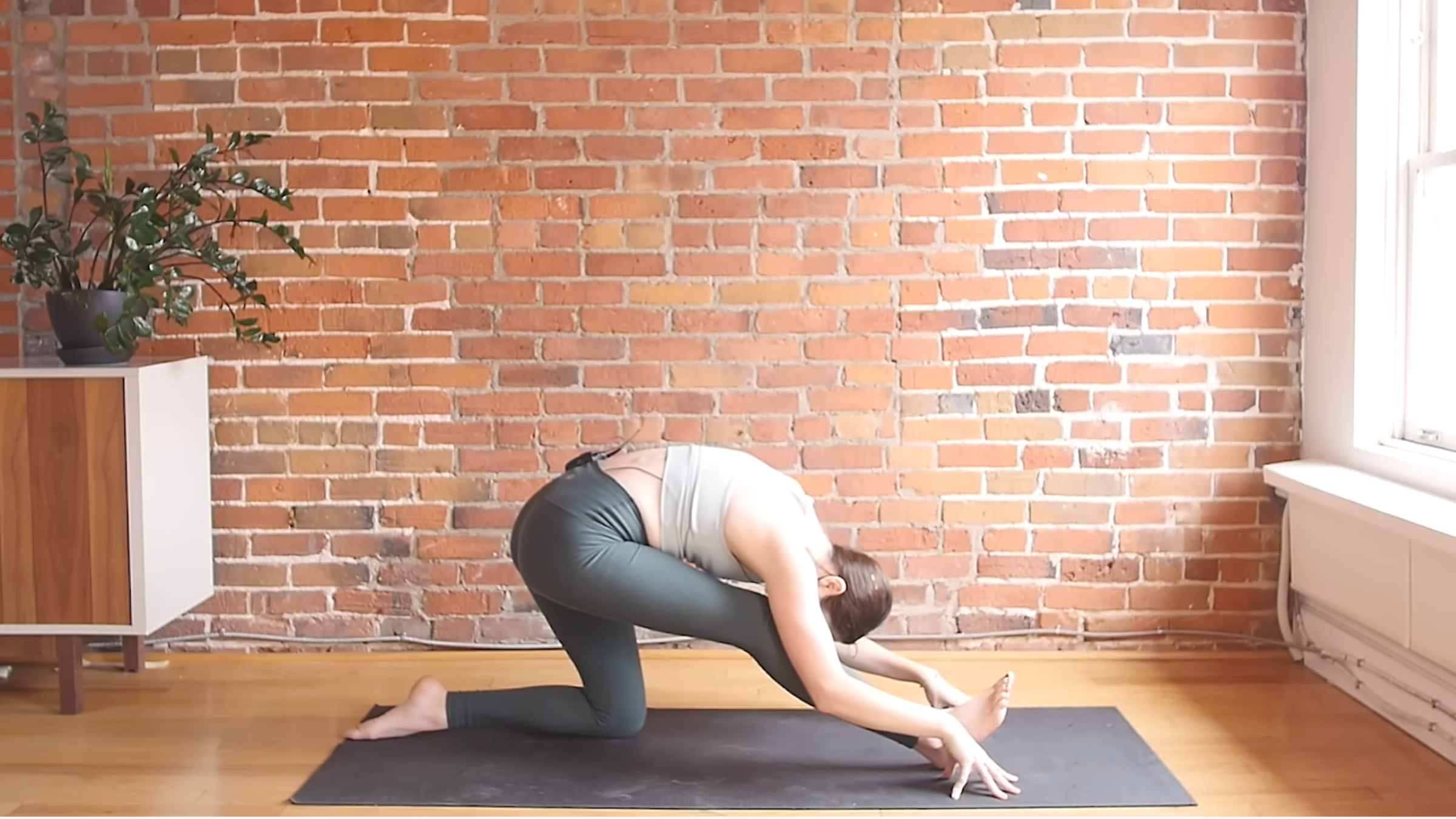
Half Splits: Hinging at the hips, practitioners drop their fingertips to the mat and straighten the front leg into Half Splits, directly addressing the hamstring stiffness that typically accompanies hip tightness.
Phase 3: Advanced Openers and Symmetry
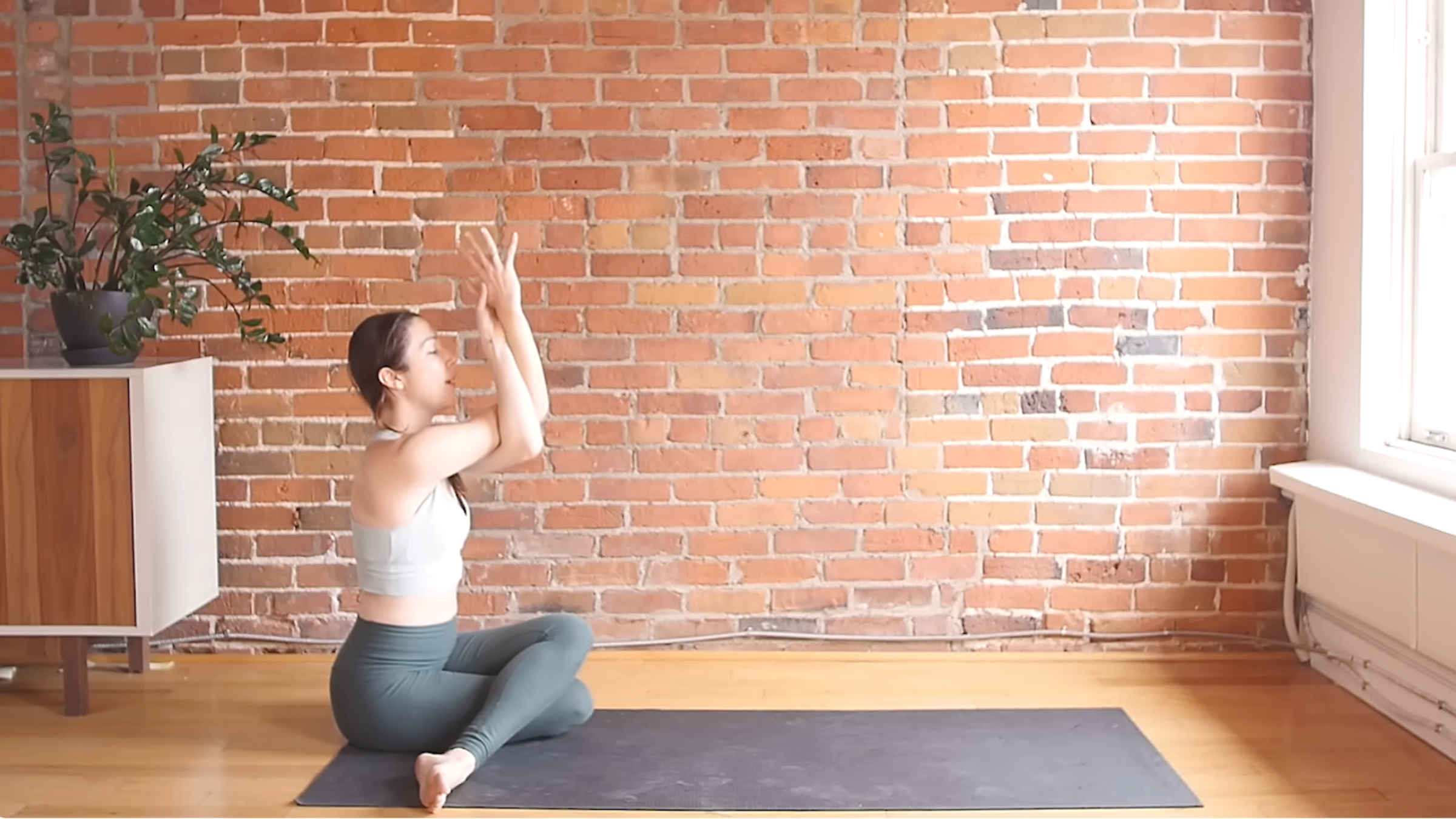
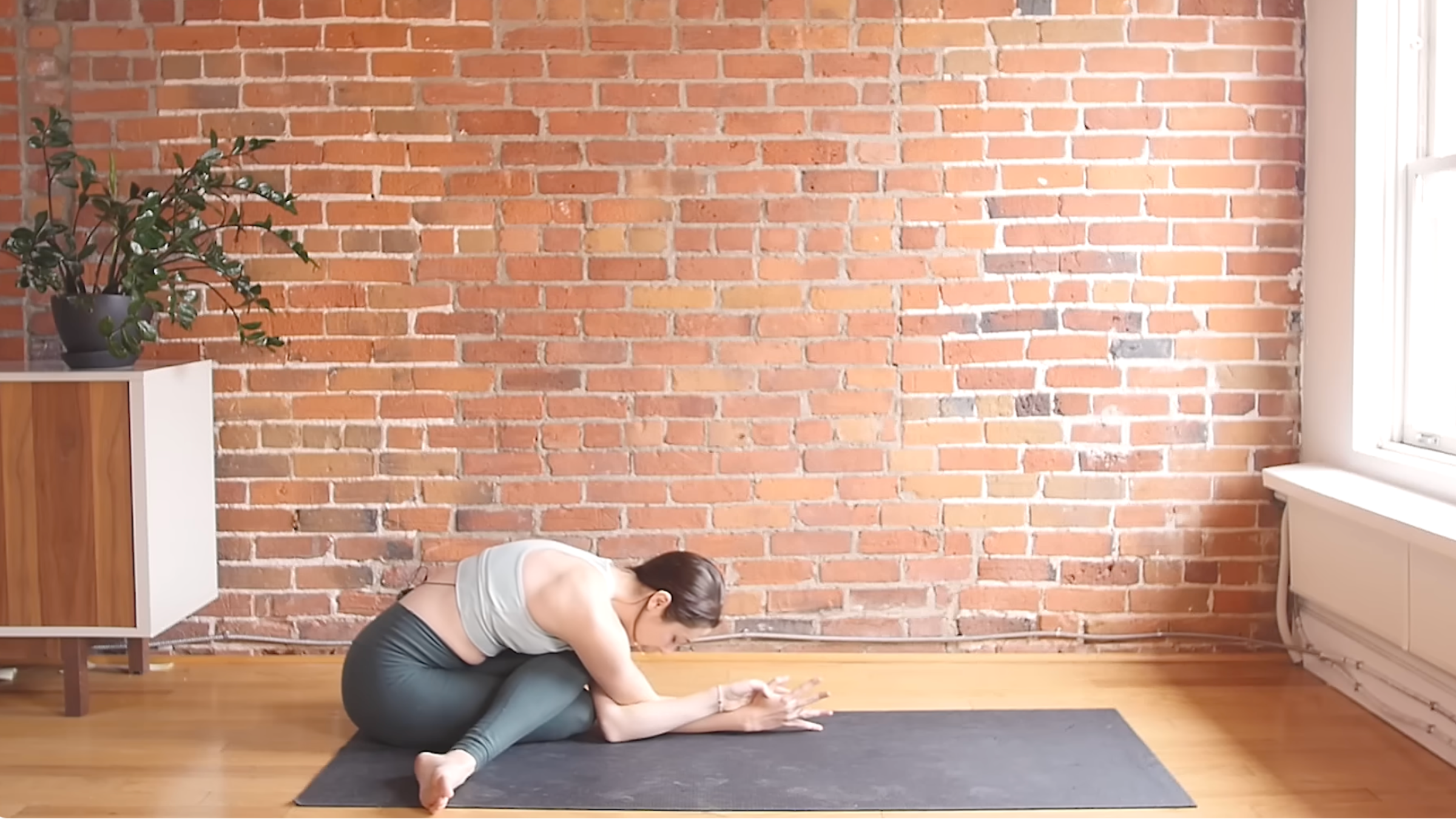
Cow Face Pose (Gomukhasana) and Eagle Arms: By crossing the right knee behind the left and widening the feet away from the hips, practitioners sink back into a seated posture with stacked knees. The intensity can be amplified by threading the left arm under the right into Eagle Arms and folding forward for five deep breaths.
Downward-Facing Dog & Symmetry: After transitioning through a pedaling Downward-Facing Dog, the entire sequence—from Hip Circles through Cow Face Pose—is repeated on the opposite side to ensure muscular balance.
Phase 4: Standing Strength and Mobility
Goddess Pose: Rolling up to standing, practitioners turn their heels inward at a 45-degree angle, bending their knees into a wide squat while engaging the glutes and shoulder blades. Alternating shoulder drops add a spinal twist to the hip opener.
Skandasana (Side Lunge): Shifting weight from side to side, practitioners sink their hips low into Skandasana, flexing the extended foot toward the ceiling to mobilize the adductors.
Wide-Legged Standing Forward Bend: Transitioning into a symmetrical fold, practitioners release tension in the lower back and hamstrings before returning to a standing position.
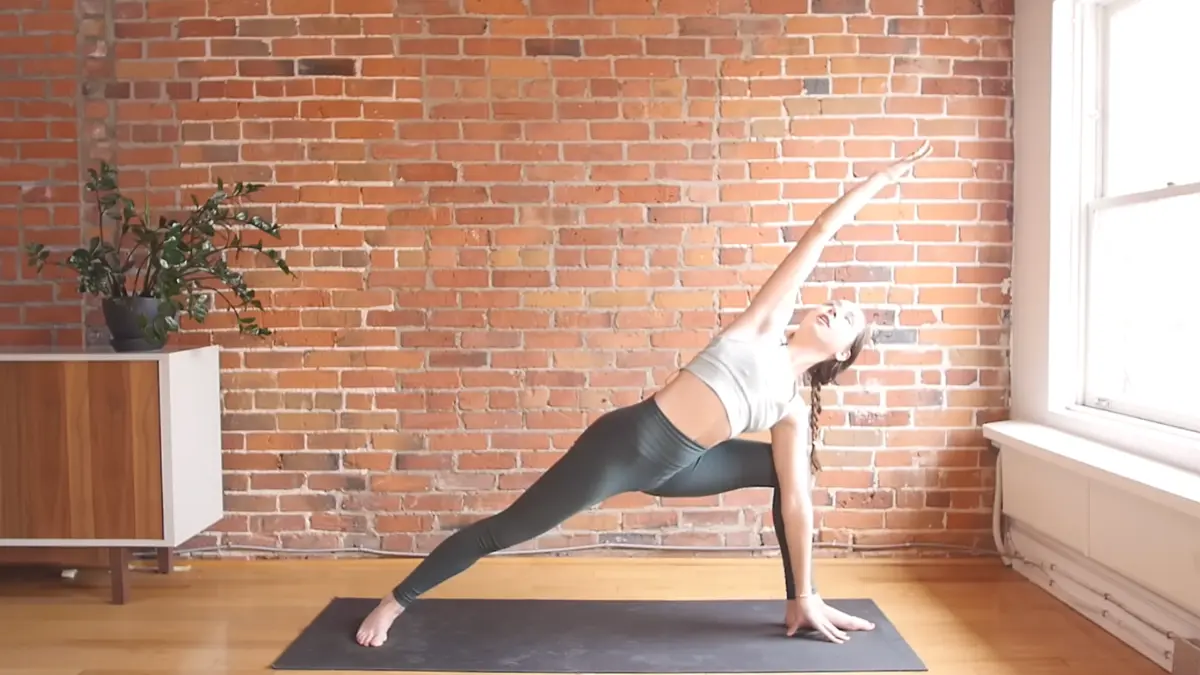
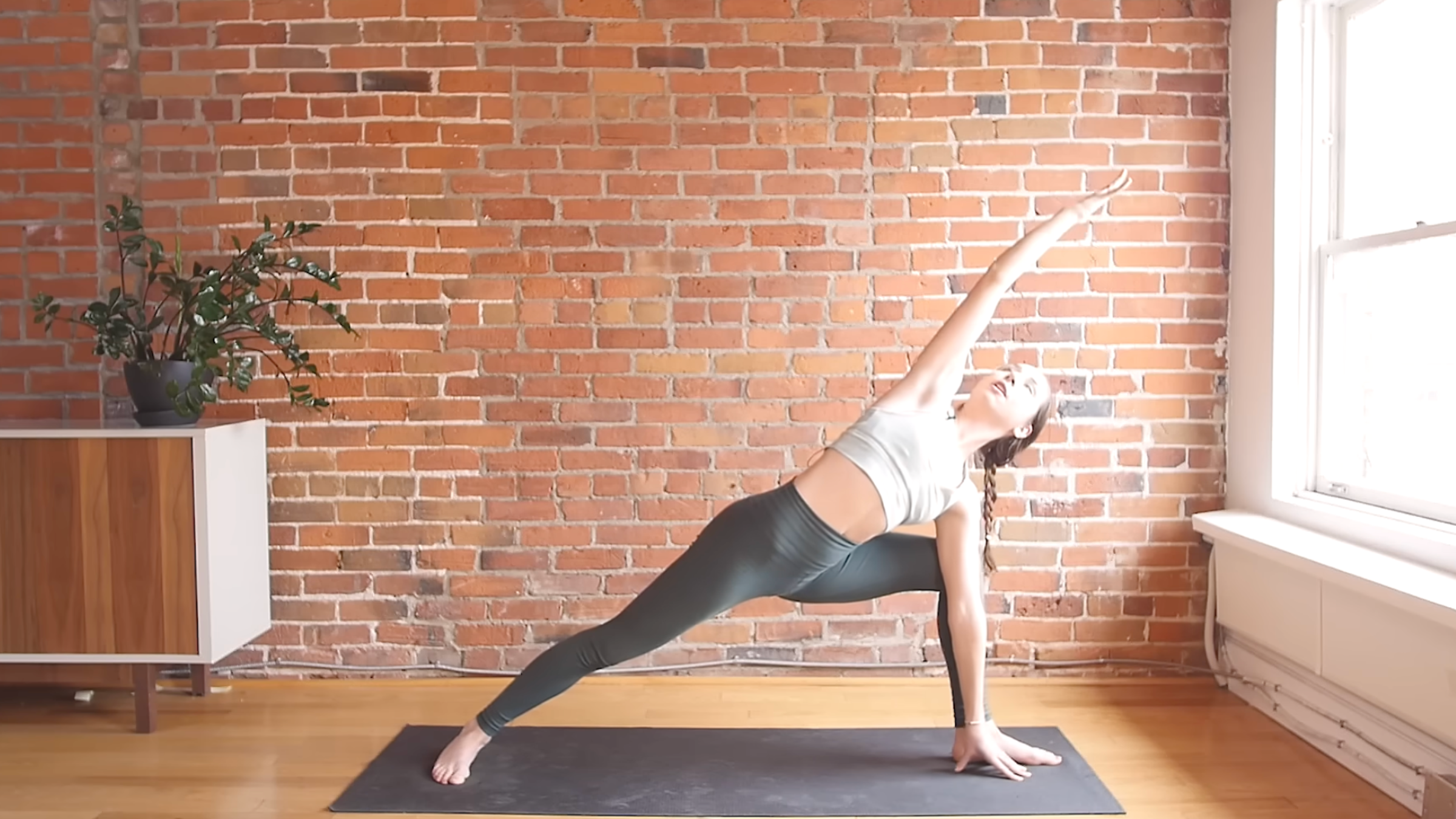
Extended Side Angle, Warrior 2, and Reverse Warrior: A powerful standing trio that builds heat, strengthens the legs, and stretches the side body, executed on both the left and right sides. Practitioners then transition through a traditional Vinyasa flow (Plank, Chaturanga, Cobra) into Downward-Facing Dog.
Phase 5: Surrender and Closing Integration
Three-Legged Dog to Pigeon Pose: Lifting the right leg high and opening the hip in Three-Legged Dog, practitioners sweep the right knee forward into Pigeon Pose. Gravity is utilized to relax the hips during a five-breath forward fold. Advanced practitioners have the option to lift into a backbend and bend the back knee to incorporate an active quad stretch before repeating on the opposite side.
Seated Meditation Closing: Eschewing the traditional Savasana (corpse pose) common in longer classes, this rapid routine concludes with a comfortable seated meditation. Practitioners are guided to sit tall, observe the physical and emotional shifts within their bodies, and take a moment of gratitude for carving out time for self-care.
Supporting Data: The Anatomy of Lower-Body Tightness
To understand why a 15-minute targeted sequence can yield profound results, it is essential to examine the physiological mechanics of the lower kinetic chain.
The Sedentary Epidemic: Medical and fitness research consistently indicates that prolonged sitting forces the hip flexors (primarily the psoas and iliacus) into a chronically shortened state. Over time, this leads to adaptive shortening, postural imbalances, and lower back pain.
The Hip-Hamstring Nexus: The hip joint is controlled by a complex web of muscles—including the gluteals, adductors, rotators, and quadriceps—that interface directly with the hamstrings. Tightness in the hip rotators (targeted by poses like Cow Face and Pigeon) almost universally restricts hamstring flexibility.
Time Efficiency of Longer Holds: While dynamic stretching is effective for warm-ups, connective tissue and deep fascial restrictions require sustained tension to release. Holding poses like Lizard or Pigeon for 5 slow breaths leverages viscoelastic deformation, allowing soft tissues to lengthen safely without triggering the body’s protective stretch reflex.
Official Responses and Expert Perspective
Fitness experts and physical therapists have increasingly advocated for micro-dosing mobility work throughout the week rather than relying solely on sporadic, high-intensity workouts.
Kassandra emphasizes that the mental and emotional components of physical release are just as vital as the physical stretch. In statements accompanying the release of the routine, she notes:
"These poses can seem deceptively simple in that there’s nothing tricky in terms of the shapes. However, they are fairly intense and effective hip stretches… Give yourself a few moments to really process the work that you’ve done, feeling its effects, not only physically but also emotionally."
Physical therapy advocates support this sentiment, noting that the pelvic region is a primary storage site for somatic stress. Opening the hips often triggers a release of emotional tension, which explains why practitioners frequently report a profound sense of mental clarity and calm following deep hip-opening sequences.
Implications
The widespread accessibility and rapid format of routines like the 15-minute hip stretch carry significant implications for modern workplace wellness and preventive healthcare.
Accessibility for Busy Lifestyles: One of the primary barriers to consistent exercise and mobility work is a lack of time. By condensing an effective, full-spectrum hip and hamstring opener into 15 minutes, instructional content creators are removing friction for individuals struggling to maintain fitness habits amidst demanding schedules.
Injury Prevention and Ergonomics: As corporate structures continue to embrace hybrid and remote work models, home ergonomic setups frequently fall short of industrial standards. Routines that counteract the postural damage of hunching over laptops and sitting on couches serve as a crucial, low-cost preventive measure against chronic musculoskeletal disorders, sciatica, and lower-back surgeries.
The Shift Toward Mindful Recovery: The integration of a seated meditation in lieu of traditional relaxation underscores a broader cultural shift in fitness. Consumers are increasingly valuing practices that address both physical capability and mental regulation, positioning yoga not merely as a workout, but as an indispensable tool for holistic stress management.