

Main Facts: The Disconnect Between Funding Rhetoric and Operational Reality
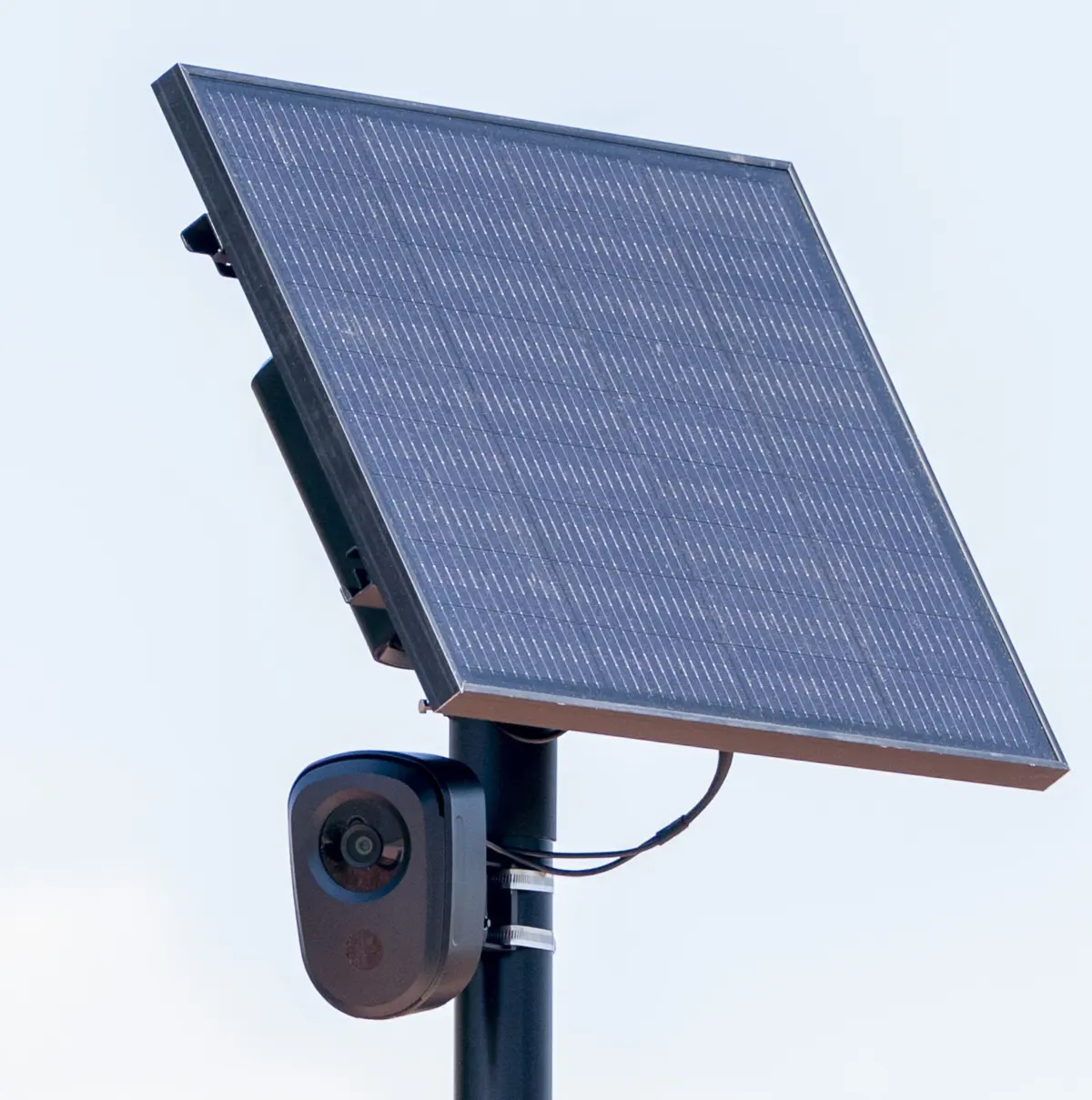
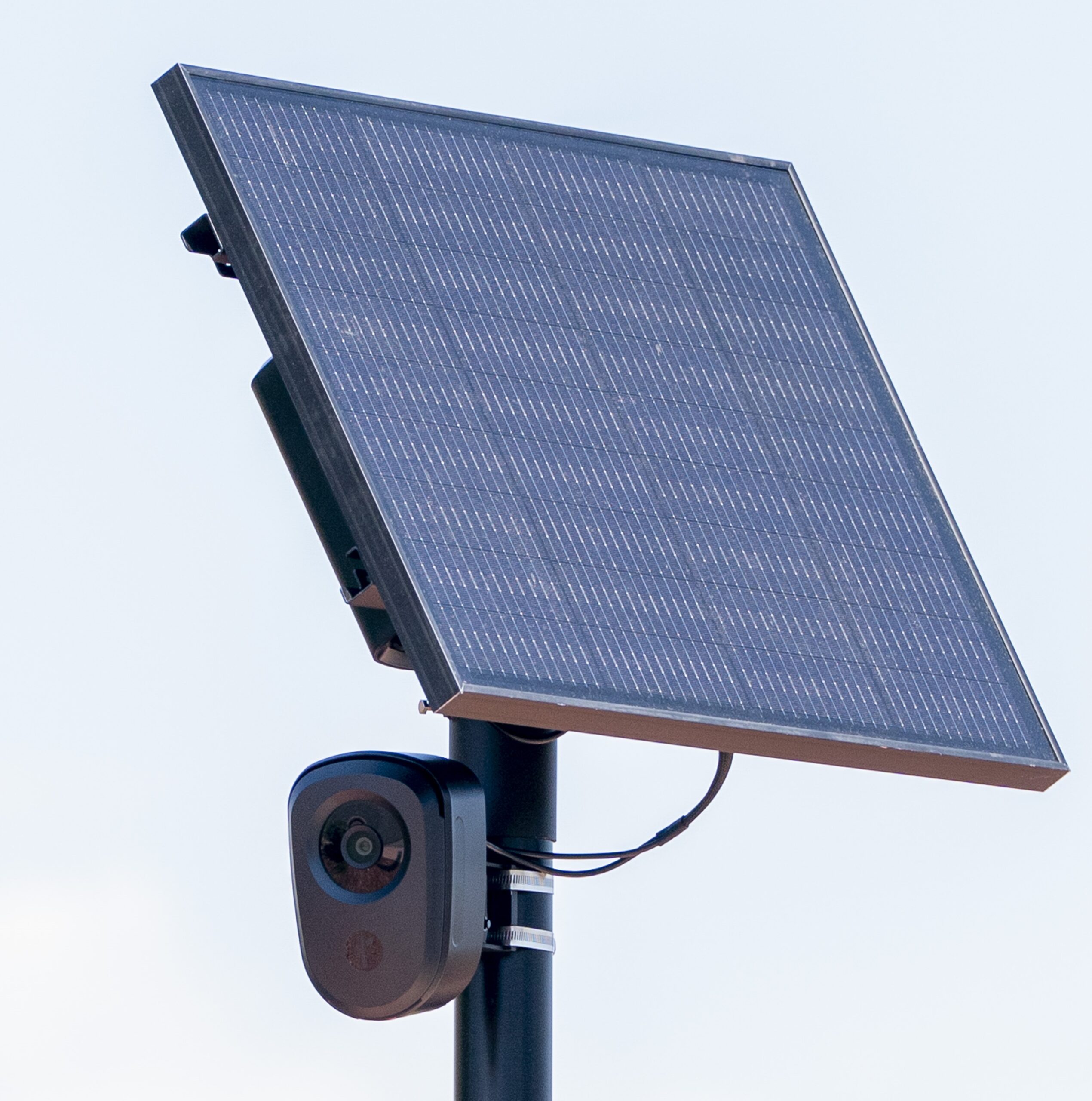
In June 2025, the Cottonwood Police Department (CPD) secured a $213,992.80 grant from the Arizona Department of Public Safety (DPS). The explicit, primary justification presented to the public and city council for these funds was to "enhance law enforcement services and programs that reduce human trafficking within the state." The grant was used to expand the department’s network of automated license plate readers (ALPRs), high-tech surveillance cameras manufactured by Flock Safety that capture real-time vehicle movements.
However, public records obtained from the Coconino County Sheriff’s Office (CCSO)—which maintains a critical regional Flock camera network integrated with Cottonwood’s system—reveal a stark disconnect between the grant’s stated purpose and actual law enforcement operations.
During the first seven months of 2026, the Cottonwood Police Department ran 649 searches of CCSO’s license plate reader network. Not a single one of those searches was categorized as a human trafficking interdiction. Instead, the surveillance database was overwhelmingly queried for local, routine offenses, traffic infractions, and domestic disputes.
This finding is part of a broader pattern across Northern Arizona. Despite regional law enforcement agencies increasingly citing human trafficking to secure high-value state grants and capital appropriations, local utilization of ALPR networks for trafficking interdiction is virtually non-existent.
An analysis of CCSO’s network audit logs, obtained via public records requests by Larson Newspapers, shows that between January 1, 2026, and July 22, 2026, a total of 3,259,997 searches were conducted on CCSO’s 20-camera network by 3,815 law enforcement agencies nationwide. Of those millions of queries, only 12,163—a minuscule 0.37%—cited human trafficking as the reason for the search. Within the Verde Valley, no local law enforcement agency logged a single search for human trafficking during this period.
CCSO ALPR Network Searches (Jan 1 - July 22, 2026)
│
├── Total Network Searches: 3,259,997 (100%)
└── Human Trafficking Searches: 12,163 (0.37%)
     ├── Sole Category: 9,526
     └── Multi-Category: 2,637
Chronology: The Proliferation of ALPR Surveillance in Northern Arizona
The rapid expansion of license plate reader networks across Coconino and Yavapai counties has occurred over several years, fueled by state grants and regional data-sharing agreements.
- 2021: First Deployment
The Cottonwood Police Department installs its first four stationary ALPR units, establishing a baseline footprint for automated vehicle tracking in the Verde Valley. - Early 2024: Camp Verde Enters the Grid
The Camp Verde Marshal’s Office (CVMO) deploys two stationary Leonardo-brand ALPR cameras at the intersection of Finnie Flat Road and Cliffs Parkway, monitoring key entry and exit corridors. - June 2025: The Anti-Trafficking Windfall
Cottonwood PD requests and receives city council approval to accept a $213,992.80 grant from the Arizona Department of Public Safety. The grant, earmarked for combating human trafficking, allows the department to significantly expand its Flock Safety camera network. - Late 2025: CVMO’s Mobile Expansion
CVMO secures its own grant to acquire four Motorola Mobile ALPR units. Unlike stationary intersection cameras, these mobile units are mounted directly on patrol vehicles, operating independently of the proprietary Flock Safety network. - November 5, 2025: Yavapai County’s Intelligence Center
The Yavapai County Board of Supervisors unanimously accepts $2 million in state-appropriated seed money. The funds are designated to establish a future Criminal Information Intelligence Analysis Coordination Center for the Yavapai County Sheriff’s Office (YCSO), pitched partly as an initiative to strengthen regional anti-trafficking intelligence. - January 1 – July 22, 2026: The Audit Window
Over nearly seven months, regional and national law enforcement agencies run more than 3.2 million searches across Coconino County’s 20 Flock cameras, generating the audit logs that expose the near-total absence of local human trafficking searches. - July 17, 2026: Public Records Request Filed
Larson Newspapers submits formal public records requests to regional police departments, including Cottonwood, seeking internal Flock network audit logs to verify how the surveillance tools are being utilized. - August 14, 2026: Cottonwood’s Transparency Deadline Passes
The Cottonwood Police Department fails to produce its internal Flock network audit logs by the media deadline, withholding local data and forcing reliance on regional partner logs (such as CCSO’s) to analyze Cottonwood’s database queries.
Supporting Data: A Deep Dive into Audit Logs and Query Discrepancies
The audit logs obtained from the Coconino County Sheriff’s Office provide an unvarnished look at how automated license plate readers are utilized on a daily basis. The data reveals that while local agencies are not using the system for its federally funded purpose, out-of-state agencies are aggressively querying Northern Arizona vehicle data.
Cottonwood Police Department’s Query Breakdown
Of the 649 searches conducted by Cottonwood PD officers on the CCSO network, domestic incidents and minor infractions heavily outweighed high-level felony investigations.
The complete breakdown of Cottonwood PD’s searches reveals the following distribution:
- Domestic Assault: 124 searches
- Traffic Infractions: 85 searches
- Narcotics: 77 searches
- Vehicle Theft: 46 searches
- Welfare Checks: 42 searches
- Missing Persons: 42 searches
- Warrants: 36 searches
- Hit-and-Run: 29 searches
- Assault: 24 searches
- Larceny: 19 searches
- Stolen Property: 18 searches
- Sex Offenses: 16 searches
- Weapons: 12 searches
- Disorderly Conduct: 12 searches
- Burglary: 11 searches
- Threats: 10 searches
- Trespass: 10 searches
- Protective Order Violations: 9 searches
- DUI: 7 searches
- Kidnapping: 4 searches
- Fleeing Law Enforcement: 3 searches
- Homicide: 2 searches
- Single-Digit Categories (1 search each): Stalking, robbery, obstructing justice, vandalism, financial crime, alcohol offenses.
- Human Trafficking: 0 searches
Cottonwood PD Search Categories (Jan - July 2026)
━━━━━━━━━━━━━━━━━━━━━━━━━━━━━━━━━━━━━━━━━━━━━━━━━━━━
Domestic Assault       ██████████████ 124
Traffic Infractions    ██████████ 85
Narcotics              █████████ 77
Vehicle Theft          █████ 46
Welfare/Missing        █████ 42
Warrants               ████ 36
Other Categories       ███████████████ 239
Human Trafficking       0
The data also revealed significant anomalies in officer usage. On April 1, 2026, a single Cottonwood officer executed 46 consecutive domestic assault searches within a 27-minute window (between 10:48 a.m. and 11:15 a.m.). None of these searches were accompanied by an active case number or a written explanation in the system. These 46 rapid-fire queries accounted for more than a third of CPD’s entire domestic violence-related searches for the seven-month period. Without this single, unexplained cluster, traffic infractions would have been the department’s primary reason for querying the database.
The Macro Picture: Who is Searching Coconino County?
The audit logs demonstrate that local surveillance infrastructure is heavily utilized by out-of-state law enforcement agencies. Out of the 12,163 human trafficking searches run on CCSO’s network, the vast majority originated outside Arizona:
- Texas Department of Public Safety: 3,356 searches
- Kansas Highway Patrol: 2,165 searches
- Arizona Agencies (Combined): 1,468 searches
Within Arizona, the agencies actively searching for human trafficking on the Coconino network were concentrated in the southern and central parts of the state:
- Benson Police Department: 426 searches
- Arizona Department of Public Safety: 368 searches
- Pinal County Sheriff’s Office: 284 searches
- Phoenix Police Department: 143 searches
- Payson Police Department: 36 searches
- Coconino County Sheriff’s Office: 5 searches
- Verde Valley Agencies (including YCSO): 0 searches
The Prescott Police Department logged just four human trafficking searches during the seven-month period—all conducted over two days in January (two on Jan. 7 and two on Jan. 9) under the designation "HT Investigation." All four of Prescott’s queries were properly documented with active case numbers.
Official Responses and Transparency Hurdles
The findings have raised questions regarding transparency and the operational protocols governing ALPR databases in Yavapai and Coconino counties.
Camp Verde’s Proxy Search System
Because the Camp Verde Marshal’s Office does not maintain a direct, proprietary contract with Flock Safety, its officers rely on partner agencies to query the database on their behalf.
In a written statement, CVMO Administrative Sgt. Dustin Richardson explained the department’s operational workflow:
"CVMO does not have a Flock account or direct access to the Flock platform through a task force, regional partnership, or another agency’s login. When information available through the Flock network is needed, CVMO requests assistance from an agency that has authorized access to that system."
Audit logs confirm that partner agencies conducted 24 searches on behalf of CVMO during the audit window. Twenty of those searches were executed by the Cottonwood Police Department, and four were completed by the Prescott Police Department. The justifications provided for these proxy searches were highly localized: 16 searches for narcotics, four for vehicle thefts, three for missing or endangered persons, and one for burglary. None were related to human trafficking.
Cottonwood PD’s Public Records Delay
While the Coconino County Sheriff’s Office promptly fulfilled public records requests for its network audit logs, the Cottonwood Police Department did not.
Larson Newspapers filed a formal public records request for CPD’s internal Flock network logs on July 17, 2026. The department failed to produce the records by the August 14, 2026, publication deadline, preventing a direct analysis of how Cottonwood’s locally owned cameras are queried by internal staff and external agencies.
Implications: Grant Justification, "Mission Creep," and Civil Liberties
The data surrounding Northern Arizona’s ALPR networks highlights several ongoing debates regarding public safety funding, municipal transparency, and the civil liberties implications of automated surveillance.
The "Bait-and-Switch" of Public Surveillance Funding
Civil liberties advocates and privacy researchers have long cautioned against what they term "funding bait-and-switches." This occurs when law enforcement agencies secure high-tech surveillance tools by citing politically sensitive, high-profile crimes—such as human trafficking, child abduction, or international terrorism—only to integrate those tools into routine municipal policing.
In Cottonwood’s case, a grant exceeding $213,000 was approved under the banner of human trafficking reduction. Yet, the operational data demonstrates that local officers primarily use the regional network to investigate domestic issues, local drug offenses, and routine traffic violations. This discrepancy raises questions about municipal accountability and whether grant funding is being transparently obtained and allocated.
Surveillance Funding vs. Usage Cycle
─────────────────────────────────────────────────────────────────
1. Grant Proposal  ──> Cites high-profile crimes (e.g., Trafficking)
2. Funding Award   ──> Hundreds of thousands in state/federal dollars
3. Deployment      ──> Mass surveillance cameras installed regionally
4. Actual Usage    ──> Overwhelmingly local infractions & traffic stops
─────────────────────────────────────────────────────────────────
Systemic Auditing and Abuse Risks
The discovery of 46 consecutive domestic violence searches run by a single Cottonwood officer in under half an hour—without case numbers or written justifications—underscores the potential for internal system abuse.
Without strict, mandatory logging requirements (such as active case numbers) and routine external audits, ALPR systems can be used for unauthorized personal surveillance, such as tracking romantic partners, neighbors, or associates. The lack of documentation in Cottonwood’s April 1 query cluster highlights a vulnerability in local oversight protocols.
The National Dragnet and Interstate Data Sharing
The audit logs reveal how regional surveillance infrastructure is woven into a national web. The fact that state troopers in Texas and Kansas queried Coconino County’s camera network thousands of times in less than seven months shows that local data is routinely accessed by out-of-state entities.
This seamless, nationwide sharing of vehicle location data occurs largely outside of federal regulation or standardized state-level privacy protections. As local municipalities continue to expand their Flock Safety and Motorola ALPR footprints, they are simultaneously expanding a national, searchable database of citizen movements, regardless of whether those citizens are suspected of any crime.
