

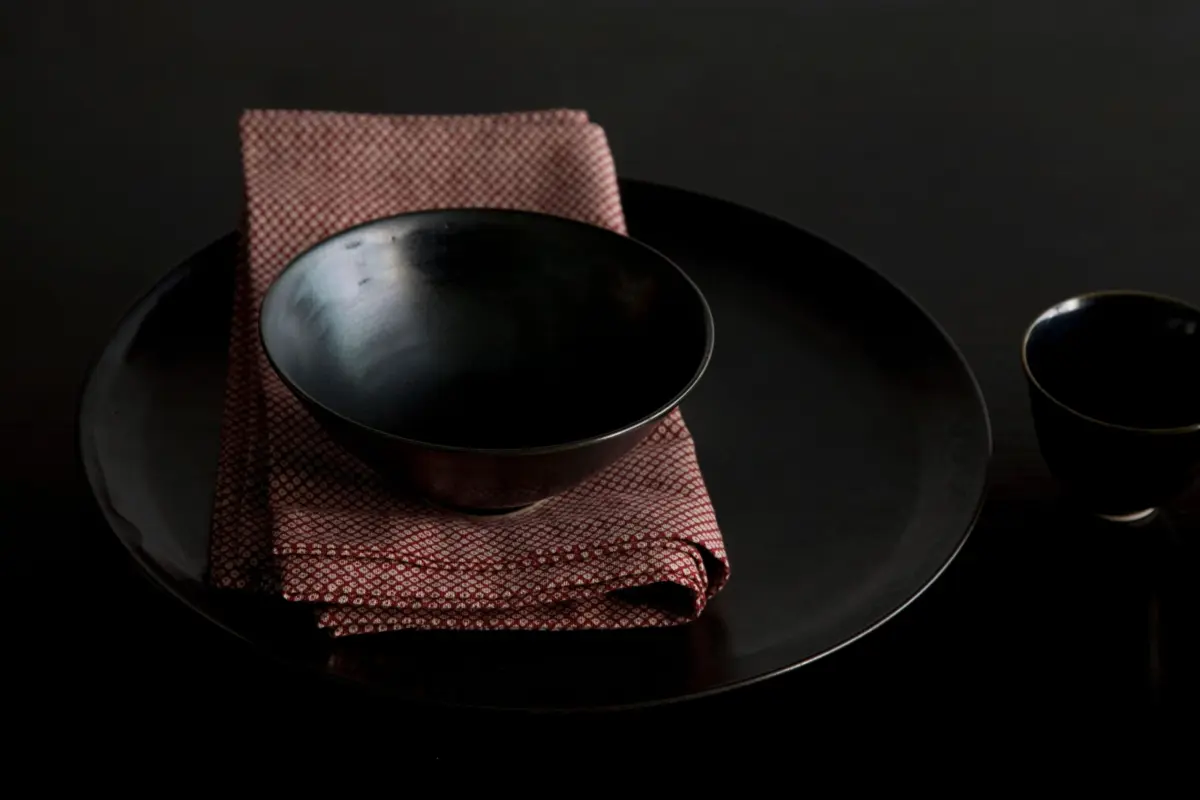
Stoneware dinnerware has long held its reputation as the dependable workhorse of the ceramic world. Unlike fine porcelain, which traditionally dresses a table up for formal occasions with pristine white surfaces and rigid geometry, stoneware celebrates the human touch. It is the material of choice for design-forward, everyday households that reject mass-produced uniformity in favor of character.
Characterized by visible throwing marks, tactile weight, and reactive, uneven glazes that shift subtly from piece to piece, stoneware brings a sense of grounded depth to dining spaces. It makes a table look genuinely lived-in. Today, a vibrant ecosystem of makers—ranging from decades-old workshops supplying high-end restaurants to a new wave of contemporary potters preserving a wabi-sabi aesthetic—is redefining the category. Here is a comprehensive look at the best stoneware dinnerware brands currently shaping the landscape of modern tablescapes.
Main Facts: The Materiality and Appeal of Modern Stoneware
The resurgence of stoneware is rooted in a broader cultural shift toward tactile, authentic home goods. Fired at extremely high temperatures (typically between 2,150°F and 2,330°F), stoneware is dense, non-porous, and exceptionally durable, making it ideal for daily use.
Unlike earthenware, which requires glazing to remain waterproof, stoneware is structurally robust even with raw, exposed clay rims. This durability has made it a favorite not only for home cooks seeking resilient weeknight dinnerware, but also for commercial chefs who require functional art that can withstand the rigors of professional kitchens.
The appeal is sensory as much as it is practical. Consumers are increasingly drawn to the imperfections inherent in hand-thrown or small-batch ceramics. Uneven rims, speckled glazes, and matte finishes provide a visual and physical warmth that clinical, factory-perfect dinnerware simply cannot replicate.
Chronology: From Industrial Utility to Contemporary Craft
The history of stoneware spans millennia, originating in ancient China before evolving through European trade guilds and the American Arts and Crafts movement. However, the contemporary stoneware market has experienced distinct phases over the last two decades:
- The Early 2000s Craft Revival: Fueled by a growing interest in farm-to-table dining and artisanal food culture, independent potters began establishing localized studios, pushing back against sterile corporate homeware.
- The Direct-to-Consumer Boom (2010–2018): Brands like East Fork and Year & Day leveraged e-commerce to democratize artisanal ceramics, offering streamlined, durable stoneware sets directly to design-conscious millennials.
- The Culinary-to-Residential Pipeline (2018–Present): Commercial ceramicists who previously supplied Michelin-starred restaurants—such as Brooklyn’s Noble Plateware—began offering consumer-facing lines, blurring the line between commercial-grade utility and residential aesthetics.
- The Wabi-Sabi Mainstream (Present): Major legacy brands and high-end retailers alike (including Villeroy & Boch and Lulu and Georgia collaborations) have adopted reactive glazes and organic shapes, solidifying tactile imperfections as the dominant aesthetic standard.
Supporting Data & Brand Breakdown: The Top Stoneware Makers
Evaluating the best stoneware brands requires looking at craftsmanship, durability, design philosophy, and versatility across different price points.
Mervyn Gers Ceramics: The Cape Town Original
Operating out of South Africa since 2011, Mervyn Gers has grown from a small studio into a collective of over 50 artisans. Known for a rugged, highly textural aesthetic, the brand utilizes hand-dipped glazes in rich, earthy tones that ensure no two pieces are identical.
- Standout Pieces: The hand-glazed small plates set ($174) serve as an accessible entry point, while the sculptural lidded pots set ($510) double as striking counter displays.
East Fork: The Cult Favorite
Founded in Asheville, North Carolina, by Alex Matisse (great-grandson of painter Henri Matisse), East Fork is instantly recognizable for its speckled glazes and exposed clay rims. The brand’s bread and butter is the Everyday Dinner Set ($164–$182), but recent expansions include hand-painted pieces like the Tulip Crown Serving Platter ($210), which bears the artisan’s individual stamp.
Villeroy & Boch: The Legacy Wild Card
Traditionally celebrated for fine porcelain, German heritage brand Villeroy & Boch proved its versatility with the Lave collection. Featuring irregular, organic shapes and reactive glazes, the line brings a handmade feel to a historic manufacturer. Highlights include the Lave Covered Butter Dish ($116).
Lolly Lolly Ceramics: The Playful Modernist
Established in 2017 by Lalese Stamps—famous for creating 100 different mugs with 100 different handles—Lolly Lolly brings a sculptural, fresh perspective to stoneware. Their collaboration with Lulu and Georgia yielded the Dew Drop collection ($78–$278), inspired by post-rain puddles with cascading, stackable forms.
Year & Day: Weeknight Simplicity
Crafted in Portugal using the region’s centuries-old pottery traditions, Year & Day focuses on pared-back designs with semi-matte glazes in muted palettes. Their tapered Pitcher ($82) transitions seamlessly from mantelpiece decor to dinner table utility.
CB2: Accessible Design
For budget-conscious buyers, CB2’s Selene line—designed by French industrialist Aurélien Barbry and handmade in Portugal—offers organic curves and tonal glazes. The Four-Piece Tan Stoneware Set ($36–$48) delivers everyday essentials, including a dedicated pasta bowl, without a luxury price tag.
Fable: Zero-Waste Luxury
Hand-finished in a zero-waste facility in Portugal’s Tagus Valley using locally sourced and recycled clay, Fable prioritizes sustainability alongside aesthetic appeal. Their comprehensive 16-piece Dinnerware Set ($329–$366) and specialized Ramen Set ($103–$114) have earned acclaim for durability and multi-use functionality.
Noble Plateware: The Chef’s Choice
Having supplied high-end New York restaurants like Contra and Momofuku for decades, Brooklyn-based Noble bridges the gap between commercial gastronomy and residential dining. The handcrafted Grand Fish Platter ($295) offers a substantial weight and unique studio glazes ideal for family-style presentation.
Official Responses and Industry Perspectives
Designers and ceramicists emphasize that the enduring popularity of stoneware is a direct reaction to digital fatigue. In an era where screens dominate professional and personal lives, consumers increasingly crave tactile, physical interactions in their domestic routines.
Mervyn Gers representatives note that the variations in hand-dipped glazes are not manufacturing flaws, but rather intentional features that celebrate natural chemical reactions during the high-firing process. Similarly, leadership at East Fork has frequently underscored that their commitment to regional American manufacturing and sustainable clay sourcing reflects a broader consumer desire for transparency and provenance in home goods.
Implications: The Future of Tabletop Design
The shift toward stoneware carries significant implications for both interior design trends and manufacturing sustainability.
As consumers move away from rigid, matching formal dinnerware sets in favor of mix-and-match, organic collections, the tableware industry is adapting by prioritizing modularity and open-stock purchasing. Buyers are investing in versatile, heavy-duty pieces that transition effortlessly from casual weeknight dinners to sophisticated dinner parties.
Furthermore, the emphasis on local clay sourcing, zero-waste facilities, and handmade craftsmanship positions stoneware as a sustainable counterweight to fast-furniture culture. By investing in ceramics built to endure decades of daily use, modern households are transforming the dinner table into a canvas of individual expression, quiet luxury, and sustainable longevity.
