

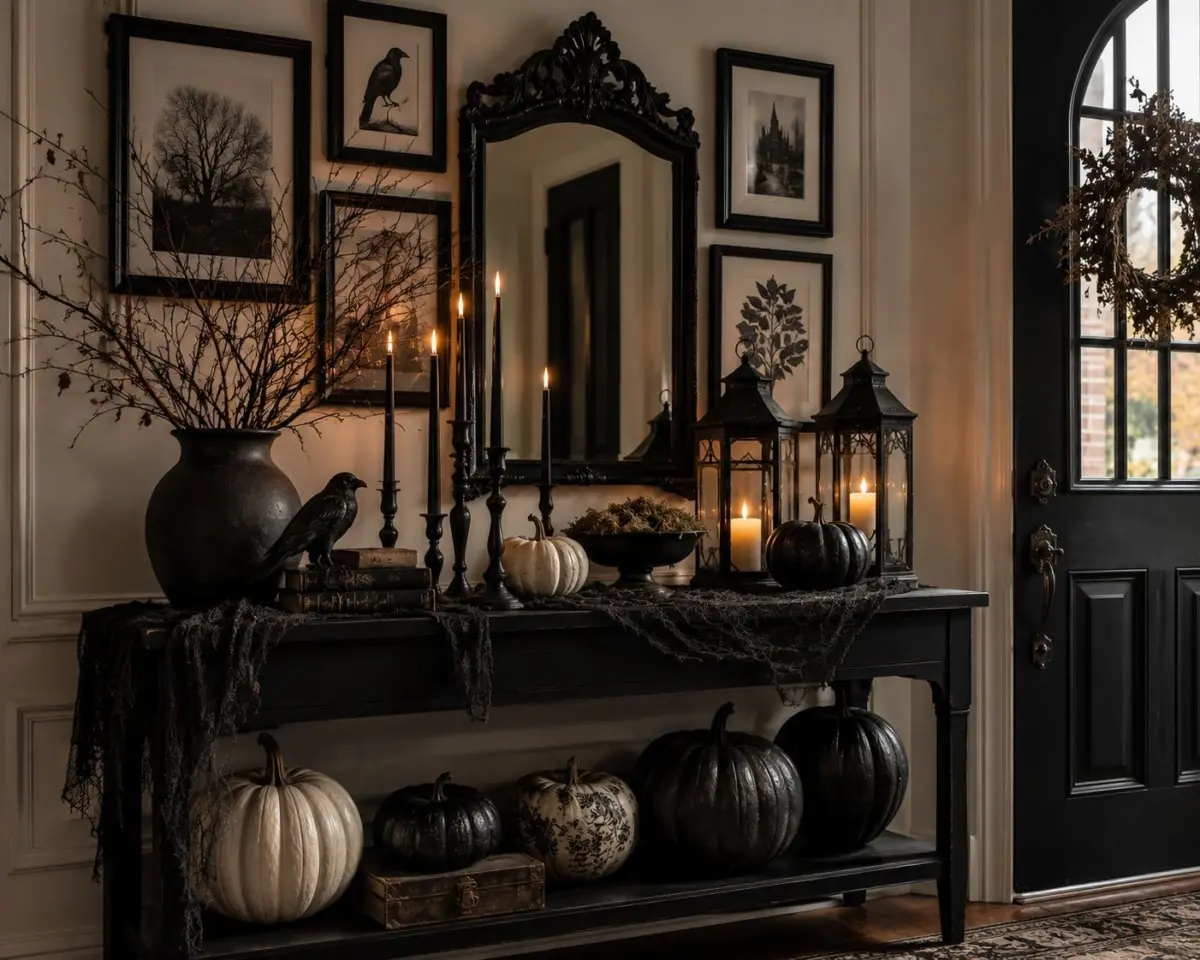
As the autumn chill begins to sweep across the country, home design enthusiasts and holiday traditionalists alike are turning their attention to the ultimate seasonal styling challenge: Halloween. While the towering, 12-foot skeletons that have dominated suburban lawns for the past several years are not going anywhere, the overarching aesthetic for 2026 is undergoing a sophisticated transformation.
According to leading interior stylists and retail trend forecasters, this year’s spooky season is less about jump-scares and garish plastic novelties, and more about curated, moody atmospheres, vintage nostalgia, and seamless transitions into the broader autumn and Thanksgiving holidays.
Main Facts: The 2026 Design Landscape
The 2026 Halloween season marks a distinct pivot toward sophisticated interior styling. Rather than treating Halloween as a standalone event characterized by neon greens and blazing oranges, interior design experts are integrating gothic elegance into everyday home decor.
- The Return of the ’90s Vintage Aesthetic: Home design trends are heavily influenced by a ’90s revival, translating into dark, moody, and nostalgic interiors.
- Expanded Color Palettes: While traditional orange and black remain staples, they are being challenged by sophisticated, rich accent colors such as deep burgundy, oxblood, plum, and mustard.
- Multifunctional Decor: Consumers are increasingly looking for pieces that pull double-duty, transitioning effortlessly from an eerie October tablescape to a warm, inviting Thanksgiving arrangement.
- High-Low Mixing: Designers advocate for pairing unexpected everyday items—such as antique-style gold planters, black-and-white stripes, and rich velvets—with traditional holiday motifs.
- Strategic Budgeting: With economic mindfulness guiding many purchasing decisions, experts recommend investing in timeless foundational items (like neutral pumpkins and ghosts) while spending selectively on smaller, seasonal accents.
Chronology: How Halloween Decor Evolution Led to 2026
To understand where Halloween decorating stands in 2026, it is helpful to look at how the holiday’s aesthetic has evolved over the past decade:
Pre-2020: The Novice Era
For a long time, Halloween residential decorating was largely restricted to front-porch displays involving carved jack-o’-lanterns, artificial cobwebs stretched across bushes, and standard plastic gravestones. Indoor decor was often limited to children’s parties, featuring paper cutouts and plastic witch hats.
2020–2023: The Animatronic Era
Fueled by a pandemic-era boom in home improvement and outdoor entertaining, the market exploded for giant, theatrical statement pieces. The introduction of mass-produced, towering animatronic skeletons and multi-tiered lawn displays shifted the focus heavily toward outdoor spectacle and viral social media moments.
2024–2025: The Rise of "Spooky Chic"
As consumers grew weary of storing massive plastic structures, a counter-movement began to take shape. Homeowners sought ways to celebrate the season indoors without cluttering their living spaces with single-use plastics. "Spooky chic" emerged, blending gothic literature aesthetics with modern interior design principles.
2026: The Year of Moody Nostalgia and Versatility
Today, the trend has crystallized. The focus is no longer just on how scary a home looks, but how stylish it feels. The 2026 consumer wants a home that feels cinematic, comforting, and visually rich, drawing inspiration from retro aesthetics, Victorian scientific illustrations, and rich, autumnal color palettes.
Supporting Data and Expert Insights: The Shift to Moody Interiors
Taniya Nayak, a prominent home style expert for Marshalls and TJ Maxx, notes that the revival of ’90s home trends has paved the way for vintage-inspired moody interiors.
"Nostalgic decor and bold Halloween colors pair well with modern renditions of staple ’90s patterns like gingham, velvet, and maximalist designs," Nayak explains.
This embrace of texture and pattern allows homeowners to play with contrast. For instance, pairing stark black-and-white stripes with ripe fall produce and multicolored heirloom pumpkins creates an upscale, visually striking tablescape that feels both modern and timeless.
Furthermore, designers are encouraging shoppers to look beyond the holiday-specific aisles of big-box stores. By utilizing unexpected pieces—such as filling antique-style gold planters with vibrant orange marigolds or styling lounge chairs with waffle-knit fringe throws in earthy autumn tones—homeowners can curate a festive environment that feels integrated into their home’s permanent architecture.
Color Theory: Moving Beyond Standard Orange and Black
While the classic palette will always have its place, 2026 is introducing richer, more complex tones. Deep burgundy and oxblood are emerging as favorite accent colors. These hues offer a subtle nod to gothic romance while breaking up the visual fatigue of an all-orange-and-black color scheme.
Official Responses and Industry Reactions: Retailers Adapt to the Trend
Major home goods retailers have quickly adapted their inventory to match the shifting consumer mindset. Rather than stocking solely bright orange plastic cauldrons and neon lights, brands are leaning heavily into terracotta, brass, ceramics, and textiles.
- Marshalls and TJ Maxx: Both retailers have expanded their offerings of transitional fall items, focusing heavily on textured fabrics like chenille and velvet, along with sophisticated tableware featuring classic patterns.
- Etsy and Independent Creators: Digital downloads of vintage scientific illustrations—such as nineteenth-century snake specimen charts, insect collections, and botanical sketches—have seen a surge in sales as consumers seek affordable, frameable art for temporary gallery walls.
- Specialty Craft Stores: Demand for unpainted ceramic pumpkins, ghost figurines made of terracotta, and amber glassware has spiked, signaling a consumer preference for durable, high-end materials over disposable plastic decorations.
Industry analysts note that consumers are viewing holiday decor increasingly through the lens of home economics. With inflation and economic uncertainty influencing discretionary spending, items that offer longevity and aesthetic versatility are winning market share over single-season novelties.
Implications: What the 2026 Trend Means for Homeowners
The evolution of Halloween decorating toward a more refined, transitional aesthetic carries several practical implications for everyday decorators.
1. Sustainability and Reduced Waste
The shift away from cheap, disposable plastic novelties toward durable materials (like terracotta, ceramic, and metal) naturally reduces holiday waste. By investing in timeless foundational pieces that can be reused for years, consumers are building more sustainable decorating habits.
2. Budget Efficiency via Intentional Design
Decorating on a budget no longer means settling for low-quality items. As experts advise, having a clear vision and focusing on one high-impact area—such as an entryway or a front porch—prevents impulse buying. Thrift store upcycling (such as spray-painting glass jars and thrifted frames matte black) allows homeowners to achieve a high-end look for minimal cost.
3. The Extended Autumn Season
Perhaps the most significant lifestyle implication is the blurring of lines between holidays. By opting for colorways rooted in nature—such as moss green, deep browns, terracotta, and plum—homeowners can effortlessly transition their living spaces from October 31st straight through to Thanksgiving dinner on the fourth Thursday of November. A woven rattan basket filled with heirloom pumpkins can easily become a Thanksgiving cornucopia centerpiece with just a few minor tweaks.
Practical Styling Guide for 2026
For those looking to implement these trends in their own homes, interior stylists recommend the following step-by-step approach:
- Establish a Foundation: Invest in neutral, high-quality base pieces like ceramic ghosts or heirloom pumpkins that can anchor your seasonal displays year after year.
- Incorporate Vintage Elements: Frame vintage insect, botanical, or anatomical charts purchased via digital downloads. Use thrifted brass candleholders and amber glass jars to create a moody, candlelit glow.
- Play with Unexpected Textures: Integrate velvet pillows, gingham table runners, and moss table runners to add tactile depth to your living spaces.
- Create a Sinister Tablescape: Elevate your dining room by using plastic vampire fangs as napkin rings, folding white cloth napkins into miniature ghosts, and adding splatters of red food coloring to glassware for a dramatic, cinematic effect.
- Focus Your Efforts: If time and budget are limited, concentrate your decorating energy on the entryway or front porch, utilizing atmospheric lighting and autumnal florals to welcome trick-or-treaters and guests alike.
As we move through the 2026 season, it is clear that Halloween decorating has matured. By blending the playful nostalgia of the past with the sophisticated interior design sensibilities of the present, homeowners can create spaces that are simultaneously eerie, elegant, and enduring.
