

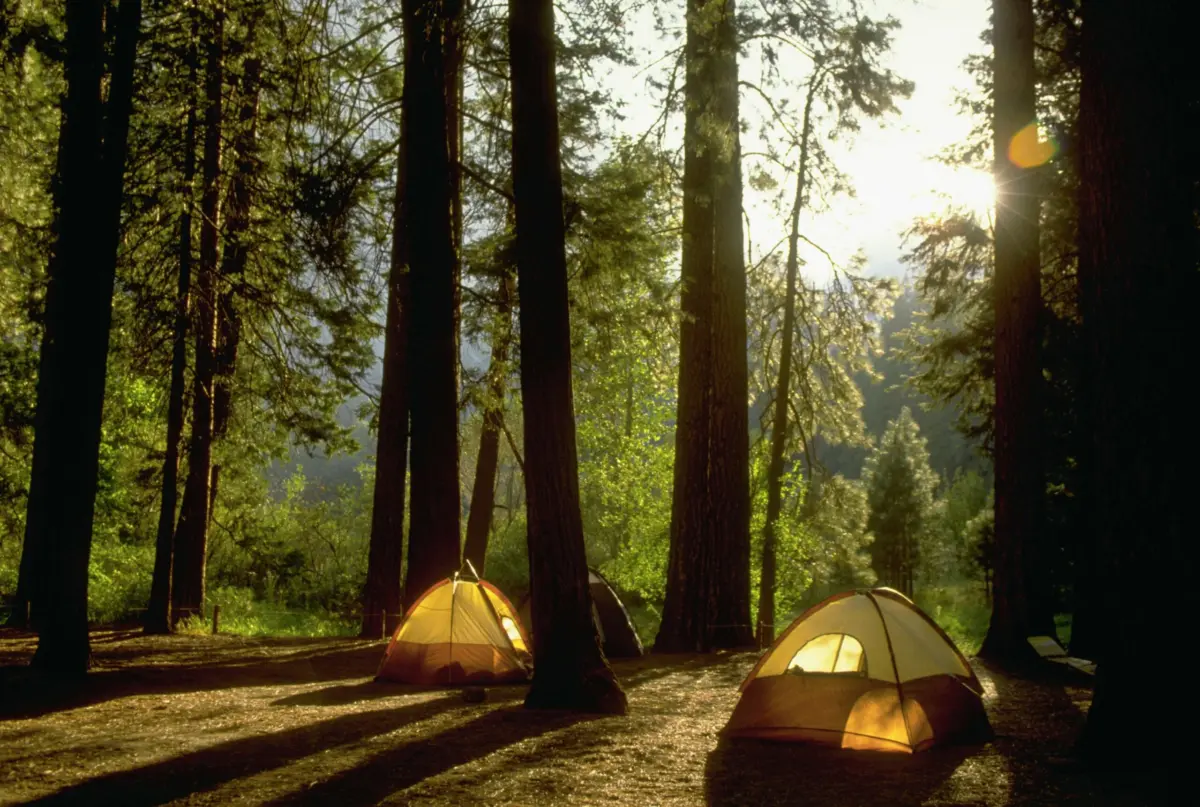
LOS ANGELES — There is a distinct, mesmerizing magic tucked away within the borders of California’s most illustrious landscapes. It isn’t merely the proximity to cascading, mist-laden waterfalls, the towering presence of earth’s most ancient trees, or the jagged, cathedral-like granite rock formations that pierce the western sky. Rather, the true wonder of California camping lies in its rare and transformative power: the ability to turn even the most reluctant, comfort-seeking homebody into a bona fide, star-gazing outdoorsperson.
Give a city dweller or a creature of modern indoor luxuries a single night under the sprawling, star-strewn canopy of the Golden State, and you will likely find them driving tent stakes into the loam faster than you can ask, "Did you pack the s’mores supplies?"
Boasting an unrivaled geographic diversity that stretches from mist-shrouded northern rainforests to arid, otherworldly southern deserts, California is an ecological wonderland. As the state with the highest concentration of federal and state-protected lands in the country—anchored by nine national parks and an astonishing 280 state parks—it offers nature enthusiasts a masterclass in biodiversity. From the soaring redwoods of the Pacific coast to the volcanic craters of the north and the sun-baked expanses of the Mojave, this wealth of protected acreage provides some of the most awe-inspiring accommodations on the planet.

Main Facts: The Scope of California’s Outdoor Sanctuary
To understand the allure of California camping, one must first comprehend the sheer scale of its public lands.
- The National Park Vanguard: California is home to nine national parks—more than any other state in the nation. This elite roster includes icons like Yosemite, Joshua Tree, Death Valley, Redwood, and Kings Canyon, alongside lesser-sung yet equally magnificent gems such as Sequoia, Lassen Volcanic, and Pinnacles National Parks.
- State Park Infrastructure: Complementing the federal network are 280 state parks, managed by California State Parks, which protect roughly 1.4 million acres of land, including over 340 miles of coastline, deserts, mountains, and historical monuments.
- The Economic and Cultural Shift: In recent years, camping has shed its reputation as a purely rustic, uncomfortable endeavor. Driven by a cultural pivot toward wellness, outdoor recreation, and experiential travel, the demand for high-end gear, camper vans, and premier campsite reservations has skyrocketed.
- Accessibility vs. Conservation: With millions of visitors flocking to California’s public lands annually, land management agencies face an ongoing balancing act: accommodating the surging public demand for nature access while aggressively protecting fragile ecosystems from overuse and climate-induced stressors.
Chronology: The Evolution of California’s Campgrounds
The journey of California’s campgrounds from rugged backcountry hideouts to coveted, highly sought-after travel destinations spans more than a century of conservation history.
Late 19th Century: The Birth of Preservation
The foundation for California’s modern camping paradise was laid during the late 1800s. Driven by the visionary advocacy of naturalists like John Muir and the establishment of the Sierra Club in 1892, the federal government began setting aside majestic tracts of land. Yosemite was established as a national park in 1890, igniting a national consciousness around the preservation of untamed wilderness.

The Mid-20th Century: The Post-War Outdoor Boom
Following World War II, a burgeoning American middle class, fueled by economic prosperity and the widespread ownership of the automobile, discovered the great outdoors. State and federal agencies rapidly expanded infrastructure, paving roads, installing fire rings, and demarcating official campgrounds to accommodate families eager to pitch canvas tents beneath the pines.
The Turn of the 21st Century: The Digital Reservation Era
For decades, securing a premier campsite was a matter of luck, early-morning phone calls, or physically waiting in line at ranger stations. The launch of centralized digital reservation systems—such as Recreation.gov for federal lands and ReserveCalifornia for state parks—revolutionized the process. Suddenly, booking a weekend at popular sites like Yosemite’s Lower Pines or Big Sur’s Kirk Creek became akin to scoring concert tickets for a major headliner, with sites selling out within seconds of release.
The Post-2020 Renaissance: The Rise of "Glamping" and Van Life
The COVID-19 pandemic catalyzed an unprecedented surge in outdoor recreation. As indoor entertainment venues closed, millions sought solace in nature. This era marked a profound evolution in how people camp. Traditional tent camping merged with modern luxuries, giving rise to high-end canvas glamping resorts, customized sprinter vans, and tech-integrated outdoor gear designed to make wilderness living seamless and stylish.

Supporting Data: By the Numbers
The metrics surrounding California’s outdoor recreation sector underscore its massive economic and cultural footprint:
- 9 vs. All: California proudly claims 9 national parks, outranking runner-up Alaska (which has 8).
- Economic Impact: According to the Outdoor Industry Association, outdoor recreation generates tens of billions of dollars in consumer spending annually in California, supporting hundreds of thousands of jobs across hospitality, retail, and land management sectors.
- Reservation Demand: Data from ReserveCalifornia and Recreation.gov indicate that peak-season weekend spots at marquee coastal and mountain campgrounds frequently experience occupancy rates near 100%, with demand outstripping supply by a factor of five to one during summer months.
- Biodiversity Metrics: California’s diverse ecosystems harbor more than 6,500 species of native plants—about a third of which are endemic to the state—making its campgrounds living botanical and zoological laboratories.
Official Responses and Conservation Efforts
As the popularity of California’s campgrounds reaches historic highs, government officials, land managers, and environmental scientists are actively addressing the challenges of environmental wear and tear.
Forest Service representatives and National Park Service superintendents have increasingly implemented permit quotas, timed-entry systems, and seasonal closures to protect sensitive wildlife habitats and prevent trail erosion.

"We are witnessing an unprecedented embrace of our public lands, which is fantastic for public health and environmental appreciation," notes a regional spokesperson for California State Parks. "However, our core mission remains preservation. We ask every camper to practice ‘Leave No Trace’ principles, respect fire safety bans, and recognize that these landscapes are fragile ecosystems that require our collective stewardship to survive."
Furthermore, investments from both state and federal infrastructure bills have been funneled into modernizing campground facilities—upgrading sanitation stations, installing bear-proof food lockers, and transitioning toward renewable energy sources at visitor centers to minimize the carbon footprint of outdoor tourism.
Implications: The Future of Experiential Travel in the Golden State
The enduring popularity of California camping carries profound implications for the future of travel, real estate, and environmental consciousness.

1. The Real Estate and Gear Boom
The normalization of remote work has blurred the lines between daily life and outdoor adventure. "Van life" and off-grid mobile living have transitioned from countercultural lifestyles to aspirational mainstream aesthetics. This shift has driven massive growth in the outdoor retail market, fostering innovations in lightweight solar panels, portable power stations, and weather-resistant architectural tents that mimic the comforts of urban boutique hotels.
2. A New Generation of Conservationists
Perhaps the most significant implication of the camping renaissance is cultural. By introducing urban and suburban populations to the raw beauty of redwoods, deserts, and alpine lakes, campgrounds serve as incubators for environmental advocacy. When travelers experience firsthand the breathtaking clarity of a star-strewn desert night or the cathedral silence of an ancient forest, they are far more likely to become vocal defenders of public lands, climate action, and biodiversity preservation.
3. Sustainable Tourism and Over-Tourism Challenges
As demand continues to surge, land agencies must carefully navigate the fine line between accessibility and over-tourism. Ensuring that public lands remain open to diverse socioeconomic groups—rather than pricing everyday travelers out through luxury glamping conversions—is a pressing socio-political challenge. Equitable access to nature is increasingly recognized as a public health necessity, prompting state initiatives to expand urban parks and subsidized transportation to remote state and national reserves.

Ultimately, whether you choose to pitch a minimalist tent on a rugged coastal bluff, park a converted camper van beneath the massive shadows of Sequoia National Park, or sleep under the vast, quiet expanse of a Joshua Tree night sky, California’s campgrounds offer an irreplaceable antidote to modern fatigue. They remind us that the most luxurious room with a view isn’t found behind glass doors, but beneath the open, welcoming canopy of the wild.
