

Published: August 20, 2026
Author: Health & Wellness Desk
Waking up is rarely an effortless endeavor. In an era dominated by hyper-connectivity, the instinctual reaction to the morning alarm is often to immediately reach for a smartphone, flooding a still-fragile mind with breaking news, work emails, and social media notifications. However, behavioral scientists and wellness experts increasingly agree that how we transition from the unconscious state of sleep into the demands of the day profoundly impacts our cognitive functioning, emotional resilience, and overall energy levels.
Instead of starting the day with a dopamine-draining digital scroll, wellness professionals are advocating for a somatic reset: a brief, intentional, and breath-led morning yoga practice. Designed by yoga instructor Emily Baltzer, a newly popularized 15-minute morning sequence offers a dynamic, intuitive approach to waking up the nervous system, lubricating the joints, and clearing stagnant physical and mental energy.
Main Facts: The Anatomy of a Mindful Morning Routine
The newly detailed 15-minute morning flow is engineered specifically for individuals pressed for time who want to maximize physiological vitality without committing to an hour-long practice.
- No Equipment Required: The sequence can be practiced entirely bodyweight-style on any flat surface. However, practitioners are encouraged to keep household props nearby—such as yoga blocks, firm pillows, or even thick books—to modify poses for optimal comfort and alignment.
- Breath-Led Movement: Unlike static stretching regimens, this routine utilizes dynamic repetition tied directly to the inhalation and exhalation phases of respiration, stimulating circulation and metabolic awakenings.
- Spinal Articulation: The sequence focuses heavily on moving the spine through all its primary ranges of motion—flexion, extension, lateral bending, and rotation—which physical therapists note is crucial for relieving nocturnal stiffness.
- Accessibility: The flow seamlessly bridges restorative postures (like Child’s Pose) with active, heart-opening postures (such as Cobra and Upward-Facing Dog), making it suitable for both seasoned yogis and absolute beginners.
Chronology: Step-by-Step Breakdown of the 15-Minute Flow
To execute the sequence safely and effectively, practitioners move progressively from low-to-the-ground restorative shapes into dynamic standing sequences, and finally back down to grounding integration. Here is the chronological progression of the flow:

Phase 1: Grounding and Lateral Awakening (Child’s Pose Variations)
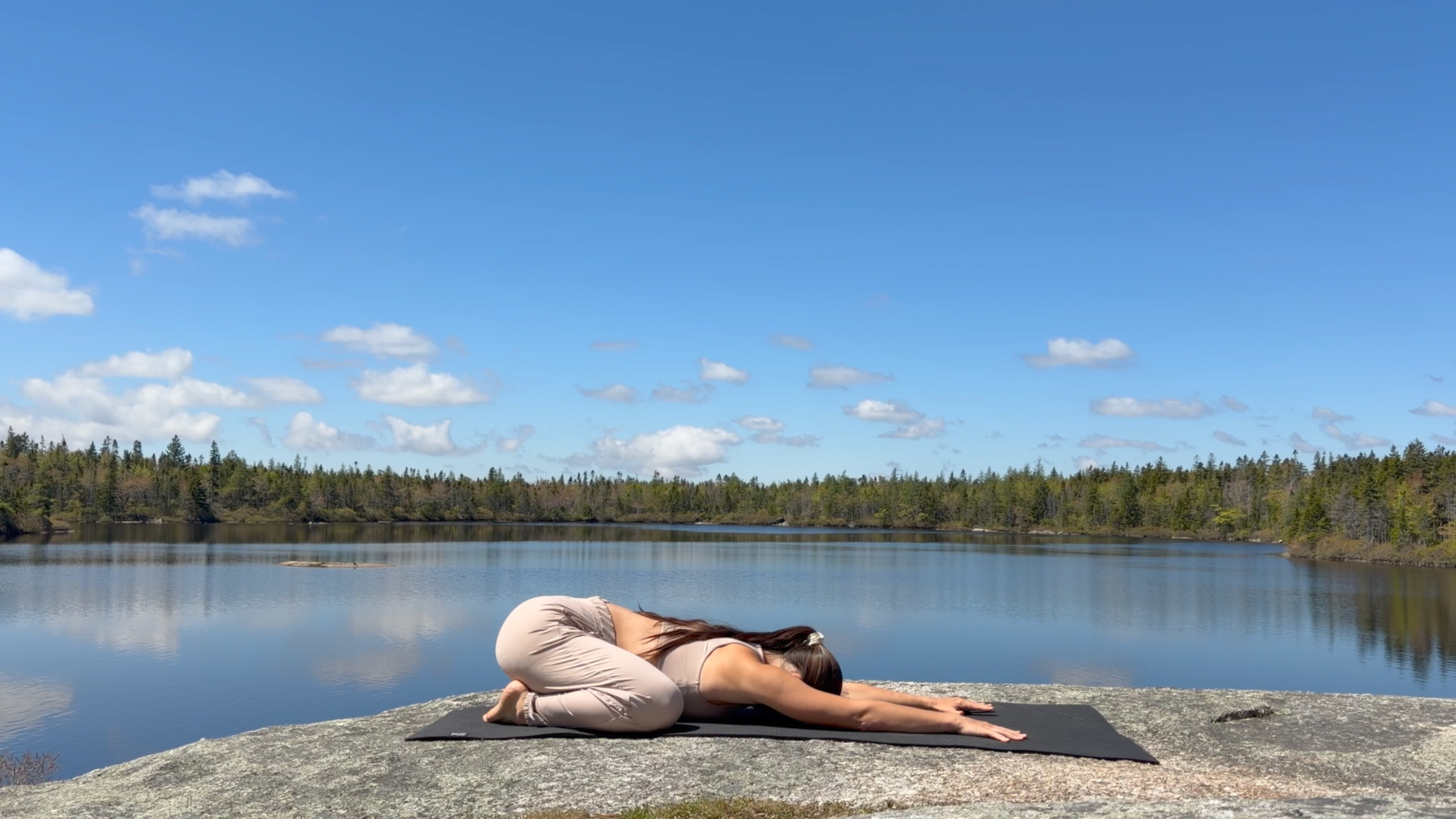
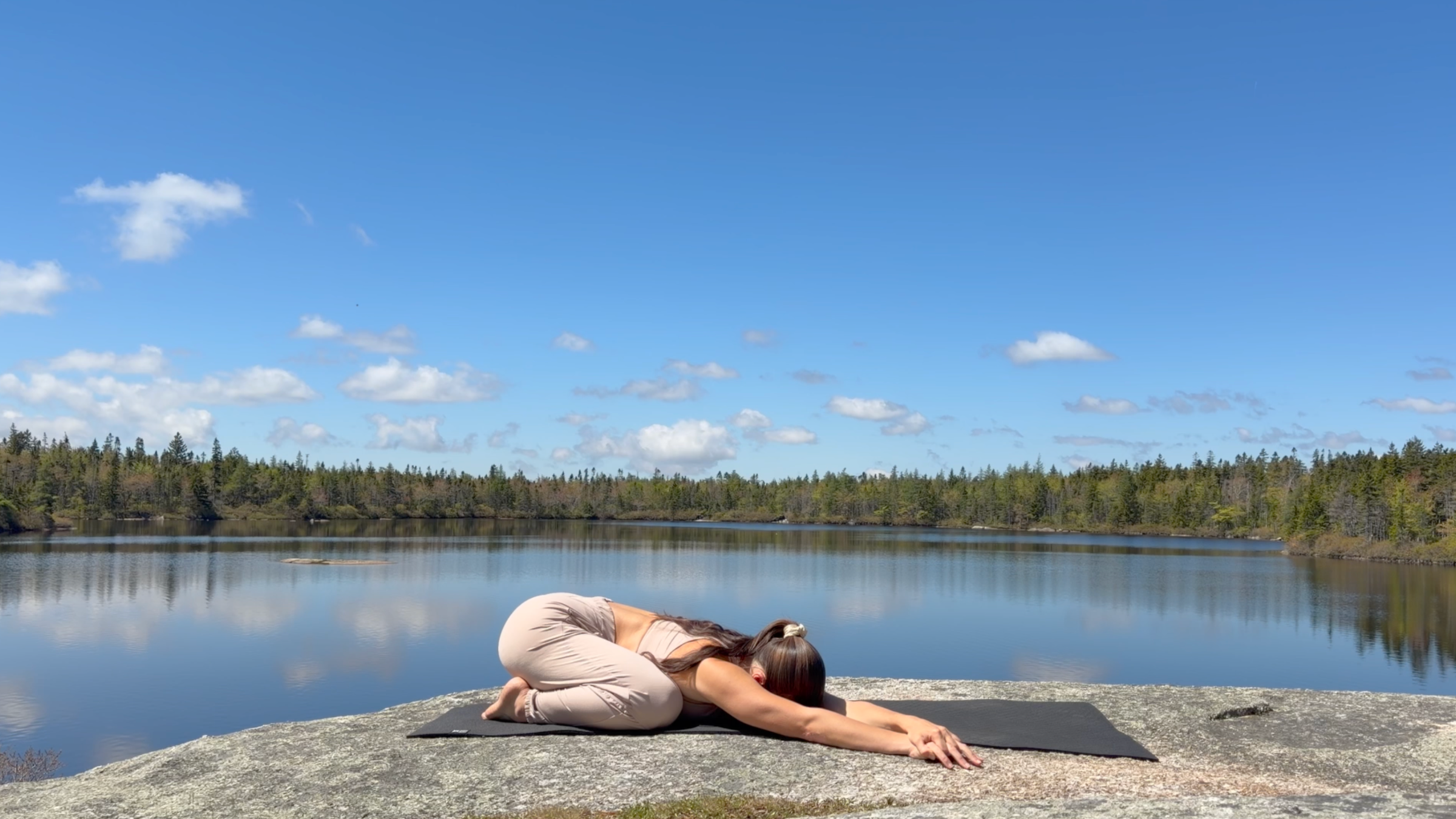
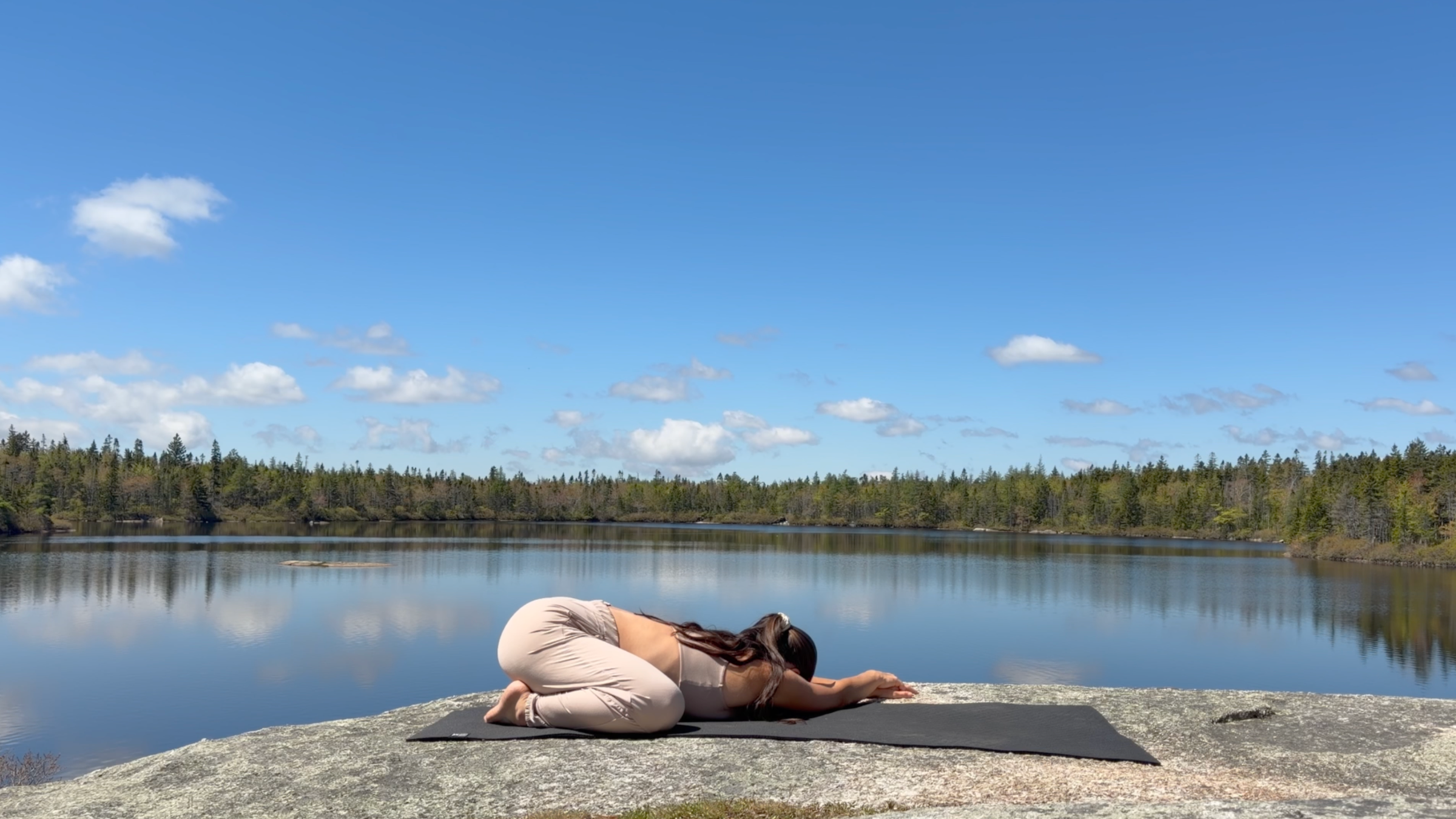
- Child’s Pose: Begin with knees wide, big toes touching, hips sinking back toward the heels, and the forehead grounded on the mat. Hold for 2 full cycles of breath.
- Side Stretch Right: Walk both hands to the right side of the mat, placing the left hand over the right to open up the left side body. Hold for 2 breaths.
- Side Stretch Left: Transition through center and walk hands to the left, stretching the right side body for 2 breaths.
Phase 2: Spinal Extension and Dynamic Waves
- Cobra to Child’s Pose Flow: Inhale to slide the chest forward, melting the hips down into Cobra Pose. Exhale to press the hips back into Child’s Pose. Repeat this dynamic loop 5 times, matching movement to breath.
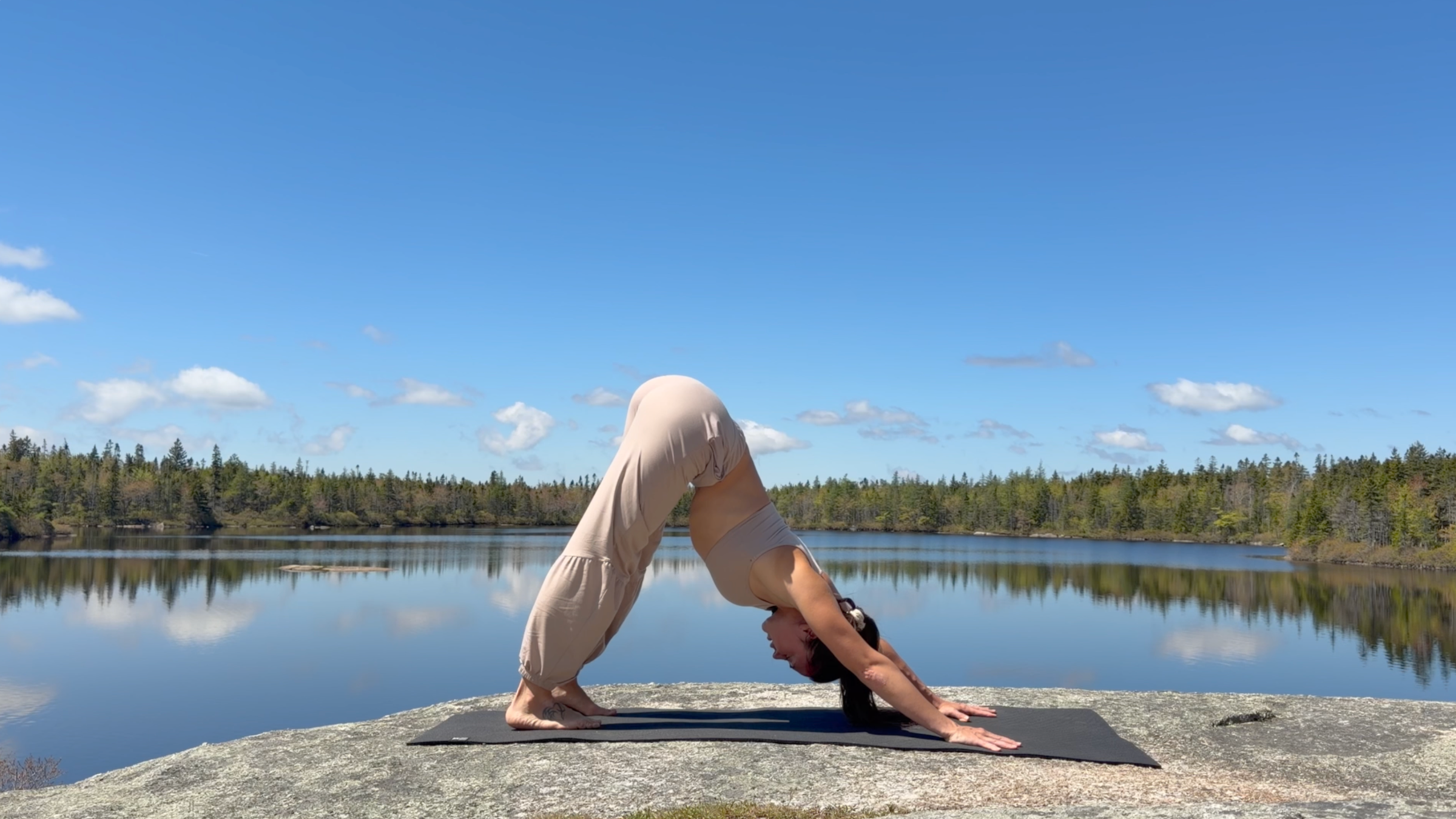
- Upward-Facing Dog to Downward-Facing Dog: From the final Child’s Pose, inhale to press into the tops of the feet, lifting the thighs for Upward-Facing Dog. Exhale to roll over the toes, sending the hips high into Downward-Facing Dog. Pedal out the heels for 3 breaths to release hamstring tension.
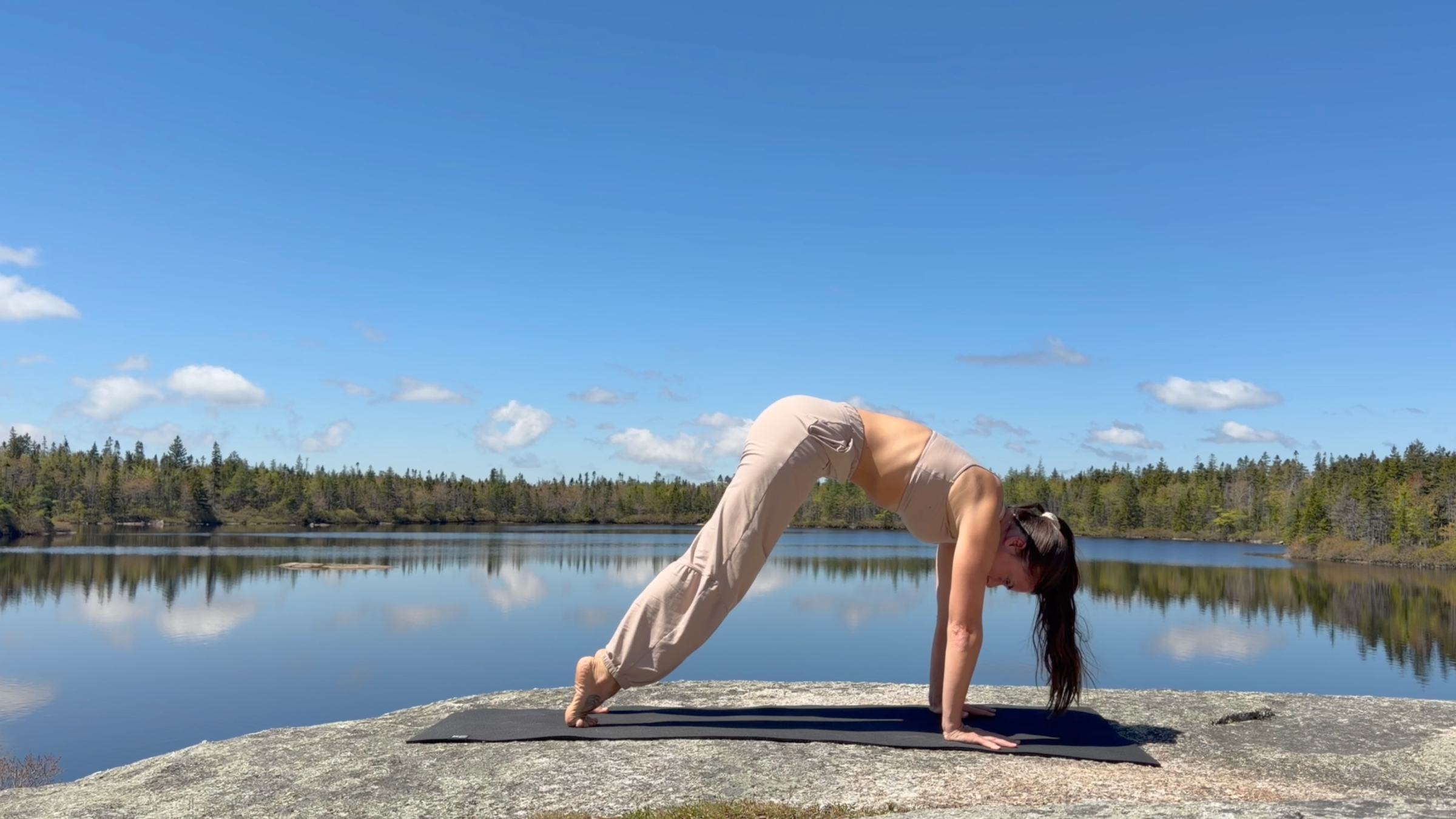
- Down Dog Waves: Inhale to round the spine forward into a Plank-like shape, exhale to bend and hover the knees just above the mat (resembling a Tabletop hover), and inhale/exhale to push back to Downward-Facing Dog. Repeat this fluid wave 5 times.
Phase 3: Standing Transitions and Spine Health
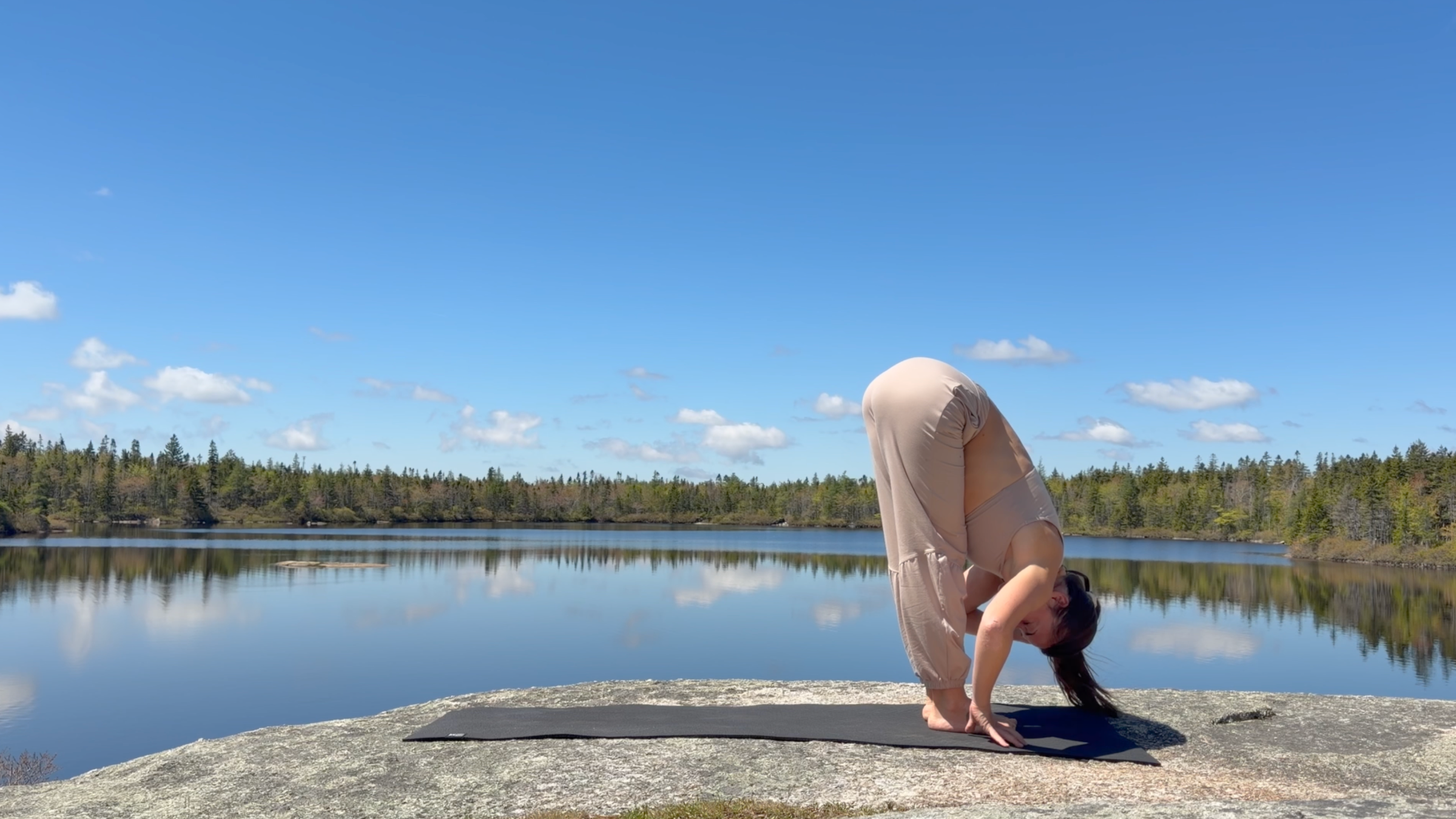
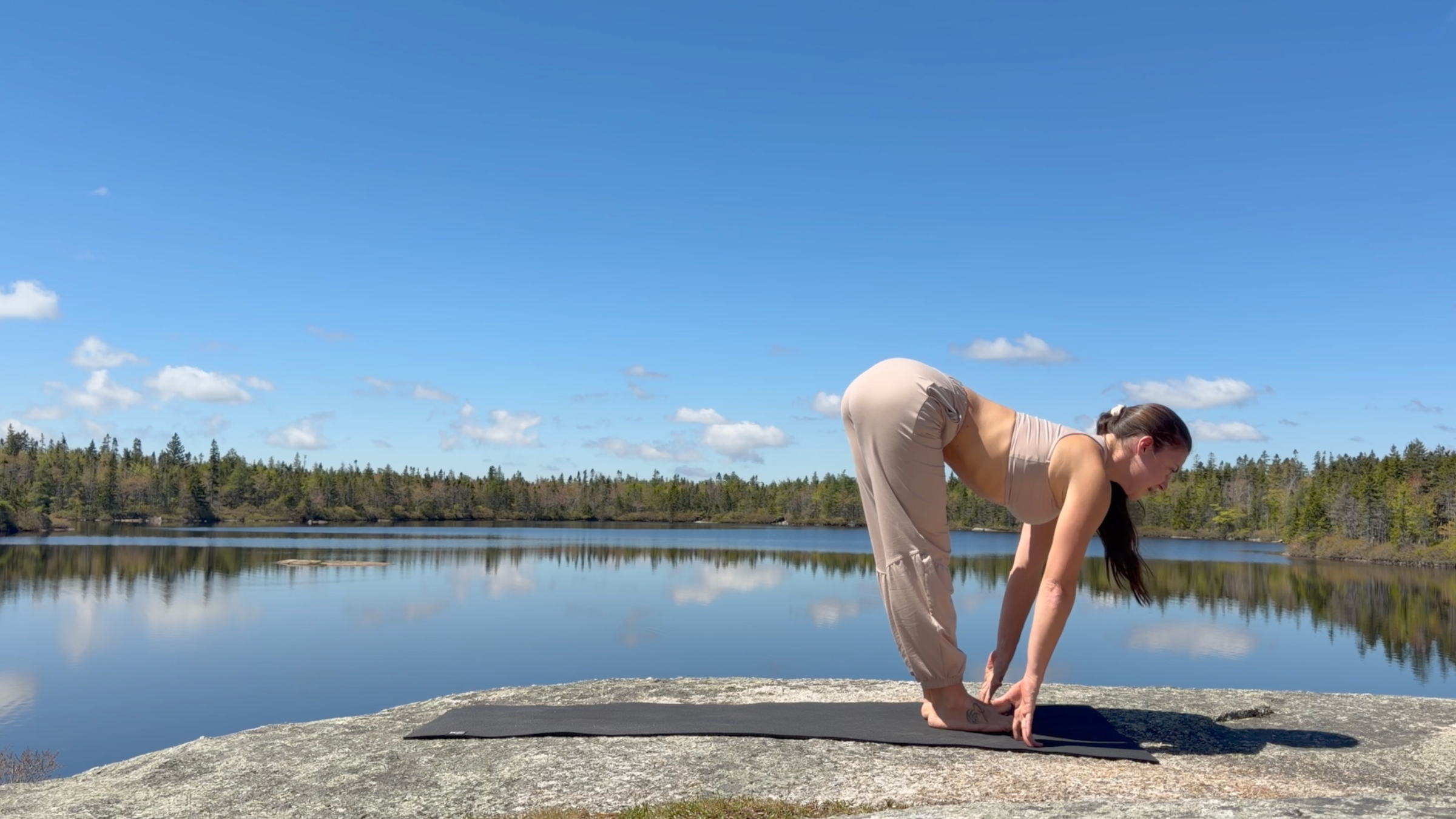
- Standing Forward Bend and Halfway Lift: Inhale to gaze forward, then exhale as you walk your feet to your hands into a Standing Forward Bend. Inhale to a Halfway Lift (flat back), and exhale to fold.
- Mountain Pose (Upward Salute): Inhale to rise all the way to standing, reaching arms overhead, then exhale hands to heart center.
- Spine Circles: Interlace fingers behind the head. Inhale to arch back and open the chest; exhale to circle the torso to the right and round the spine. Complete 5 continuous circles in one direction before reversing.
- Vinyasa Transition: Inhale to Upward Salute, exhale to fold forward, inhale to Halfway Lift, and exhale to step or float back to Plank.
Phase 4: Lower Body Mobility (Knees-Chest-Chin to Half Splits)
- Knees-Chest-Chin to Cobra: From Plank, lower the knees, chest, and chin to the mat. Inhale to glide forward into Cobra Pose, then exhale back to Downward-Facing Dog.
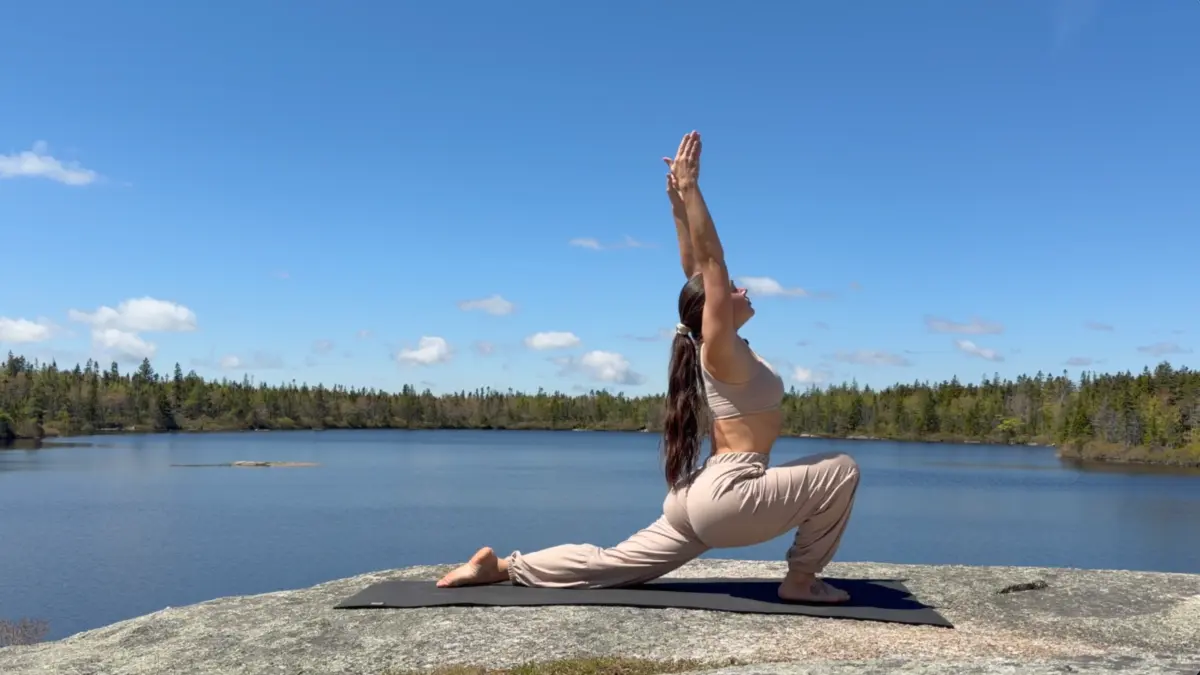
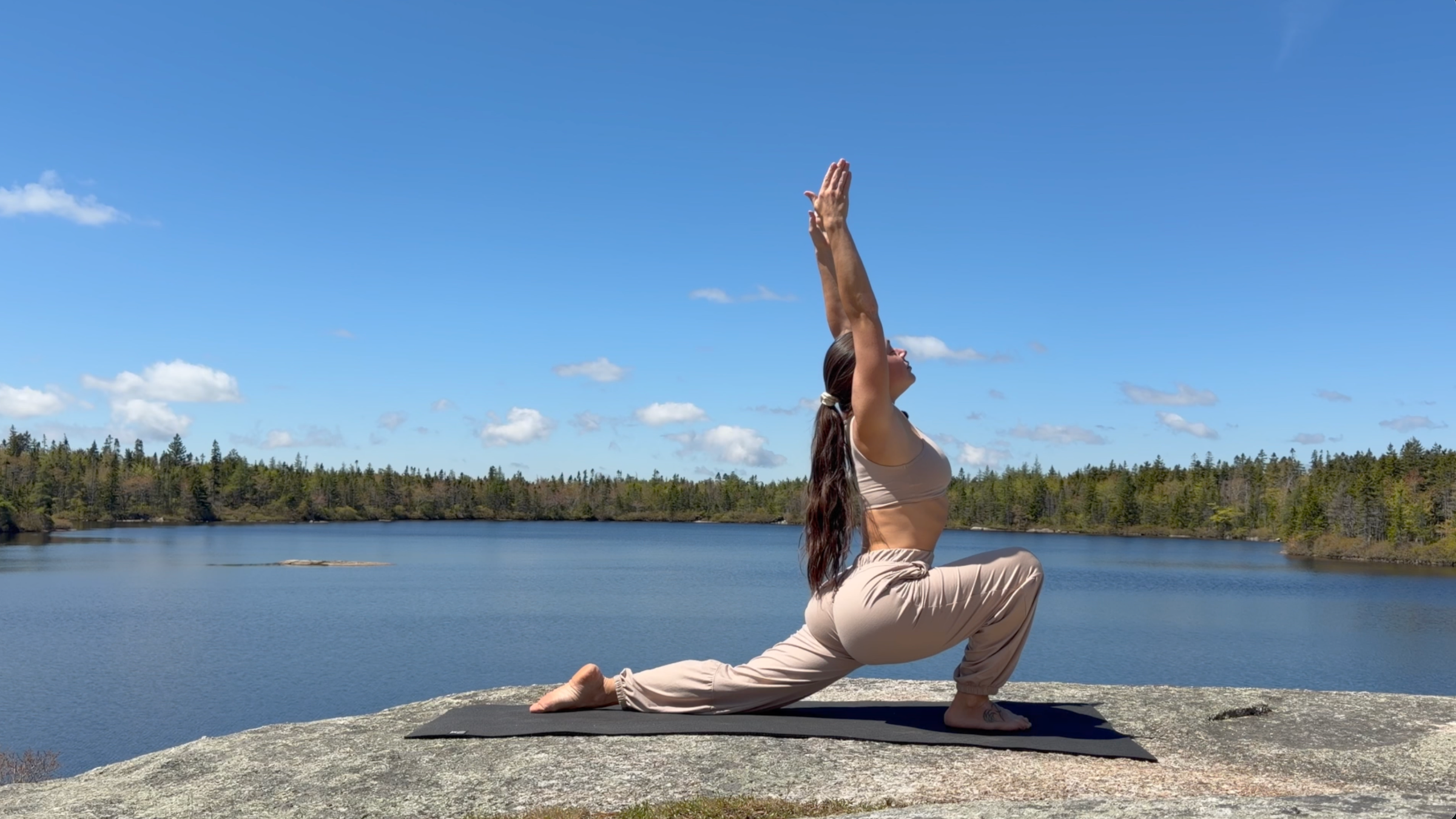
- Three-Legged Dog to Low Lunge: Inhale to lift the right leg high. Exhale to step the foot softly between the hands, lowering the back knee to the mat. Inhale, sweeping the arms alongside the ears.
- Half Splits: Exhale to shift the hips backward, straightening the front leg and folding your torso over it. Move dynamically between Low Lunge and Half Splits 5 times, matching your breath.
- Repetition: Flow through a transitional Vinyasa (Plank $rightarrow$ Knees-Chest-Chin $rightarrow$ Cobra $rightarrow$ Downward-Facing Dog) and repeat the lunge sequence on the left side.
Phase 5: Integration and Restoration
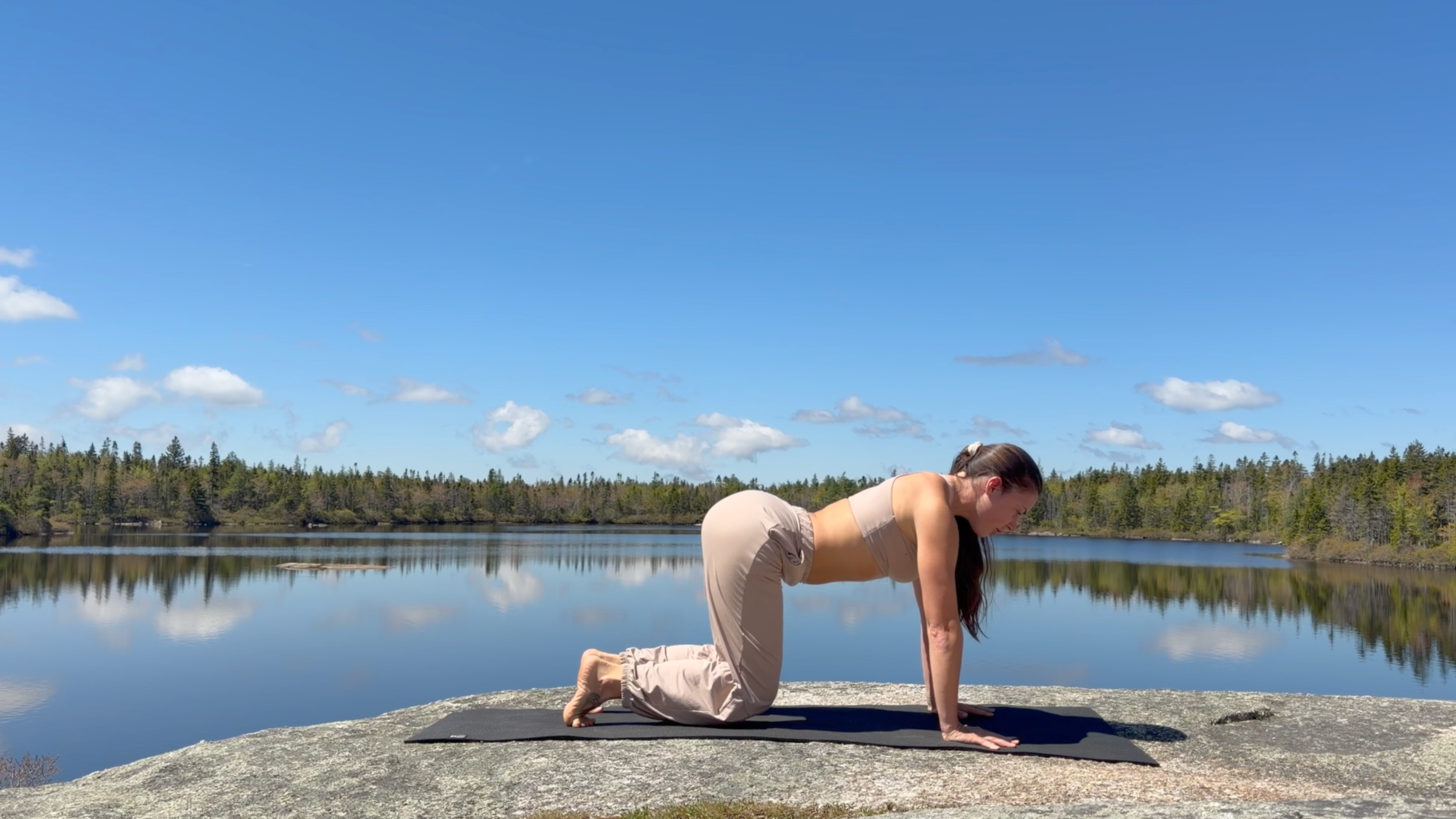
- Cat-Cow Variations: Lower the knees to the mat. Inhale to drop the belly into Cow Pose; exhale to round the spine into Cat Pose. Introduce organic, intuitive movements (side-to-side sways or hip circles) for 5 breath cycles.
- Final Rest: Settle back into Child’s Pose, remaining here anywhere from 1 to 5 minutes to allow the nervous system to absorb the physical benefits of the practice.
Supporting Data: Why Morning Movement Matters
Scientific literature increasingly supports the integration of somatic movement into early morning routines. According to a study published in the Journal of Medical Internet Research (JMIR Formative Research), physiological transitions upon waking significantly influence emotional regulation, stress reactivity, and cognitive stamina throughout the day.

Furthermore, clinical kinesiology research indicates that dynamic spinal articulation in the morning increases synovial fluid production within the vertebral joints by up to 20%, reducing the incidence of acute lower back pain caused by overnight muscle tightening. Incorporating breath-led movement—such as the Pranayama-paced transitions found in Baltzer’s sequence—has also been clinically shown to reduce morning cortisol spikes by activating the parasympathetic nervous system, trading "fight-or-flight" panic for calm, deliberate focus.
Official Responses and Expert Insights
Wellness experts and physical therapists have praised routines that prioritize intuitive movement over rigid athletic perfection.
"We live in a culture that demands high-output performance the exact second our eyes open," notes Sarah Jenkins, a Doctor of Physical Therapy specializing in orthopedic rehabilitation. "When you force a stiff, dehydrated spine into high-impact workouts or stressful mental tasks right away, you risk micro-traumas and sustained nervous system fatigue. A flow like this honors biological reality: it warms the tissues gently, encourages lymphatic drainage, and establishes psychological agency over your morning."
Yoga educators emphasize that the lack of rigid rules in this 15-minute sequence is its greatest strength. "The objective isn’t to look like a textbook drawing in every posture," Emily Baltzer explains in her instructional guide. "It’s about asking your body what it needs on that specific morning—whether that means taking an extra breath in a side-stretching Child’s Pose or bending your knees generously in Downward-Facing Dog. You are making the practice your own."
Implications: Reclaiming the Morning Routine
The broader implications of adopting a mindful morning movement practice extend far beyond physical flexibility. By deliberately choosing a 15-minute yoga sequence over an automatic scroll through digital feeds, individuals can fundamentally alter their psychological baseline for the day.
- Reduced Screen Dependency: Breaking the immediate morning phone habit helps mitigate chronic anxiety loops associated with the 24-hour news cycle and social comparison.
- Enhanced Productivity: Cultivating a centered, breath-aware state first thing improves executive function, decision-making capabilities, and emotional resilience when facing workplace stressors.
- Long-Term Musculoskeletal Health: Consistent, gentle morning mobilization wards off the cumulative effects of sedentary lifestyles and poor sleep ergonomics.
Ultimately, trading the digital blue light of a morning screen for the grounded warmth of a yoga mat provides a powerful reminder: how you start your morning determines not just how you feel, but how you live.
