

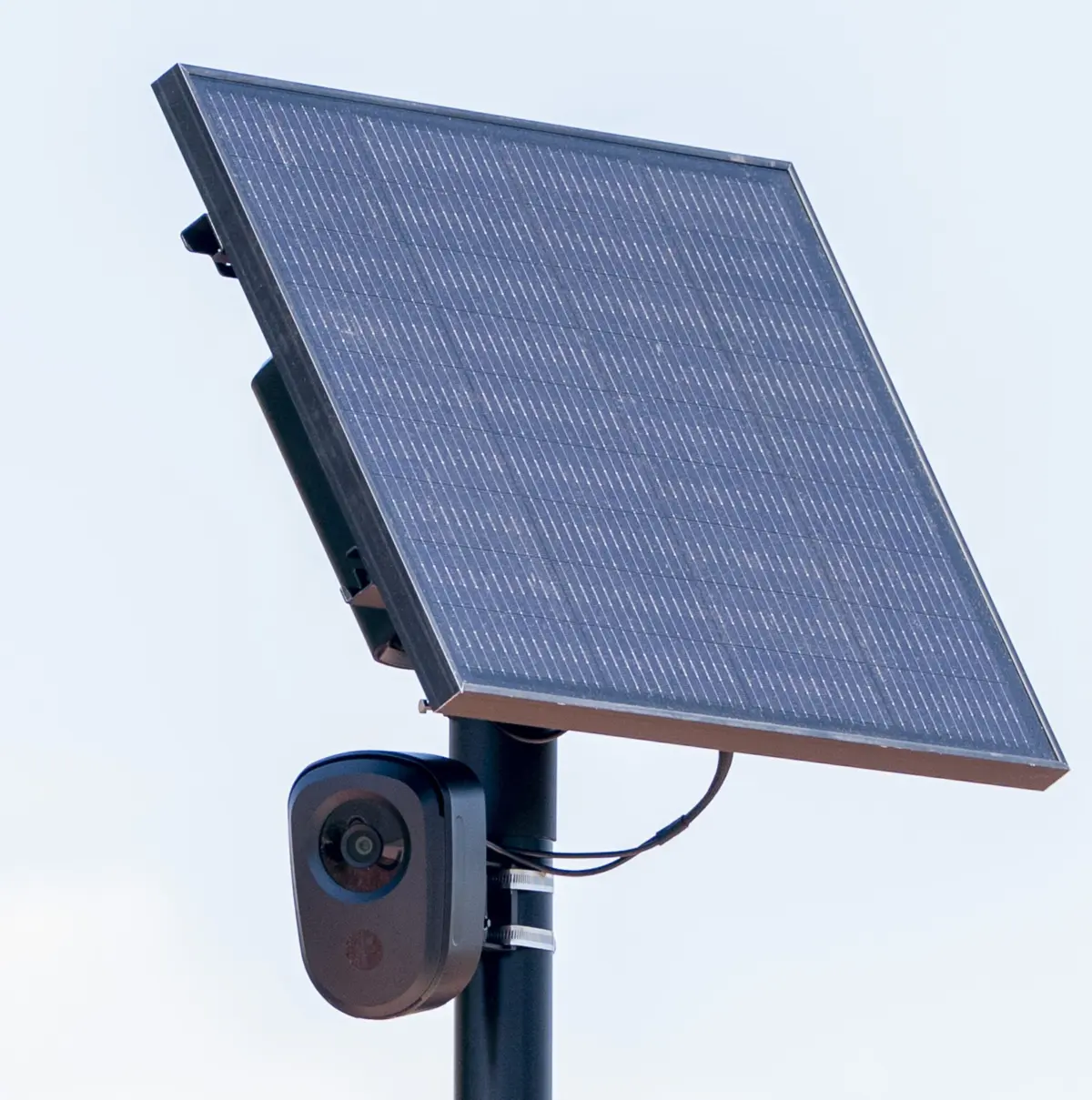
COTTONWOOD, Arizona — In a sudden move that highlights the growing national tension between local law enforcement surveillance and civil liberties, the City of Cottonwood has announced the immediate suspension of its automated license plate reader (ALPR) program.
The decision, jointly announced by municipal leadership and the Cottonwood Police Department on Friday, September 4, halts the use of cameras manufactured by Flock Safety, a prominent and controversial surveillance technology provider. The suspension will remain in place until the Cottonwood City Council can convene a formal public work session to evaluate the technology’s place in the community.
The abrupt deactivation of the cameras comes after weeks of intensifying public debate in the Verde Valley community, where residents have expressed deep concerns over privacy, data retention, and the lack of transparent public discourse prior to the system’s deployment.
Main Facts of the Suspension
At 12:08 p.m. on Friday, September 4, the City of Cottonwood released an official statement via social media and local press channels confirming that all Flock Safety license plate readers operating within city limits had been deactivated.
The key facts of the administrative action include:
- Immediate Deactivation: The suspension took effect immediately upon the release of the announcement. Flock Safety was officially notified by the city to cut the data feeds from all local camera installations.
- Physical Mitigation: To reassure skeptical residents, the Cottonwood Police Department announced that officers may physically cover the camera lenses in addition to the digital deactivation already executed.
- Joint Administrative Decision: The decision was reached following direct consultations between Cottonwood City Manager Mario Cifuentez II and Chief of Police Brian Freudenthal. Both officials acknowledged that the "level of discord" surrounding the technology had compromised public trust.
- Pending Legislative Review: The future of the ALPR system now rests with the Cottonwood City Council. A public work session has been scheduled for Tuesday, September 22, at the Riverfront facility’s Cottonwood Council Chambers, where council members, law enforcement officials, and residents will debate the merits and drawbacks of the system.
Chronology of the Controversy
The path to the suspension of Cottonwood’s ALPR program reflects a broader, familiar pattern seen in municipalities across the United States transitioning into smart-city surveillance.
[Initial Deployment] ➔ [Public Awareness] ➔ [Growing Community Discord] ➔ [Administrative Review] ➔ [Sept 4: Immediate Suspension] ➔ [Sept 22: City Council Work Session]1. The Deployment Phase
Like many mid-sized law enforcement agencies seeking to modernize their investigative capabilities, the Cottonwood Police Department procured Flock Safety ALPR cameras. The technology was positioned as a "force multiplier"—an automated system capable of monitoring major roadways and intersections to assist a lean police force in tracking stolen vehicles and identifying suspects.
2. The Emergence of Public Friction
As the sleek, pole-mounted, solar-powered cameras began appearing along Cottonwood’s thoroughfares, local residents and privacy advocates took notice. Online forums, community groups, and public comment segments of City Council meetings increasingly became battlegrounds for debate. Opponents questioned the legal authority of the continuous surveillance, while proponents argued that law-abiding citizens had nothing to fear.
3. The Tipping Point
By late August, the volume of community feedback—both in support of and in fierce opposition to the cameras—had escalated to a level that administrative leaders could no longer ignore. City Manager Mario Cifuentez II and Chief of Police Brian Freudenthal initiated private discussions to assess whether the operational benefits of the system outweighed the erosion of community goodwill.
4. The September 4 Decision
Determining that the polarization of the community was detrimental to municipal operations, Cifuentez and Freudenthal opted for an immediate, preemptive suspension of the program. By early afternoon on September 4, the system was offline, and the public was notified of the upcoming September 22 work session.
Understanding the Technology: Supporting Data and the National Debate
To understand the intensity of the debate in Cottonwood, it is necessary to examine the underlying technology provided by Flock Safety and how it has polarized communities nationwide.
What is Flock Safety?
Flock Safety is an Atlanta-based technology firm that has captured a dominant share of the municipal and neighborhood security market. Unlike traditional license plate readers that merely capture alphanumeric text, Flock’s proprietary hardware and software utilize advanced machine learning algorithms to establish what the company calls a "Vehicle Fingerprint."
+-------------------------------------------------------------+
|                 FLOCK SAFETY CAPABILITIES                   |
+-------------------------------------------------------------+
|  [License Plate]   -> Reads state, temporary, & missing tags|
|  [Vehicle Features]-> Identifies color, make, model, decals  |
|  [Unique Details]  -> Flags roof racks, damage, bumper stickers|
|  [Search Filter]   -> Allows retroactive queries by attributes|
+-------------------------------------------------------------+
This technology allows law enforcement officers to search database footage not just by a known license plate number, but by descriptive characteristics. For example, an officer can search for a "red pickup truck with a dented tailgate and a roof rack" that passed a specific intersection within a designated timeframe.
The Law Enforcement Perspective
Police departments across Arizona and the wider United States have championed Flock Safety as an invaluable tool for modern policing. Supporters point to several key metrics and capabilities:
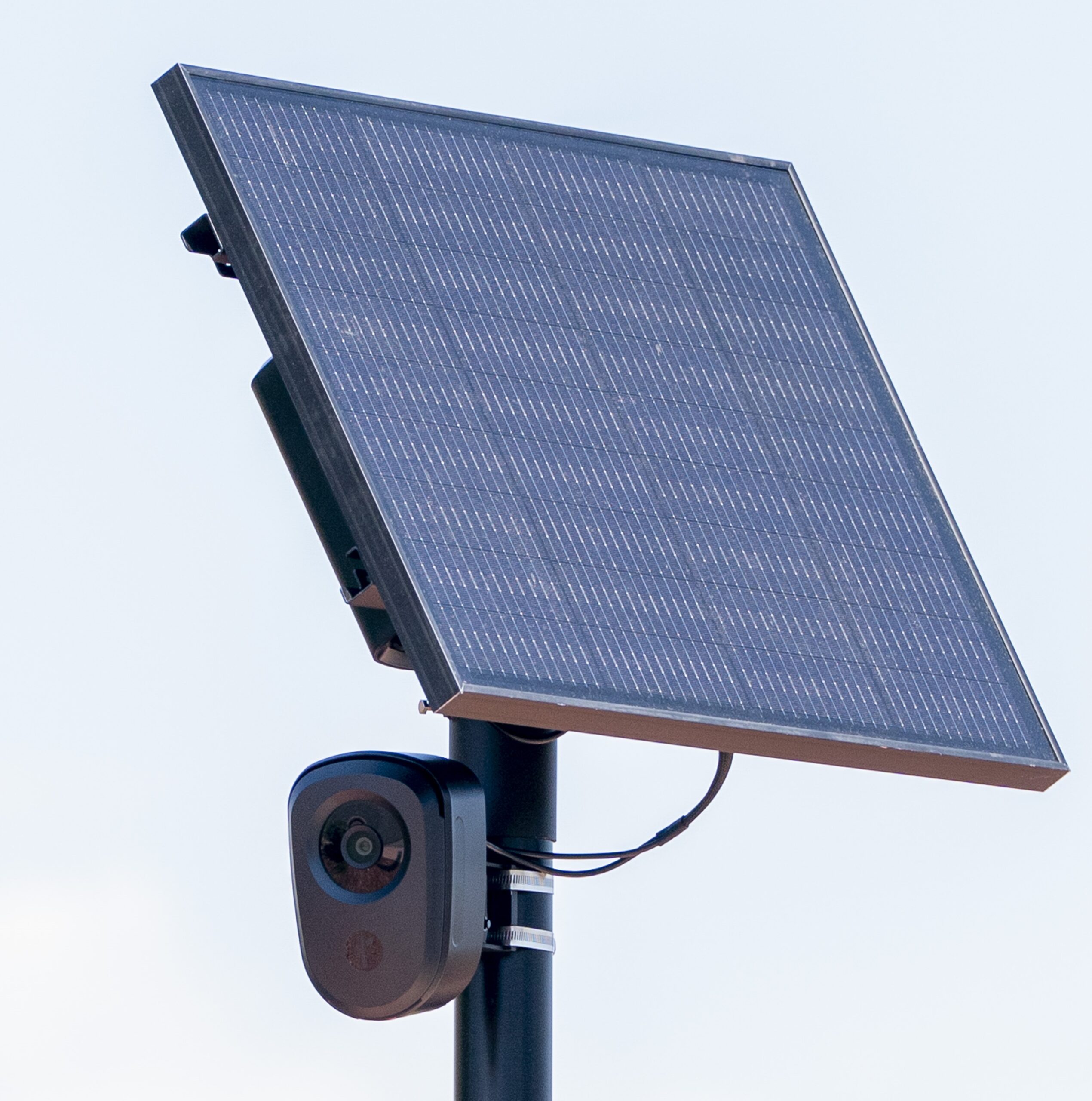
- Real-Time Alerts: The cameras instantly compare scanned license plates against state and national law enforcement databases (such as the National Crime Information Center, or NCIC). If a vehicle associated with an active Amber Alert, Silver Alert, stolen vehicle report, or felony warrant passes a camera, officers receive a push notification within seconds.
- Objective Evidence: The technology removes human bias from the initial detection phase, relying strictly on objective vehicular data to trigger alerts.
- Resource Efficiency: For smaller departments facing staffing shortages, automated monitoring allows agencies to secure geographic boundaries without deploying physical patrols to static checkpoints.
The Civil Liberties and Privacy Critique
Conversely, civil liberties organizations, most notably the American Civil Liberties Union (ACLU), have raised serious alarms regarding the rapid, unregulated proliferation of Flock Safety networks. The primary concerns include:
- Mass Surveillance of the Innocent: The cameras capture data on every single vehicle that passes them, regardless of whether the driver is suspected of any wrongdoing. This creates a detailed log of the daily movements, habits, and associations of law-abiding citizens.
- Data Retention and Sharing: While Flock’s default policy deletes captured footage after 30 days, critics point out that the data can be shared across a vast network of law enforcement agencies nationwide, creating a centralized, searchable map of interstate travel without judicial oversight.
- Lack of Democratic Oversight: In many jurisdictions, police departments have acquired and deployed ALPR systems using federal grants, drug forfeiture funds, or departmental discretionary budgets, bypassing the traditional public bidding and legislative review processes.
Official Responses and Municipal Statements
The joint statement released by the City of Cottonwood and the Cottonwood Police Department on September 4 was notable for its conciliatory tone, emphasizing a commitment to civic harmony and transparency over technological convenience.
"The City of Cottonwood and the Cottonwood Police Department respect community opinions, including those that have been shared in support or opposition of Flock license plate readers," the joint press release stated. "We prioritize public trust and recognize the importance of addressing community concerns openly and transparently."
The statement explicitly tied the suspension to the political and social climate of the city, noting that the decision followed rigorous discussions between City Manager Mario Cifuentez II and Chief of Police Brian Freudenthal:
"…regarding the level of discord the license plate reader issue is generating within our community, it has been determined that it would be best to suspend the use of this technology at this time. The suspension has taken effect immediately, and will continue until our City Council can make an informed decision on the appropriate use of this technology in Cottonwood."
Addressing the logistics of the deactivation, the statement sought to assure residents that the suspension was not merely symbolic:
"For now, Flock has been notified of the suspension and license plate readers within the city are deactivated. The Police Department may physically cover the cameras as an additional step, but they have already stopped operating."
The administration concluded by thanking the community for its active civic engagement:
"The city of Cottonwood and the Cottonwood Police Department appreciate the community’s engagement and remain committed to maintaining public trust."
Broader Implications for Municipal Surveillance
The suspension in Cottonwood is not an isolated event; rather, it is emblematic of a broader national reckoning over the integration of artificial intelligence and automated surveillance into local governance.
The Challenge of Community-Oriented Policing
For modern police departments, maintaining public trust is widely recognized as a foundational element of effective law enforcement. When a police department introduces technology that a significant portion of the electorate perceives as intrusive or unconstitutional, the resulting friction can undermine community-oriented policing initiatives.
By voluntarily shutting down the Flock network prior to a legislative mandate, Chief Freudenthal and City Manager Cifuentez have signaled that preserving the relationship between the citizenry and local government takes precedence over technical investigative advantages.
                  +--------------------------+
                  |   POLICE SURVEILLANCE    |
                  |         DILEMMA          |
                  +-------------+------------+
                                |
               +----------------+----------------+
               |                                 |
               v                                 v
    +--------------------+             +--------------------+
    |   Public Safety    |             |    Public Trust    |
    |  - Faster Solves   |     vs      |  - Civil Liberties |
    |  - Force Multiplier|             |  - Privacy Rights  |
    |  - Auto Alerts     |             |  - Transparency    |
    +--------------------+             +--------------------+
Legislative Precedents and Future Frameworks
As the Cottonwood City Council prepares for its September 22 work session, it will likely look to other municipalities that have wrestled with similar choices. Some cities have chosen to ban ALPR systems entirely, citing privacy concerns. Others have established strict regulatory frameworks to govern their use, including:
- Strict Retention Limits: Mandating that all non-matching data be permanently deleted within 24 to 72 hours, rather than the industry-standard 30 days.
- Audit Requirements: Requiring independent, third-party audits of the system to ensure officers are not utilizing the database for unauthorized personal or political tracking.
- Prohibitions on External Sharing: Restricting the sharing of local vehicle data with out-of-state law enforcement agencies or federal immigration authorities.
- Public Dashboards: Implementing public-facing transparency portals that show how many plates are scanned daily, how many "hotlist" hits are generated, and how many of those hits result in arrests or cleared cases.
The outcome of the upcoming public work session in Cottonwood will likely serve as a bellwether for other municipalities in Arizona and across the Southwest. It demonstrates that local communities still wield significant power in determining the boundaries of government surveillance in their own backyards.
