

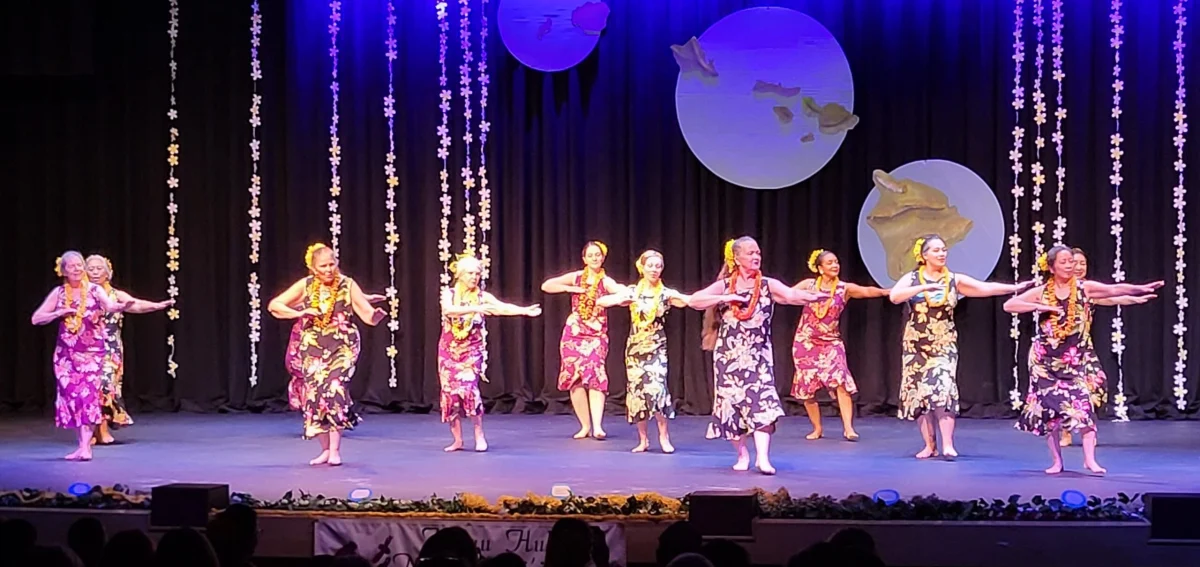
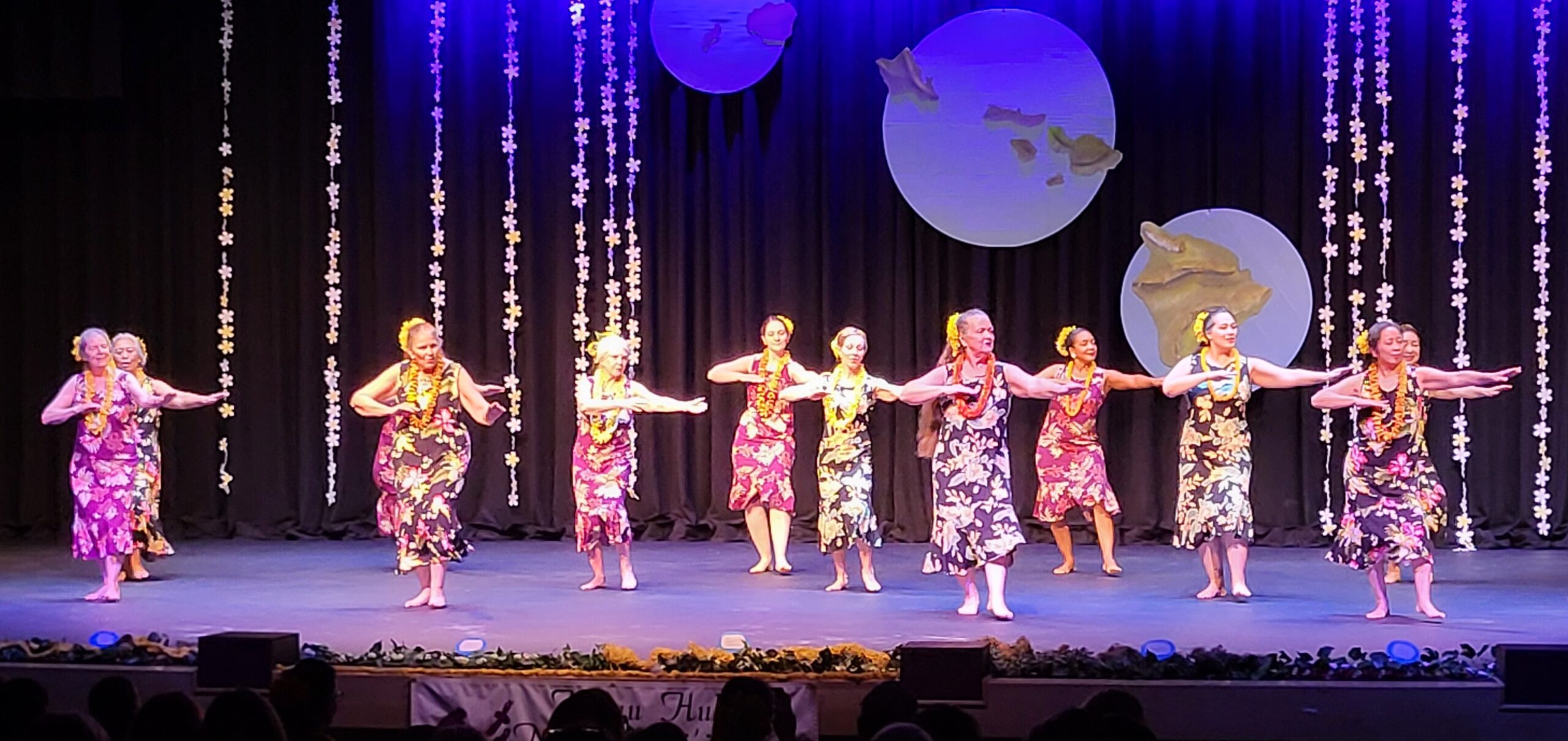
CAMP VERDE, Arizona — The high desert of Arizona’s Verde Valley is set to transform into a vibrant hub of Hawaiian culture, music, and dance. On Saturday, Oct. 17, the non-profit organization Aloha ʻAina o Hawaiʻi, in partnership with the Cottonwood-based school Halau Hula Napuaokaleiʻilima, will present its 21st Annual Hoʻike.
The hula exhibition show, a long-standing regional tradition, offers an immersive, authentic look into both ancient and modern Hawaiian heritage. The event will take place at the Phillip England Center for the Performing Arts, located at 280 Camp Lincoln Road in Camp Verde. Doors open to the public at 12:30 p.m., with the two-hour performance scheduled to begin promptly at 1:00 p.m.
Main Facts: A Bridge Across the Pacific
The annual Hoʻike (an exhibition or show) serves as the primary public showcase for Halau Hula Napuaokaleiʻilima, directed by Kumu Hula (hula master) Kehau Chrisman. This year’s event is particularly significant, marking over two decades of dedicated cultural preservation in Northern and Central Arizona.
Key Event Details
- Event Name: 21st Annual Hoʻike (Hula Exhibition Show)
- Hosts: Aloha ʻAina o Hawaiʻi & Halau Hula Napuaokaleiʻilima
- Date & Time: Saturday, Oct. 17; doors open at 12:30 p.m., show runs from 1:00 p.m. to 3:00 p.m.
- Location: Phillip England Center for the Performing Arts, 280 Camp Lincoln Road, Camp Verde, AZ
- Tickets: Pre-sale (available until 11:59 p.m. on Oct. 16) is $15 for adults, $8 for youth (ages 7–17), and free for children under 7. At-the-door pricing increases to $20 for adults and $10 for youth.
The event is designed to be educational as well as entertaining. Rather than presenting commercialized or "Hollywood-style" Polynesian dances, the Hoʻike focuses strictly on authentic, historically grounded Hawaiian hula. The performance is divided into two distinct acts: the ancient, traditional style known as hula kahiko, and the modern, melodic style known as hula ʻauana.
Chronology: The Structure of the Hoʻike and the Halau’s History
To understand the depth of the upcoming exhibition, it is useful to look at both the day’s scheduled program and the decades-long timeline that brought this Hawaiian tradition to the Arizona desert.
+-------------------------------------------------------------------+
|                     HOʻIKE EVENT CHRONOLOGY                       |
+-------------------------------------------------------------------+
| 12:30 PM | Doors Open                                             |
|          | - Silent Auction & 50-50 Cash Raffle Begin             |
|          | - Halau Store Opens for Hawaiian Crafts & Art          |
+----------+--------------------------------------------------------+
|  1:00 PM | Act I: Cultural Presentation & Hula Kahiko             |
|          | - Dr. B. Kaʻimiloa Chrisman: Ipu Pawehe & Instruments  |
|          | - Performance of Ancient Hula by Halau Students        |
+----------+--------------------------------------------------------+
|  2:00 PM | Act II: Hula ʻAuana (Modern Hula)                      |
|          | - Melodic Dances representing Hawaii's Sacred Places   |
|          | - Performance accompanied by Ukulele and Vocals        |
+----------+--------------------------------------------------------+
|  3:00 PM | Exhibition Concludes                                   |
|          | - Announcement of Auction Winners & Raffle Draw        |
+-------------------------------------------------------------------+
The Timeline of the Event
The doors of the Phillip England Center will open at 12:30 p.m., allowing attendees to browse the Halau Store, which features Hawaiian-themed merchandise, clothing, and handcrafted goods. Simultaneously, guests can participate in a 50-50 cash raffle and place bids in a silent auction. The auction features authentic Hawaiian artifacts, original illustrations, and rare fine artwork.
At 1:00 p.m., the stage production begins. The first half of the program centers on a rigorous cultural presentation led by Hawaiian scholar B. Kaʻimiloa Chrisman, Ph.D., alongside Kumu Hula Kehau Chrisman. Together, they will demonstrate the rare, traditional instruments used to guide hula kahiko (ancient hula). This segment features students performing historic dances that date back centuries before Western contact with the Hawaiian Islands.
Following a brief transition, the second half of the program shifts focus to hula ʻauana (modern hula). This portion showcases graceful, expressive movements set to melodic string instruments like the ukulele and steel guitar. The choreography, designed by Kumu Hula Kehau Chrisman, guides the audience on a geographic and narrative journey, with each dance representing legendary landmarks, historical figures, and natural wonders across the Hawaiian archipelago.
Chronology of the Halau’s Desert Roots
The presence of a highly respected hula school in the Arizona desert is the result of a 20-year journey:
- 1997: Kehau Chrisman begins teaching hula in Hawaii after decades of rigorous training under esteemed lineage masters.
- 2002: Kehau Chrisman relocates to Cottonwood, Arizona, bringing her deep cultural knowledge to the Southwest.
- 2004: She establishes Halau Hula Napuaokaleiʻilima in Cottonwood. She also expands her curriculum to teach the Hawaiian language (ʻŌlelo Hawaiʻi), ukulele music, and traditional crafts.
- 2004–Present: The school grows steadily, drawing dedicated students from across Northern and Central Arizona, including Flagstaff, Sedona, Prescott, and the Verde Valley.
Supporting Data: The Preservation of Rare Traditions
The Hoʻike is more than a recital; it is a showcase of specialized historical preservation. Central to this year’s event is the participation of Dr. B. Kaʻimiloa Chrisman, a highly regarded scholar of Hawaiian culture.
The Revival of Ipu Pawehe
Dr. Chrisman was named one of the recipients of the 2026 Living Treasures of Hawaiʻi award. This prestigious honor, established by the Honpa Hongwanji Mission of Hawaii, recognizes individuals who have made significant, lifelong contributions to the preservation and perpetuation of traditional Hawaiian culture and humanities.
Dr. Chrisman’s specific contribution is the revival of ipu pawehe—the lost art of decorating gourds unique to the island of Niʻihau.
   IPU PAWEHE PROCESS (The Niʻihau Method):
   [Harvesting the Gourd]
          │
          ▼
   [Etching Patterns into the Outer Skin (while green)]
          │
          ▼
   [Filling the Gourd with Dye/Infusion from Native Plants]
          │
          ▼
   [Dye seeps outward, coloring only the unetched inner layers]
          │
          ▼
   [Peeling the Outer Skin to reveal contrasting patterns]
Ipu pawehe involves a highly complex, natural dyeing process. Unlike modern surface painting, the patterns are etched into the skin of a fresh gourd. A dark dye made from native plants is poured inside the gourd, seeping outward through the inner flesh to color the etched designs from the inside out.
When the outer skin is peeled away, a striking, indelible contrast is revealed. By reviving this highly technical craft, Dr. Chrisman saved an endangered art form from extinction. Notably, he is the first-ever recipient of the Living Treasures of Hawaiʻi award to reside outside the state of Hawaii.
The Rigor of Kumu Hula Training
The authenticity of the Halau’s curriculum is backed by Kumu Hula Kehau Chrisman’s extensive training. In traditional Hawaiian culture, the title of Kumu Hula (hula master) is not self-appointed; it is earned through decades of discipline, study, and formal graduation rituals (ʻūniki).
- Total Experience: Over 40 years in the study and practice of hula.
- Formal Apprenticeship: 17 years of intensive, specialized training in Hawaii under legendary masters.
- Curriculum Breadth: Beyond physical dance, her expertise covers genealogy, chanting (oli), native botany (for lei-making and instrument construction), and the spiritual protocols associated with the art form.
This level of expertise explains why students commute hours from high-altitude Flagstaff or the mountain valleys of Prescott to study under her direction in Cottonwood.
Official Responses: Supporting the Cultural Mission
The Hoʻike serves as the primary fundraiser for Aloha ʻAina O Hawaiʻi, a registered 501(c)(3) nonprofit organization. The organization’s mission is to provide public education about the customs, values, language, and arts of the Hawaiian culture, ensuring that these traditions are passed down accurately to future generations.
In statement materials detailing the organization’s philosophy, the leadership emphasizes that hula is not merely a performance art, but a historical record:
"Hula is the heartbeat of the Hawaiian people. Before there was a written language, our history, our genealogies, and our relationship with the natural world were recorded and transmitted through the chants and movements of the hula. To preserve hula is to preserve the historical memory of Hawaii."
Organizers point out that the funds raised through the silent auction, raffle, and ticket sales directly support community workshops, educational outreach, and the procurement of traditional materials that are difficult to source in the landlocked Southwest. These materials include native Hawaiian woods, gourds, and specific plant fibers used in authentic costuming and instrument making.
Implications: Cultural Preservation in the Diaspora
The success and longevity of Halau Hula Napuaokaleiʻilima highlight an important modern cultural phenomenon: the preservation of indigenous traditions within diaspora communities.
The Challenges of Geographic Displacement
Maintaining the integrity of Hawaiian cultural practices in the high desert of Arizona presents unique challenges:
- Resource Scarcity: Traditional hula requires specific flora (such as maile, ti leaves, and palapalai ferns) for rituals and adornments. In Arizona, practitioners must adapt, source materials through specialized shipping, or find sustainable local alternatives that respect traditional protocols.
- Contextual Education: Teaching a culture deeply tied to an island ecosystem, ocean currents, and tropical volcanic geography to students living in an arid, landlocked basin requires creative pedagogy. Kehau Chrisman addresses this by integrating language, geography, and storytelling into every dance lesson.
Bridging Communities
Events like the Hoʻike play a vital role in dismantling superficial stereotypes of Hawaiian culture. By presenting hula kahiko and explaining the spiritual and historical significance behind the movements, the exhibition fosters a deeper, more respectful understanding of Native Hawaiian identity among Southwest residents.
Furthermore, it provides a vital touchstone for Pacific Islanders living in the Southwest, offering a sense of community and cultural grounding far from their home islands. The 21st Annual Hoʻike stands as a testament to the resilience of cultural heritage—proving that with dedication, the sacred traditions of Hawaii can flourish even in the heart of the Arizona desert.
Ticket and Attendance Information
For those planning to attend the exhibition, organizers recommend securing tickets in advance to take advantage of discounted rates and ensure seating.
| Ticket Category | Pre-Sale Price (Before Oct. 16, 11:59 PM) | Door Price (Oct. 17) |
|---|---|---|
| Adults | $15.00 | $20.00 |
| Youth (Ages 7–17) | $8.00 | $10.00 |
| Children (Under 7) | Free | Free |
- Online Purchases: Pre-sale tickets can be purchased online via the official website at arizonahula.com.
- Inquiries: For additional details regarding group ticketing, accommodations, or sponsorship opportunities, contact the organizers via email at [email protected].
- Cultural Resources: To learn more about the academic and historical preservation work of Aloha ʻAina o Hawaiʻi, visit hawaiianculture.com.
