

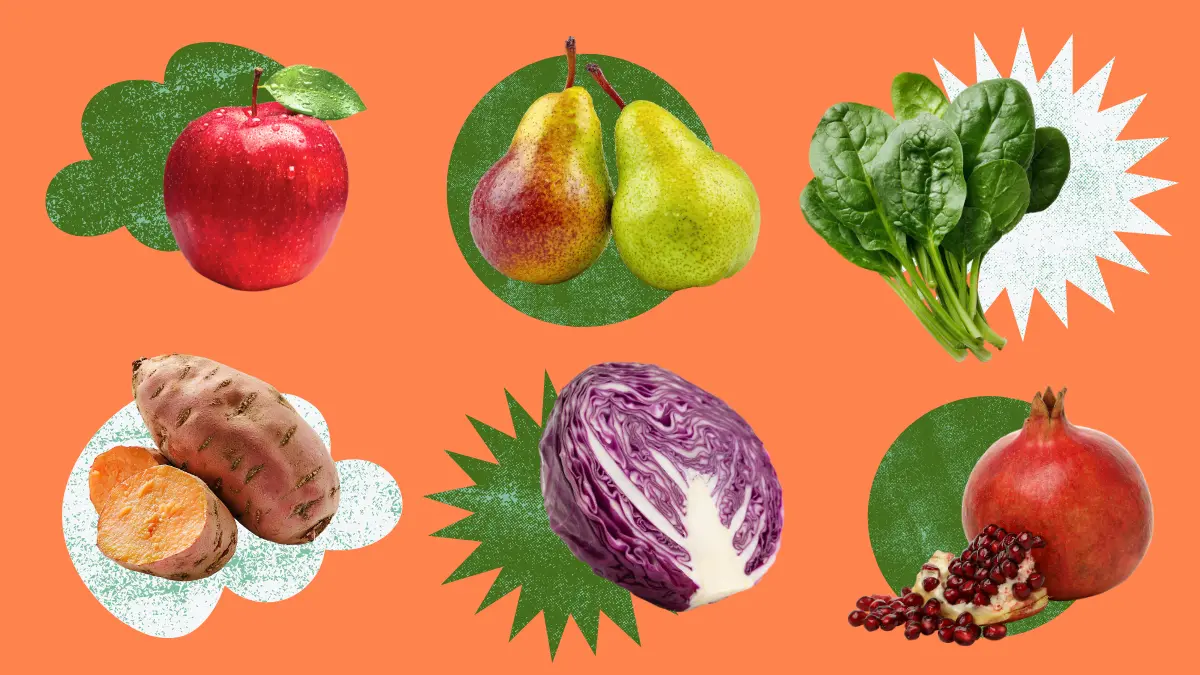
As the fleeting days of summer give way to the crisp, amber mornings of autumn, our culinary routines naturally shift. The vibrant, water-heavy bounty of warm-weather crops—heirloom tomatoes, bell peppers, and summer squash—makes way for the comforting, earthier flavors of fall: crisp apples, juicy pears, robust cruciferous vegetables, and nutrient-dense root crops.
However, alongside this seasonal transition comes a less appetizing reality that surfaces with every harvest cycle. Just as spring and summer produce guides reveal significant traces of synthetic chemicals in conventional farming, autumn’s favorites are similarly impacted. Specifically, when consumers reach for iconic fall staples like conventional apples and pears, they may also be purchasing residues of powerful fungicides and insecticides.
Armed with data from the Environmental Working Group (EWG) and the U.S. Department of Agriculture (USDA), consumers can navigate the autumn produce aisle with confidence. Understanding which crops demand organic investment and which can be safely purchased conventional helps balance household budgets while minimizing dietary exposure to synthetic residues.
Main Facts: The Chemical Landscape of Autumn Produce
The foundation of modern consumer guidance on pesticide exposure rests on data collected by the USDA and analyzed annually by the EWG. By evaluating thousands of conventional produce samples, researchers categorize fruits and vegetables into two primary metrics: the Dirty Dozen (crops most susceptible to heavy pesticide and fungicide contamination) and the Clean Fifteen (crops least likely to carry significant synthetic chemical residues).
For the fall season, the stakes are particularly high for items with thin, edible skins.
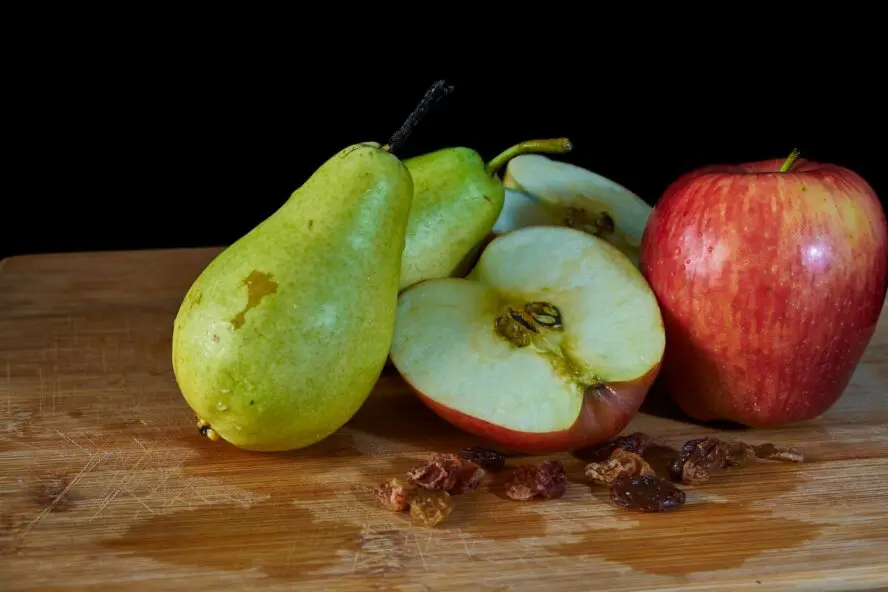
- Apples and Pears: Ranking prominently on the EWG’s Dirty Dozen list (at 8th and 10th place, respectively), these fruits frequently test positive for post-harvest fungicides such as fludioxonil and pyrimethanil. Because consumers rarely peel them before eating, these chemical treatments are ingested directly.
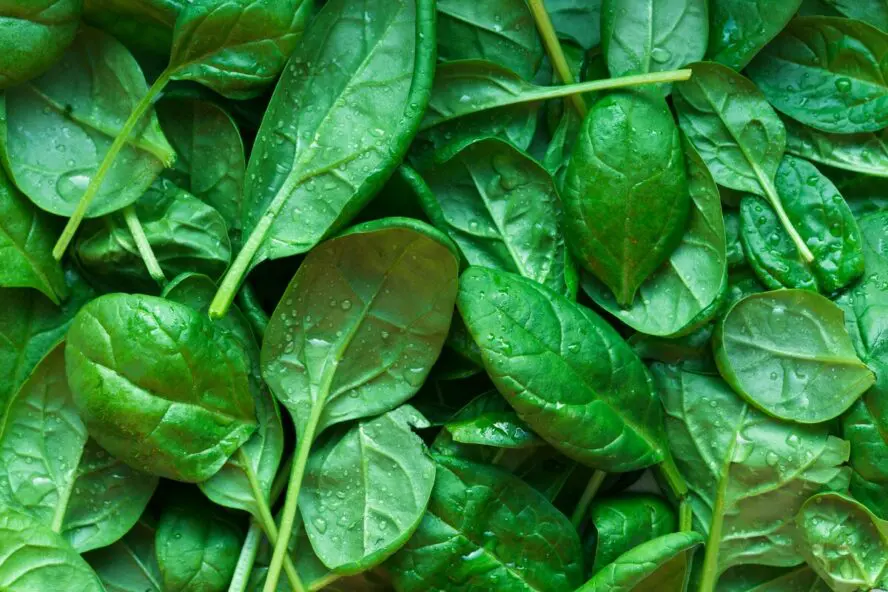
- Leafy Greens: Spinach continues to hold the top spot on the Dirty Dozen, while kale, collard, and mustard greens claim the second position. With nearly 60 percent of kale samples testing positive for residues like DCPA, these autumn staples warrant careful sourcing.
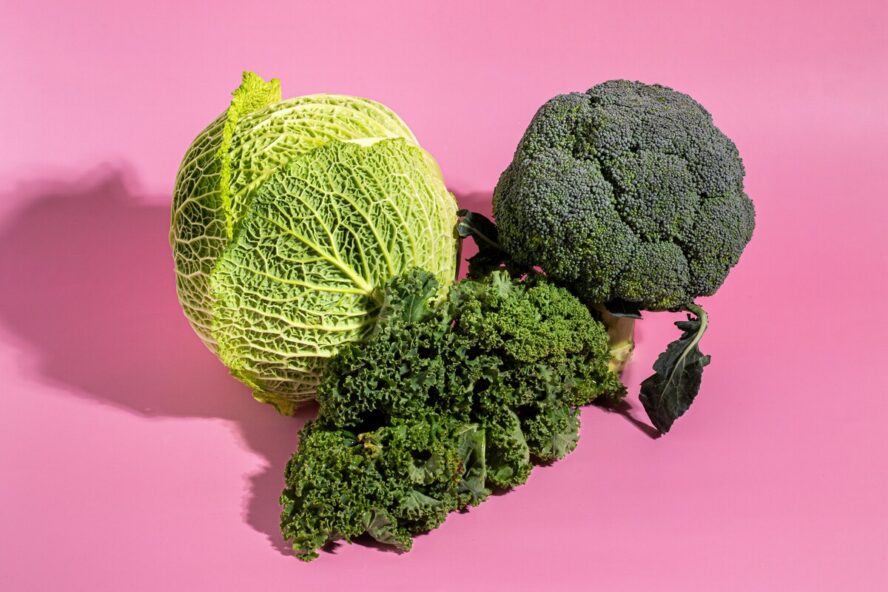
- The Safe Havens: Conversely, the EWG’s Clean Fifteen list offers budget relief. Cruciferous vegetables like cabbage and cauliflower, alongside versatile staples like mushrooms and sweet potatoes, exhibit low levels of chemical retention, making them safe and economical choices for conventional purchasing.
Chronology: How the Data and Regulations Have Evolved
To understand why certain chemicals are prevalent on autumn produce today, it is necessary to examine the regulatory timeline governing agricultural pesticides in the United States compared to global standards.
- 1995: The Environmental Protection Agency (EPA) classified DCPA—frequently found on conventional kale—as a possible human carcinogen. Despite this classification, it remained heavily utilized in American agriculture.
- 2000: In stark contrast to U.S. policy, the European Union implemented a comprehensive ban on the insecticide permethrin (commonly found on spinach) on food crops due to established links to neurotoxicity and childhood developmental concerns.
- 2010–2016: USDA testing data on pears revealed a dramatic escalation in chemical loads. In 2010, only 3 percent of conventional pears tested positive for five or more pesticides. By 2016, that figure spiked to 48 percent, and contemporary data shows that more than six in ten conventional pears now carry five or more distinct chemical residues.
- Present Day: The EWG’s ongoing annual reports continue to highlight the prevalence of newer synthetic fungicides, such as the PFAS-linked fludioxonil, illuminating a widening gap between U.S. agricultural safety tolerances and stricter international health standards.
Supporting Data: What’s Lurking on Your Fall Table?
A closer look at the specific chemicals identified in recent USDA datasets reveals why health advocates urge consumers to prioritize organic varieties for certain crops:
Apples and Pears: The Fungicide Problem
According to USDA consumption data, Americans eat an average of nearly 16 pounds of fresh apples per capita each year. However, non-organic samples are frequently treated with a cocktail of fungicides:
- Diphenylamine: Used on roughly two-thirds of non-organic apples to prevent black or brown storage blemishes. While the EPA maintains it is safe, European regulators have raised alarms over its potential toxicity to aquatic life and possible risks to human fertility, noting that its interaction with nitrogen-containing compounds can form carcinogenic nitrosamines.
- Pyrimethanil and Fludioxonil: These fungicides are increasingly detected on both apples and pears. Fludioxonil is a PFAS-class chemical linked in scientific literature to endocrine disruption and neurodegeneration, while pyrimethanil has been flagged for potential thyroid disruption.
- Neonicotinoids and Carbendazim: Conventional pears frequently test positive for systemic insecticides like acetamiprid and imidacloprid (linked to neurotoxicity), as well as carbendazim, which poses potential risks to the male reproductive system.
Spinach and Kale: Insecticides and Carcinogens
- Permethrin: Found on upwards of 76 percent of conventional spinach samples in historical USDA tests. Even at low doses, exposure has been correlated by researchers with an increased incidence of ADHD diagnoses in children.
- DCPA: Traces of this potential human carcinogen have been identified on nearly 60 percent of conventional kale samples tested by the EWG—a chemical banned in Europe for over a decade and a half.
Official Responses and Regulatory Disconnects
A persistent point of tension in agricultural reporting is the discrepancy between U.S. regulatory agencies (like the EPA and USDA) and international bodies (such as the European Food Safety Authority).
U.S. regulators maintain that the trace levels of pesticides found on conventional produce fall well below established "tolerance levels," asserting that they pose no immediate acute risk to human health. Federal guidelines emphasize that the nutritional and public health benefits of eating a diet rich in fruits and vegetables far outweigh the theoretical risks posed by low-level pesticide consumption.
However, independent scientists, toxicologists, and public health advocates argue that current regulatory standards fail to account for the cumulative effects of chronic, low-dose exposure to multiple chemical residues simultaneously (the "cocktail effect"). Furthermore, the European Union’s preemptive bans on substances like permethrin, DCPA, and chlorpropham illustrate a more conservative regulatory philosophy—one that prioritizes biological safety and environmental protection over conventional agricultural convenience.
American consumer advocacy groups consistently side with the more precautionary European standards, urging shoppers to use the Dirty Dozen as a practical tool for risk reduction.
Implications: Smart Shopping Strategies for the Autumn Season
Faced with rising grocery bills and conflicting reports on food safety, consumers do not need to abandon conventional produce entirely. Instead, a nuanced, strategic approach can maximize health benefits while protecting household budgets.
1. High-Priority Organic Swaps (The Fall Dirty Dozen)
When allocating a grocery budget toward organic items, focus on thin-skinned fruits and greens where chemical residues cannot be easily scrubbed away:
- Apples and Pears: Given their heavy fungicide treatments and edible skins, these are prime candidates for organic purchasing.
- Spinach and Kale: Investing in organic leafy greens significantly reduces your exposure to neurotoxic insecticides like permethrin and banned herbicides like DCPA.
- Grapes: As late-summer grapes stretch into autumn, their thin, porous skins make organic sourcing the safest bet to avoid chemical absorption.
2. Budget-Friendly Conventional Wins (The Fall Clean Fifteen)
Consumers can safely purchase conventional options for several hardy autumn staples, keeping grocery costs manageable:
- Cabbage, Cauliflower, and Broccoli: These cruciferous powerhouses—loaded with gut-healthy fiber and cancer-fighting antioxidants like sulforaphane—rank high on the Clean Fifteen (with cabbage and cauliflower taking 8th and 9th place, respectively).
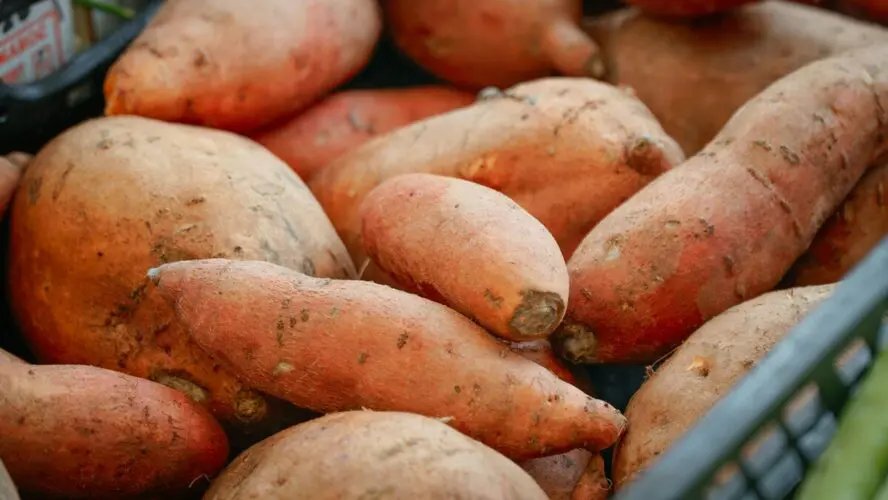
- Sweet Potatoes: Though narrowly missing the formal Clean Fifteen list, sweet potatoes rank as the 18th cleanest conventional crop. Their thick skins, which are typically removed prior to consumption in dishes like garlicky mashes or roasted grain bowls, provide an extra layer of protection.
- Mushrooms: Ranking 14th on the Clean Fifteen, conventional mushrooms offer versatile, umami-rich flavors and brain-protective nutrients without heavy pesticide loads.
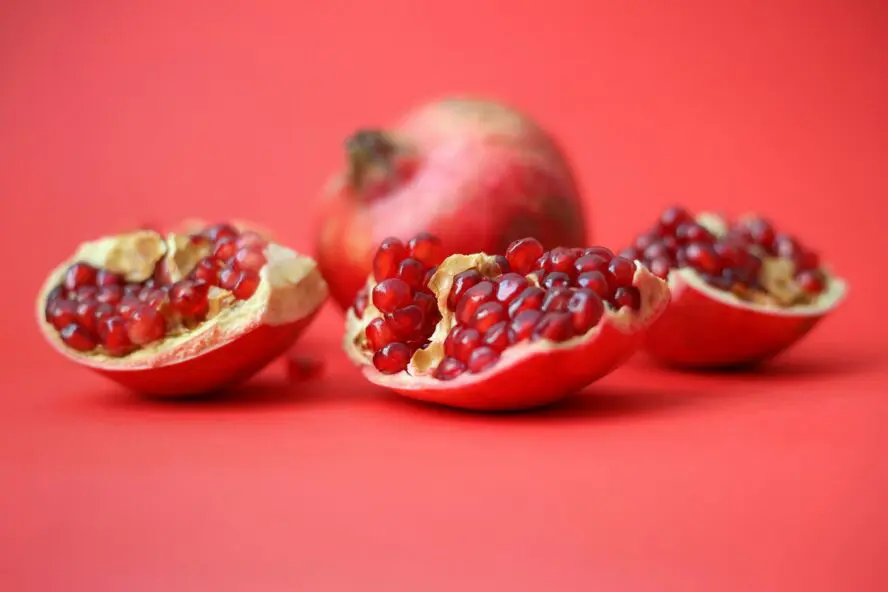
- Pomegranates: Featuring a tough, impenetrable exterior that shields the nutrient-packed ruby arils within, pomegranates are an inherently safe conventional purchase, provided the outer rind is thoroughly washed before scoring and seeding.
3. Best Practices for Washing Conventional Produce
For any conventional produce you do bring home, proper preparation can mitigate surface-level contamination:
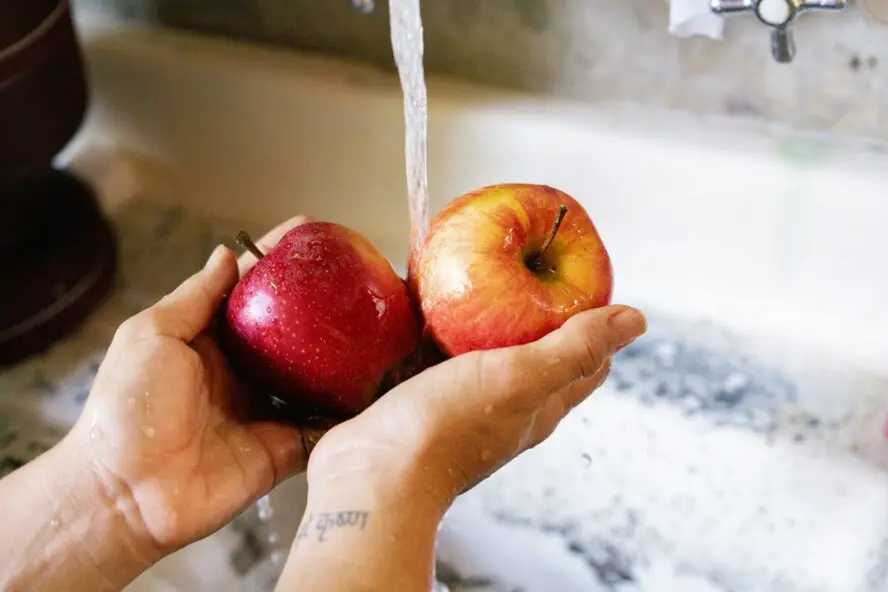
- Rinse and Scrub: Delicate items like grapes require a thorough cold-water rinse. Hardier root vegetables and thick-skinned fruits benefit from a water-and-vinegar soak and a gentle scrub.
- Understand Waxes: Food-grade wax coatings found on both conventional and organic apples serve to lock in moisture and extend shelf life. While harmless to ingest, conventional waxed fruit requires a more vigorous wash to remove trapped surface residues.
Ultimately, the goal of seasonal produce guides is not to induce fear, but to empower consumers. By understanding where your financial investment matters most—swapping to organic for thin-skinned orchard fruits and greens while leaning into safe conventional options for root vegetables and crucifers—you can enjoy a delicious, nourishing autumn harvest without compromising your health or your wallet.
