

Summer places our skin under an unprecedented siege. While July and August bring endless sunshine, long beach days, and outdoor adventures, they also introduce a barrage of environmental stressors. When skin begins to flare up, break out, or lose its dewy resilience under the summer heat, most of us instinctively rush to the beauty aisle. We swap out heavy creams for gel moisturizers, double up on blotting papers, and layer on targeted treatments.
Yet, there is a foundational component of skin health that nearly everyone overlooks: nutrition.
Skin is a living, breathing organ that relies entirely on internal resources to maintain its structure, repair UV-induced damage, and regulate moisture. Summer is the season where the disconnect between what our skin needs and what our diet provides becomes most glaringly apparent. By understanding the physiological shifts that occur during the warmer months—and adjusting our plates accordingly—we can feed our skin in a way that topical products can never replicate.
Main Facts: What Summer Actually Does to Your Body and Skin
When ambient temperatures climb, a cascade of physiological changes occurs beneath the surface. To maintain optimal internal body temperature, the body increases sweat production. While this cooling mechanism is vital, it comes with a cost: we rapidly lose water, sodium, and essential electrolytes.
Simultaneously, heightened ultraviolet (UV) radiation exposure accelerates oxidative stress. Free radicals generated by sunlight tear through the skin’s cellular structures, depleting internal reservoirs of antioxidants far quicker than the body can naturally replenish them.

Compounding these environmental stressors is a behavioral shift: appetite suppression. When it is 90 degrees outside, our bodies naturally crave lighter meals. Heavy, warming stews and dense proteins are replaced by cold salads, smoothies, and erratic snacking. While eating light is not inherently problematic, a chronic reduction in calorie and nutrient intake—such as skipping protein or healthy fats for days at a time—robs the body of the raw materials it needs to repair cellular damage. Without adequate amino acids and fatty acids in reserve, skin loses its elasticity, barrier strength, and natural radiance.
Chronology: The Lifecycle of Summer Skin Stress
To understand how diet impacts summer skin, it helps to trace the timeline of seasonal skin fatigue from early spring to the peak of July and August.
Phase 1: The Transition (Late Spring)
As the weather warms, sebum production naturally increases. Many individuals mistakenly strip their skin with harsh cleansers to combat the oiliness, unknowingly compromising their skin barrier just as UV index levels begin to climb. Meanwhile, diets often remain in a transitional phase, heavy on processed foods or erratic as outdoor social schedules pick up.
Phase 2: Peak Exposure (Mid-Summer)
By July, cumulative sun exposure, frequent swimming (chlorine and saltwater), and heavy sweating take a toll. Antioxidant reserves in the skin hit dangerously low levels. Because appetite has dropped due to the heat, micronutrient intake often plummets precisely when the body requires more defense mechanisms against oxidative stress.
Phase 3: The Breakdown (Late August)
This is when the cumulative deficit reveals itself. Skin often presents as dehydrated underneath a layer of surface oil, prone to sudden inflammation, delayed healing from minor cuts or bug bites, and a dull, uneven texture. Topical fixes provide temporary relief, but the underlying tissue remains starved of the building blocks required for genuine recovery.

Supporting Data and Key Nutrients for Summer Skin
Topical skincare products are indispensable, but they are only half of the equation. True resilience is built from the inside out. Here are the core nutrients required to fortify your skin during the summer months and where to find them.
1. Hydration Starts on the Plate
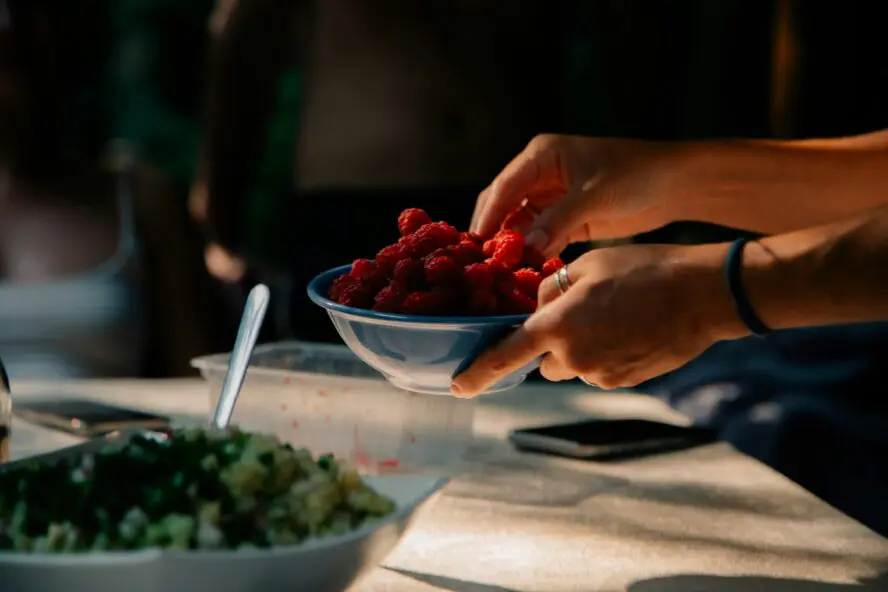
While drinking eight glasses of water a day is a standard wellness mantra, a significant percentage of your daily fluid intake actually comes from food. Summer produce boasts some of the most water-dense options available in nature. Watermelon, crisp cucumbers, juicy tomatoes, summer berries, citrus fruits, and leafy greens are packed with water and vital electrolytes like potassium.
When you sweat, you lose more than just water—you deplete sodium and potassium stores. Plain water alone cannot fully correct this imbalance. Incorporating potassium-rich foods like cantaloupe, white beans, yogurt, and potatoes, alongside lightly salted meals on high-sweat days, supports cellular hydration far more effectively than fluids alone.
2. Vitamin C and Collagen Synthesis
Collagen provides the structural framework that keeps skin firm and bouncy. However, your body cannot manufacture collagen without adequate vitamin C, which acts as an essential cofactor in the biological pathway. A shortfall in vitamin C doesn’t manifest overnight; instead, it reveals itself as sluggish cellular repair and decreased skin elasticity.
- Top Sources: Bell peppers, fresh strawberries, kiwi, citrus fruits, and broccoli.
- The Culinary Catch: Vitamin C is notoriously fragile. It breaks down rapidly when exposed to heat, light, and time. Consuming a bell pepper raw in a mid-day salad delivers a significantly higher dose of active vitamin C than one that has lingered in your produce drawer for a week before being sautéed in a hot pan.
3. Carotenoids and UV Resistance
Carotenoids—specifically lycopene and beta-carotene—accumulate in skin tissue over weeks of consistent dietary intake. Clinical research suggests that individuals who maintain a diet rich in these compounds exhibit a measurable, albeit modest, increase in their skin’s natural resistance to UV-induced redness (erythema).
- Crucial Note: This is a background protective effect and should never be viewed as a substitute for broad-spectrum SPF.
- Bioavailability: Lycopene is absorbed far more efficiently by the body from cooked tomatoes paired with a healthy fat like olive oil, making a simple, slow-simmered marinara sauce more beneficial for skin health than a raw tomato salad. For beta-carotene, look to carrots, sweet potatoes, apricots, and red bell peppers.
4. Omega-3 Fatty Acids and the Skin Barrier
The stratum corneum—the outermost layer of your skin—acts as a fortress, locking moisture in and keeping environmental irritants out. The integrity of this barrier depends heavily on the dietary fats you consume.
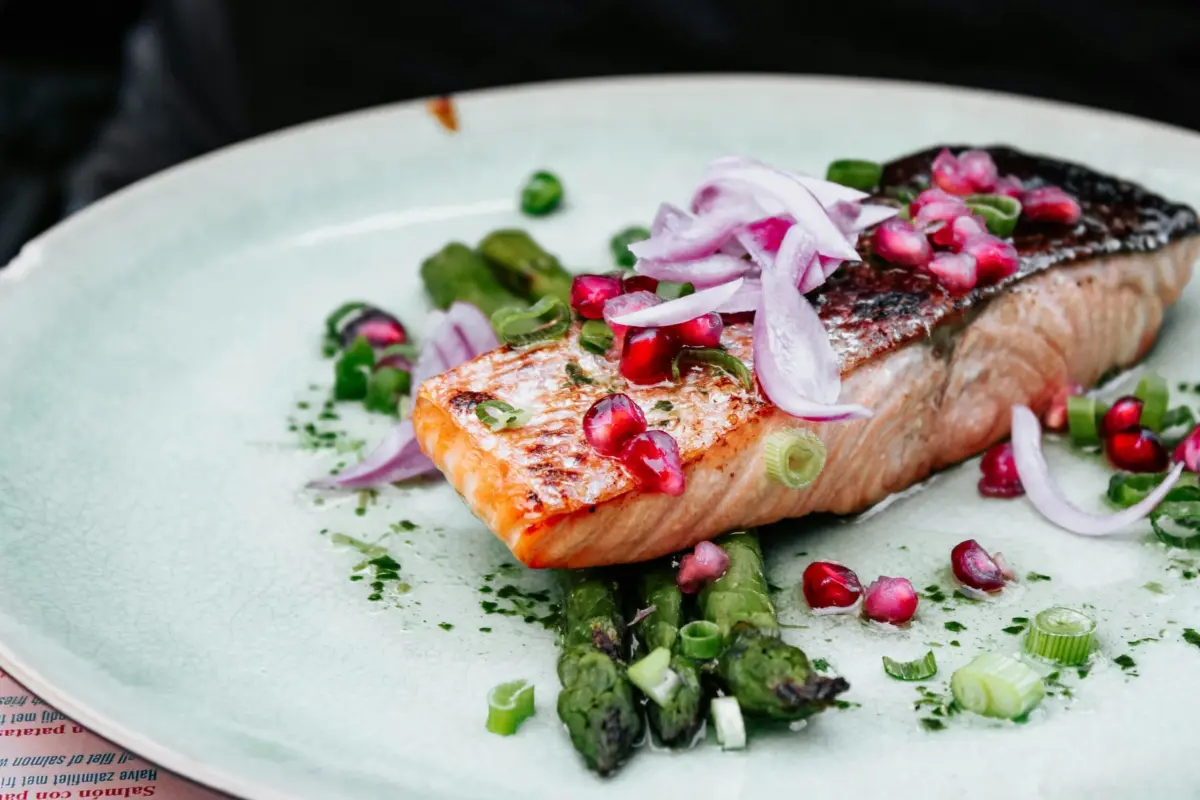
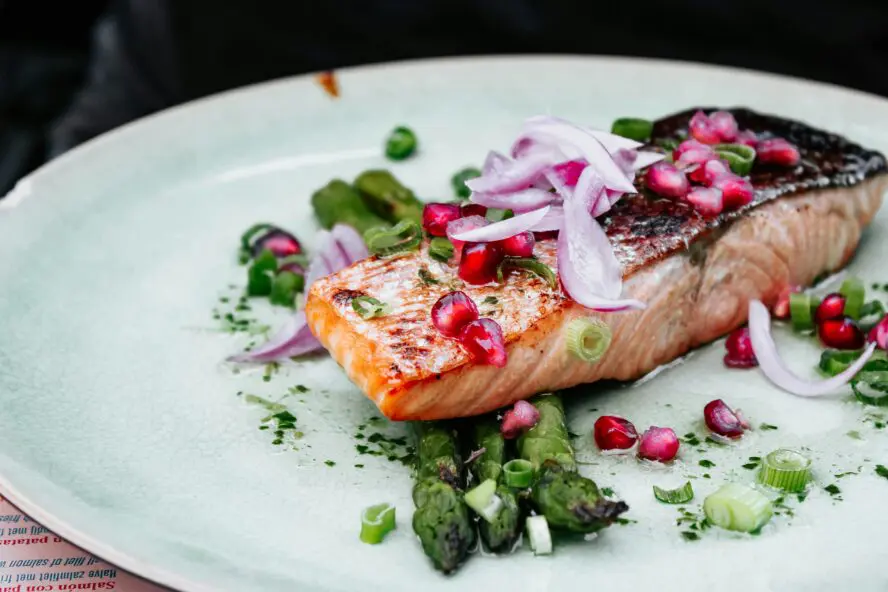
Fatty fish, such as wild-caught salmon, mackerel, and sardines, consumed twice a week, provide EPA and DHA omega-3 fatty acids that directly reinforce skin lipid bilayers. For plant-based eaters, walnuts, flaxseeds, and chia seeds offer ALA omega-3s, though the human body converts these plant-based fats less efficiently, requiring larger portions to achieve a comparable barrier-supporting effect.
5. Protein and Zinc for Cellular Repair
Skin cell turnover and wound healing rely heavily on adequate protein and zinc. Collagen is built from specific amino acids, predominantly glycine and proline, which must be supplied by your daily diet. Zinc, meanwhile, supports immune function within the skin and accelerates the healing of blemishes or sun-induced micro-damage.
- Top Sources: Shellfish, lean beef, lentils, chickpeas, and pumpkin seeds.
- Practical Tip: Rather than consuming a massive amount of protein at dinner, spread your protein intake evenly across the day. Continuous availability of amino acids ensures that skin repair processes are never left waiting.
6. The Gut-Skin Axis
The relationship between the gastrointestinal microbiome and cutaneous health is a rapidly expanding field of study. Fermented foods—such as traditional yogurt, kefir, unpasteurized sauerkraut, and kimchi—introduce beneficial microbes that support gut integrity. While early scientific literature confirms a strong bidirectional link between gut health and skin conditions like acne and rosacea, researchers caution against overstating the current science. Eating kimchi will not instantly erase a sunburn, but cultivating a healthy microbiome supports overall systemic wellness, which ultimately reflects in your complexion.
Official Perspectives and Expert Consensus
Dermatologists and nutritional scientists universally agree on one foundational truth: food and skincare are cooperative, not interchangeable.
According to leading clinical researchers, no dietary supplement or superfood diet can block UV rays or neutralize free radicals with the precision of a topical antioxidant serum or a high-SPF sunscreen. Conversely, no luxury face cream can manufacture amino acids, synthesize collagen, or reinforce the lipid barrier if the body is starved of fundamental nutrients.
Skin experts emphasize that topical products manage the surface layer, while diet provides the structural raw materials. When consumers expect one to do the job of the other, disappointment—and skin damage—inevitably follows.
Implications: Building a Sustainable Summer Routine
Knowing the science is only half the battle; translating it into a realistic lifestyle is what yields results. Achieving glowing summer skin does not require a restrictive meal plan or an exhaustive lifestyle overhaul. Instead, it relies on a few consistent habits:
- Prioritize Water-Dense Foods: Make hydrating produce—like watermelon, berries, and cucumbers—a staple of your daily snacking.
- Protect Your Vitamin C: Keep raw, vitamin-C-rich vegetables and fruits on hand for quick, heat-free consumption.
- Embrace Healthy Fats and Cooked Lycopene: Incorporate fatty fish, nuts, and cooked tomato dishes regularly to support your skin’s natural moisture barrier and UV resilience.
- Spread Your Protein: Ensure every meal contains a moderate source of protein to supply a steady stream of amino acids for continuous tissue repair.
- Maintain Healthy Boundaries: Respect the limits of both your diet and your skincare routine. Wear your sunscreen, use your moisturizers, and let your internal and external regimens work in harmony.
A Note on Gifting and Personal Care
If you are shopping for a skincare enthusiast whose routine shifts drastically with the seasons, buying specific topical products can be a guessing game. Formulas that work wonders in the dry chill of February often feel suffocating or ineffective under the July sun. For this reason, flexible gifting options—such as a gift card to a specialized beauty retailer—allow individuals to curate their own rotating lineup of sunscreens, vitamin C serums, and lightweight hydrators tailored precisely to their skin’s shifting summer needs.
The Short Version
Summer skin is vastly easier to feed than it is to rescue. By loading your plate with water-rich produce, steady and consistent protein, heat-preserved vitamin C, and barrier-supporting healthy fats, you can carry the heavy load of seasonal skin stress from the inside out. Treat your topical routine as a separate, equally vital job, and choose your products carefully rather than guessing at quick fixes. When your internal nutrition and external protection work together, achieving that elusive, healthy summer glow becomes second nature.
