

Executive Summary & Main Facts
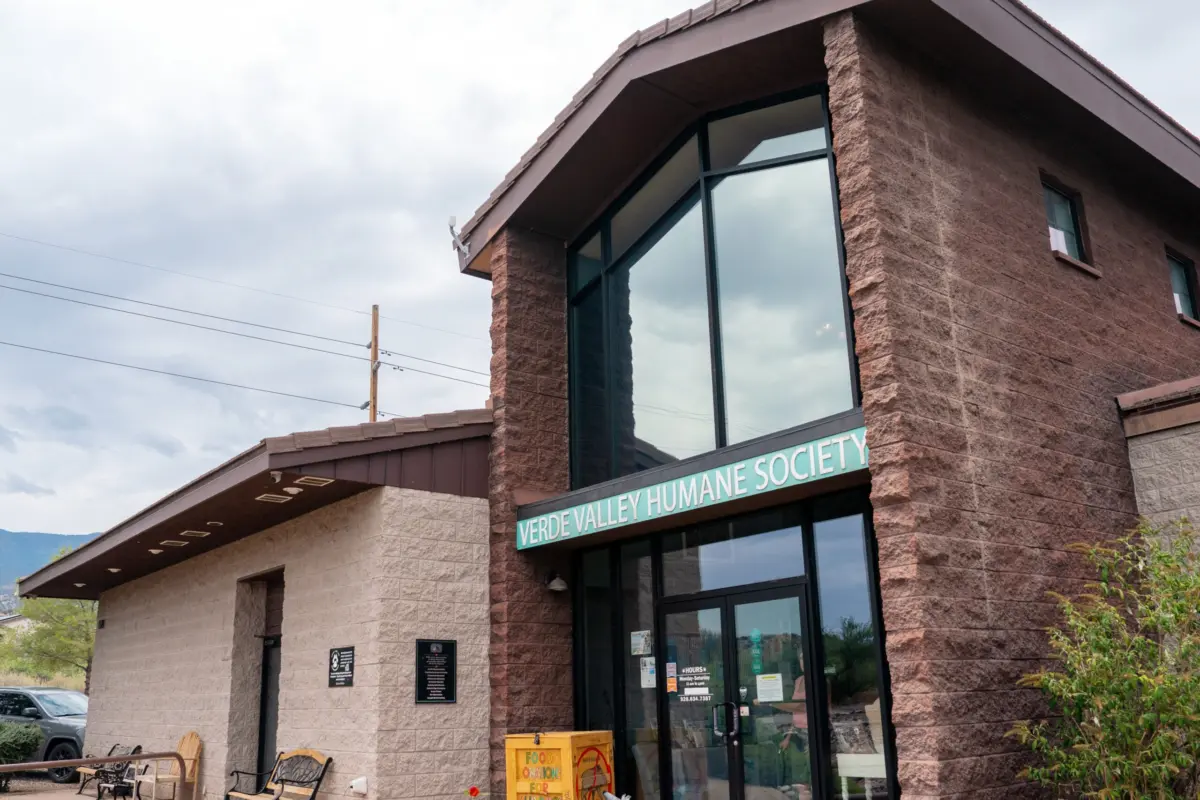
In response to the rapid demographic expansion of Yavapai County, Arizona, local municipal and non-profit infrastructures are mobilizing to address the corresponding rise in the domestic animal population. On July 15, the Yavapai County Board of Supervisors formally approved an annual $84,369 service agreement with the Verde Valley Humane Society (VVHS). Approved as a consent agenda item, the contract establishes VVHS as the primary sheltering partner for stray, abandoned, and confiscated dogs and cats retrieved by the Yavapai County Sheriff’s Office (YCSO).
This contractual renewal provides a vital financial baseline for VVHS, a non-profit organization operating on the frontlines of regional animal welfare. Under the terms of the agreement, VVHS receives structured fees to offset the daily operational costs of housing, feeding, and providing medical care to animals brought in by county law enforcement and animal control officers.
However, shelter leadership emphasizes that while the county contract is indispensable, municipal funding covers only a fraction of the actual expenses required to run a modern, humane sheltering operation. The organization remains heavily reliant on private philanthropy, community donations, and an active volunteer network to bridge the gap between contract revenues and actual operating costs.
Chronology of Intake and Operations (Jan 1 – July 1)
The operational demands placed on VVHS during the first half of the year highlight the steady influx of animals requiring shelter. From January 1 through July 1, the facility managed a continuous cycle of intakes, medical evaluations, behavioral rehabilitations, and adoptions.
The chronological data of canine intakes initiated via YCSO during this six-month window reveals a diverse array of circumstances:
- Stray Intakes: The majority of canine intakes began with Yavapai County Animal Control officers picking up 38 stray dogs roaming at large.
- Law Enforcement Custody: 17 dogs were admitted to the shelter following the arrest of their owners, requiring VVHS to provide temporary protective custody.
- Public Turn-Ins: 8 stray dogs were found and brought directly to the shelter by concerned citizens.
- Quarantine Cases: 7 dogs were placed under mandatory quarantine protocols, typically following bite incidents or potential exposure to pathogens.
- Emergency Assists: 6 dogs were admitted under emergency assistance protocols, which often involve crises such as owner hospitalizations, natural disasters, or temporary housing displacement.
- Owner Surrenders: 2 dogs were formally surrendered by their owners directly to county officers.
In addition to county-initiated cases, VVHS processed 4 public drop-offs originating from the city of Cottonwood, further demonstrating the facility’s role as a regional hub.
The timeline for feline intakes during the same period reflects a similar pattern of community need. Yavapai County brought 30 cats to the shelter between January and July:
- Public Strays: 18 cats were brought in as strays by members of the public.
- Owner Arrests: 5 cats were taken into protective custody following owner arrests.
- Surrenders & Inability to Care: 4 cats were surrendered directly, and 2 were admitted because their owners could no longer provide adequate care.
- Quarantine: 1 cat was held under quarantine protocols.
The Planet Fitness Rescue: A Case Study in Emergency Care
The unpredictable nature of animal rescue was illustrated by a high-profile abandonment incident during this reporting period. VVHS staff took custody of a canine family—a mother dog and her six puppies—who had been abandoned in a plastic crate in the desert wash directly behind a local Planet Fitness.
[Planet Fitness Wash Abandonment]
       │
       ▼
[VVHS Emergency Intake & Medical Assessment]
       │
       ▼
[Pediatric Spay/Neuter Procedures (Altered)]
       │
       ▼
[Adoption Readiness & Public Placement]
Upon arrival, the puppies and their mother were immediately triaged by the shelter’s medical team. Following a period of stabilization, nourishment, and socialization, the puppies underwent pediatric spay and neuter surgeries. Shelter Manager Melanie Lucas confirmed that the puppies recovered exceptionally well and were quickly placed up for adoption, drawing significant public interest due to their resilient temperaments.
Supporting Data: Statistical Breakdown of Regional Pressures
The operational metrics of VVHS illustrate both the efficiency of their placement programs and the severe seasonal bottlenecks that challenge shelter capacity.
Canine and Feline Outcomes
Despite the steady stream of intakes, VVHS maintained a high live-release rate through proactive adoption campaigns, owner reunions, and strategic shelter transfers.
| Animal Type | Total Intake | Reclaimed by Owner | Adopted | Transferred Out |
|---|---|---|---|---|
| Dogs (YCSO + Cottonwood) | 82 | 40 | 41 | 2 |
| Cats (YCSO) | 30 | 2 | 27 | 0 |
The data shows that nearly 50% of the dogs entering the shelter through county channels were successfully reunited with their owners, highlighting the efficacy of VVHS’s lost-and-found outreach and microchip scanning protocols. For cats, the return-to-owner rate was significantly lower—a trend consistent with national sheltering statistics—but was offset by an exceptionally high adoption rate, with 27 out of 30 cats finding permanent homes.
The Seasonal "Kitten Season" Phenomenon
The shelter’s summer capacity is heavily impacted by "kitten season," a biological phenomenon stretching from April through September. Warm weather triggers feline reproductive cycles, leading to an influx of pregnant cats and orphaned litters that quickly overwhelms regional shelters.
This seasonal surge is felt across Yavapai County:
- Humane Society of Sedona: Located in neighboring Sedona, this partner shelter experienced a massive influx, taking in 48 kittens within a single 29-day window in the spring—surpassing its total kitten intake for the first four months of the year combined.
- Verde Valley Humane Society: VVHS experienced a similar surge, with Shelter Manager Melanie Lucas reporting the arrival of approximately 12 young kittens and cats within a single 48-hour period in July.
Shelter data indicates that while kittens between six weeks and three months old are adopted almost immediately upon becoming medically cleared, felines older than three months face longer stays in the shelter, consuming valuable cage space and resources during peak season.
Official Responses: Leadership on the Frontlines of Animal Welfare
The leadership team at VVHS emphasizes that the current operational model is facing unprecedented structural strain. VVHS Board President Maxine Belcher expressed deep gratitude for the county agreement, noting that every dollar from the $84,369 contract is vital to keeping the shelter’s doors open.
"We are Yavapai County’s shelter for strays in the county, and we’re very grateful to them," Belcher stated. "We get paid a fee for animals with the contract, and every dollar helps us keep our shelter going, as well as donations from people too."
However, the physical limitations of the facility are becoming harder to manage. Shelter Manager Melanie Lucas revealed that the shelter’s infrastructure is routinely pushed beyond its designated limits. VVHS operates two primary housing buildings:
- Building A (Main Kennel): 28 canine runs
- Building B (Auxiliary Kennel): 16 canine runs
- Total Physical Capacity: 44 indoor kennels
During the peak summer month of July, the shelter was consistently operating at approximately 10 dogs over its maximum physical capacity. To prevent euthanasia for space, VVHS relies on a network of temporary foster homes to house the overflow of dogs and cats. However, managing an off-site foster network requires significant administrative oversight, veterinary coordination, and supply distribution.
Long-Term Implications: The Capital Campaign and Yavapai’s Growth
The mismatch between Yavapai County’s population growth and VVHS’s current physical footprint has prompted the board of directors to initiate plans for a major capital campaign. The campaign’s primary objective is to fund a comprehensive facility expansion that will double the shelter’s current housing and medical capacity.
Current Facility Limits (44 Kennels) ────► High Intake Pressures ──► Over-Capacity Operations
                                                                             │
                                                                             ▼
Targeted Capital Campaign ──────────────► Facility Expansion ─────► Doubled Capacity & Public Clinic
"We would really love to have an extension on our building, so that we would be able to take in more animals and provide them better kennels," Belcher explained.
Expanding Veterinary Capacity for Preventative Care
A central focus of the proposed expansion is the upgrade of the shelter’s medical suite. While VVHS currently operates an on-site surgery center, its small footprint limits its use to preparing shelter animals for adoption.
The proposed capital campaign aims to:
- Double the Size of the Surgery Center: Expanding the physical space will allow for advanced diagnostic equipment, recovery areas, and multiple surgical bays.
- Launch a Public Spay and Neuter Clinic: Currently, VVHS cannot offer veterinary services to the general public. By establishing a high-volume, low-cost community spay/neuter program, VVHS aims to address the root cause of pet overpopulation in Yavapai County.
- Enhance Quarantine and Isolation Wards: Expanding the medical wing will allow for better isolation of sick animals, reducing the risk of disease transmission within the shelter’s general population.
Community Engagement and Mobilization
As VVHS prepares for its upcoming capital campaign, its day-to-day operations remain dependent on community support. Operating with a lean professional staff, the shelter relies on volunteers to maintain daily operations and ensure the well-being of the animals in its care.
"We run on a very small amount of staffing, and so any little bit helps," Belcher noted. "Doing laundry, walking a dog, reading to a dog, and also our cats—it gives you that feel-good feeling."
Beyond daily socialization and husbandry tasks, VVHS is actively seeking community leaders to join its board of directors. These volunteer leadership roles will be crucial in guiding the non-profit through the strategic, legal, and financial complexities of the upcoming capital campaign.
How to Get Involved
Members of the public interested in volunteering, fostering animals, donating to the capital campaign, or applying for board positions are encouraged to contact the shelter directly:
- Website: verdevalleyhumane.org
- Phone: 928-634-7387
- In-Person Inquiry: Verde Valley Humane Society Administrative Offices, Cottonwood, AZ
