September 14, 2026 — In an era dominated by desk-bound labor, "tech neck," and chronic upper-body stress, finding an accessible, daily countermeasure has become a universal wellness priority. Whether triggered by hours spent hunched over a laptop, sleeping in an awkward position, or general physical fatigue, upper back knots and neck stiffness are ailments that affect millions.
Addressing this modern health friction point, a new 15-minute therapeutic yoga routine has been introduced to the wellness landscape. Designed to function as both a gentle morning awakening and an acute stress-relief protocol, the sequence requires no specialized props—only a mat, a willingness to slow down, and a desire to bring therapeutic relief to the neck, shoulders, and upper back.
Main Facts: Anatomy of a Therapeutic 15-Minute Sequence
The newly outlined routine is uniquely structured for all experience levels, utilizing passive stretching combined with minimal, low-impact upper-body strengthening. Unlike high-intensity yoga flows aimed at building cardiovascular endurance or deep core power, this sequence operates entirely from seated, kneeling, or reclined positions.
Target Areas: Cervical spine (neck), trapezius muscles (shoulders), rhomboids, and the upper thoracic spine.
Duration: 15 minutes.
Equipment Required: None (though optional props may be utilized for comfort).
Core Methodology: A blend of somatic micro-movements, passive isometric holds, and targeted breathwork designed to down-regulate the nervous system while safely releasing stubborn muscular knots.
According to movement specialists, upper body tension is frequently compounded by shallow breathing and postural collapse. By integrating intentional belly breathing with precise geometric alignments—such as cactus arms, reclined twists, and eagle arms—practitioners can safely decompress compressed vertebrae and alleviate tension headaches caused by tightened suboccipital muscles.
Chronology of the Practice: Step-by-Step Flow
To maximize the therapeutic benefits of the 15-minute sequence, the routine follows a deliberate, anatomical progression. It begins on the floor to offload spinal pressure before moving into seated and kneeling configurations.
Phase 1: Reclined Decompression (Minutes 1–5)
The practice opens on the floor, allowing gravity to assist in opening the chest and relaxing the cervical spine.
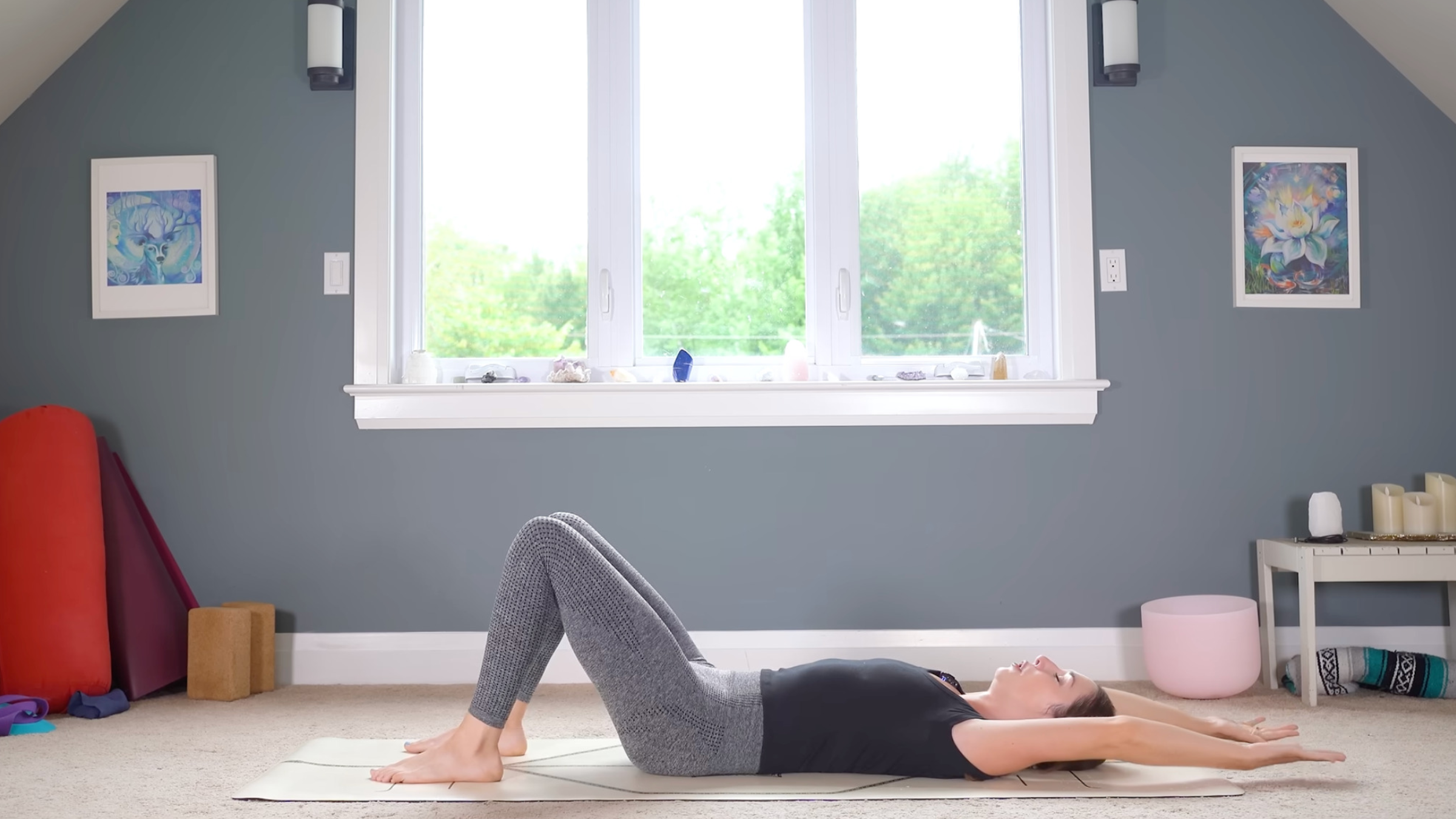
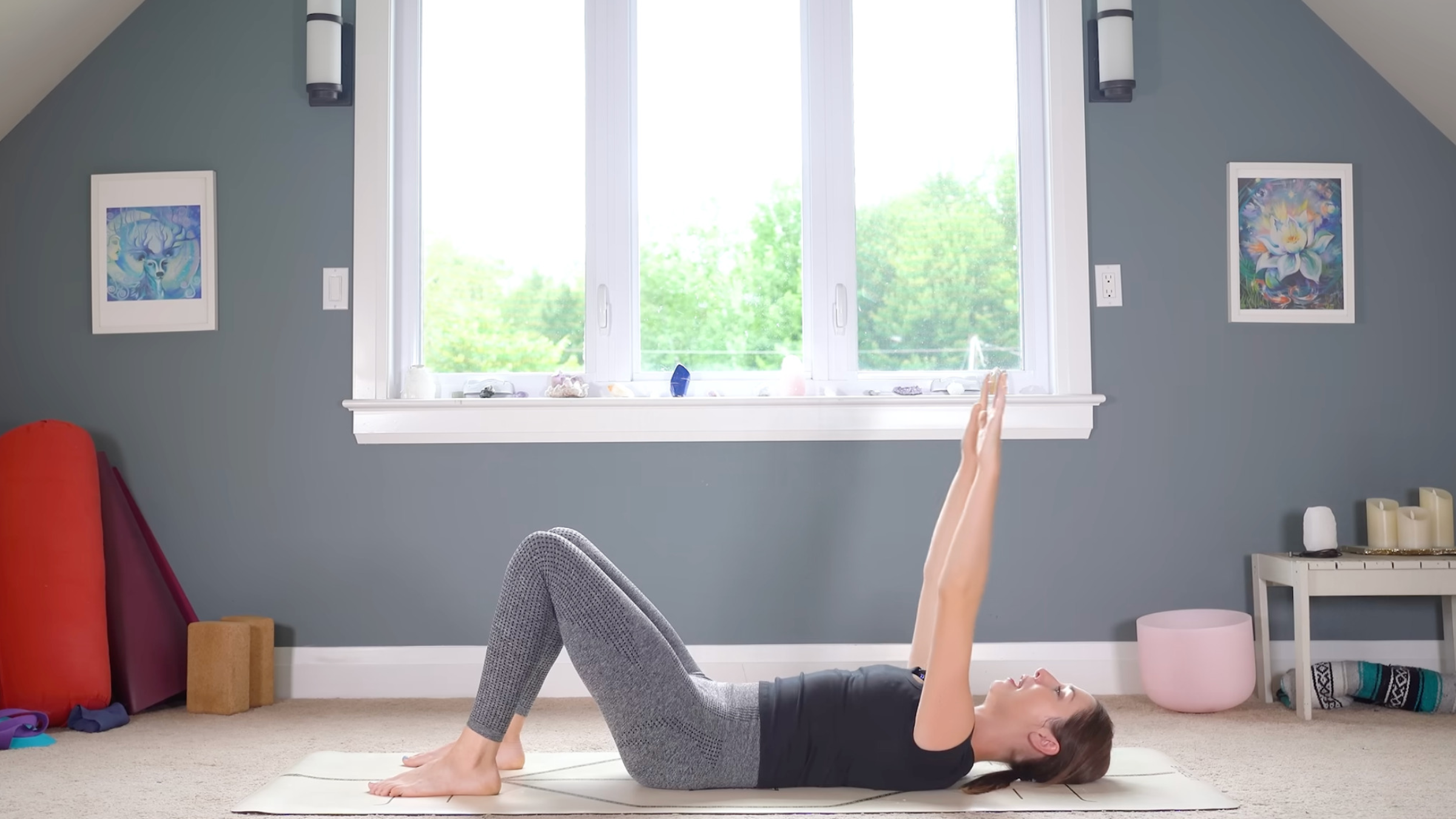
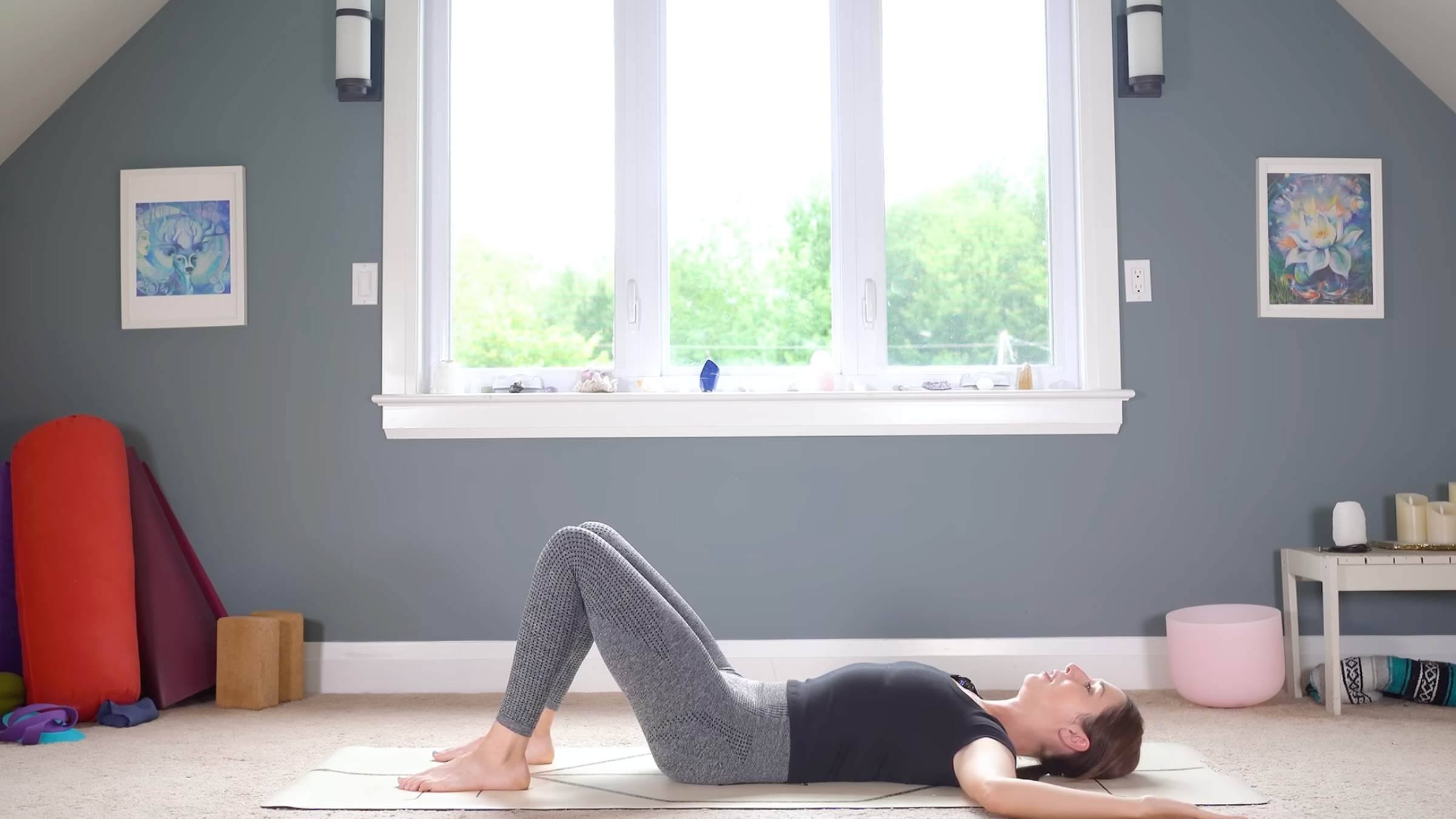
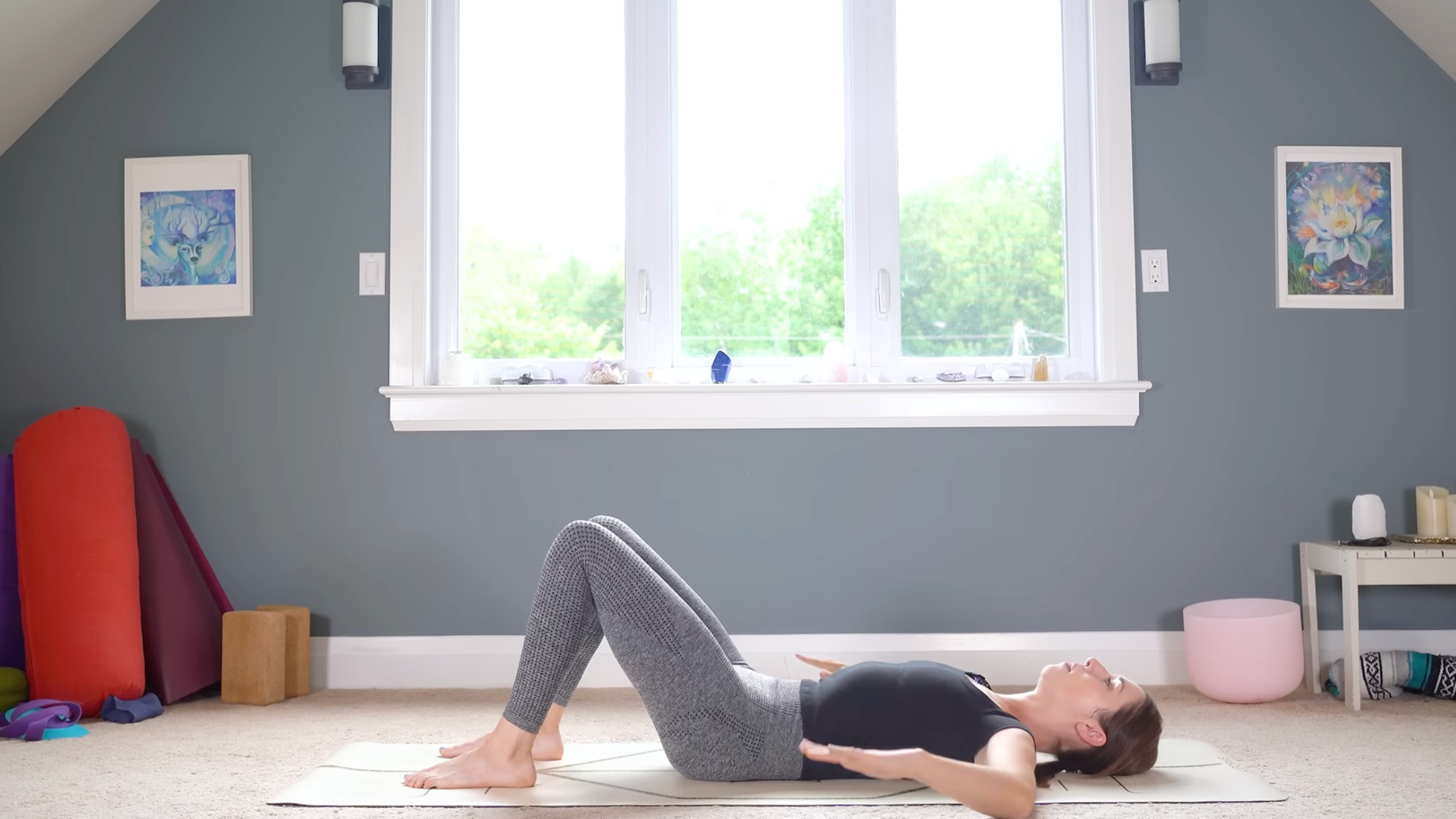
Reclined Shoulder Stretch: Lie flat on the back with knees bent and feet flat, actively pressing the lower back into the mat to eliminate spinal arching. Reach the arms overhead. Practitioners gently float the arms from the ceiling down to the floor on breath cycles, teaching the shoulder joints to safely release without force.
Cactus Arm Transitions: Bend elbows into a 90-degree "cactus" shape. By moving the forearms toward the ceiling and back down toward the mat while keeping the elbows pinned or close to the ground, the rotator cuffs receive gentle, non-weight-bearing mobility work.
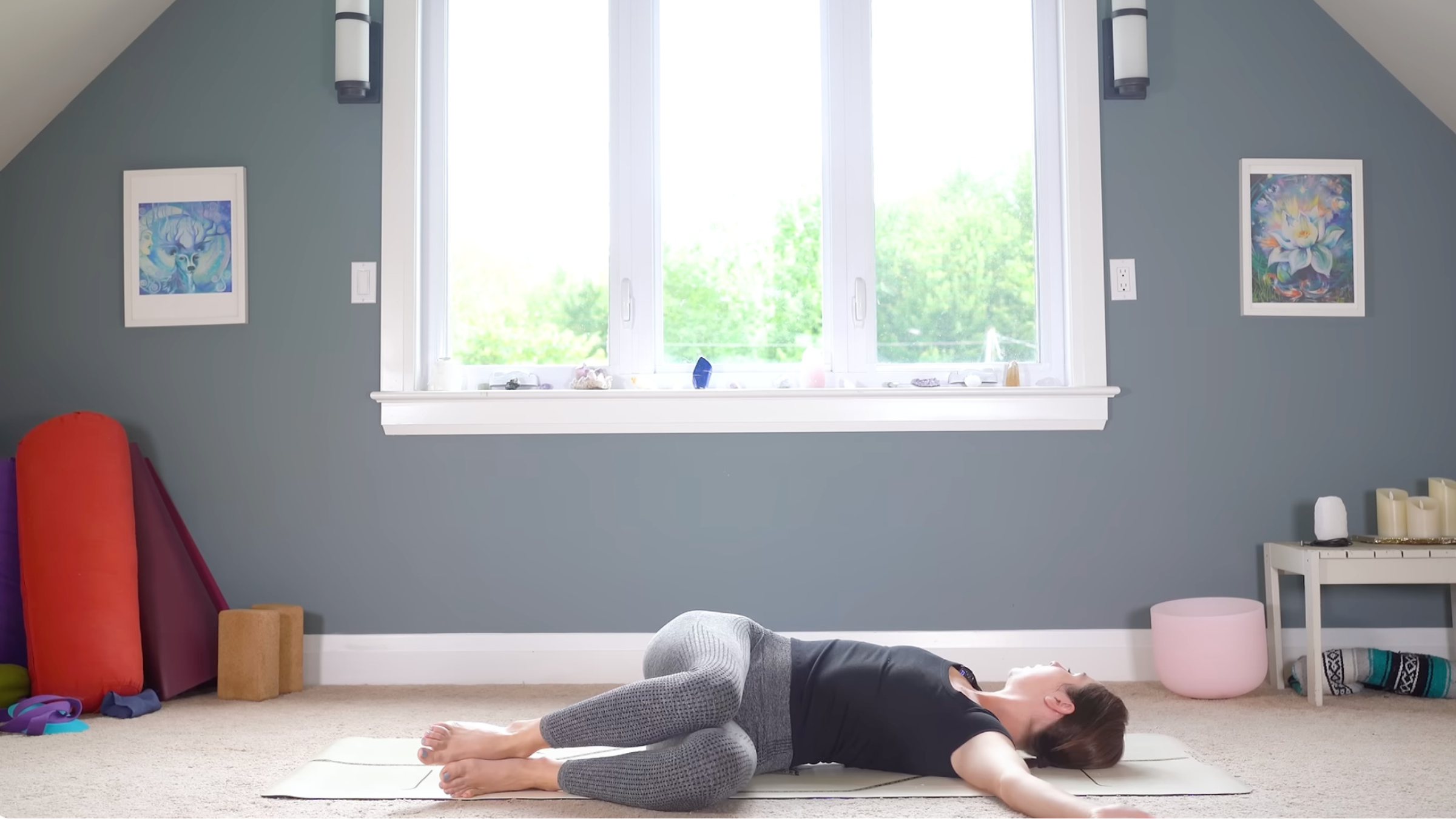
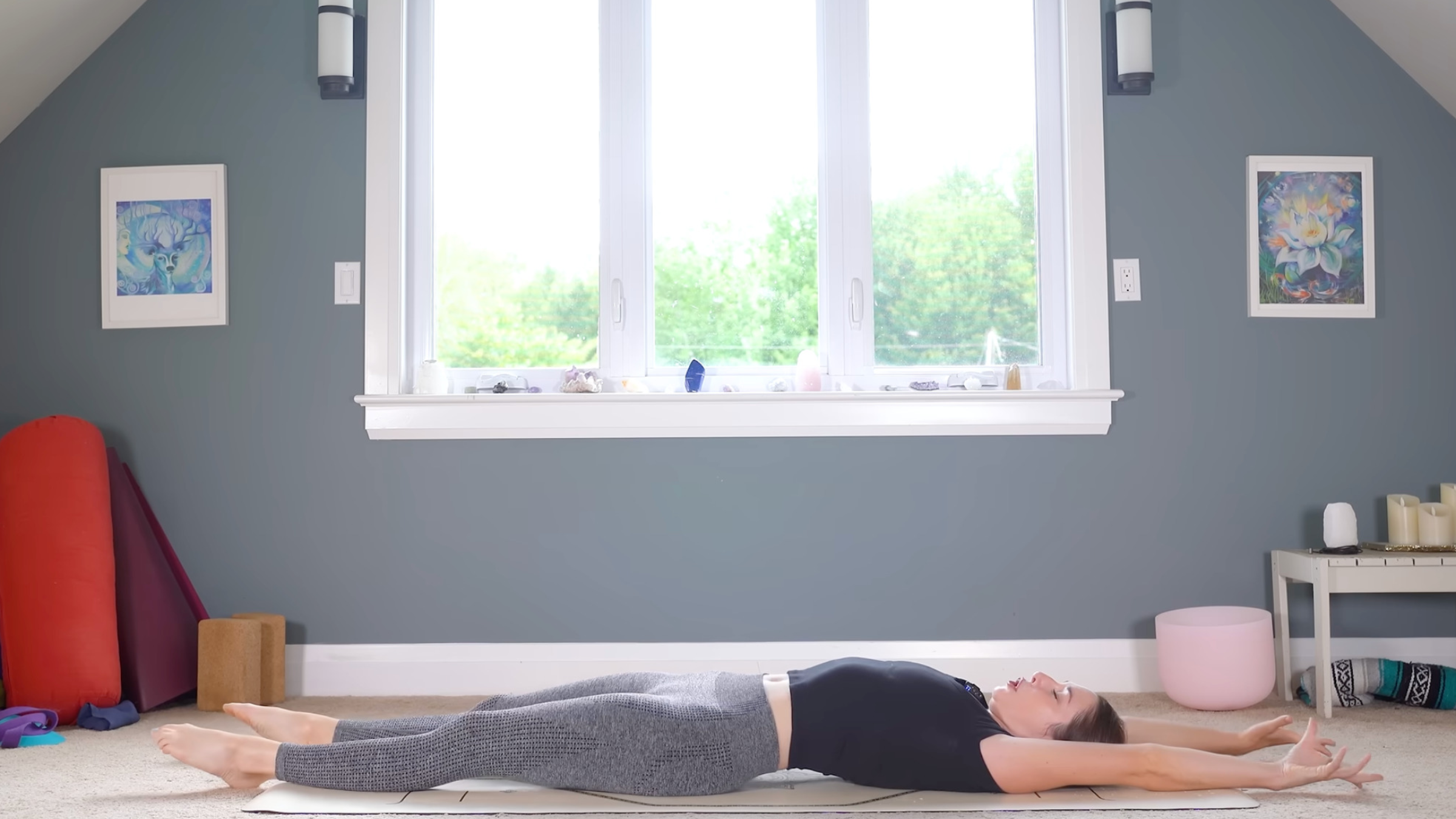
Reclined Twist & Global Stretch: Shift hips slightly to the right, drop knees to the left, and gaze over the right shoulder to release the lateral neck line. Reverse sides before taking a full-body overhead stretch to lengthen the side waist and upper torso.
Phase 2: Seated Mobility and Side Bends (Minutes 5–8)
Transitioning to an upright seated posture introduces dynamic activation to the shoulder blades and lateral spine.
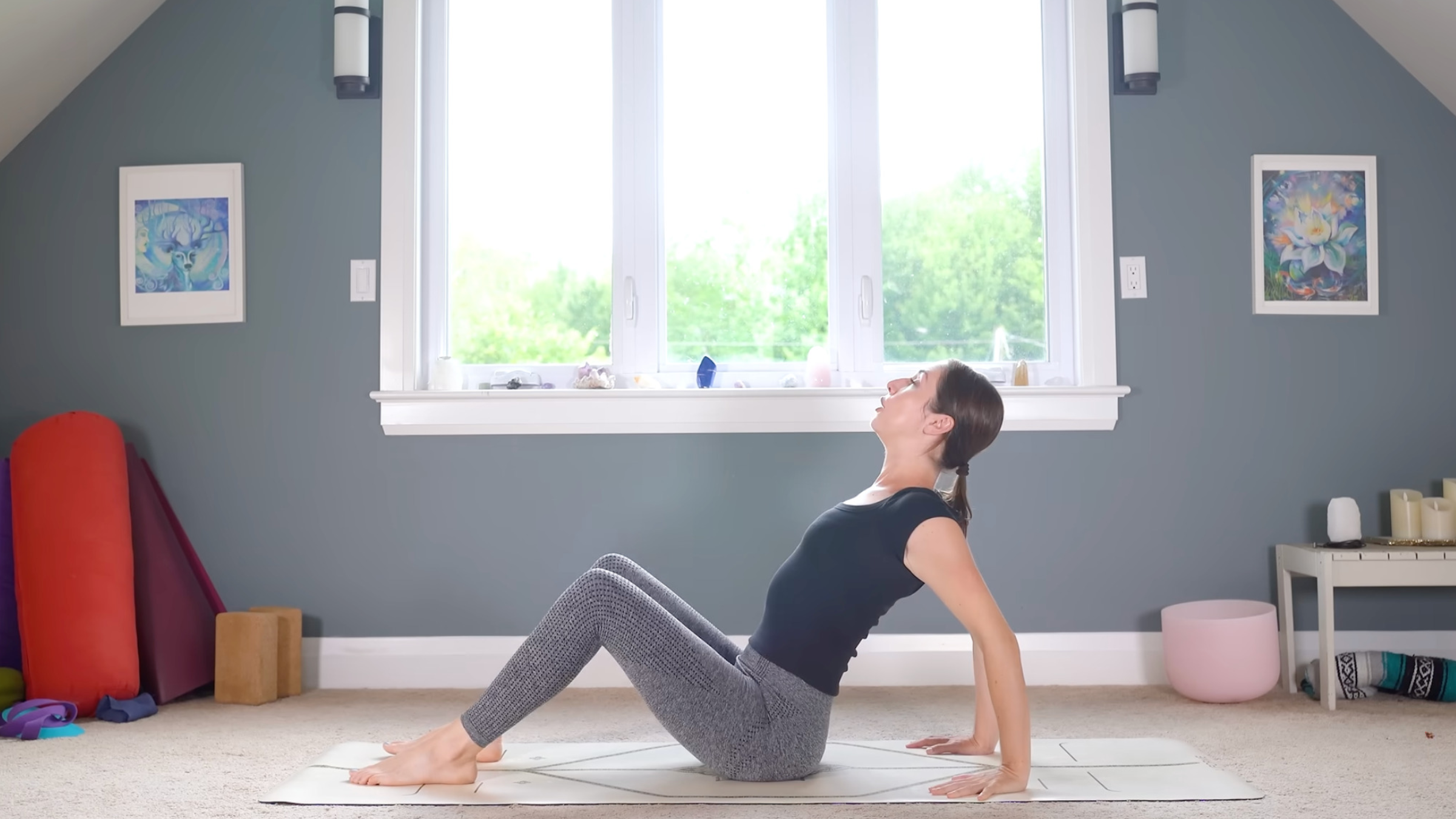
Seated Shoulder Squeezes: Seated with knees bent and hands planted behind the body, practitioners draw their shoulder blades together and lift the chest. This creates a gentle backbend that counters the forward-slumped posture common in desk workers.
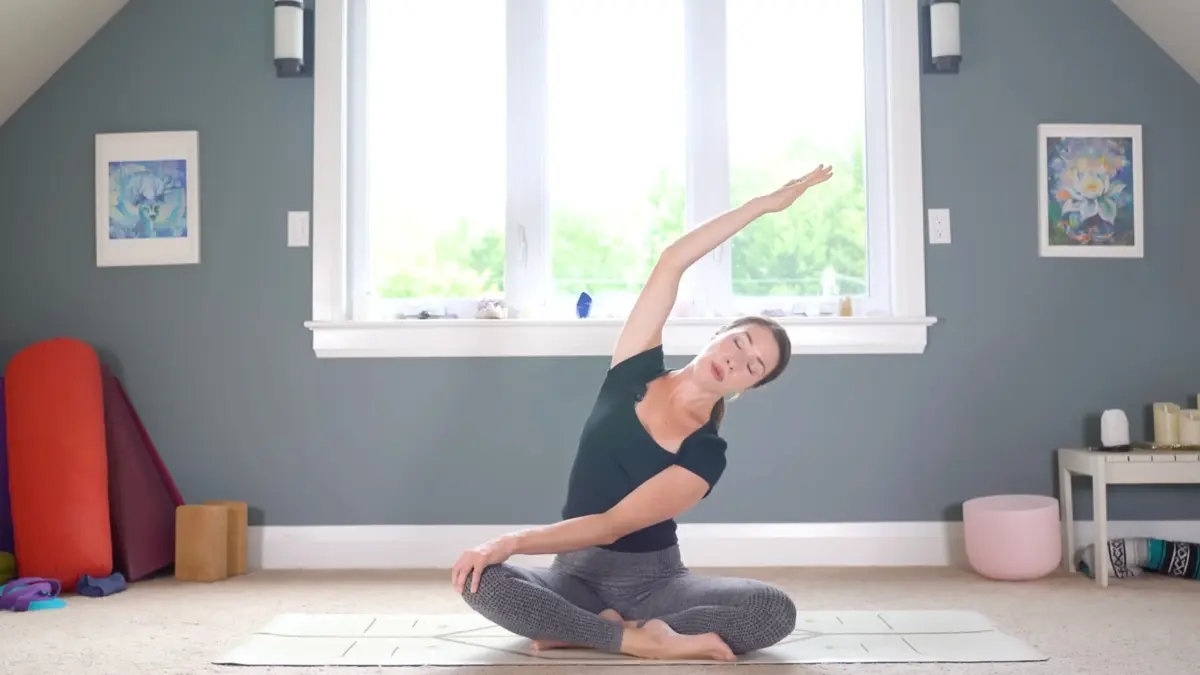
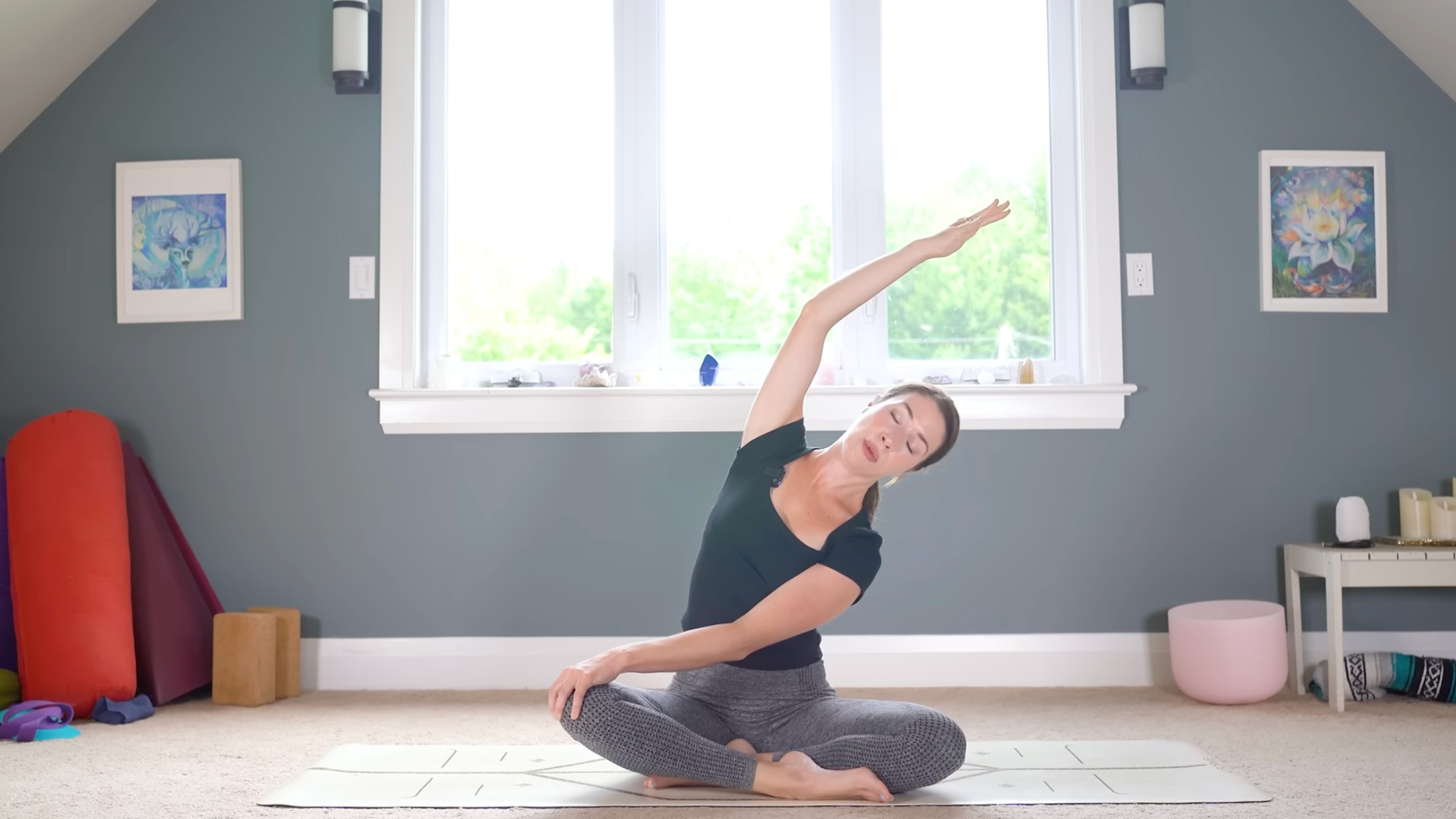
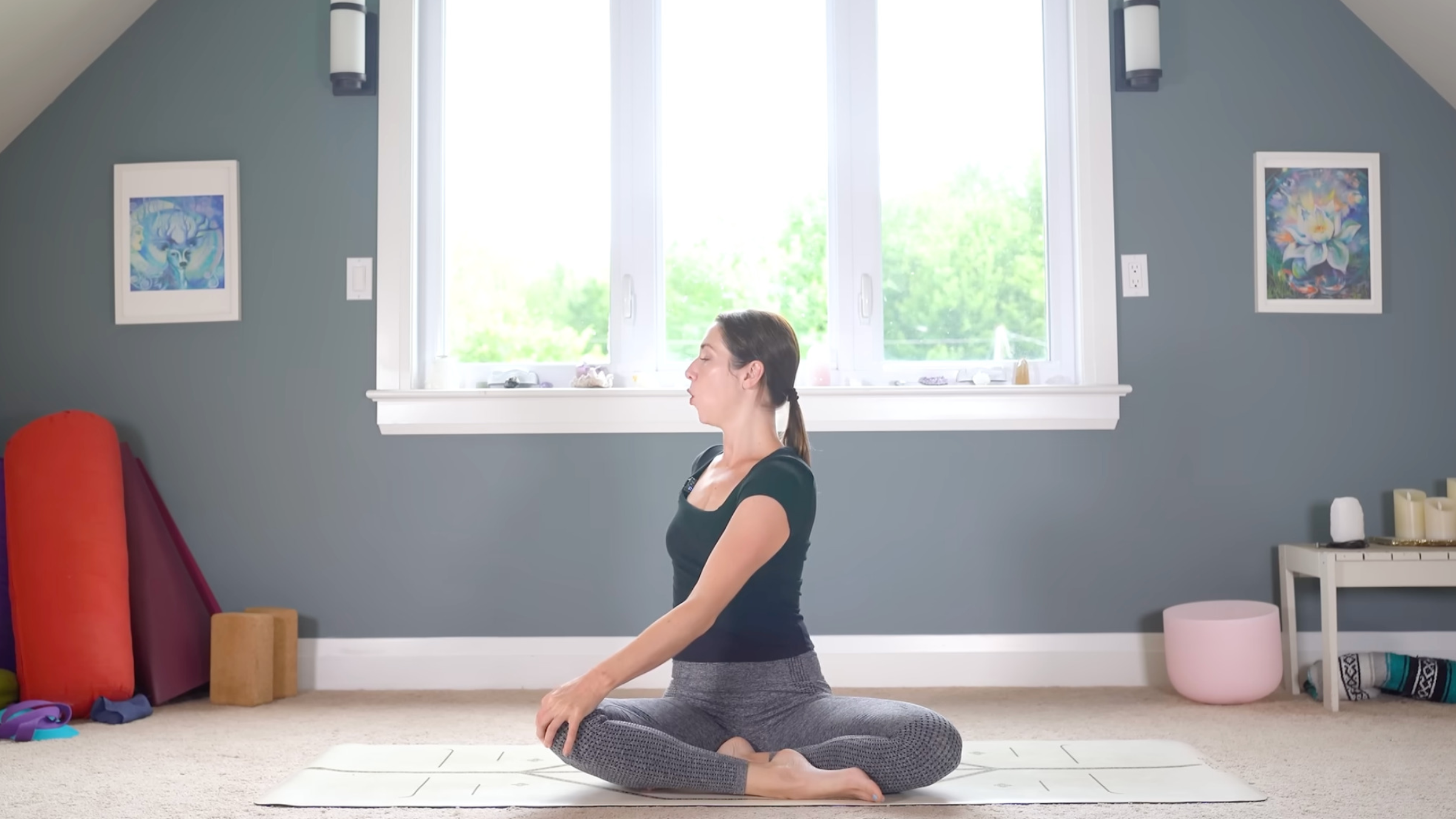
Seated Twist and Side Bend: Moving into a comfortable cross-legged seat, practitioners twist the torso to mobilize the thoracic spine, followed by a side bend with the top arm reaching overhead. This movement creates vital traction across the intercostal muscles and lats, which directly impact shoulder mobility.
Phase 3: Prone Strengthening and Deep Release (Minutes 8–12)
Moving onto the stomach allows for targeted work along the posterior chain, strengthening the upper back muscles responsible for upright posture.
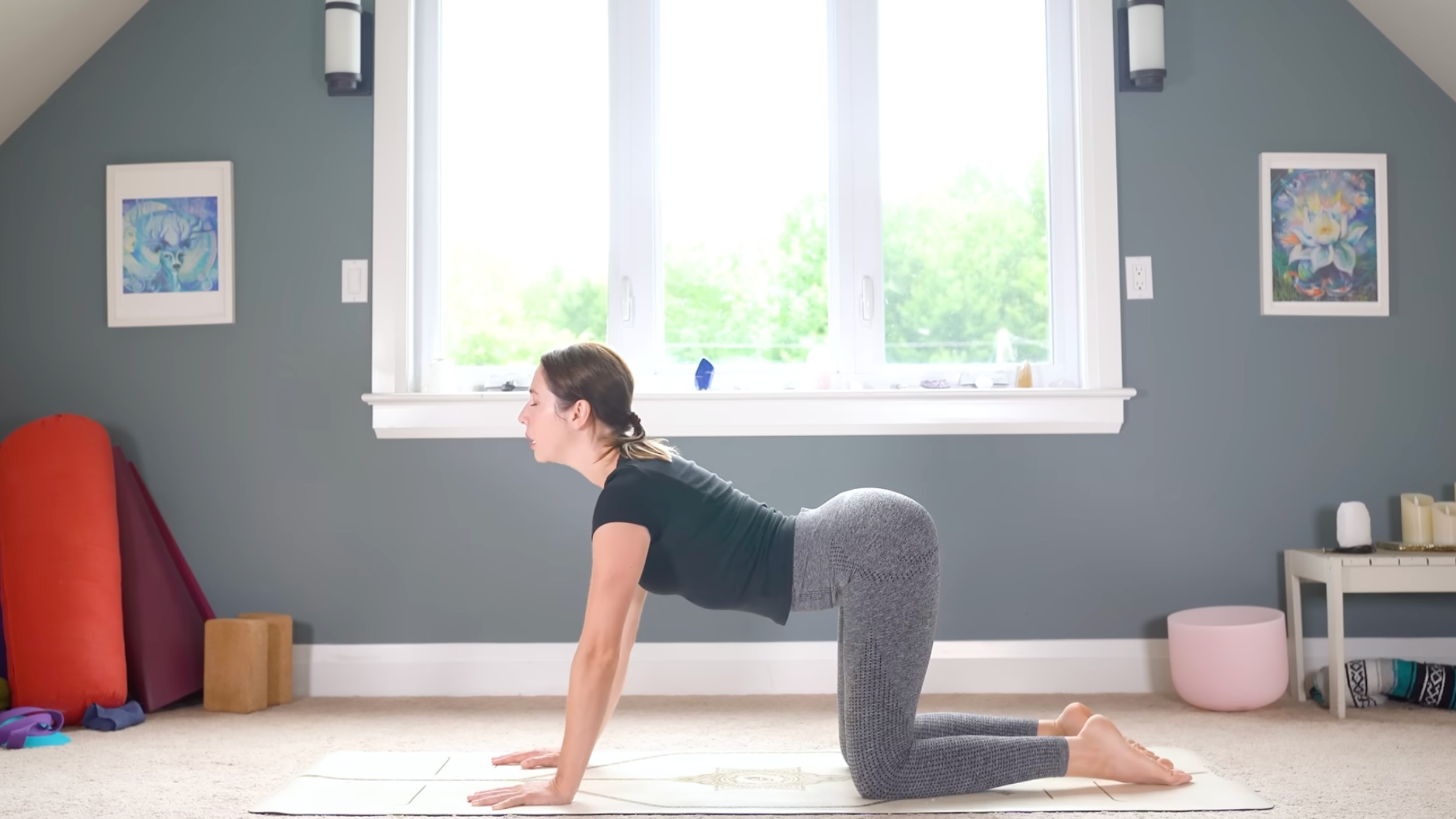
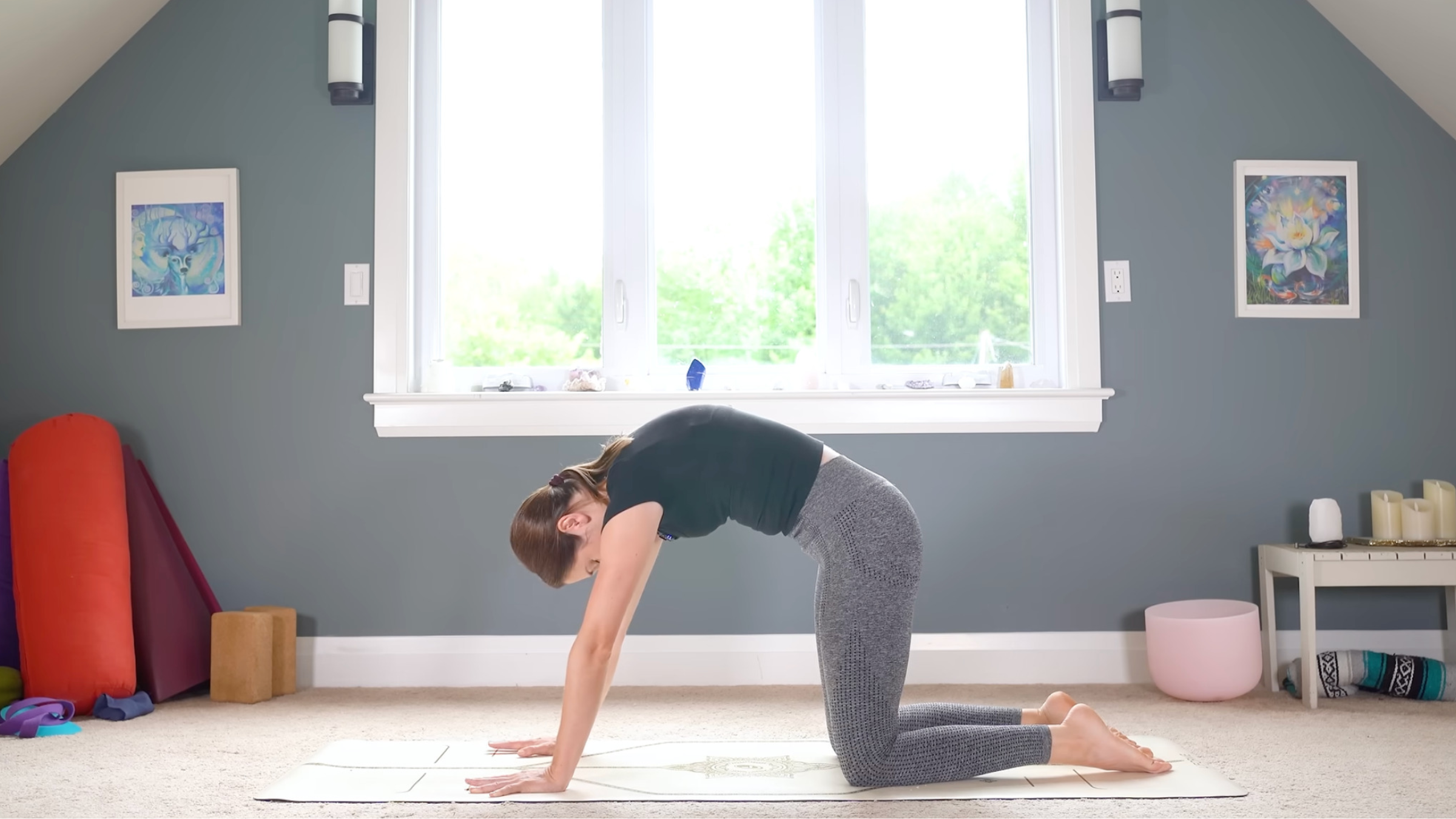
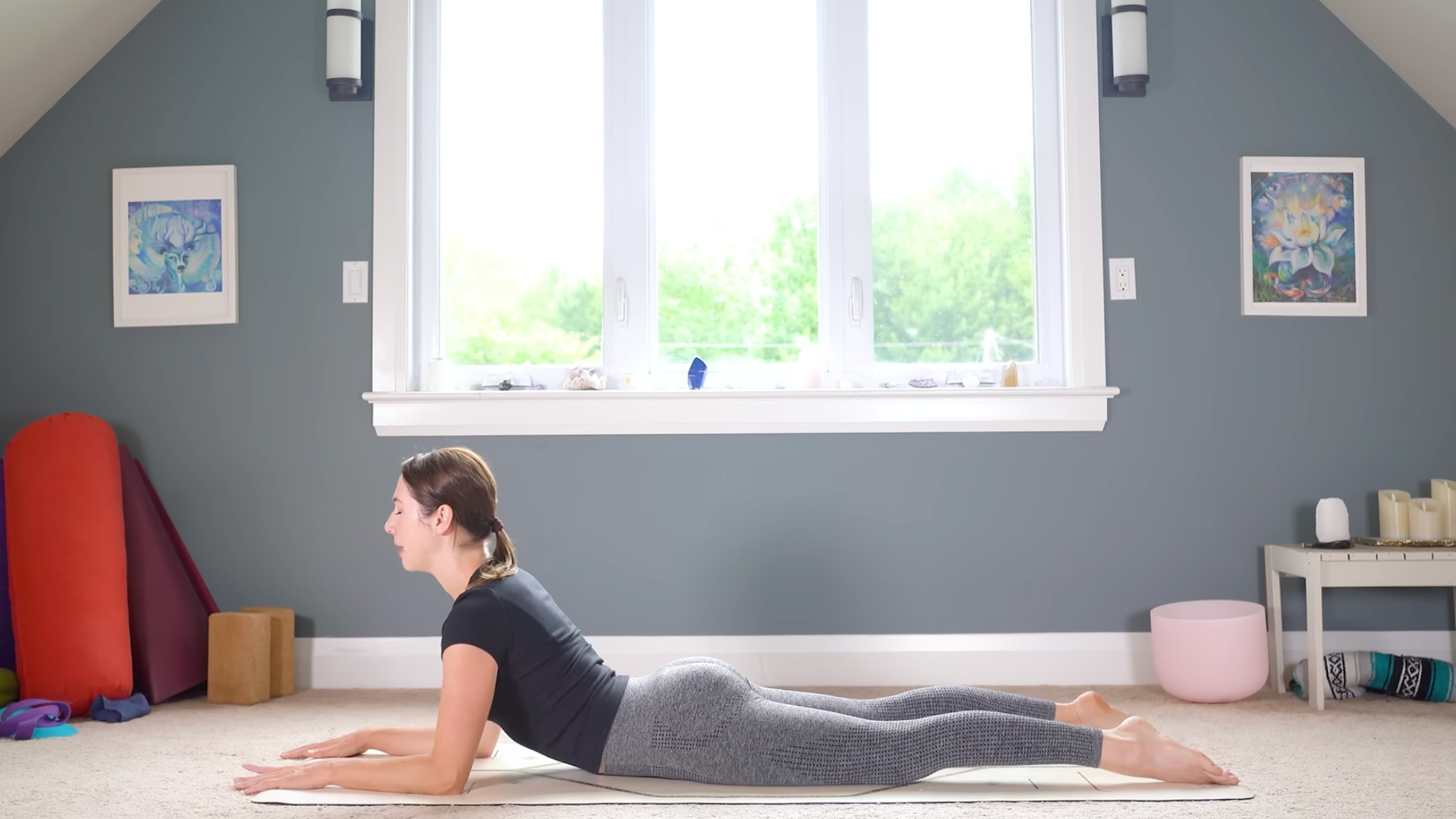
Cat-Cow & Sphinx Pose: On hands and knees, practitioners cycle slowly through Cat-Cow to lubricate the spine, lingering on areas of high resistance. Moving onto the stomach into Sphinx Pose, they focus on spinal length rather than height, avoiding pinching in the lower back.
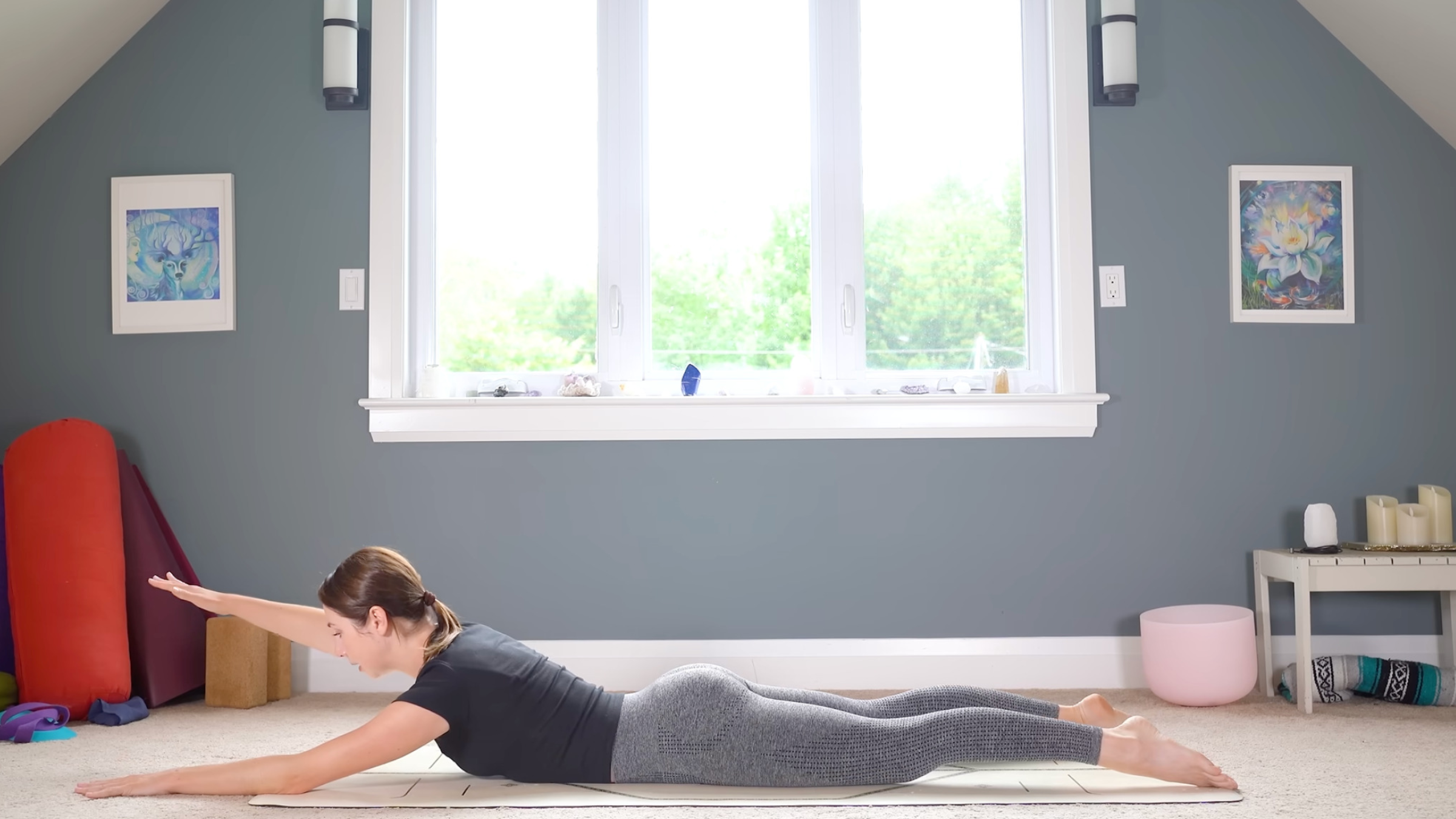
Prone Arm Lifts: Alternating single-arm lifts while lying face-down builds minor endurance in the upper back and rear deltoids.
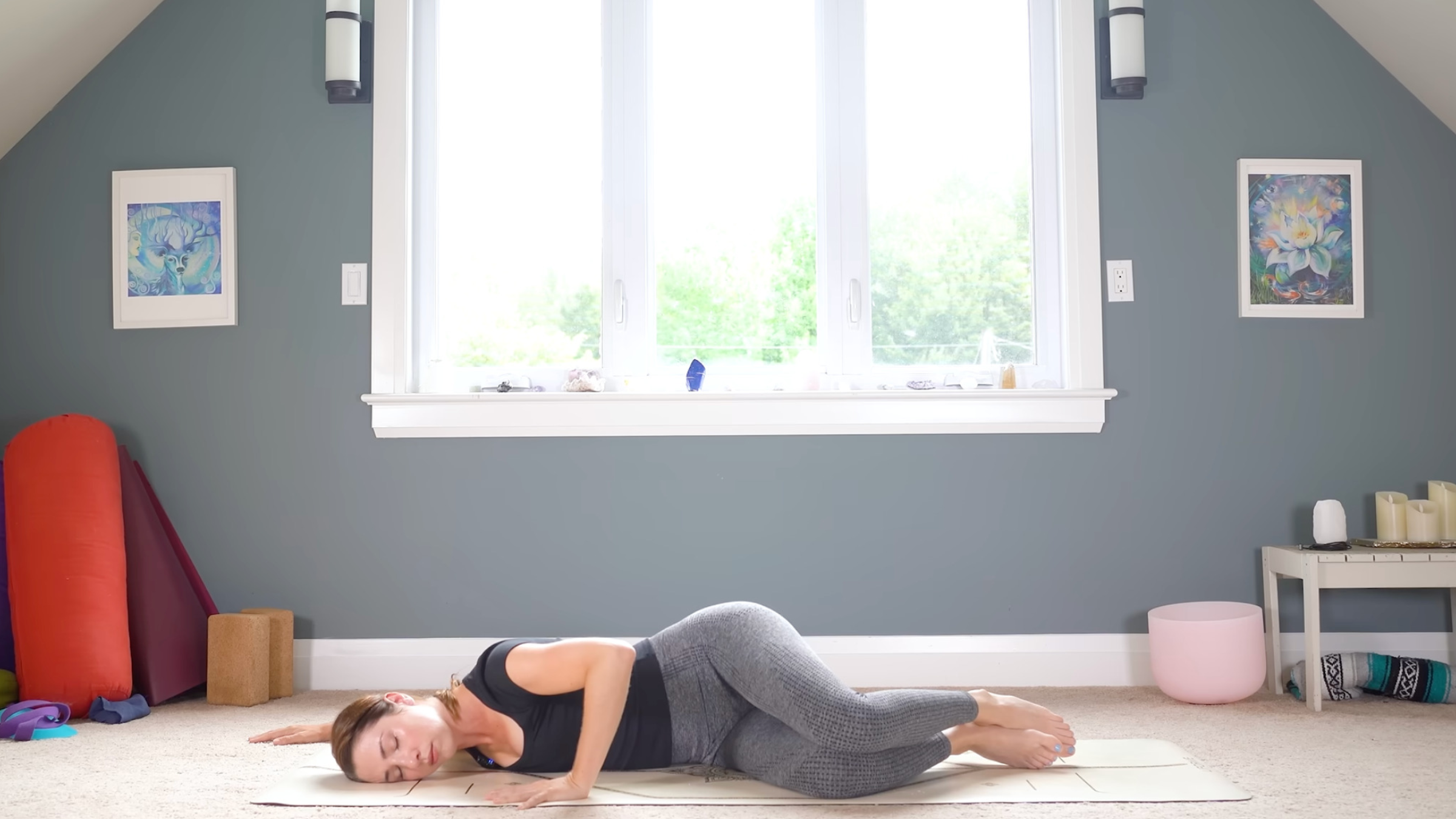
Broken Wing Pose: By rolling onto one side with the bottom arm bent at a 90-degree angle, practitioners access a profound, targeted stretch across the pectoral muscles and front deltoids—areas that chronically tighten due to internal rotation.
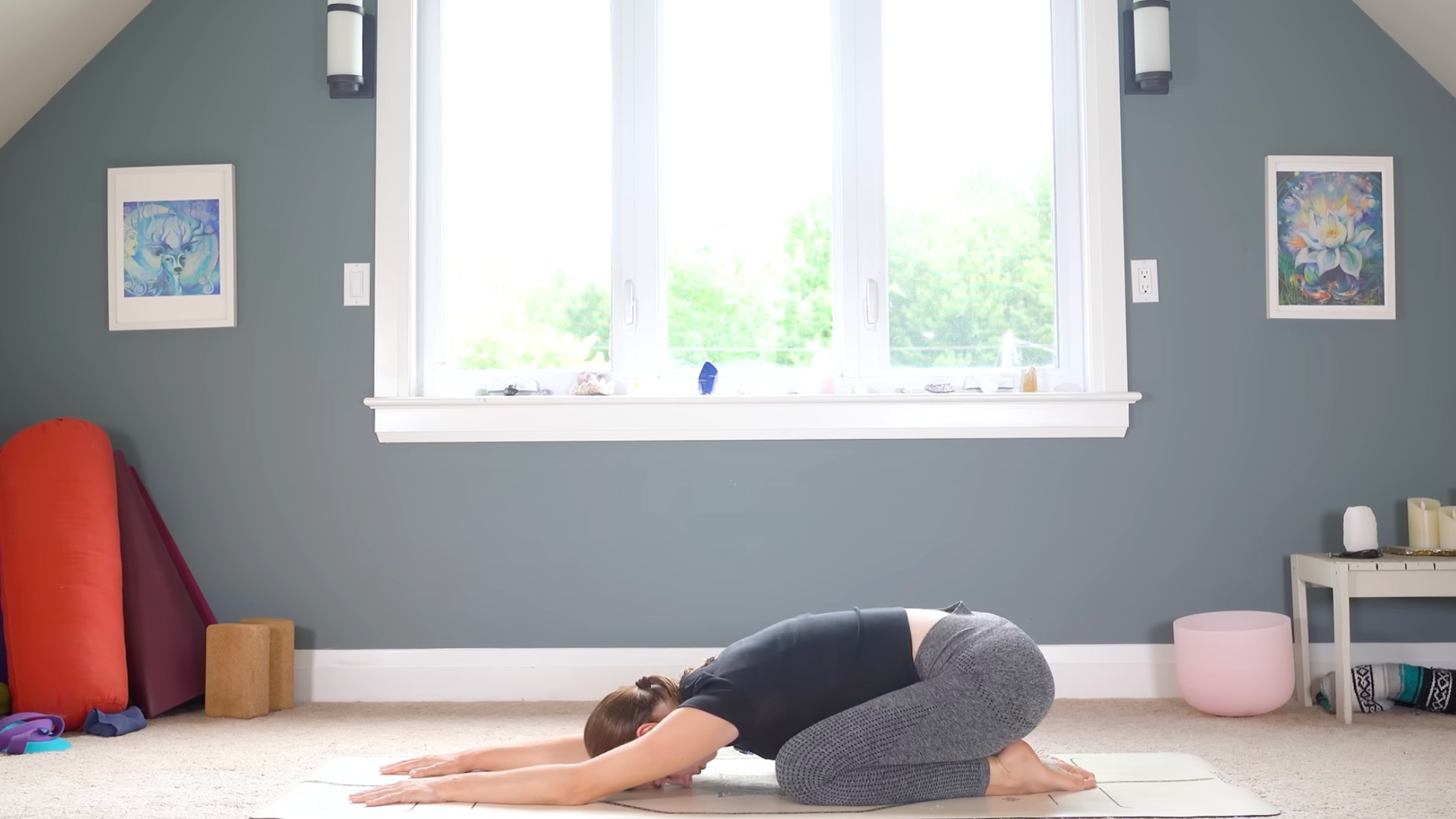
Child’s Pose: A restorative transition that decompresses the lower back and rests the forehead, signaling safety to the nervous system.
Phase 4: Integration and Closing (Minutes 12–15)
The practice concludes by returning to an upright kneeling or seated position to seal the physical and energetic benefits.
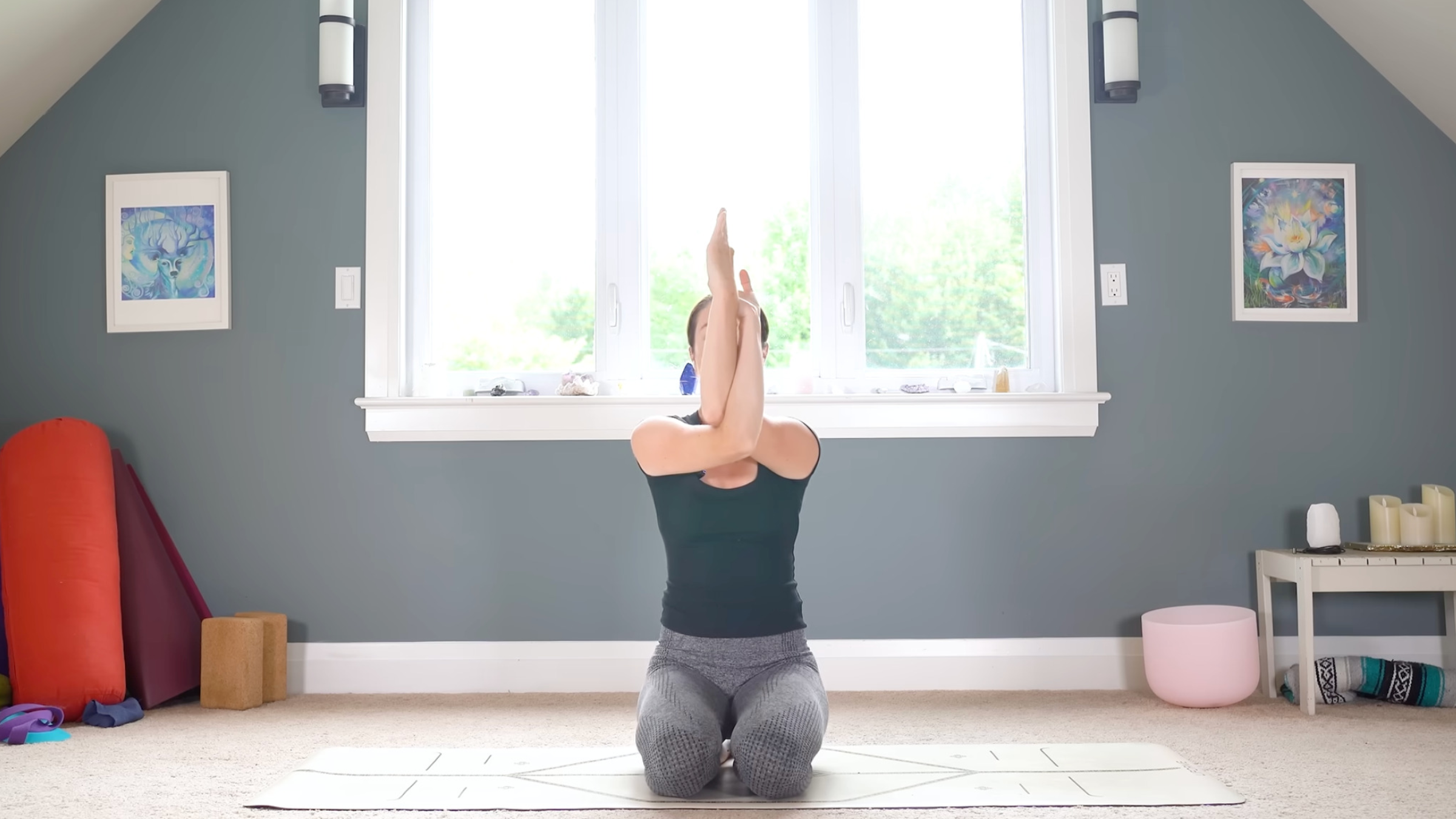
Eagle Arms: Kneeling with toes tucked or sitting cross-legged, practitioners wrap the right arm under the left (or hug opposite shoulders), lifting the elbows and pressing forearms together. This unlocks the stubborn space between the shoulder blades.
Neutral Sealing Pose: The sequence concludes with a tall, neutral spine, eyes closed, and slowed breath, allowing the practitioner to internalize the physiological shifts achieved during the session.
Supporting Data: The Cost of Upper Body Tension
The release of routines like this comes at a critical time for public health. According to workplace ergonomics and occupational health data:
Over 70% of office workers report experiencing episodic neck and shoulder pain directly linked to prolonged screen time.
Chronic upper-back tension is a leading contributor to lost productivity, accounting for millions of lost workdays annually globally.
Clinical studies on therapeutic yoga consistently demonstrate that short, consistent somatic movement breaks (even lasting just 10 to 15 minutes) can significantly lower systemic cortisol levels, improve cervical range of motion, and reduce tension headache frequency by up to 40%.
Experts note that passive stretching triggers the parasympathetic nervous system ("rest and digest"), signaling chronically contracted muscle fibers to lengthen and relax. This physiological response cannot be achieved through aggressive, high-velocity stretching, validating the slow, mindful nature of this routine.
Official Responses and Expert Perspectives
Physical therapists and yoga educators have increasingly emphasized the importance of micro-interventions over sporadic, intense workout sessions.
"When people experience neck knots, their instinct is often to aggressively massage or forcefully pull the muscle," says a leading physical therapist specializing in spine health. "However, the nervous system often reacts to aggressive force by tightening further. A gentle, breath-led sequence like this works with the nervous system, not against it, allowing deep fascial layers to release naturally."
Yoga instructors emphasize accessibility in modern wellness programming. By designing a sequence where every movement can be performed close to the floor without requiring advanced flexibility or expensive props, the routine removes the intimidation factor that often deters individuals from managing their chronic pain proactively.
Implications: A Sustainable Tool for Daily Self-Care
The mainstream adoption of targeted, short-form therapeutic routines points to a broader cultural shift in fitness and wellness: moving away from aesthetic-driven workouts toward functional longevity and pain management.
As remote and hybrid work models remain permanent fixtures of the modern economy, individuals must take proactive ownership of their physical ergonomics. Incorporating a 15-minute, low-barrier recovery routine into a morning or evening schedule offers a sustainable, cost-effective, and empowering way to combat the physical toll of sedentary living.
By prioritizing gentle mobility over muscular strain, practitioners are discovering that relief from chronic discomfort is not found in complex clinical interventions, but often right on the mat—one intentional breath at a time.