

Published: September 13, 2026
Author: Fitness & Wellness Desk
For generations, the fitness industry has propagated a single, rigid narrative regarding upper-body hypertrophy and strength: if you want sculpted, powerful arms, you must pick up heavy objects. Dumbbells, barbells, kettlebells, and cable machines have long reigned supreme as the non-negotiable tools for building triceps, bicep definition, and robust shoulder girdles.
Yet, a quiet paradigm shift is occurring across physical therapy clinics, yoga shalas, and sports science laboratories. Practitioners and researchers alike are looking at an ancient practice through a modern, biomechanical lens. While millions of people already turn to yoga to cultivate flexibility, mindfulness, and stress reduction, a persistent question lingers among skeptics and fitness enthusiasts: Can yoga genuinely build functional, measurable strength—specifically in the arms—without ever touching a single weight?
The answer, backed by a growing body of peer-reviewed clinical research, is a resounding yes. Yoga is far more than an advanced stretching routine; it is an intelligent, scalable system of bodyweight resistance training. By harnessing the laws of gravity, isometric muscle contractions, and complex neuromuscular coordination, specific yoga postures can challenge the upper body in ways that traditional weightlifting simply cannot replicate.
Main Facts: The Science of Weightless Upper-Body Conditioning
To understand how yoga builds strength without weights, one must first look at the physiology of muscle contraction. When lifting a dumbbell, a muscle typically undergoes concentric (shortening) and eccentric (lengthening) phases. Yoga, however, relies heavily on isometric contractions—where muscles fire and generate tension without changing the length of the muscle or visibly moving the joint. Holding a static posture against the relentless pull of gravity forces muscle fibers to sustain high levels of tension over extended periods, driving muscular endurance and localized strength.
Recent scientific literature has validated what yogis have experienced for millennia:
- Measurable Hypertrophy and Endurance: Clinical studies tracking participants through structured yoga regimens have documented statistically significant increases in upper-body strength, specifically in the capacity to lift weight and sustain endurance over time.
- Neuromuscular Synergy: Groundbreaking 2025 research indicates that complex yoga poses activate a broader range of muscle synergies in the arms, shoulders, and upper back compared to standard gym exercises. Rather than isolating single muscle groups (like a bicep curl), yoga recruits interconnected chains of muscles simultaneously.
- Joint Stability and Injury Prevention: Because yoga demands the recruitment of smaller, stabilizing muscles surrounding the rotator cuff and scapulae, it enhances neuromuscular coordination across the entire upper kinetic chain, creating bulletproof shoulder and elbow joints.
Chronology: The Evolution of Yoga as a Strength Paradigm
How did the perception of yoga transform from a gentle, meditative hobby into a rigorous, scientifically validated strength modality?
- Pre-2000s: Yoga was largely viewed in Western societies as a restorative or flexibility-centric practice. Strength conditioning was strictly categorized under heavy resistance training, gymnastics, or calisthenics.
- The Mid-2000s Breakthroughs: Early sports science studies began investigating the physiological demands of various yoga styles. Researchers compared high-intensity disciplines like Ashtanga with alignment-based practices like Hatha, discovering that vigorous, flow-based sequences directly correlated with measurable gains in muscular strength.
- The 2010s Clinical Trials: Landmark studies—such as trials evaluating six weeks of daily Sun Salutations—provided hard data showing that practitioners significantly improved their upper-body weight-bearing capacity and muscular endurance purely through repetitive bodyweight transitions like Planks and Chaturangas.
- The Present Era (2025–2026): Advanced biomechanical studies have shifted focus toward neuromuscular activation. Modern research now highlights how yoga engages deep muscle synergies, establishing the practice not just as a casual alternative to the gym, but as a superior method for joint stability and holistic upper-body integration.
Supporting Data: What the Research Shows
The empirical evidence supporting yoga’s arm-strengthening potential is both robust and multifaceted.
- The Sun Salutation Trial: A frequently cited study examining individuals who performed daily Sun Salutations for six weeks—incorporating repetitive transitions through Planks, Chaturangas, Upward-Facing Dogs, and Downward-Facing Dogs—revealed measurable surges in both upper-body strength and fatigue resistance.
- Ashtanga vs. Hatha Comparative Studies: Research comparing six weeks of dynamic Ashtanga yoga against traditional Hatha yoga found that while both groups increased baseline muscular strength, participants enrolled in the faster-paced, physically demanding Ashtanga sequences achieved significantly greater upper-body strengthening. The variable dictating success was the intensity and volume of weight-bearing loads placed on the arms.
- Neuromuscular Superiority: A recent 2025 study on muscle activation patterns demonstrated that specific yoga shapes ignite more comprehensive muscle synergies in the arms and shoulders than isolated gym movements. This enhanced neuromuscular coordination ensures that stabilizing muscles fire synchronously with primary movers, offering protection against common overuse injuries.
Official Perspectives: Expert Insights on Bodyweight Mechanics
Fitness professionals and physical therapists increasingly advocate for incorporating yoga-based strength protocols into rehabilitation and general conditioning programs.
"The misconception that you need iron in your hands to build strong arms stems from a very narrow view of resistance training," notes Dr. Elena Vance, a physical therapist specializing in upper-extremity biomechanics. "When you execute a proper yoga arm balance or static hold, your body weight—adjusted by leverage and angles—acts as the load. More importantly, because your hands are often fixed to the mat, you develop closed-chain stability, which trains the shoulder girdle to stabilize under unpredictable loads."
Yoga educators also emphasize that intensity is entirely customizable. "You do not need to max out your capacity or exhaust your joints with endless push-ups to benefit," explains master yoga instructor Marcus Thorne. "Every pose, weight-bearing or not, becomes an arm exercise the moment you consciously engage the muscular envelope of the arm. The mind-muscle connection required to hold these shapes is what transforms a simple stretch into deep strength conditioning."
Implications: Redefining Your Practice for Total Upper-Body Resilience
Many practitioners fall into habits, recycling the exact same familiar flows and familiar shapes class after class. While comfortable, this stagnation limits the body’s adaptive potential. To unlock comprehensive arm strength without weights, students must venture into overlooked postures that challenge the upper body from novel angles.
Here are seven underrated yoga exercises that function as potent, weight-free arm conditioners, complete with guidance on how to execute and modify them safely.
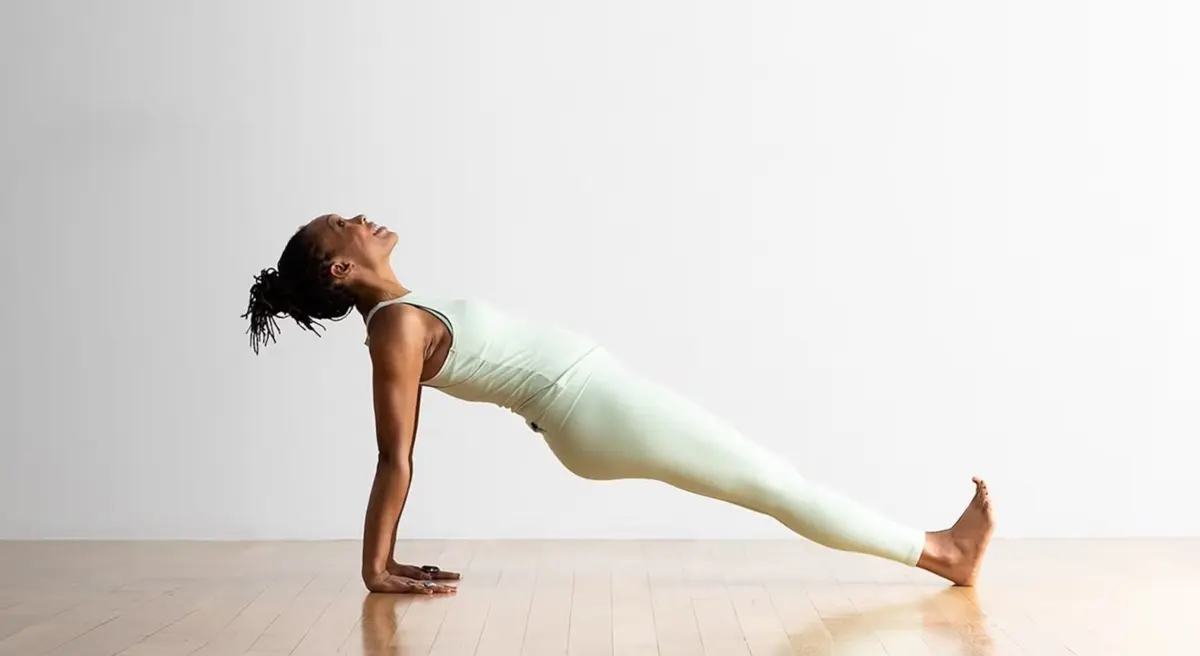
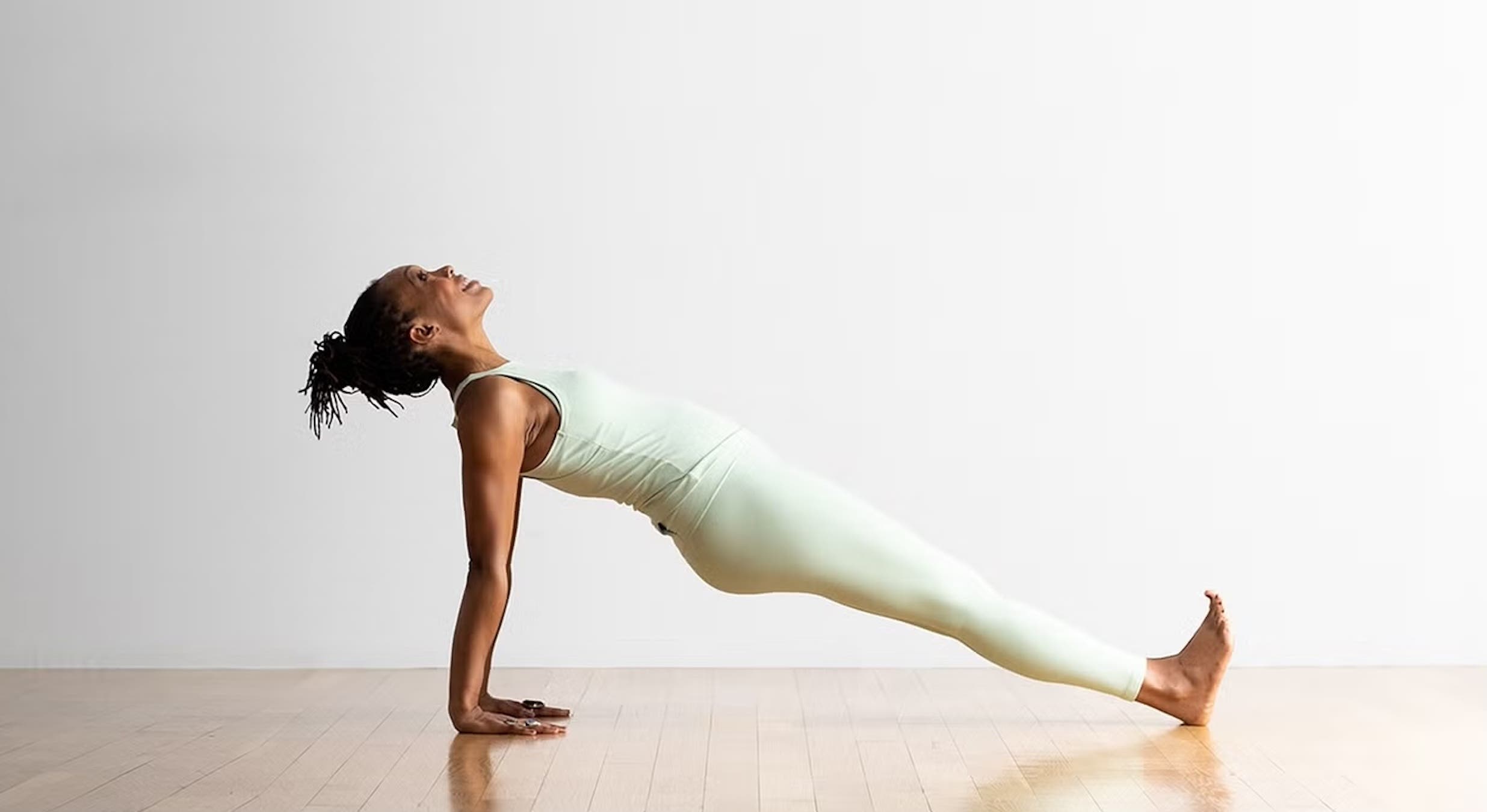
1. Reverse Plank (Purvottanasana)
While Vinyasa classes heavily favor High Plank, Chaturanga, and Side Plank, their often-neglected cousin—the Reverse Plank—is a powerhouse for the posterior upper body.
- Target Areas: Triceps, rear deltoids, rotator cuffs, and the rhomboids between the shoulder blades.
- Execution & Benefits: Supporting your body weight against gravity in an upward-facing diagonal line forces the back of the arms and shoulders to fire intensely.
- Pro-Tip: Squeeze your glutes tightly. This elevates your hips into a straight diagonal line, distributing weight toward your feet and preventing your pelvis from sagging—a common error that strains shoulder alignment.
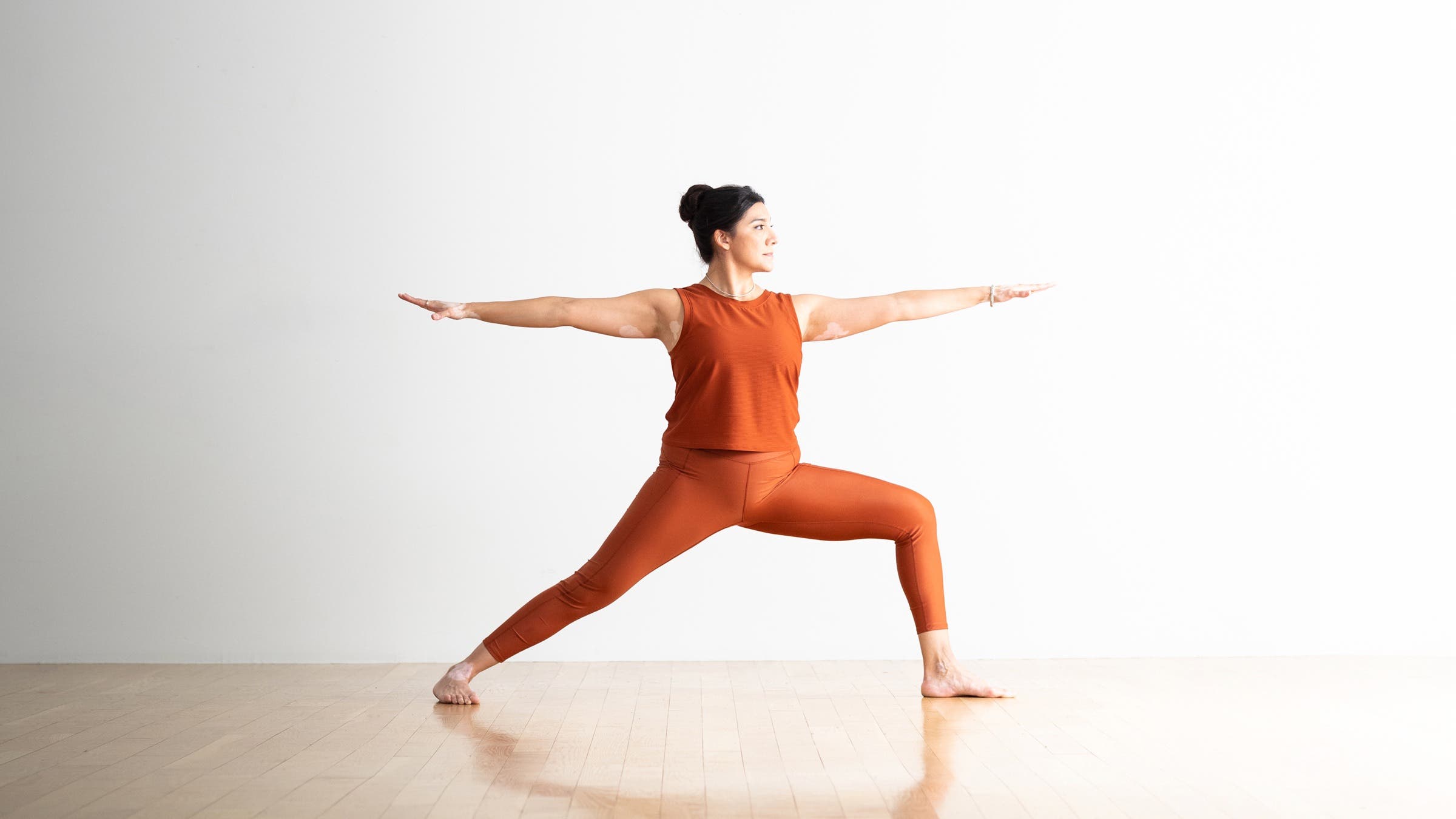
2. Warrior 2 Pose (Virabhadrasana II)
You do not need to flow rapidly or bear weight on your hands to condition your arms. Warrior 2 relies entirely on isometric muscular contraction.
- Target Areas: Deltoids, upper back, quads, and glutes.
- Execution & Benefits: Holding your arms outstretched parallel to the floor creates continuous resistance against gravity. Even without joint movement, sustained isometric tension leads to muscle fatigue and adaptation.
- Accessibility: This is an ideal arm-strengthening option for individuals dealing with wrist injuries who cannot bear weight on their palms. If standing becomes too intense, it can be executed successfully in a chair. Embrace the tremor—shaking muscles are strengthening muscles.
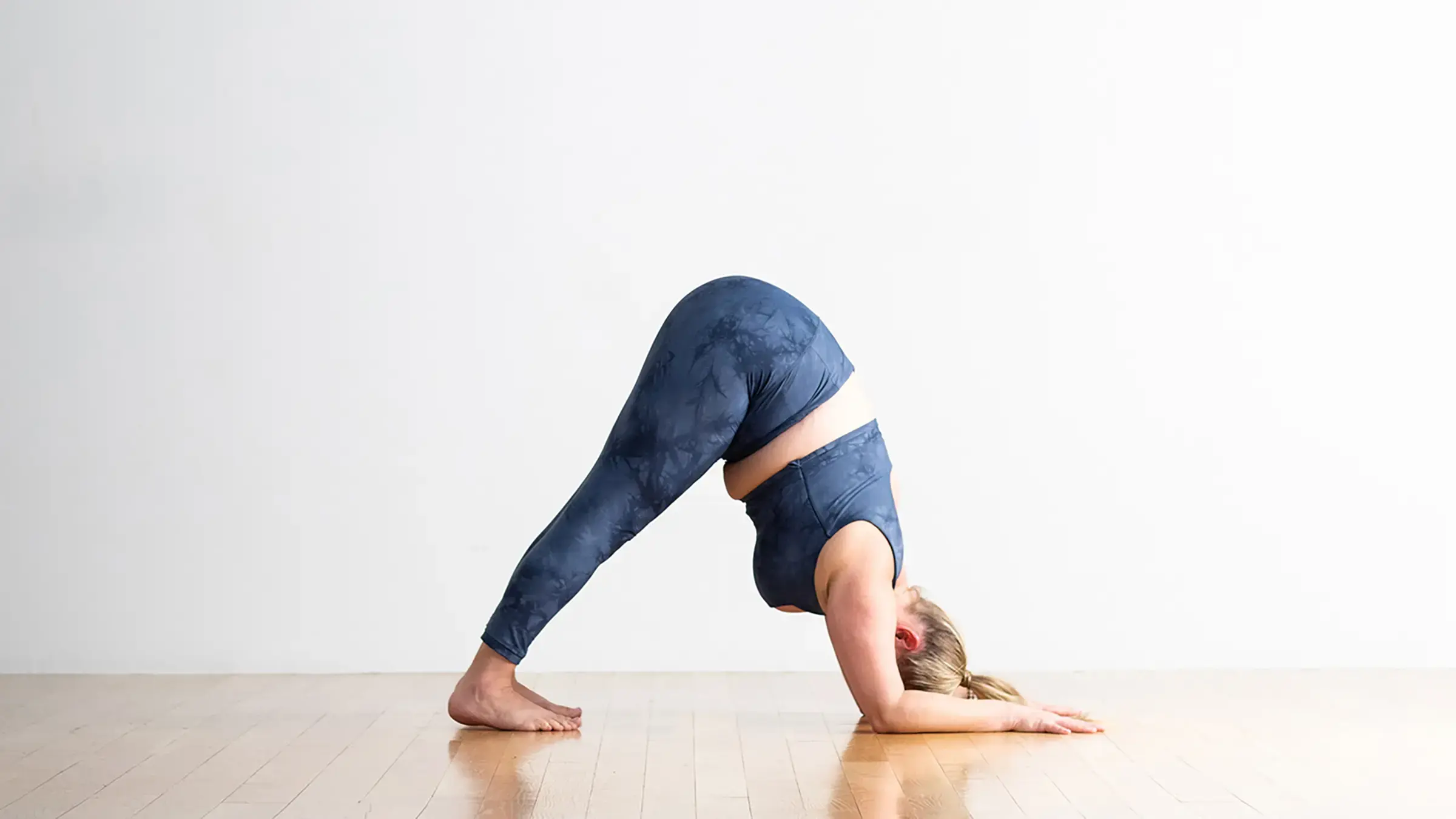
3. Dolphin Pose
Dolphin Pose serves as an exceptional alternative to Downward-Facing Dog, especially for those experiencing wrist discomfort.
- Target Areas: Forearms, shoulders, and the trapezius muscles of the upper back.
- Execution & Benefits: By keeping your forearms flat on the mat, you alter the load distribution. The forearms and upper back contract to stabilize your frame, transferring stress away from delicate wrist joints and into the larger muscle groups of the upper torso.
- Pro-Tip: Treat this as a structured strength set. Hold the shape for a few seconds, release, and repeat, maintaining steady, controlled breathing throughout.
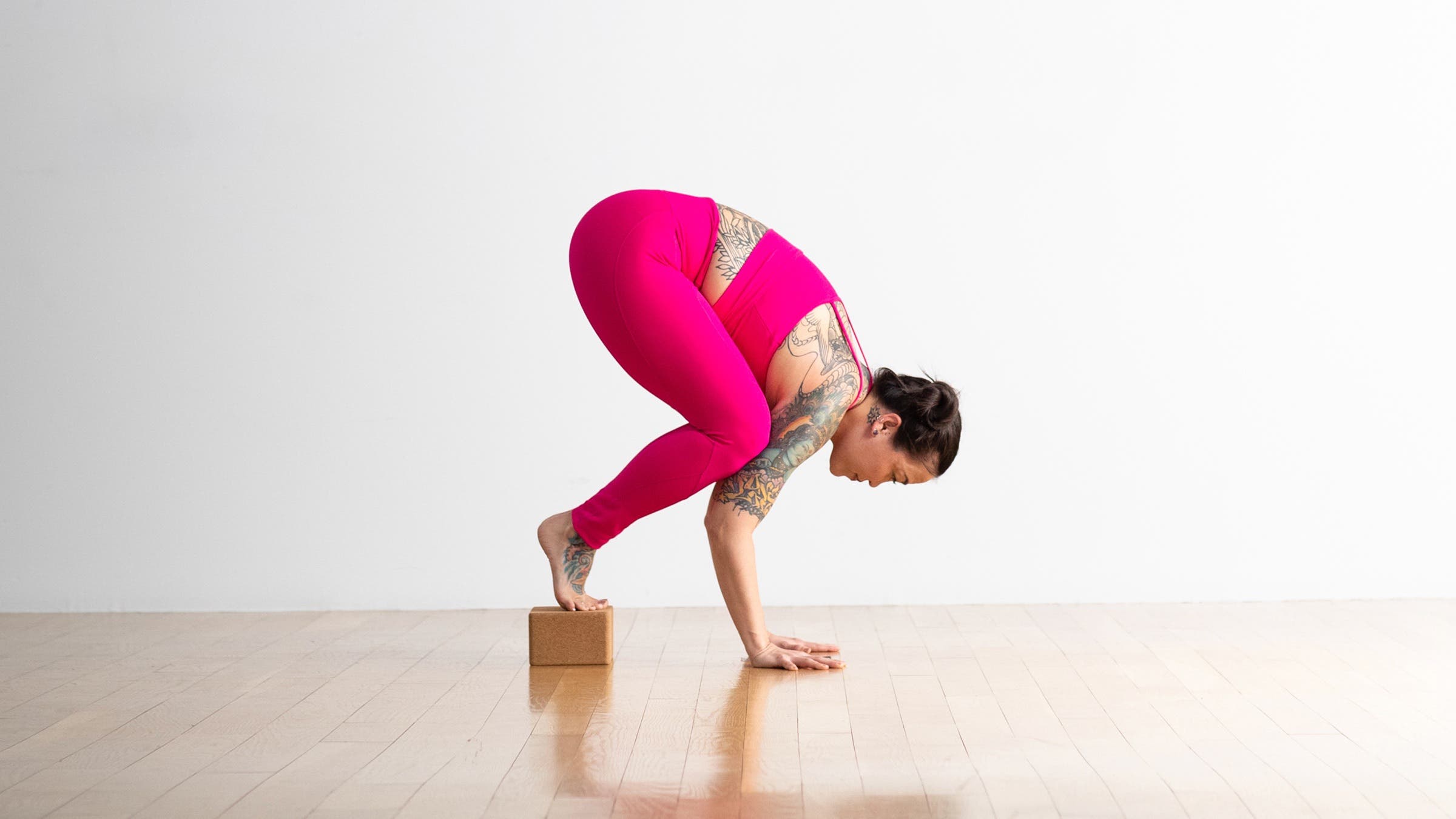
4. Crow Pose (Bakasana)
Often categorized strictly as an arm-balance requiring core control and courage, Crow is simultaneously an elite upper-body conditioner.
- Target Areas: Forearms, triceps, and anterior shoulders.
- Execution & Benefits: Supporting your total body weight entirely on your hands builds immense structural integrity through the wrists, arms, and shoulder complex.
- Modifications: If lifting your knees high onto your upper arms feels out of reach, slide a yoga block beneath your toes. For those with wrist limitations, drop down to the forearms and practice Baby Crow to engage the upper arms without wrist strain.
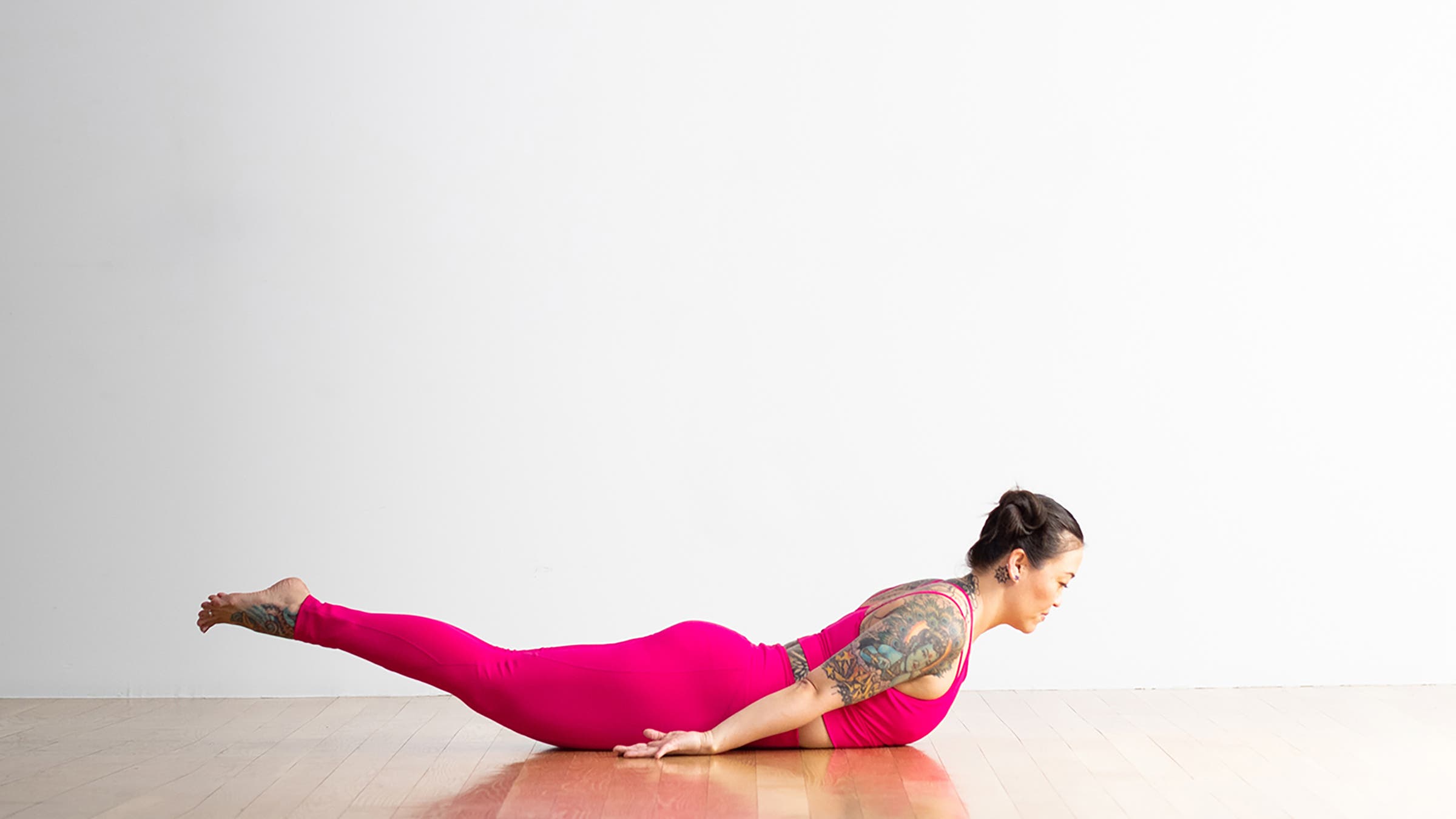
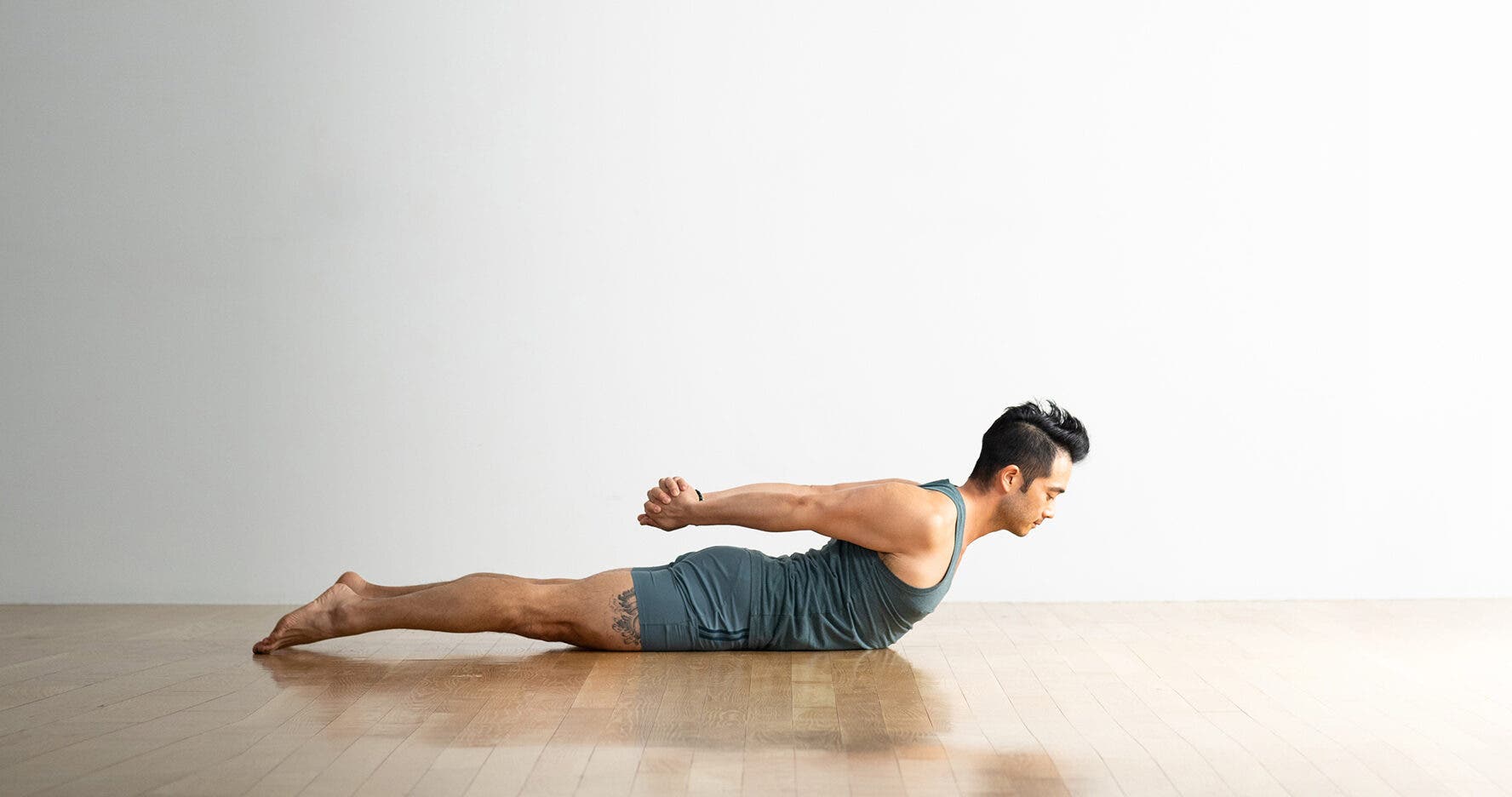
5. Locust Pose (Salabhasana)
This deceptively simple backbend is celebrated for strengthening the posterior chain, but it is equally potent for the back of the arms.
- Target Areas: Triceps, rear deltoids, and glutes.
- Execution & Benefits: Pressing your palms or the backs of your hands into the mat while lifting your chest engages the triceps and rear shoulders. Lifting the arms completely off the floor demands a powerful isometric squeeze.
- Pro-Tip: Engage your glutes actively to shield your lower back from excessive compression, allowing your upper body to isolate the shoulder and arm engagement.
6. Upward Tabletop Pose
A close relative of the Reverse Plank, Upward Tabletop shifts the joint angles to target the upper body differently.
- Target Areas: Triceps, posterior deltoids, and core stabilizers.
- Execution & Benefits: By keeping your feet flat and knees bent at a 90-degree angle, you alter the vector of resistance. The challenge is maintaining elevated hips; sagging hips immediately disengage the upper arms.
7. Puppy Pose (Uttana Shishosana)
Typically approached as a passive, restorative chest and shoulder opener, Puppy Pose can be transformed into a dynamic strength builder with one minor adjustment.
- Target Areas: Upper arms, shoulders, and thoracic spine.
- Execution & Benefits: Instead of melting your chest passively toward the floor with relaxed arms, actively squeeze the muscles of your upper arms and shoulders isometrically as you reach forward. This converts a passive stretch into an active, wrist-friendly upper-body conditioner.
Conclusion
Building functional strength does not require an adherence to conventional gym equipment. By exploring the intelligent biomechanics of yoga—leveraging gravity, isometric holds, and intricate neuromuscular synergies—practitioners can cultivate powerful, stable, and injury-resistant arms. Whether you are stepping onto the mat to protect aging joints, recover from injuries, or simply infuse variety into your fitness regimen, these weightless exercises prove that the most sophisticated piece of gym equipment you will ever need is your own body.
