

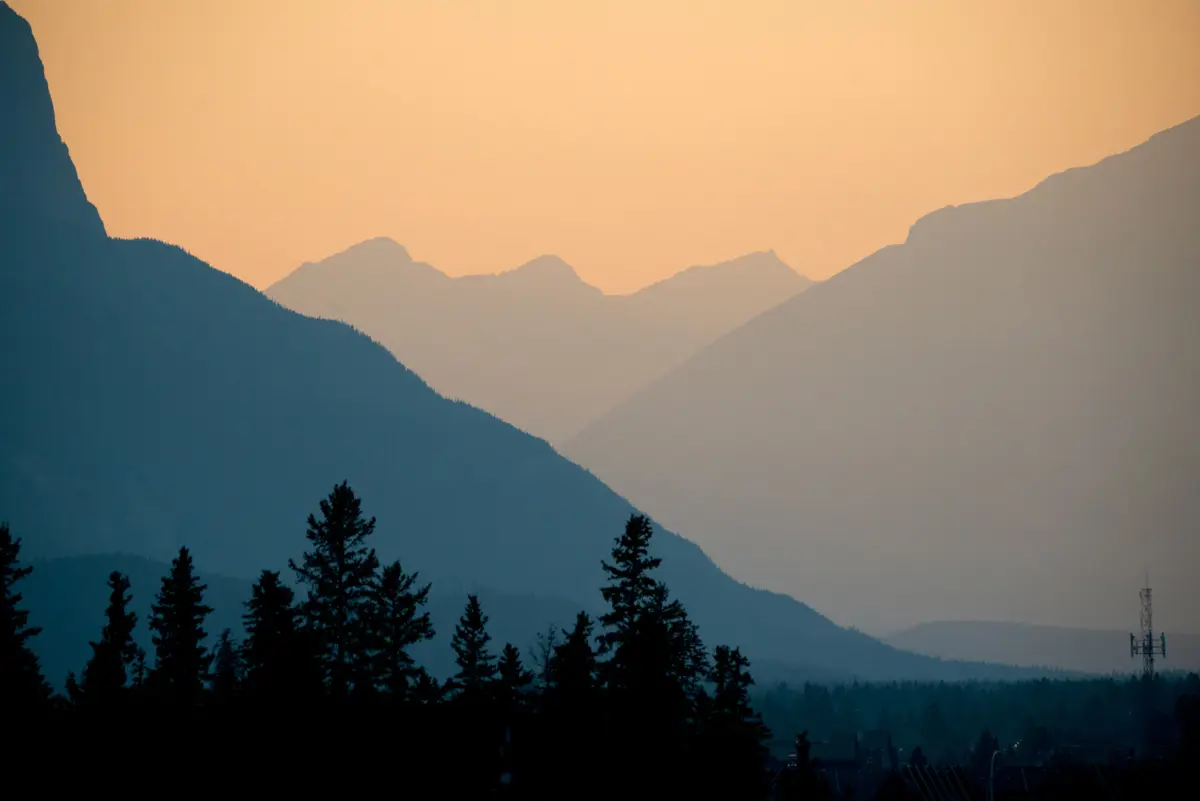
In the realm of visual storytelling, light is not merely a tool used to expose a sensor; it is the fundamental medium of creation. Whether transforming a mundane scene into a breathtaking vista or emphasizing the intricate textures of a dew-kissed insect, lighting is the ultimate differentiator between an ordinary snapshot and a profound work of art. For nature photographers, whose subjects range from sweeping mountain ranges to elusive microscopic organisms, understanding, anticipating, and manipulating light is an absolute necessity.
As technology advances and camera sensors become increasingly capable of capturing broad dynamic ranges, the human eye and artistic intuition remain irreplaceable in recognizing how light falls, shapes, and defines a subject. This comprehensive guide explores the multifaceted role of lighting across four distinct pillars of nature photography: wildlife, landscapes, the underwater world, and macro environments.
Main Facts: The Core Principles of Photographic Light
At its core, photography literally translates to "drawing with light." To master this craft, photographers must evaluate three primary characteristics of light: quality, direction, and color temperature.
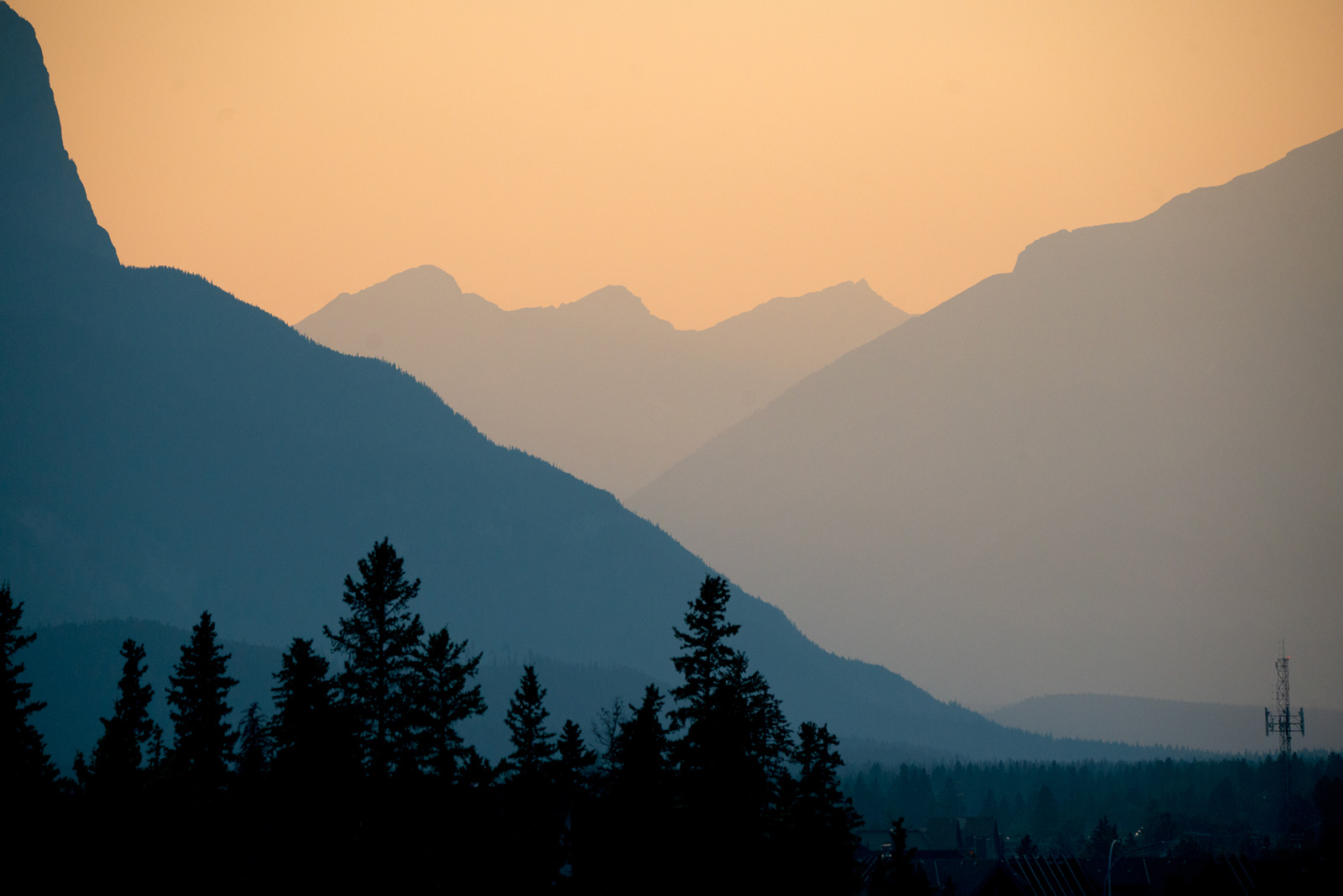
- Quality (Hard vs. Soft Light): Hard light, produced by direct, un-diffused sources like a midday sun or a flash, creates stark contrast, deep shadows, and defined edges. Soft light, generated by overcast skies, fog, or a setting sun filtered through trees, wraps gently around subjects, reducing harsh contrasts and revealing subtle details.
- Direction: The angle from which light strikes a subject dictates its mood and dimension. Front lighting minimizes textures, side lighting emphasizes depth and form, and backlighting (or rim lighting) creates dramatic silhouettes and glowing outlines.
- Color Temperature: Measured in Kelvin, light changes color throughout the day—from the cool blues of pre-dawn twilight to the warm, golden hues of the golden hour, and back to the cool tones of open shade.
Understanding these variables allows photographers to move away from relying on camera automation and toward intentional, artistic image-making.
Chronology: The Evolution of Natural Light in the Field
The relationship between the photographer and light is governed by the relentless march of time. A typical field session unfolds through a carefully anticipated chronological sequence, each phase offering unique artistic challenges and rewards.
1. The Pre-Dawn Blue Hour
Long before the sun breaches the horizon, the landscape is bathed in a cool, monochromatic blue light. This period is ideal for tranquil landscapes, nocturnal wildlife spotting, and capturing ethereal long exposures without blown-out highlights.

2. The Golden Hour
Shortly after sunrise and just before sunset, the sun sits low on the horizon, passing through a thicker layer of the Earth’s atmosphere. This scatters shorter blue wavelengths and allows warmer red, orange, and golden tones to dominate. Wildlife photographers cherish this window because the soft, directional light adds warmth and dimension to fur and feathers.
3. Harsh Midday Illumination
As the sun climbs overhead, the light hardens dramatically. Traditionally avoided by purists, midday light can still be leveraged creatively. Underwater photographers, for instance, utilize high-noon sunbeams to penetrate deeper into aquatic environments, while macro photographers may seek out dappled forest shade to control harsh contrast.
4. The Evening Twilight
As daylight fades, the cycle reverses, offering a final window of muted, reflective light. This period rewards patience, often yielding moody, atmospheric captures before total darkness sets in.

Supporting Data: The Impact of Lighting on Visual Perception
Scientific studies in visual psychology consistently demonstrate that human emotional response to an image is heavily dictated by lighting contrast and color.
- Contrast and Engagement: Research into eye-tracking patterns shows that viewers’ eyes are naturally drawn to the areas of highest contrast within a frame. Mastering light direction allows photographers to guide the viewer’s gaze precisely where intended.
- The Emotional Weight of Color: Warmer color temperatures (2,000K–4,000K) evoke feelings of warmth, nostalgia, and tranquility, whereas cooler tones (6,000K–8,000K) tend to elicit feelings of isolation, crispness, or melancholy.
- Dynamic Range Realities: Modern full-frame sensors can capture upwards of 14 stops of dynamic range, yet high-contrast lighting scenarios—such as a brightly lit snowscape shadowed by dense evergreen forests—still push hardware to its limits, necessitating strategic exposure blending or graduated filters.
Official Perspectives: Insights from Master Nature Photographers
Industry leaders and seasoned professionals continually emphasize that technique must follow light, rather than the other way around.
Renowned wildlife and landscape professionals frequently stress that gear is secondary to observational skills. "You do not need the most expensive camera body to capture a masterpiece," notes a leading wildlife conservation photographer. "You simply need to understand how the sun interacts with your subject’s environment. Light tells the story before the shutter even clicks."

Similarly, technical authorities in underwater and macro imaging point out the shift toward portable artificial lighting systems. As strobes, continuous LED panels, and fiber-optic snoots become more sophisticated, photographers are no longer entirely at the mercy of ambient conditions, allowing for unprecedented creative control in light-starved environments.
Specialized Environments: Lighting Across Ecosystems
Lighting in Wildlife Photography
To make a wildlife portrait truly transcend a simple identification photo, the interplay of light and subject is critical. Backlighting can illuminate the fine hairs of a mammal’s coat or create a glowing halo around a bird’s feathers. Anticipating where an animal will move relative to the sun’s path separates opportunistic snapshots from deliberate art.
Lighting in Landscape Photography
Landscape photography relies heavily on anticipation and adaptability. While golden hours provide classic beauty, overcast days offer saturated greens and blues ideal for forest waterfalls, and stormy conditions create dark, moody aesthetics. The master landscape photographer does not wait passively for a good sunset; they analyze weather patterns, topography, and seasonal sun angles to pre-visualize the shot.

Lighting in Underwater Photography
Light behaves unpredictably beneath the surface. Water absorbs light wavelengths rapidly—starting with reds within the first few meters, followed by oranges and yellows. Underwater photographers must master both ambient light (utilizing shallow depths and clear water) and artificial strobes to restore lost colors and illuminate shadowy reef dwellers and ocean giants.
Lighting for Macro Photography
In the miniature world, depth of field is exceptionally shallow, and shutter speeds must be fast enough to combat camera shake and subject movement (such as an insect twitching). Consequently, macro photographers heavily rely on specialized lighting gear like ring flashes, twin lights, and diffusers to soften intense artificial output while maintaining a functional exposure triangle.
Implications: Elevating Your Craft
Mastering photographic lighting is a lifelong journey that fundamentally alters how a person perceives the world. By shifting focus from what is being photographed to how light describes the subject, creators unlock a new tier of artistic expression.

Whether you are navigating the deep blue, tracking elusive wildlife at dawn, or examining the delicate veins of a fern leaf, the principles remain universal. Embrace the challenges presented by changing illumination, experiment with direction and diffusion, and let light become your most powerful creative collaborator. Share your journeys and illuminated captures with the global photography community to continue inspiring visual storytelling worldwide.
