

Published August 19, 2026
By the Yoga Journal Editorial Team
When the average gym-goer hears the word "squat," images of weighted barbells, high-intensity interval training (HIIT), and repetitive, rapid up-and-down piston movements immediately come to mind. It is a staple of modern physical fitness, heavily promoted by online fitness influencers and athletic trainers striving for hypertrophy and lower-body raw power.
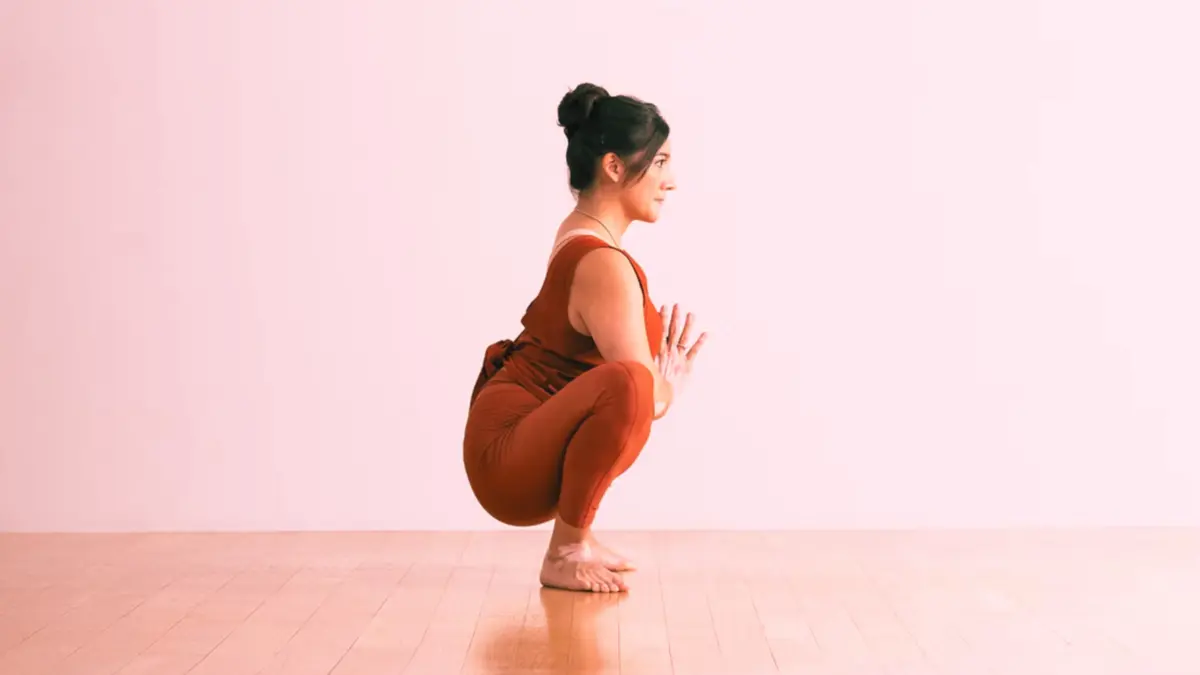
However, when approached through the lens of yoga, the squat transforms into something entirely different. Known traditionally as Malasana (Garland Pose), this foundational asana trades rapid muscle contractions and heavy loads for deep stillness, internal introspection, and a delicate equilibrium between effort (sthira) and ease (sukha).
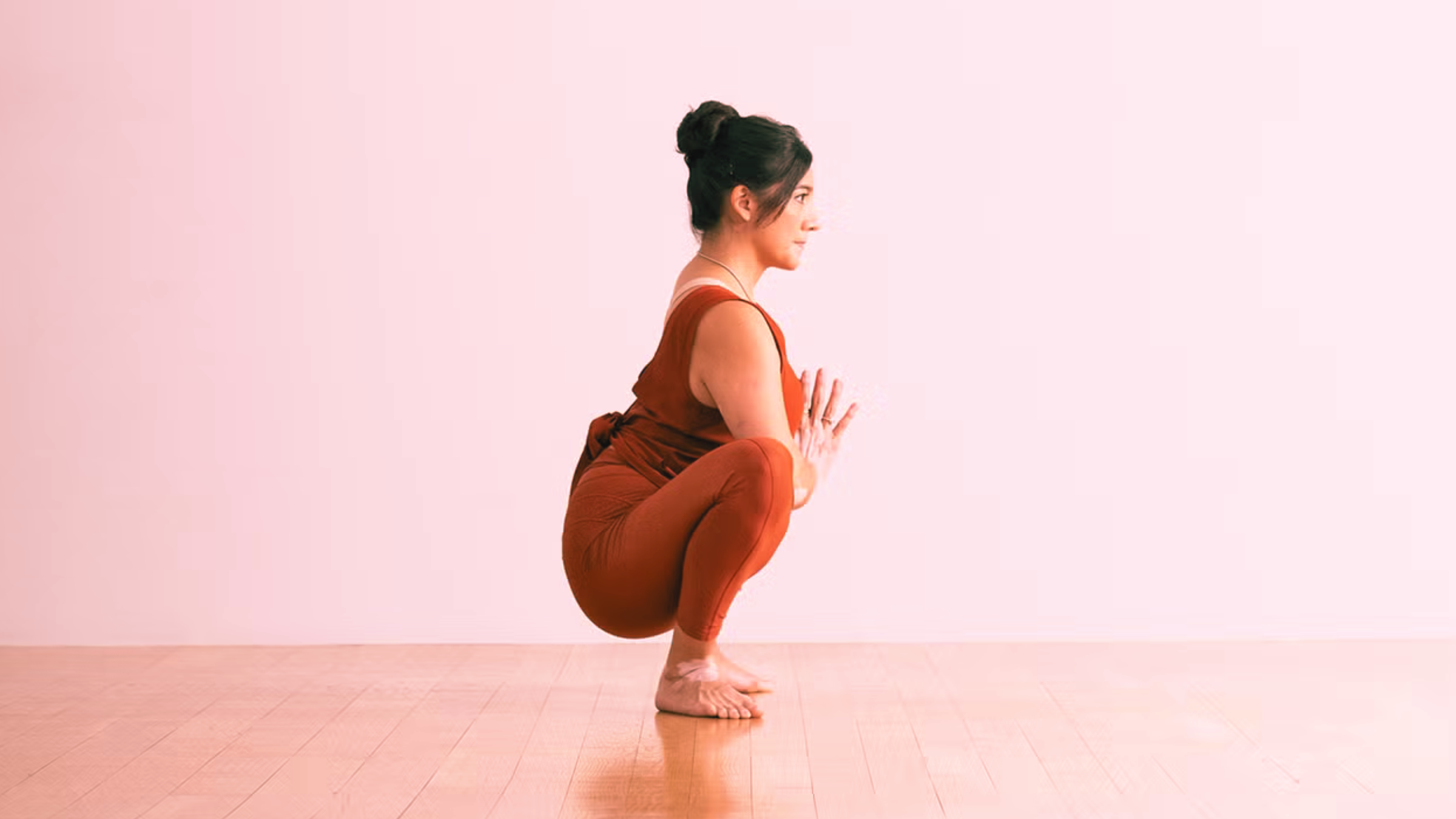
Despite its deceptively simple, compact shape—where the practitioner lowers their hips deeply between their heels with the palms pressed together at the heart center—Malasana often acts as a frustrating catch-22 for modern practitioners. On one hand, it is one of the most effective holistic tools available for restoring lost mobility, lubricating the joints, and decompressing the lower back. On the other hand, for a modern society shackled to prolonged periods of sitting at desks and in cars, Malasana can feel like an inaccessible fortress. Tight hips, stiff ankles, and restricted knees often conspire to make the pose an exercise in discomfort rather than release.
Rather than forcing your body into a compromised, painful position all at once, yoga philosophy and modern physical therapy agree: preparation is everything. By strategically introducing targeted mobility work and preparatory stretches into your routine, you can safely open your hips, knees, and ankles, bringing the classic yoga squat comfortably within your reach.
Main Facts: Deconstructing Malasana and the Modern Mobility Crisis
At its core, Malasana is a deep, unsupported resting squat that requires a synchronized range of motion across multiple kinetic checkpoints in the lower body. Unlike weightlifting squats, which prioritize dynamic drive and explosive power, Malasana is a posture of surrender.
The Anatomy of the Squat
To successfully execute Malasana, the body requires simultaneous flexibility and strength across three primary lower-body joints:
- The Ankles: Dorsiflexion is critical. If your ankles lack the range of motion to bend forward, your heels will inevitably lift off the mat, destabilizing the entire pose.
- The Knees: The knee joint must flex deeply while tolerating gentle external rotation and weight-bearing pressure.
- The Hips: The hip sockets must open into external rotation and flexion, allowing the torso to nestle comfortably between or inside the thighs.
The Modern Sedentary Dilemma
The primary obstacle facing modern practitioners is not a lack of willpower, but rather the physiological adaptations caused by the modern lifestyle. Hours spent sitting in chairs shorten the hip flexors, weaken the glutes, lock the pelvis in a posterior tilt, and restrict ankle mobility. When a sedentary body is suddenly asked to drop into a deep yogic squat, the nervous system panics, guarding the joints with muscle tightness.
Understanding these physical barriers is the first step toward transforming your practice. By targeting each specific area with dedicated preparatory exercises, you can systematically dismantle stiffness and unlock the full benefits of Garland Pose.
Chronology of Progress: A Step-by-Step Approach to Learning Malasana
For beginners or those experiencing chronic lower-body stiffness, attempting to jump straight into Malasana can lead to strain in the lower back, knees, and Achilles tendons. A progressive, chronological approach to your practice ensures sustainable joint health and prevents injury.
Phase 1: Awareness and Assessment (Weeks 1–2)
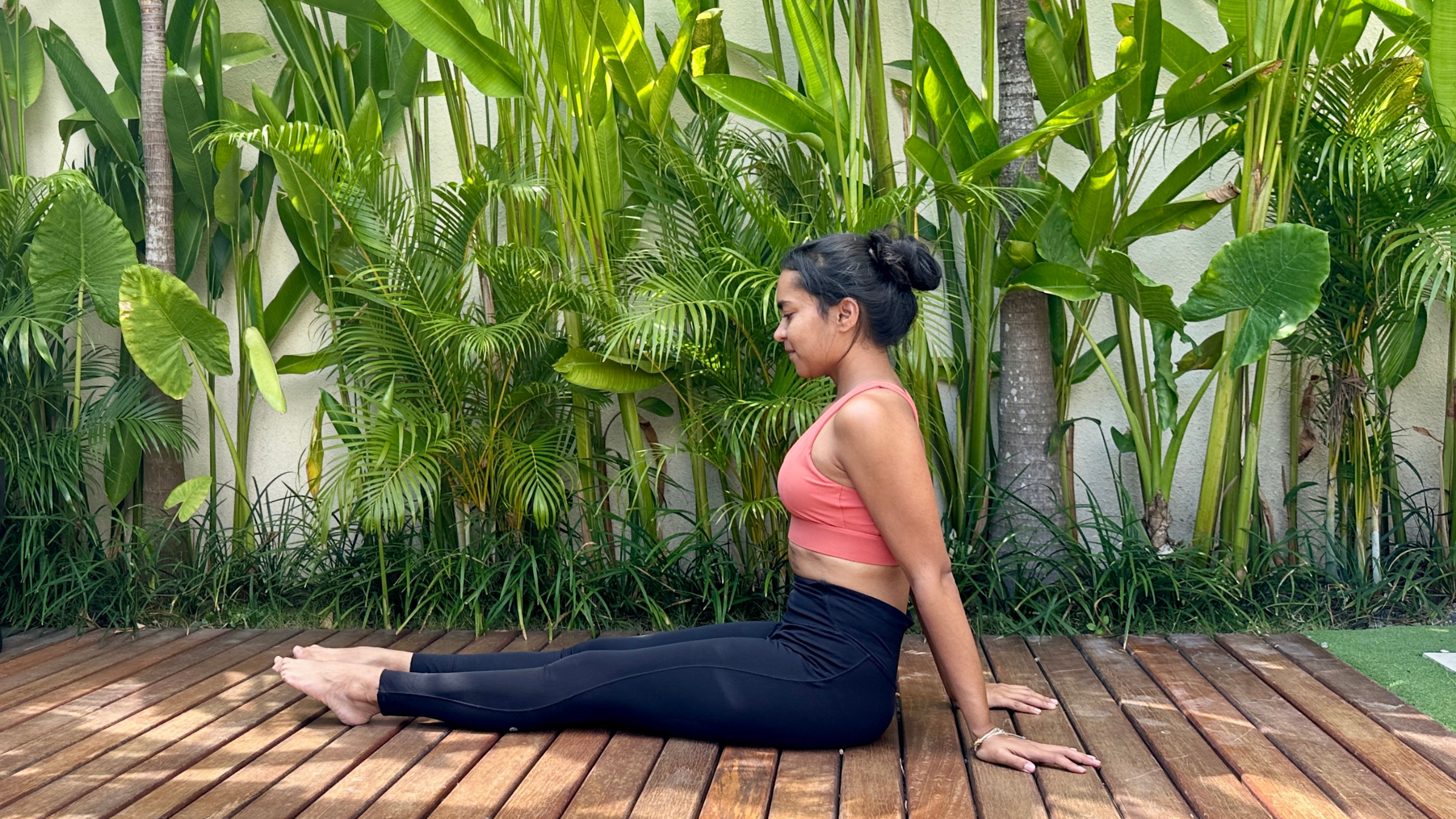
Before introducing complex stretches, spend the first two weeks simply observing your body’s baseline. Practice basic seated movements and notice where you feel restriction. Do your heels pop up immediately? Does your lower back round excessively? Recognizing your unique anatomical limitations allows you to choose the right modifications—such as placing a rolled-up blanket under your heels or sitting on a yoga block.
Phase 2: Joint-Specific Preparation (Weeks 3–4)
In this phase, incorporate targeted mobility exercises—such as ankle rolls and bound angle stretches—into your daily routine. The goal during this window is not to force depth, but to signal safety to the nervous system, encouraging connective tissues to gently lengthen and hydrate.
Phase 3: Integration and Dynamic Poses (Weeks 5–6)
Introduce more demanding multi-joint openers like Lizard Pose and Goddess Pose. These postures build the foundational leg strength and deep pelvic opening required to support your body weight safely when transitioning into a full, unsupported squat.
Phase 4: Integration into Flow (Month 2 and Beyond)
Begin weaving Malasana into your regular vinyasa or hatha sequences. Use transitions—such as stepping or jumping forward from Downward-Facing Dog directly into a wide-legged squat—to test your active mobility and balance.
Supporting Data: The Science of Lower-Body Mobility
Physical therapists and orthopedic specialists widely support deep squatting as an essential movement pattern for lifelong musculoskeletal health. Clinical observations highlight several key physiological benefits associated with maintaining deep-squat capability:
- Synovial Fluid Distribution: Deep flexion of the knee and hip joints stimulates the production and distribution of synovial fluid, acting as a natural lubricant that nourishes cartilage and preserves joint health.
- Fascial Release: Holding a posture like Malasana stretches the thoracolumbar fascia and the complex web of connective tissue running down the posterior chain, which can alleviate chronic low-back tension caused by prolonged sitting.
- Pelvic Floor Health: For both men and women, deep squatting engages and stretches the pelvic floor muscles, supporting core stability, digestive health, and urinary function.
- Kinesthetic Awareness: Because Malasana requires balance and micro-adjustments to remain upright, it enhances proprioception—the body’s ability to sense its position in space—reducing the risk of falls and lower-limb injuries.
Expert Perspectives: Insights from Yoga Educators and Physical Therapists
Leading movement educators emphasize that yoga is not about achieving an aesthetic ideal, but about cultivating functional freedom within one’s unique physical vessel.
"We often see students fighting their own bodies in poses like Malasana because they view it as a destination rather than a process," notes Riya Davda, a prominent yoga instructor specializing in functional mobility. "When you stop fighting gravity and start preparing the individual components—the ankles, the inner thighs, the hip flexors—the pose stops feeling like a punishment and starts feeling like a resting place."
Physical therapists echo this sentiment, noting that the human body was evolutionarily designed to rest in a deep squat position. Reclaiming this posture is less about acquiring new flexibility and more about reawakening a dormant movement pattern that modern furniture has systematically erased from our daily lives.
Implications: Transforming Your Daily Life Through Yoga Squats
The benefits of mastering Malasana extend far beyond the four corners of your yoga mat. Improving your lower-body mobility alters how you navigate the physical world.
Enhanced Functional Fitness
Tasks that require bending down to pick up objects, gardening, playing with children, or getting up and down from the floor become significantly easier and less taxing on the joints. By restoring functional range of motion to the ankles, knees, and hips, you drastically reduce your vulnerability to common lower-limb injuries, strains, and overuse syndromes.
Mental and Emotional Release
In yoga philosophy, the hips are often referred to as the "emotional dumping ground" of the body, where stress, anxiety, and trauma are physically stored. Because Malasana forces a deep, open posture in the pelvic basin, practitioners frequently report experiencing a profound sense of emotional release and grounding upon exiting the pose. Combined with the steady, meditative breathing required to hold the posture, Malasana serves as a powerful anchor for mindfulness and nervous system regulation.
4 Essential Ways to Prep Your Body for the Yoga Squat
To bridge the gap between where your body is today and a comfortable, stable Malasana, incorporate these four targeted preparatory stretches into your existing yoga practice or workout routine. Repeat them consistently to build flexibility, strength, and confidence.
       [Ankle Rolls] ---> Improves dorsiflexion & ankle range of motion
            │
            ▼
   [Bound Angle Pose] ---> Opens tight inner thighs & mimics squat angles
            │
            ▼
    [Lizard Pose]    ---> Unlocks hips, hamstrings, and pelvic mobility
            │
            ▼
   [Goddess Pose]    ---> Builds active lower-body strength & endurance
            │
            ▼
    [MALASANA]       ---> The Ultimate Yoga Squat Achieved
1. Ankle Rolls
Stiff ankles are the silent saboteur of deep squats. If your ankles cannot flex forward (dorsiflexion), your heels will lift off the mat, throwing off your center of gravity. These simple ankle rotations improve joint mobility and help lower your heels closer toward the floor—and you can practice them basically anywhere.
- How to practice:
- Sit comfortably in a chair or cross-legged on the floor, or stand and lift one foot slightly off the ground.
- Slowly rotate your ankle in a wide, deliberate circle, moving clockwise for 10 to 15 revolutions.
- Reverse direction, rotating counter-clockwise for an equal number of revolutions.
- Switch to the opposite foot and repeat.
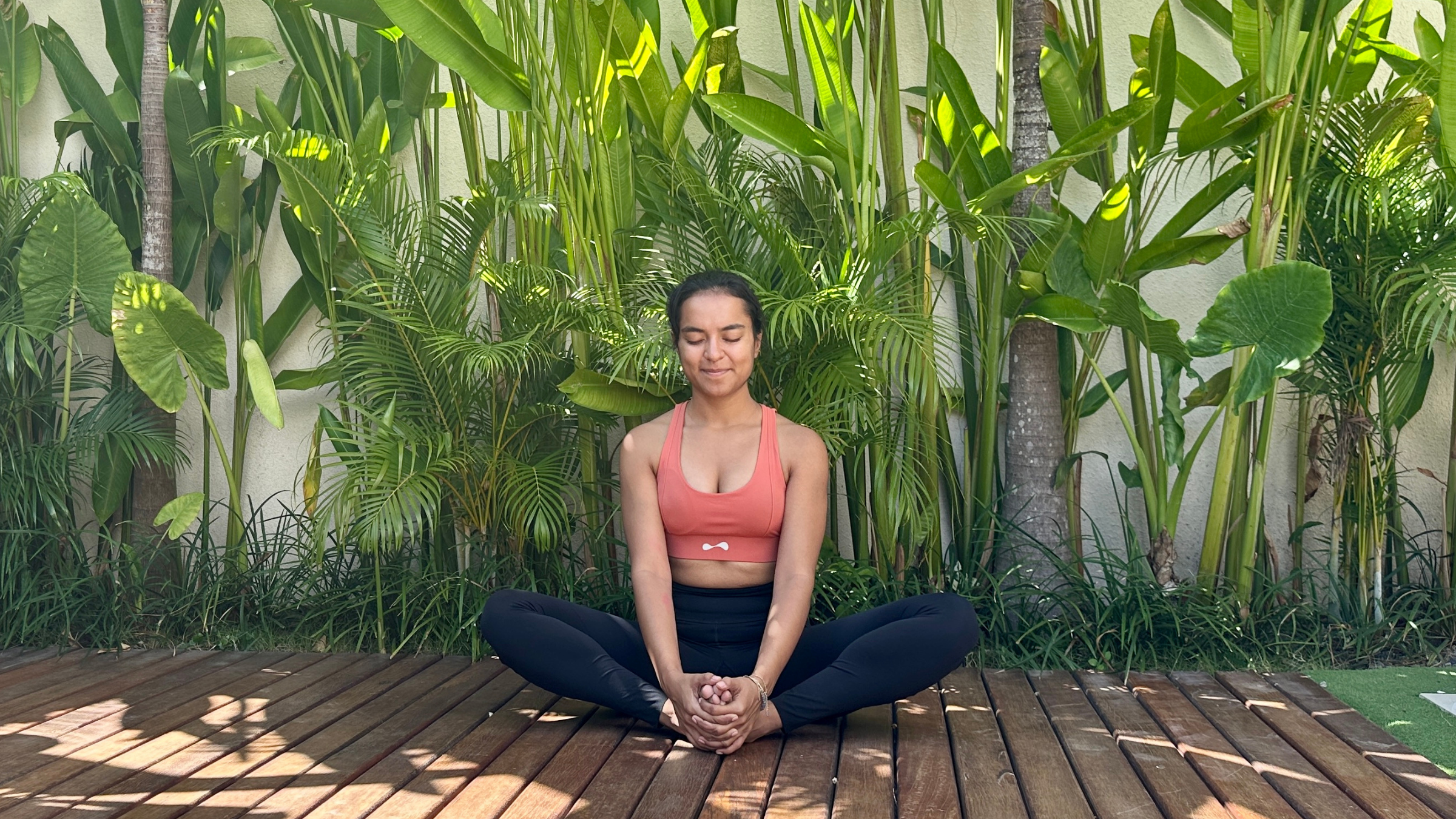
2. Bound Angle Pose (Baddha Konasana)
Tight inner thigh muscles (adductors) can severely restrict your ability to splay your knees wide and settle your torso between your legs in Malasana. Bound Angle Pose helps these tissues become accustomed to opening up safely while allowing gravity to assist. It also familiarizes your knees and hips with an angle very similar to that of the yoga squat.
- How to practice:
- Sit tall on your mat with the soles of your feet pressed together, allowing your knees to drop open out to the sides.
- Use your hands to hold onto your ankles or feet, drawing your heels comfortably close to your pelvis (adjust the distance based on your knee comfort).
- Inhale to lengthen your spine, lifting your chest toward the ceiling.
- Exhale and gently fold forward from the hips, keeping your spine long rather than rounding your back. Hold for 5 to 10 deep breaths.
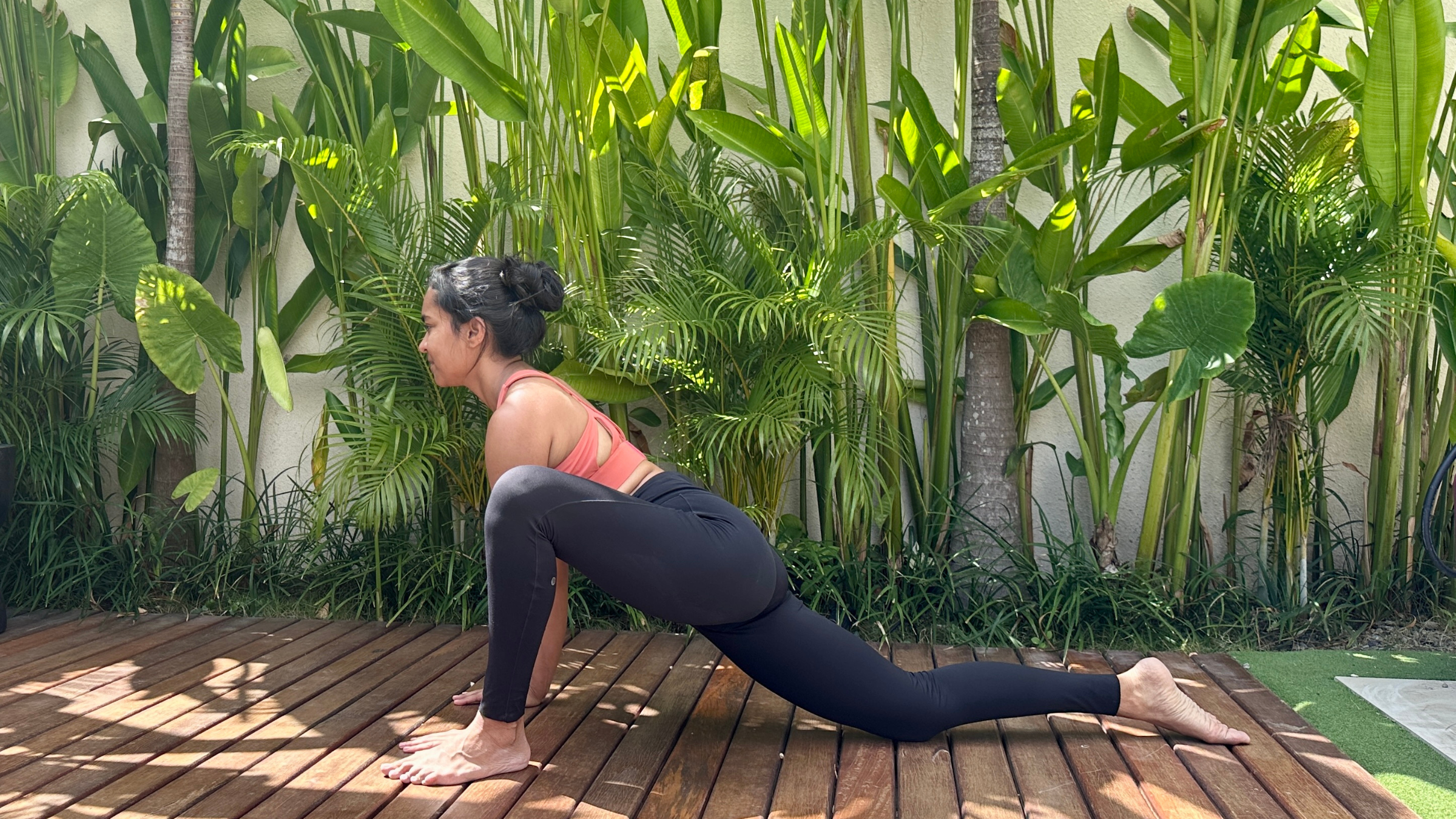
3. Lizard Pose (Utthan Pristhasana)
Lizard Pose is a powerhouse lunge posture that deeply opens the hips, hamstrings, and pelvic region. Simultaneously, it engages and stretches the quadriceps of the back leg, building the foundational lower-body strength and stability that you will ultimately rely on when holding a static squat.
- How to practice:
- Begin in a high plank position, then step your right foot forward to the outside of your right hand, coming into a wide runner’s lunge.
- Lower your back left knee gently to the mat and untrust your back toes (you can keep the knee lifted if you prefer a more active variation).
- Sink your hips forward and downward, feeling a deep stretch through your front hip and back hip flexor.
- Stay on your hands or, if flexibility permits, lower down onto your forearms or place blocks underneath your elbows. Hold for 5 breaths, then switch sides.
4. Goddess Pose (Utkata Konasana)
Goddess Pose is arguably the single best preparatory asana for Malasana. While Malasana is performed with the hips low to the floor, Goddess Pose places the body in an identical shape—external hip rotation, wide knees, and an upright torso—while actively building functional strength in the hips, thighs, glutes, and core.
- How to practice:
- Stand facing the long edge of your mat and step your feet wide apart, roughly 3 to 4 feet.
- Turn your heels inward and your toes outward at a 45-degree angle, aligning your feet with the trajectory of your knees.
- Inhale to lengthen your spine, then exhale as you bend your knees deeply, sinking your hips down until your thighs are ideally parallel to the floor.
- Stack your shoulders directly over your hips, draw your tailbone slightly down, and press your inner thighs back. Hold for 5 deep breaths, feeling the burn of strength building in your lower body, before pressing back up to standing.
Conclusion
Mastering Malasana is a journey of patience, anatomical awareness, and consistent, compassionate practice. By letting go of the ego and preparing your ankles, inner thighs, hips, and knees with targeted mobility work like Ankle Rolls, Bound Angle Pose, Lizard Pose, and Goddess Pose, you transform the yoga squat from an intimidating physical barrier into a welcoming sanctuary of rest and renewal. Roll out your mat, listen to your body, and step into the grounding stillness of Garland Pose.
