

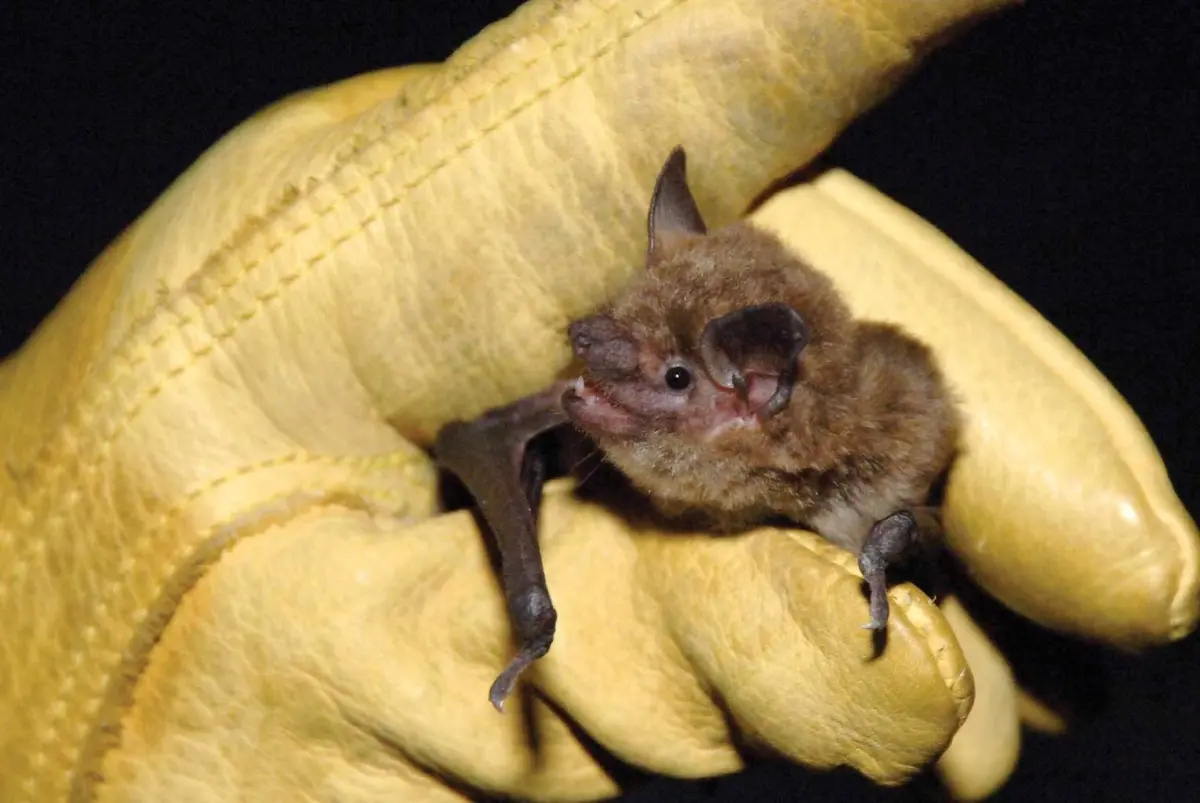
JEROME, Ariz. — As twilight descends over the historic mining town of Jerome, perched precariously on the slopes of Cleopatra Hill, a quiet transformation occurs. The daytime tourists depart, and the night shift begins. From the depths of abandoned mine shafts, rocky crevices, and historic stone ruins, thousands of bats emerge into the cool mountain air.
To celebrate these remarkable creatures and educate the public on their ecological importance, Jerome State Historic Park will host its highly anticipated annual Bat Walk on Saturday, Sept. 26. The event offers a rare, guided window into the nocturnal world of Arizona’s most misunderstood mammals, combining public education with hands-on conservation awareness.
Main Facts: The Jerome Bat Walk and Arizona’s Avian Allies
The annual Bat Walk at Jerome State Historic Park, located at 100 Douglas Road, is scheduled to begin promptly at 6:30 p.m. on Saturday, Sept. 26. To accommodate the expected crowd, the park gates will open early at 6:15 p.m.
Led by Brenda Vento—a licensed Arizona Game and Fish Department (AZGFD) wildlife rehabilitator and dedicated Arizona State Parks volunteer—the event is designed to demystify bats and showcase their extraordinary biological adaptations.
Four primary species of bats regularly patrol the park grounds at night:
- The Mexican Free-Tailed Bat (Tadarida brasiliensis)
- The Pallid Bat (Antrozous pallidus)
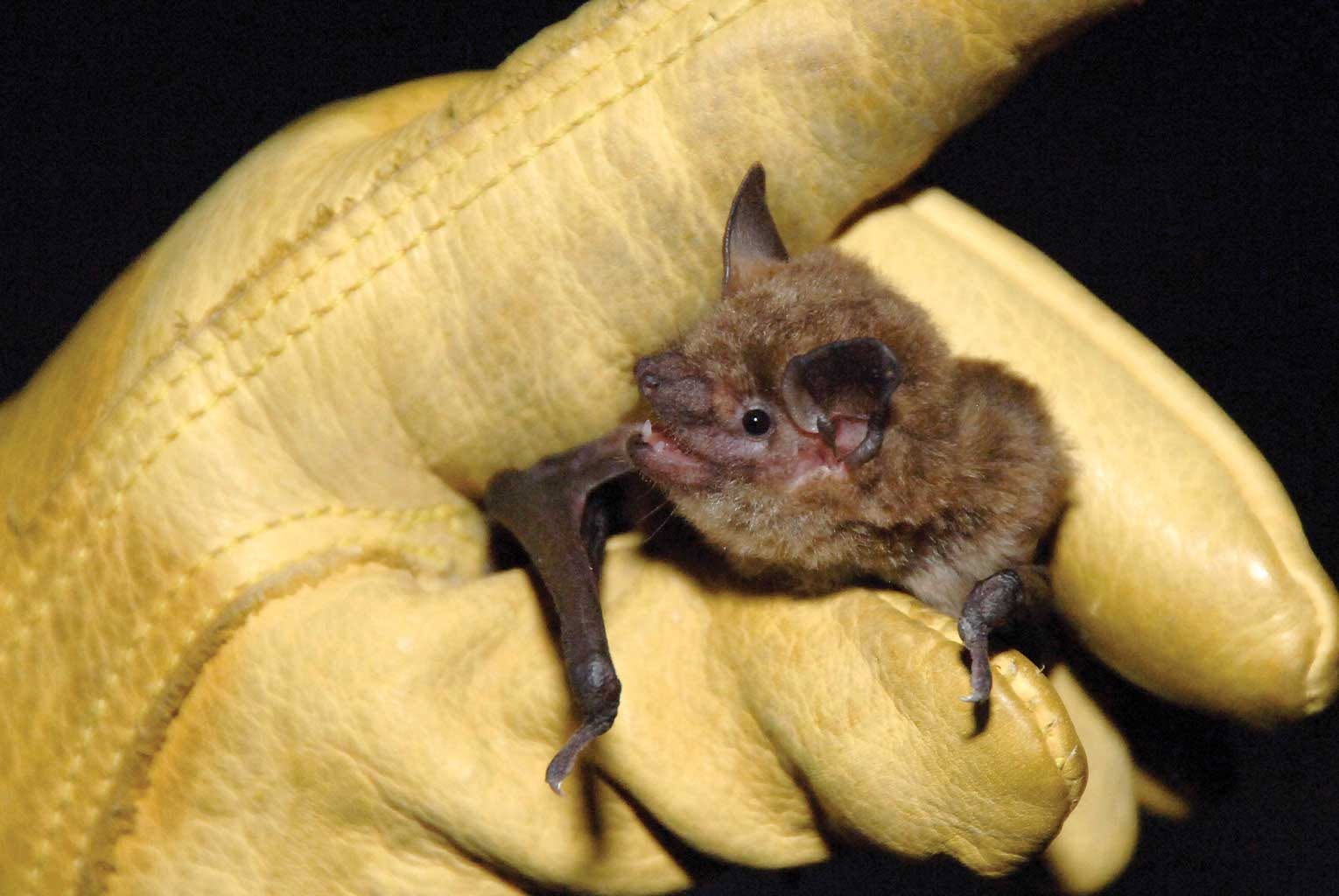
- The Pocketed Free-Tailed Bat (Nyctinomops femorosaccus)
- Various species of Mouse-Eared Bats (Myotis spp.)
These species emerge from the vast network of historic mine shafts and natural caves riddling the Black Hills of Yavapai County.
Event Logistics and Accessibility
The Bat Walk features an educational presentation followed by a guided night walk covering more than a mile of smooth, accessible terrain. Due to the nocturnal nature of the event, organizers request that all participants bring a red-light flashlight or headlamp. Red light is highly recommended because it preserves human night vision and is far less disruptive to the bats’ hunting and echolocation behaviors than standard white light.
The event is fully Americans with Disabilities Act (ADA) accessible and open to nature enthusiasts of all ages. However, because of the specialized equipment and the sensitive nature of nocturnal wildlife viewing, registration is strictly limited. Admission is $8 per person, and pre-registration is required through the official state parks website at azstateparks.com/jerome. Interested parties can also obtain more information by contacting the park directly at 928-634-5381.
Chronology: Seasonal Cycles, Historical Milestones, and Event Timeline
Understanding the behavior of Arizona’s bats requires looking at their activities through both short-term event timelines and long-term seasonal and historical chronologies.
The Night of the Event: Saturday, Sept. 26
- 6:15 p.m. – Gates open at Jerome State Historic Park. Visitors gather outside the historic Douglas Mansion, adjusting their red flashlights and preparing for the evening.
- 6:30 p.m. – Brenda Vento begins her introductory presentation, showcasing bat biology, rehabilitation stories, and the ecological roles of local species.
- 7:15 p.m. – As civil twilight fades into complete darkness, the guided walk commences. Biologists and park staff use ultrasonic bat detectors to translate the bats’ high-frequency echolocation calls into audible clicks and visual sonograms for the audience.
- 8:00 p.m. – The walk concludes with a Q&A session, emphasizing how homeowners can safely coexist with bats.
[6:15 PM: Gates Open] ──> [6:30 PM: Presentation by Brenda Vento] ──> [7:15 PM: Guided Walk & Acoustic Tracking] ──> [8:00 PM: Q&A & Event Wrap-up]The Seasonal Chronology of Arizona’s Bats
The timing of the late-September Bat Walk is highly strategic. It aligns with a critical transitional phase in the annual life cycle of southwestern bats:
- Spring (March – May): Migratory species, such as the nectar-feeding lesser long-nosed bats and insectivorous Mexican free-tailed bats, arrive in Arizona from their wintering grounds in Mexico, following the "agave corridor" of blooming desert plants.
- Summer (June – August): Maternity colonies form. Female bats gather in roosts to give birth to a single pup. During this time, energy demands are highest, and insect consumption peaks.
- Late Summer (August 29): International Bat Night is celebrated globally. Biologists use this window to conduct intensive population surveys and public outreach campaigns.
- Autumn (September – October): Pups are fully fledged and hunting on their own. Migratory bats begin preparing for their journey back south, while non-migratory species seek out stable hibernacula (caves and mines with constant, cool temperatures) for the winter. The September 26 event catches local populations at their peak activity before hibernation or migration begins.
Historical Conservation Milestones
- 2002: The last year of regular, documented captures of the elusive Underwood’s mastiff bat (Eumops underwoodi) in Arizona for nearly two decades.
- 2023: Biologists successfully capture and collect biological data on an Underwood’s mastiff bat in southern Arizona, marking the first successful physical documentation of the species in the state in over twenty years.
- 2025: In a landmark discovery for southwestern biodiversity, biologists officially confirm the presence of the federally protected Mexican long-nosed bat (Leptonycteris nivalis) in southeastern Arizona, adding a new species to the state’s biological inventory.
Supporting Data: Ecological Diversity and Economic Value
Arizona’s unique geography—ranging from low-altitude Sonoran deserts to high-altitude ponderosa pine forests—makes it an ideal habitat for flying mammals.
The Diversity Leaderboard
With 29 distinct species of bats, Arizona ranks second in the United States for bat diversity, trailing only Texas. This diverse lineup includes bats of all shapes, sizes, and ecological niches:
| Species Common Name | Scientific Name | Key Characteristics | Diet |
|---|---|---|---|
| Pocketed Free-Tailed Bat | Nyctinomops femorosaccus | Shallow "pockets" on its ears; grooved ears. | Insects (moths, beetles) |
| Mexican Long-Nosed Bat | Leptonycteris nivalis | Elongated muzzle, brush-tipped tongue; federally protected. | Nectar and pollen (agave, cacti) |
| Underwood’s Mastiff Bat | Eumops underwoodi | Massive 22-inch wingspan; largest bat in the U.S. | High-flying insects |
| Pallid Bat | Antrozous pallidus | Large, pale ears; immune to scorpion venom. | Ground-dwelling arthropods |
The Multi-Billion Dollar Insect Suppression System
Bats are not just biological oddities; they are a cornerstone of the agricultural economy. Worldwide, insectivorous bats act as a natural, chemical-free pesticide system.
- Pest Control Value: According to peer-reviewed agricultural studies, bats save the United States agricultural sector an estimated $3.7 billion to $53 billion annually by reducing crop damage and pesticide application costs.
- Individual Consumption: A single insectivorous bat can consume its body weight in insects every single night. For a pregnant or lactating female, this can equal up to 4,500 mosquito-sized insects per night.
- Disease Suppression: By consuming vast quantities of mosquitoes, midges, and agricultural pests like the cotton bollworm moth (Helicoverpa armigera), bats directly suppress vector-borne diseases that affect both humans and livestock.
Official Responses: Insights from Wildlife Experts
State wildlife officials and researchers are working tirelessly to shift public perception away from old horror-movie tropes and toward scientific appreciation.
Angie McIntire, the Statewide Bat Specialist for the Arizona Game and Fish Department, emphasizes the extraordinary evolutionary engineering of these creatures:
"Bats are some of the most fascinating creatures—imagine being able to fly at speeds of up to 100 mph while avoiding obstacles and simultaneously hunting tiny insects by shouting into space. The mental acuity required to process so much information is astounding."
McIntire also addresses the persistent public health concerns that have historically plagued bat populations:
"Although public perceptions are changing, many people still believe that most—or all—bats have rabies, which couldn’t be farther from the truth. A bat on the ground should never be handled, but bats that are flying and doing normal ‘bat things’ don’t pose a danger to people."
To combat these myths, the AZGFD Wildlife Viewing program hosts seasonal bat nettings, public educational forums, and online webinars designed to bring people face-to-face with these animals in a safe, controlled setting.
Implications: Conservation Challenges, Climate Change, and Public Policy
While Arizona remains a haven for bats, the future of these flying mammals hangs in a delicate balance. The intersection of human development, environmental shifts, and biological diseases presents a complex matrix of challenges for conservationists.
       [Threat: Habitat Loss] ──────────┐
       [Threat: Climate & Drought] ─────┼──> [Vulnerable Bat Populations]
       [Threat: White-Nose Syndrome] ───┘
The Threat of White-Nose Syndrome (WNS)
Perhaps the most pressing biological threat to North American bats is White-Nose Syndrome, a devastating disease caused by the cold-loving fungus Pseudogymnoascus destructans.
- How it works: The fungus grows on the muzzle, ears, and wings of hibernating bats. It causes them to wake up more frequently during winter hibernation, rapidly burning through their critical fat reserves and leading to starvation and dehydration.
- The Impact: Since its discovery in New York in 2006, WNS has killed millions of bats across North America, wiping out up to 90% to 100% of populations in some eastern caves.
- Arizona’s Defense: While the fungus has been detected in parts of the West, AZGFD and its partners are actively monitoring caves and roosts, using genetic testing and acoustic surveys to identify early signs of the disease and implement strict decontamination protocols for researchers and cavers.
Climate Change and the Southwestern Drought
In the arid Southwest, water is life. Bats must drink on the wing, skimming the surface of pools, stock tanks, and rivers to scoop up water without stopping.
- Water Scarcity: Prolonged drought conditions dry up natural springs and stock tanks, forcing bats to fly further to find water, which drains their energy reserves.
- Impact on Food Sources: Drought also triggers declines in insect populations and reduces the flowering success of agaves and saguaros, directly impacting both insectivorous and nectar-feeding bat species.
Habitat Encroachment and Abandoned Mines
The very historical features that make Jerome famous—its abandoned mines—present a double-edged sword for bat conservation.
- Artificial Sanctuaries: As natural caves are disturbed by human exploration, abandoned mine shafts have become vital secondary roosts for bats.
- Mitigation Efforts: When federal and state agencies seal old, dangerous mines for public safety, they must carefully survey them first. If bats are present, conservationists install specialized "bat gates." These heavy steel grates prevent human entry while allowing bats to fly freely through the bars, preserving critical roosting habitats.
The Path Forward
Events like the Jerome Bat Walk represent the frontline of modern wildlife conservation. By bridging the gap between scientific research and public awareness, biologists hope to foster a community of advocates who understand that protecting bats is not just about saving an individual animal—it is about securing the health of the entire southwestern ecosystem.
