

Main Facts
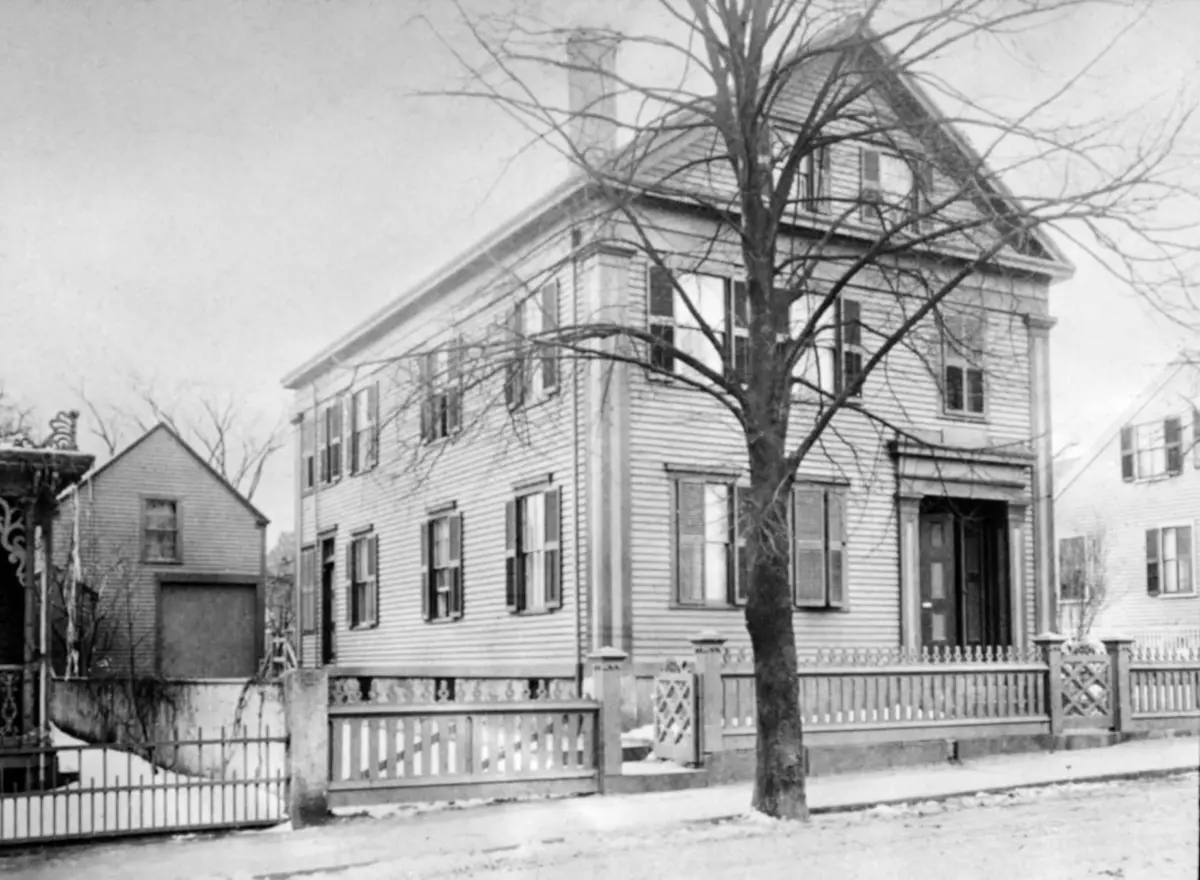
At 230 Second Street in Fall River, Massachusetts, stands a modest, Greek Revival–style home built in 1845. Outwardly, it could pass for a quaint bed-and-breakfast, draped in its historically accurate, muted army-green siding. In reality, it is a monument to one of the most chilling, enduring unsolved murders in American history. On the morning of August 4, 1892, Andrew and Abby Borden were brutally bludgeoned to death with a hatchet inside this very residence.
Their 32-year-old unmarried daughter, Lizzie Borden, stood trial for first-degree murder in a sensationalized legal proceeding that captivated the nation. Despite a staggering lack of alternative suspects—only Lizzie and the family maid, Bridget Sullivan, were on the property at the time—an all-male 19th-century jury ultimately acquitted her. The crime has never been legally solved.

Today, the house operates as a dual-purpose commercial entity: a museum preserving a dark chapter of Victorian history and an overnight inn welcoming thrill-seekers, true-crime aficionados, and paranormal investigators. Owned by US Ghost Adventures—which acquired the property in 2021 for approximately $1.9 million—the house embraces its grim legacy with hatchet-themed signage, replica crime-scene mannequins, and optional room upgrades like a foam ax resting on your pillow.
This deep dive into the Borden residence coincides with the premiere of Netflix’s Monster: The Lizzie Borden Story, the latest installment in Ryan Murphy’s high-profile true-crime anthology series. Murphy’s dramatization brings renewed cultural attention to the property, proving that 130 years later, the public’s appetite for the Borden tragedy remains insatiable.

Chronology of a Tragedy and Its Afterlife
To understand the enduring weight of 230 Second Street, one must look back at the timeline of events that transformed a wealthy local family into folk villains and campfire legends.
- August 4, 1892: The double murder takes place in broad daylight. Abby Borden is attacked first upstairs in the guest bedroom while tidying up after her visiting brother, John Morse. Sometime later, Andrew Borden is ambushed and hacked to death while resting on a sofa in the downstairs sitting room.
- August 1892–June 1893: The investigation and subsequent trial unfold amid a media circus. The community and the courts grapple with the unthinkable notion that a polite, churchgoing woman could commit patricide and step-matricide.
- June 20, 1893: Lizzie Borden is acquitted by the jury, leaving the murders officially unsolved. Following the trial, Lizzie and her sister Emma inherit their father’s estate, sever ties with the Second Street home, and move to a more affluent neighborhood in Fall River.
- 1996: After decades of private ownership, the house opens its doors to the public as a house museum, allowing curious visitors to step inside the preserved layout of the 19th-century crime scene.
- 2021: Lance Zaal, founder of US Ghost Adventures, purchases the property for roughly $1.9 million, leaning into its commercial viability as a haunted historic destination.
- Present Day: The house continues to function as an inn and museum. It garners a fresh wave of pop-culture notoriety with the release of Ryan Murphy’s Monster: The Lizzie Borden Story, starring Ella Beatty as Lizzie and Vicky Krieps.
Supporting Data and Architectural Realities
While pop-culture adaptations often inject sensationalized fiction into the narrative—such as recurring dramatic tropes speculating about a secret romance between Lizzie and the maid, Bridget, for which no historical evidence exists—the physical architecture of the home tells a grounded, grim story.
.jpg)
Visitors to the house are met with meticulous historical restorations mixed with modern hospitality touches. Lance Zaal has overseen projects to restore the home’s 19th-century fence and conduct paint analyses to match the original Borden-era aesthetic. Yet, the interior preserves the tight, narrow hallways and steep staircases that the family navigated over a century ago.
Key architectural and historical data points regarding the property include:

- Property Scale: A six-bedroom, three-story residence featuring distinct zones where the murders occurred.
- Frugal Infrastructure: Despite Andrew Borden’s substantial wealth and ownership of multiple properties, he was notoriously tightfisted. He forewent indoor plumbing—which was available at the time—leading to tension within the household and prompting the eventual conversion of several spaces, including Andrew’s office, into modern bathrooms.
- Preserved Layout: The sitting room where Andrew’s body was discovered still features a replica couch, complete with a cloth-draped mannequin to mark the spot. Upstairs, the John Morse room houses a similar mannequin representing Abby Borden, though staff respectfully remove it when overnight guests check in.
- The Basement: Perhaps the most chilling physical artifact remains in the cellar directly beneath the sitting room, where original stains linger on the wooden ceiling beams—a grim visual reminder of the violence that transpired above.
Official Responses and Preservation Ethics
Managing a historic home defined by a brutal, unsolved double homicide presents a delicate ethical tightrope. For operators like Lance Zaal, the challenge lies in balancing commercial entertainment with historical integrity.
When Zaal took over the property, public perception leaned heavily toward rowdy paranormal gatherings, seances, and ghost-hunting spectacles. In response, management pivoted to emphasize education, property restoration, and historical preservation.

"In the beginning, I really tried to control our perception. A lot of people think that me or my company, just because we’re called US Ghost Adventures, that we’re all about just the ghosts, but our focus is on history," Zaal explains. "We’re trying to also make history fun and interesting. You have to strike a balance with places with difficult history… At the end of the day, it’s all about serving the customer. First, it’s about the integrity of the story, and preserving the property, and then it’s about making sure that the people learn something, and that they enjoy their time."
Despite these noble intentions, the tourist experience retains a distinctly playful, macabre edge. Guests can pay a modest $30 add-on to have a foam ax or a haunted-looking doll—such as "Lily," marketed online as a protector and tormentor—placed on their pillows. The gift shop does brisk business selling "I survived" T-shirts and novelty souvenirs.

Local historians and preservationists argue that this commercialization is merely a continuation of a 130-year-old tradition. The Borden case was a media circus from day one, drawing sightseers to 230 Second Street before investigators could even seal the perimeter.
Implications: The Enduring Appeal of True Crime
The enduring fascination with the Lizzie Borden house points to a broader cultural appetite for true crime and historical mythology. In an era dominated by streaming platforms and serialized anthologies like Netflix’s Monster, historical tragedies are continuously repackaged for modern consumption.

Lizzie Borden has long since transcended her historical reality as an accused murderer, evolving into a folk villain immortalized by a grim nursery rhyme. Whether visitors come driven by a genuine passion for 19th-century New England history, a desire to hunt for ghosts using dousing rods and spirit boxes, or simply a morbid curiosity sparked by Hollywood adaptations, the house satisfies a deep psychological need to confront the macabre up close.
As night falls over Fall River and the digital buzz of Ryan Murphy’s latest television venture plays out across screens worldwide, the Lizzie Borden House remains a lightning rod for human curiosity. Standing in the quiet stillness of the upper-floor bedrooms, surrounded by floral wallpaper and the ghosts of a century-old mystery, it becomes clear that the home is more than just a hotel or a museum. It is a living testament to humanity’s eternal, uneasy obsession with the dark unknown.
