

BERLIN — Walking the sprawling exhibition halls of IFA Berlin, officially an acronym for Internationale Funkausstellung but now widely framed under the banner of "Innovation For All," reveals a technological landscape undergoing a profound metamorphosis. While traditional mainstays of the massive consumer electronics show—such as high-end entertainment systems, mobile devices, and AI-enabled smart home gadgets—continued to command heavy foot traffic, a parallel and arguably more consequential revolution took center stage: cleantech and sustainable engineering.
From global automotive players launching long-awaited European expansions to nimble startups tackling agricultural waste and urban plumbing challenges, the first days of IFA Berlin 2026 illustrated that sustainability is no longer treated as a niche design constraint. Instead, it is rapidly becoming the core engine driving product differentiation, consumer appeal, and industrial design.
Main Facts: The Intersection of Consumer Tech and Sustainability
The overarching narrative of IFA Berlin was clear: solving environmental crises at scale requires aligning green technology with direct consumer desires, whether that means high-performance electric vehicles, effortless home maintenance, or resilient domestic energy storage.
Among the high-profile announcements dominating the exhibition floor, several key developments underscored this shift:

- Xiaomi’s European EV Push: Tech giant Xiaomi staked a massive claim at the convention, announcing plans to bring its highly sought-after SU7 electric sedan lineup and YU7 SUV to Europe next year.
- Lesstics’ Coconut Innovation: Philippine startup Lesstics showcased its proprietary "Earth Board," converting agricultural waste from tropical coconut husks into structural, fire-retardant building material.
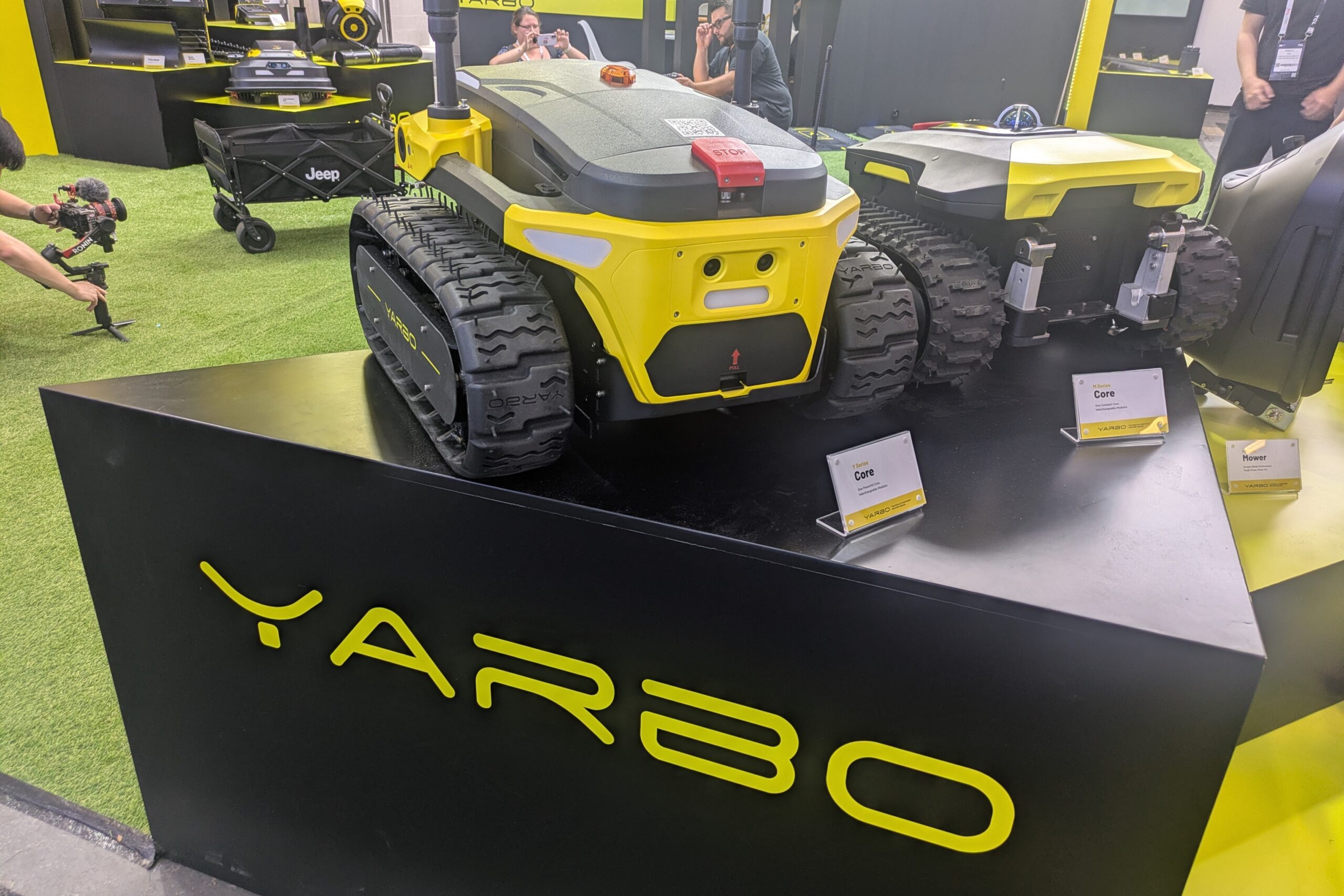
- Yarbo’s Robotic Yard Care: Robotics firm Yarbo expanded its automated property maintenance lineup with a new, compact M-series tailored for multi-acre properties, offering a low-emission alternative to traditional gas-guzzling lawn equipment.
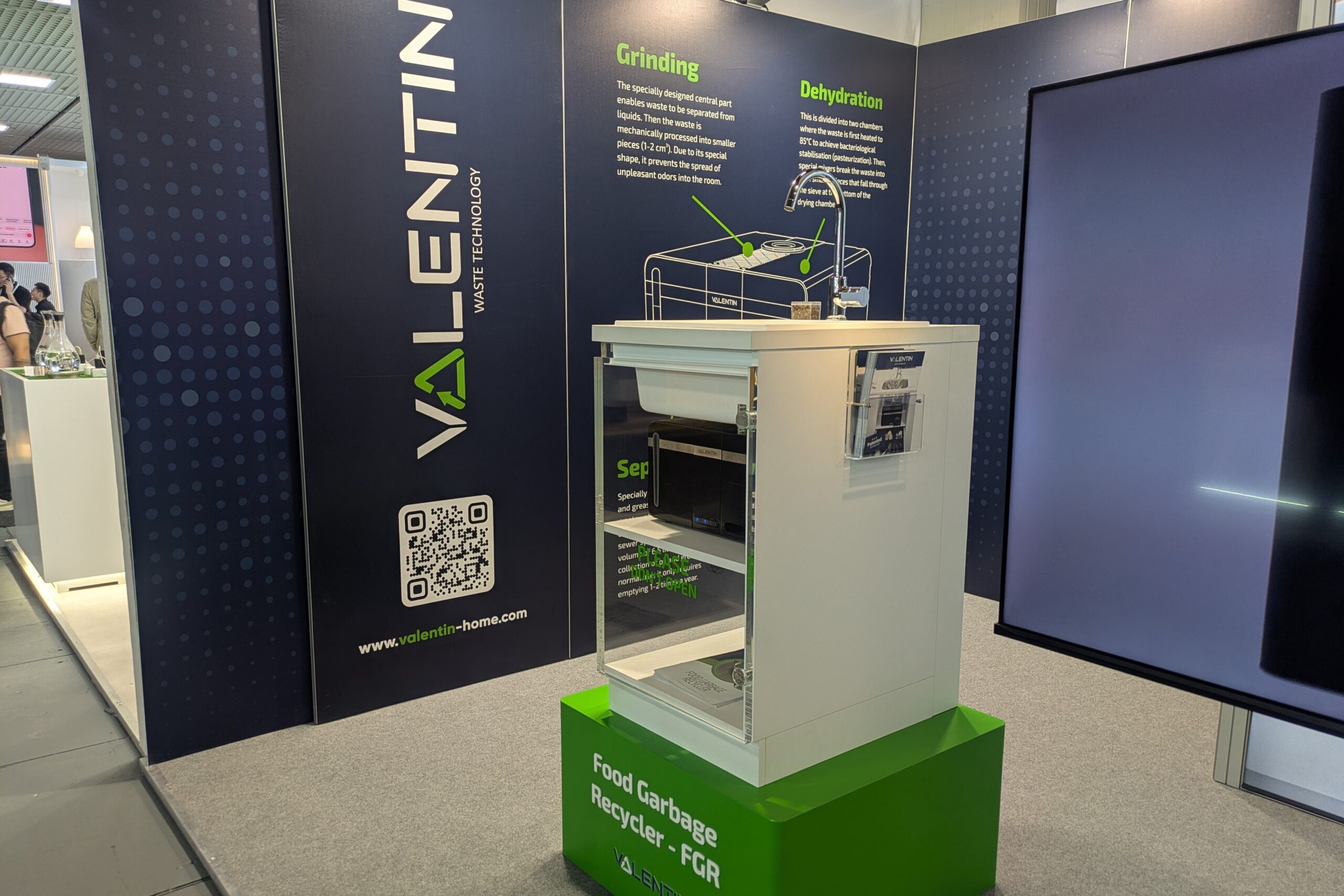
- Valentin’s Kitchen Sink Filtration: Slovenian startup Valentin introduced an under-sink system that separates and dries organic kitchen waste while capturing grease, preventing urban sewer "fatbergs" and cutting down on municipal wastewater methane emissions.
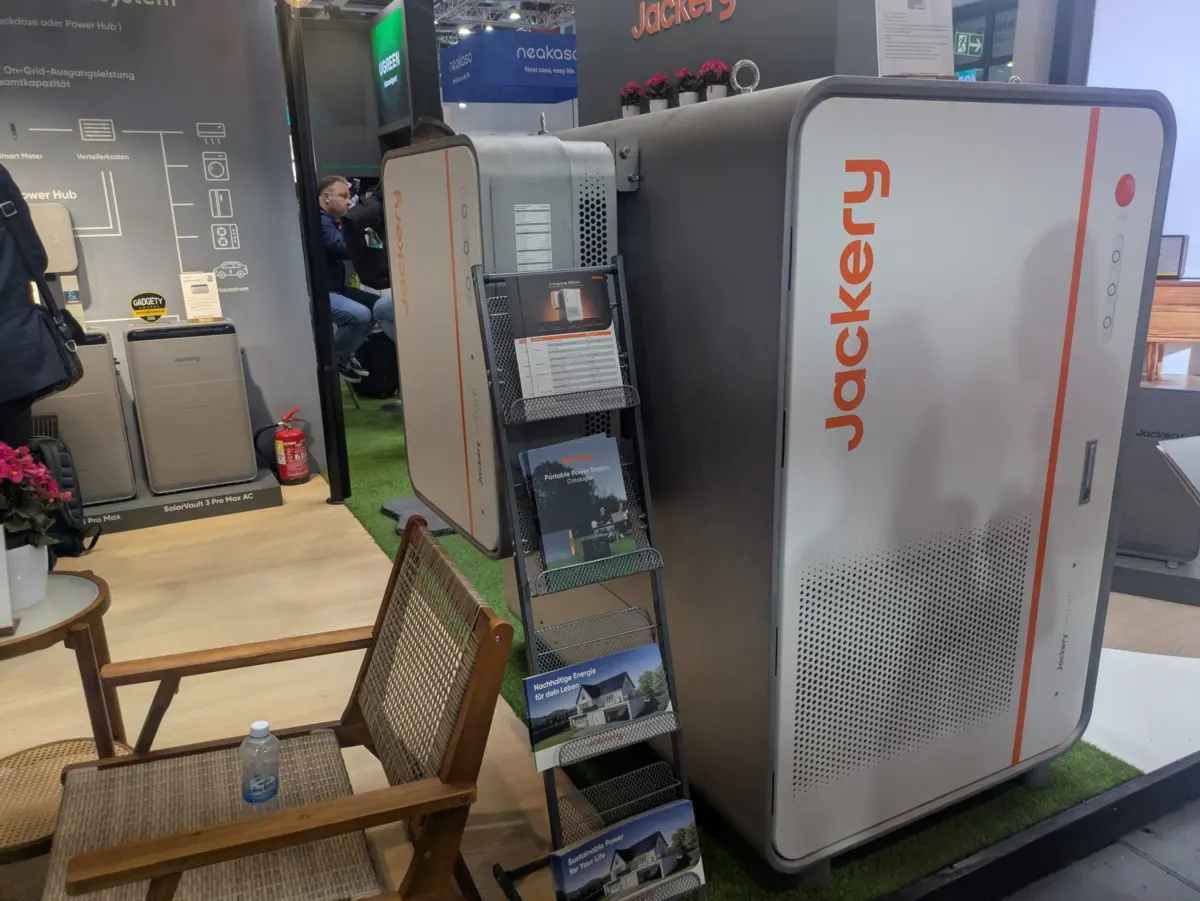
- Jackery’s Comprehensive Storage Ecosystem: Portable power leader Jackery unveiled major updates to its portfolio, ranging from high-efficiency home balcony storage and the industrial-scale Energycore 100kWh system to enhanced safety protocols and disaster-resilience features developed in collaboration with the American Red Cross.
Chronology: A First-Hand Look at the Show Floor
On the opening day of the exhibition, a deliberate walk through the varied pavilions revealed a distinct dichotomy between massive corporate ecosystems and agile, localized problem-solvers.
The morning kicked off at the colossal Xiaomi booth, which served as one of the physical and psychological anchors of the show. Crowds gathered tightly around the glossy finishes of the SU7, SU7 Max, and SU7 Ultra sedans, while the robust YU7 SUV sat staged just outside the main hall. Representatives confirmed that regulatory approvals are currently pending for the European market rollout next year, which will also activate the vehicles’ advanced LiDAR-powered intelligent driving suites.
Moving away from the automotive heavyweights and into the startup incubators later that morning, attention shifted to materials science and urban infrastructure. Lesstics’ booth drew steady interest with physical demonstrations of Earth Board, presenting a tangible circular economy solution for a region—Southeast Asia—historically starved for sustainable, locally sourced lumber alternatives.
By midday, the focus turned toward automated outdoor efficiency at Yarbo’s display, where live demonstrations of the modular robotic tracks highlighted how heavy-duty property maintenance can be achieved without the noise, pollution, and physical toll of traditional lawn equipment.

The afternoon brought underground infrastructure into sharp focus at Valentin’s exhibition space, where engineers explained the micro-mechanics of under-sink waste separation. Finally, the day concluded with an in-depth look at Jackery’s sprawling technological showcase, anchored by an exclusive walk-through of their latest energy storage innovations and an executive briefing on the future of consumer-centric cleantech.
Supporting Data & Technological Breakdown
Behind the sleek marketing and sleek industrial designs lie complex engineering achievements that make these products viable alternatives to incumbent, polluting technologies.
Xiaomi’s "Human x Car x Home" Ecosystem
The technical integration of Xiaomi’s upcoming European vehicle lineup goes beyond mere transport; it represents an attempt to merge mobility with the Internet of Things (IoT). The SU7 series incorporates cutting-edge cabin technology, most notably an AI Spatial Interaction sensor that utilizes gesture-based controls. This minimizes driver distraction by reducing reliance on physical touchscreens. Coupled with high-density battery architectures and roof-mounted LiDAR sensors destined for activation upon 2027 regulatory clearance, the vehicles are engineered to integrate seamlessly into a broader ecosystem of mobile devices and smart home appliances.
Lesstics Earth Board: Engineering Tropical Waste
In many tropical agricultural economies, coconut husks represent an intractable waste management burden, frequently disposed of through open burning—a significant source of localized air pollution. Lesstics addresses this by engineering Earth Board, a structural building alternative that bridges the performance gap between particle board and Oriented Strand Board (OSB).

- Mechanical Integrity: While maintaining the smooth surface uniformity of particle board, the longer natural fibers of the coconut husk provide high structural strength akin to OSB.
- Chemical Safety: The material utilizes a proprietary bio-based polyurethane binder, successfully eliminating the formaldehyde emissions traditionally associated with standard plywood manufacturing.
- Physical Resilience: Independent testing showcased by the startup indicates that the boards are naturally fire-retardant, water-resistant, sound-absorbing, and insulating. Furthermore, because it utilizes agricultural byproduct rather than harvested lumber, it circumvents the supply and protection constraints surrounding traditional softwoods like pine in regions such as the Philippines.
Yarbo: Scaling Robotic Electrification
Lawn care and property maintenance have long remained blind spots in the electrification movement. While electric push-mowers and leaf blowers exist for small suburban yards, scaling up to multi-acre properties has typically demanded heavy, expensive commercial electric machinery or polluting, high-emission small gas engines. Yarbo’s automated robotic framework alters this economic and environmental calculus:
- Operational Endurance: Rather than relying on massive torque and high energy bursts to complete a job quickly, Yarbo’s machines operate autonomously and continuously throughout the week.
- Capacity: The compact M-series can independently mow up to 1.5 acres per day, easily covering multi-acre properties over the course of a week without human supervision.
- Rapid Energy Turnaround: To eliminate operational downtime, the systems feature high-speed wireless charging capability, restoring battery capacity from 10% to 90% in just 65 minutes. Dual-track designs ensure traction in adverse weather, while integrated LiDAR elevates navigation safety during autonomous runs.
Valentin: Combating Urban "Fatbergs"
Kitchen wastewater management is rarely considered an environmental battleground, yet municipal sewer networks face severe threats from cooking oils and organic refuse. Congealed fats create massive underground blockages known as "fatbergs," which frequently cause sewage overflows into natural waterways. Chemical drain cleaners used to clear these clogs erode pipes and risk structural leaks, while organic waste routed to sewage treatment plants generates methane—a potent greenhouse gas.
- The Under-Sink Solution: Valentin’s compact mechanical unit mounts directly beneath standard kitchen sinks, separating fats and organic matter at the point of origin.
- Circular Byproducts: Collected organic solids are systematically dried inside the sealed unit, transforming into nutrient-rich fertilizer ready for retrieval every few weeks. Exhaust gases are vented safely through existing household plumbing stacks to eliminate odors. Meanwhile, separated cooking oils are consolidated for straightforward solid-waste disposal every few months, mitigating pipe corrosion and easing the burden on municipal treatment infrastructure.
Jackery: Redefining Portable and Stationary Energy Storage
As recognized by recent Frost & Sullivan research naming Jackery the world’s leading solar generator brand by volume and revenue, the company’s market dominance is increasingly built around rigorous safety frameworks and modular scalability.
- FortiShield Safety System: Introduced at IFA Berlin, this architecture represents a comprehensive 7-layer security framework engineered to safeguard portable and stationary lithium-based power units against thermal runaway, electrical surges, and operational failures.
- Weight and Size Optimization: In the portable sector, the Explorer 2000 Plus V2 achieves a major redesign, boasting increased power outputs while shrinking its physical footprint by 12.6% and shedding 22.1% of its weight compared to its predecessor. Similarly, the Explorer 1000 Plus reduced its dimensions by 25% and its weight by 9%.
- Grid-Scale and Resilience Solutions: For whole-home and agricultural applications, the new liquid-cooled Energycore 100kWh energy storage system delivers 100 kW of power with a UPS-like 10-millisecond switchover speed, bridging the gap between residential battery backups and heavy commercial installations. Additionally, the disaster-focused American Red Cross Explorer 2000 Plus V2 integrates automated Storm Warning and Emergency Reserve modes tailored for a climate-vulnerable world.
Official Responses and Executive Insights
The underlying philosophy guiding modern cleantech development was brought into sharp relief during an extensive, behind-the-scenes discussion with Jackery founder and CEO Jack Sun on the sidelines of the exhibition.
Reflecting on the trajectory of sustainable technology, Sun emphasized that the future of the industry depends entirely on empathetic product design. Too often, historical cleantech paradigms have expected consumers to compromise on convenience, aesthetics, or financial feasibility in the name of ecological stewardship.
"The core of innovation is not simply making things greener; it is about deeply understanding customer pain points and engineering total solutions that make living sustainably the most natural, comfortable choice possible," Sun noted during the executive briefing.
This sentiment resonated across all featured innovations at IFA Berlin. Whether evaluating Xiaomi’s push to make electric driving desirable to automotive enthusiasts through design and intuitive AI, Lesstics offering a cheaper and superior building material derived from agricultural waste, or Valentin eliminating the unpleasant chores of manual sink strainers and loud garbage disposals, the underlying trend is unmistakable.
Official corporate messaging from participating startups and multinational enterprises alike pointed toward a unified realization: technological sustainability achieves mass market adoption only when it directly improves the end user’s quality of life.
Implications: The Path Forward for Mass-Market Cleantech
The innovations showcased at IFA Berlin 2026 point toward several critical implications for the global transition toward a low-carbon economy:
- Mainstreaming Through Performance: The transition of high-performance electric vehicles from Chinese domestic markets into Europe demonstrates that environmental responsibility no longer requires performance penalties. By pairing zero-emission powertrains with compelling styling, cutting-edge infotainment, and advanced autonomous sensor suites, brands like Xiaomi are successfully converting traditional car enthusiasts.
- The Rise of Circular Infrastructure: Startups like Lesstics and Valentin prove that cleantech is expanding far beyond energy generation and storage into the foundational materials of our built environment and domestic infrastructure. Turning agricultural trash into high-grade building boards or capturing micro-pollutants at the kitchen sink level signals a move toward closed-loop urban design.
- Decentralized Resilience: As climate change accelerates weather disruptions, consumer demand is shifting toward autonomous, reliable energy systems. The scaling of modular residential storage—exemplified by Jackery’s ecosystem ranging from balcony solar vaults to 100kWh farm-scale liquid-cooled units—underscores a permanent decentralization of power grids.
- The User Experience Imperative: Ultimately, the overarching takeaway from Berlin is that consumer fatigue with complex, high-friction "green" products is real. Mass adoption will not be won through moral obligation alone, but through products that solve daily annoyances, lower long-term costs, and elevate domestic comfort. By prioritizing human-centric design, the cleantech sector is transforming environmentalism from an act of sacrifice into an undeniable upgrade.
