

By the Photography & Nature Editorial Desk
Published: February 2025
Main Facts
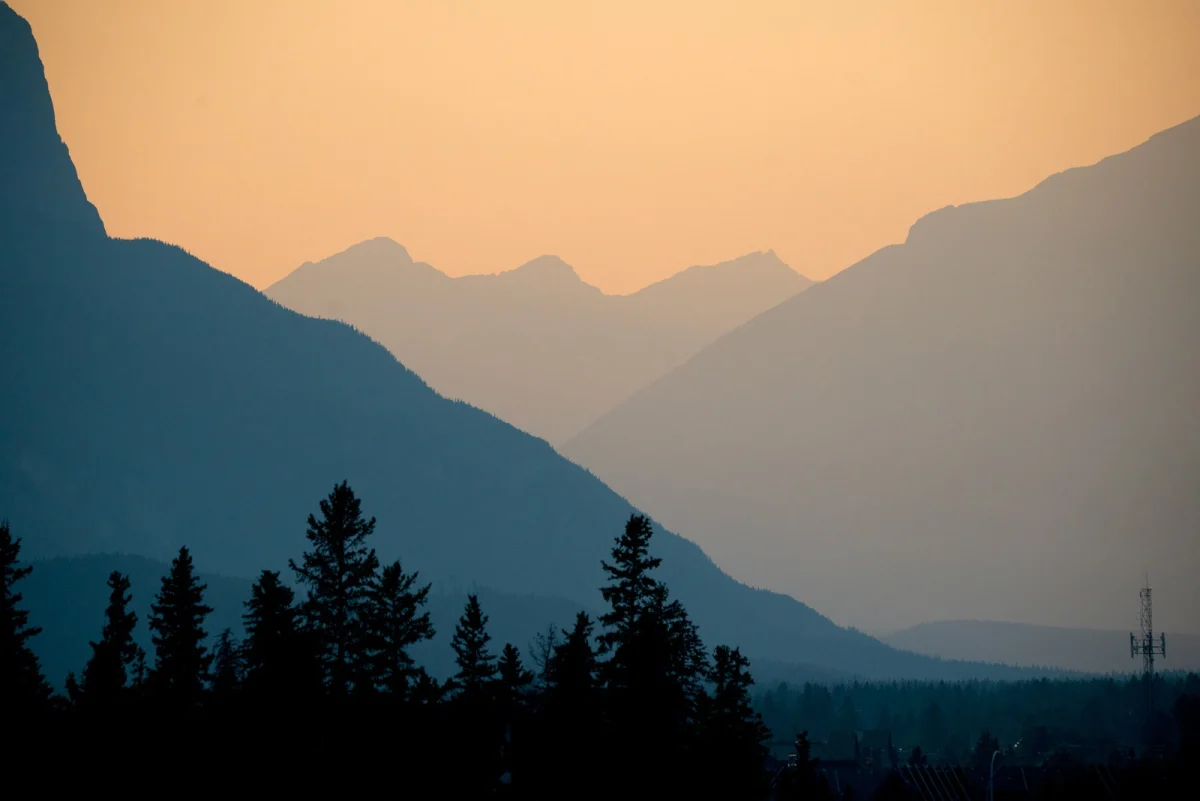
Mastering the manipulation, prediction, and capture of light remains the single most transformative skill a photographer can develop. While camera bodies and glass lenses form the mechanical backbone of modern imaging, light is the vital element that dictates mood, texture, depth, and narrative. Whether capturing the warm, golden hues of a breaking dawn, the deep shadows inside an ancient forest canopy, or the silhouette of wildlife against a setting sun, technical exposure is only half the battle.
To bridge the gap between a standard snapshot and a spectacular portfolio-grade image, photographers must learn to read their environment. This comprehensive masterclass examines how lighting dynamics shift across four major genres of nature photography: wildlife, landscapes, underwater environments, and macro photography. By understanding how light behaves across these distinct physical realms, visual storytellers can consistently elevate their work, regardless of challenging weather or unpredictable subjects.
Chronology
The evolution of photographic lighting has undergone a radical transformation since the invention of the medium, shifting from a technical limitation into an expressive art form.

- The Mid-19th Century (The Era of Limitation): Early photography was entirely dependent on slow, natural sunlight. Because early emulsions required extensive exposure times, photographers like Ansel Adams’ predecessors were at the mercy of bright, mid-day sun, leading to stark contrasts and heavily restricted subject matter.
- The Late 19th to Early 20th Century (Artificial Light Integration): The introduction of flash powder and magnesium-based illumination allowed photographers to push into darker environments—most notably underground caves and nocturnal wildlife habitats. However, this light was harsh, unpredictable, and hazardous.
- The Mid-20th Century (Strobe and Metering Revolutions): The invention of electronic flash tubes and handheld light meters standardized exposure equations. Photographers gained precise control over artificial fill light, allowing for deliberate shadow manipulation in wildlife and macro environments.
- The Digital Revolution (2000s–Present): High ISO capabilities, dynamic range expansions in digital sensors, and advanced mirrorless metering systems have changed how photographers interact with low light. Today, modern nature photographers leverage digital histograms, real-time exposure simulation, and sophisticated off-camera strobe systems to balance ambient and artificial light in extreme environments, from deep ocean trenches to misty mountain peaks.
Supporting Data & Environmental Variables
Light is not a static commodity; it changes continuously based on weather, geography, and atmospheric density. Understanding the physical metrics of light is critical for predictable results:
- Color Temperature (Kelvin Scale): Natural light shifts drastically throughout the day. Sunrise and sunset offer warm tones (2,000K to 3,500K), while overcast days and open shade produce cool, blue-heavy tones (6,000K to 8,000K). Mid-day sun typically hovers around 5,500K (neutral daylight).
- The Inverse-Square Law: Particularly vital in macro and underwater photography, this law dictates that the intensity of light is inversely proportional to the square of the distance from the source. Moving a flash twice as close to a macro subject doesn’t just double the light—it increases it by a factor of four.
- Light Quality (Hard vs. Soft): Direct, uninhibited sun creates harsh shadows with high contrast (common in desert or mid-day savanna shoots). Diffused light—filtered through clouds, mist, or dense foliage—wraps gently around subjects, reducing harsh highlights and revealing subtle textures in fur, feathers, and bark.
- Absorption and Attenuation: In underwater photography, water acts as a massive optical filter. Red wavelengths of light are absorbed within the first 15 feet of the water column, followed by orange, yellow, and green, leaving deep-water environments cast in a monochromatic blue hue unless artificially corrected with strobes.
Official Perspectives and Expert Insights
Professional nature and wildlife photographers emphasize that technical gear is secondary to visual literacy when it comes to lighting.

"The best camera in the world cannot save a poorly lit subject, but an entry-level camera paired with an intimate understanding of natural light will consistently produce breathtaking results," notes wildlife conservation photographer Johan Swanepoel. "Too many beginners wait for the golden hour and then pack their gear away. True mastery comes from knowing how to manipulate harsh light, overcast skies, and deep shadows to tell a compelling story."
Landscape and expedition specialists echo this sentiment, stressing the psychological impact of light on the viewer. "Light evokes emotion before it registers intellectual detail," explains a leading landscape documentation specialist. "A dark, moody forest canopy shot with muted, directional light speaks of mystery and isolation, whereas a sun-drenched alpine meadow communicates vitality and openness. Photographers must learn to match their lighting strategy to the emotional core of their subject."

Implications Across Specialized Genres
1. Lighting in Wildlife Photography
Wildlife does not pose on command. Therefore, wildlife photographers cannot typically reposition their subjects to take advantage of optimal studio lighting. Instead, success relies on anticipation and positioning.
- Backlighting and Rim Light: Placing the sun directly behind a subject (backlighting) creates a luminous "halo" or rim light around fur, hair, and feathers, instantly separating the animal from a dark background.
- Overcoming Harsh Conditions: When shooting under the blazing mid-day sun, photographers often seek out natural gobos (go-betweens) such as tree shadows, or utilize portable diffusers and fill-flash techniques to open up deep eye sockets and underbellies.
2. Lighting in Landscape Photography
Landscape photography requires an intimate relationship with meteorology. Identifying, planning, and adapting to ever-changing atmospheric conditions separates amateur snapshots from professional fine-art prints.

- Dynamic Range Management: High-contrast scenes—such as a bright sky paired with a dark foreground—require specialized tools like graduated neutral density (GND) filters, bracketed exposures, or digital blending techniques.
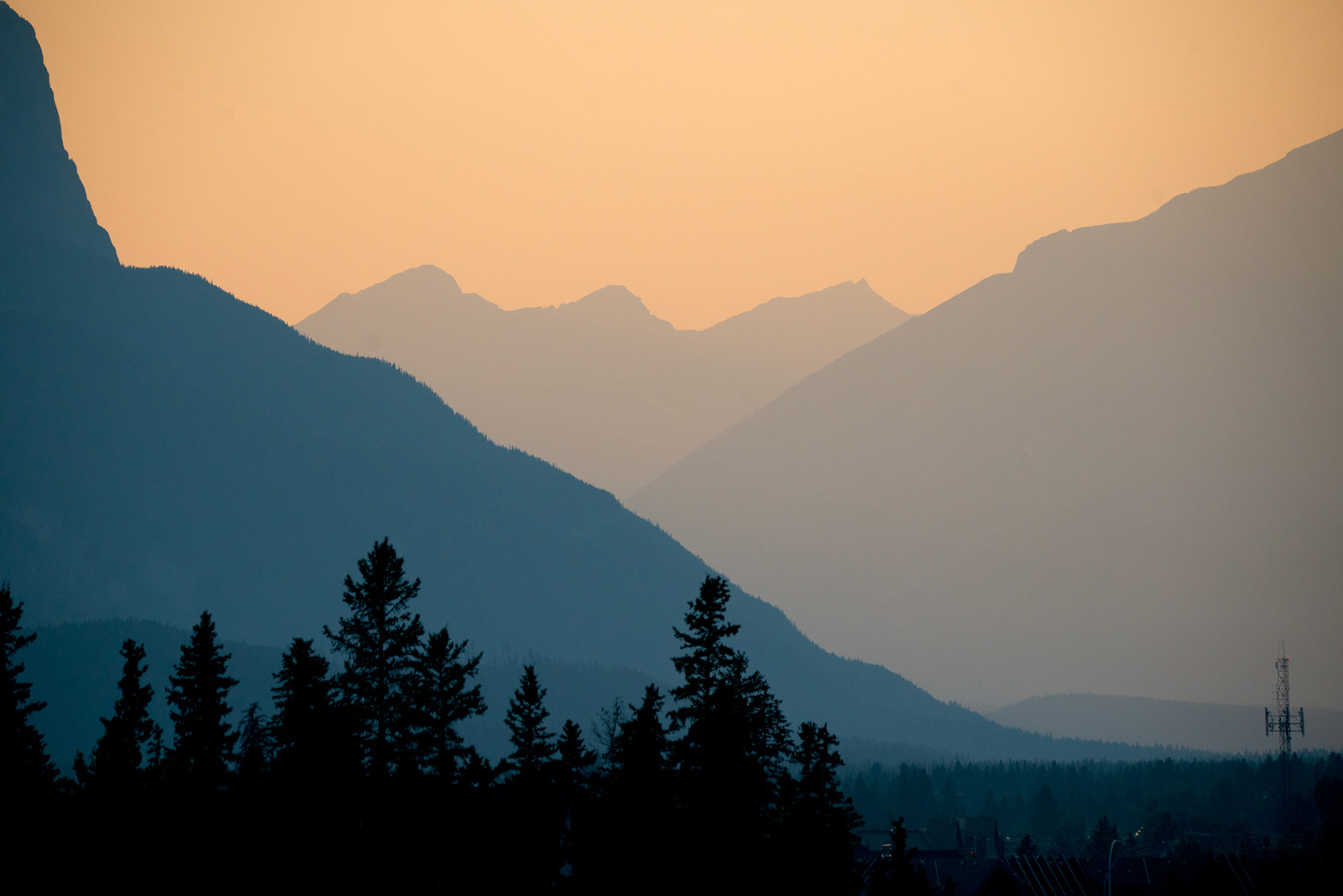
- Utilizing Inclement Weather: Clear blue skies often produce flat, uninteresting landscape images. Storm clouds, rolling mist, and passing rain showers break up uniform light, creating dramatic pools of illumination across valleys and mountain ranges.
3. Lighting in Underwater Photography
Operating beneath the surface introduces extreme optical challenges. As depth increases, water density rapidly strips away color and contrast.
- Ambient vs. Artificial Light: In shallow-water environments rich with ocean giants, natural ambient light can be leveraged creatively (such as shooting upwards toward the surface for dramatic silhouettes). However, deeper dives require dual strobe setups to restore lost color spectra and freeze fast-moving marine life.
- Backscatter Mitigation: A common pitfall for underwater photographers is backscatter—where artificial flash illuminates suspended particles in the water column. Mastering strobe positioning (angling lights outward rather than pointing them straight ahead) is critical for clean images.
4. Lighting for Macro Photography
Whether capturing the intricate compound eyes of an insect or the delicate venation of a fern frond, macro photography operates on a micro-scale where fractions of a millimeter dictate focus and exposure.

- Ring Flashes and Twin-Lites: Because macro lenses require close working distances and narrow apertures (to achieve acceptable depth of field), light entry is severely restricted. Specialized macro lighting systems—such as twin-lites or ring flashes—provide controllable, shadow-free or directional illumination.
- Diffusion is King: Direct flash on shiny chitinous insect bodies creates ugly, blown-out hotspots. Using miniature diffusion panels or homemade diffusion material over flashes softens the light, revealing rich surface textures without harsh glare.
Conclusion
Mastering photographic lighting is a lifelong pursuit that requires patience, technical adaptability, and an artistic eye. Whether you find yourself tracking elusive wildlife across sun-drenched plains, composing sweeping vistas beneath stormy mountain skies, exploring the dark blue depths of the ocean, or peering into the hidden macro universe at your feet, light remains your primary brush.
By applying the principles of directionality, diffusion, color temperature, and exposure control outlined in this guide, photographers can transcend technical hurdles and craft images that resonate deeply with viewers. Embrace the light in all its forms—from the harshest mid-day glare to the softest twilight glow—and let it transform your photographic narrative.
