

By Larry Evans
Main Facts
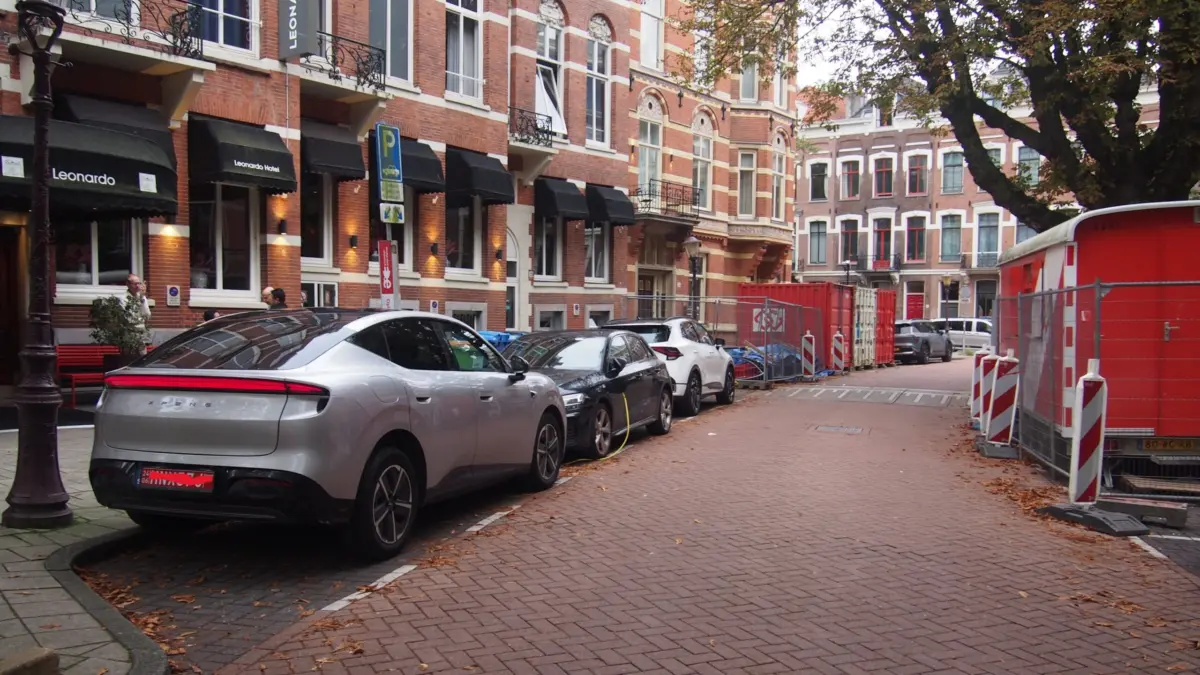
The battle for global dominance in smart mobility has moved past abstract software updates and theoretical artificial intelligence metrics, landing squarely on the chaotic, densely packed cobblestone streets of Europe. In a rigorous, back-to-back real-world test conducted in Amsterdam, two distinct philosophies of vehicle autonomy squared off: the XPENG L03, equipped with its cutting-edge Vision-Language-Action (VLA) 2.0 system, and the Tesla Model 3, running Tesla’s Full Self-Driving (FSD) software.
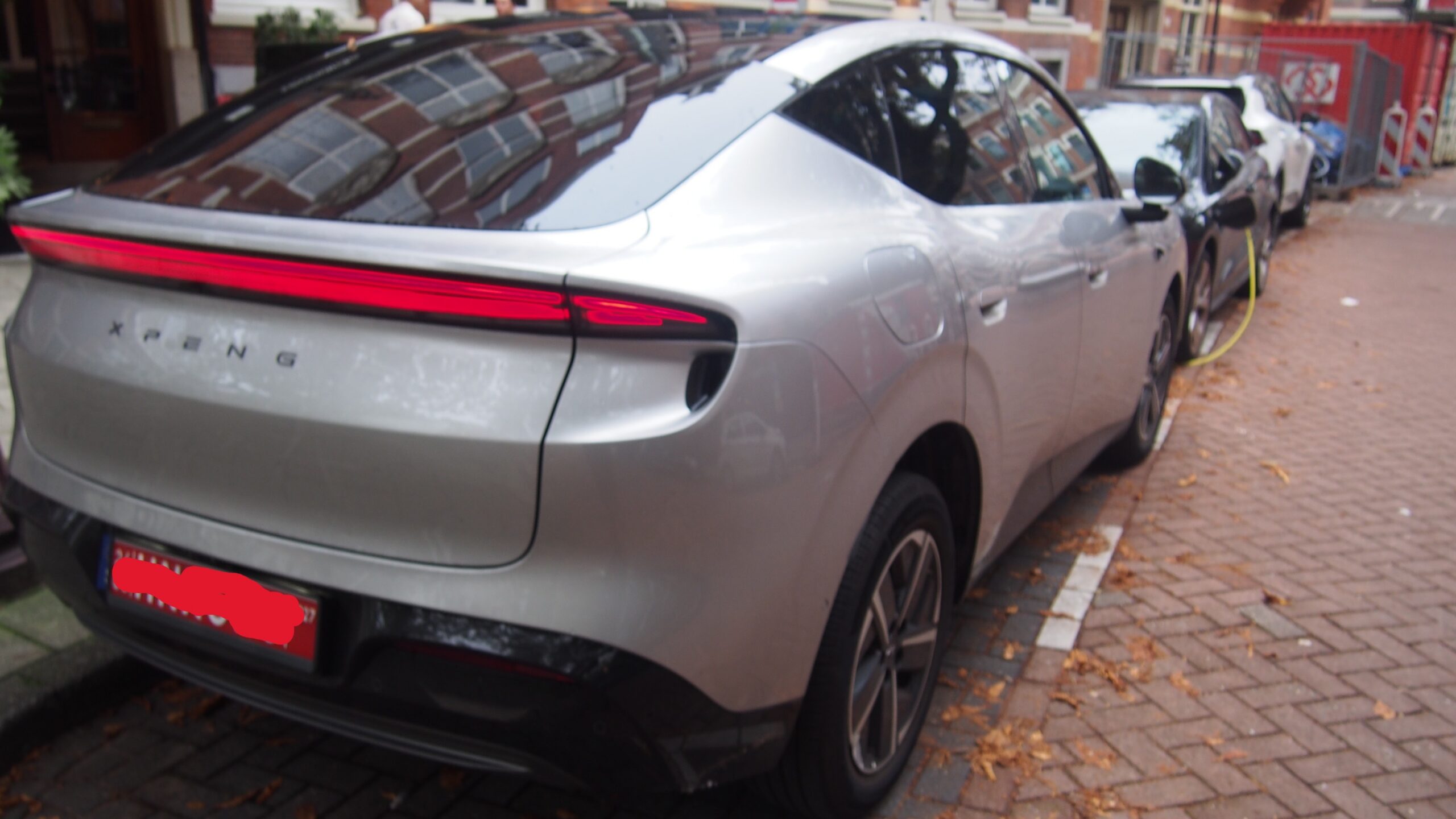
While autonomous driving systems are frequently evaluated in isolation, this comparative analysis reveals that AI architecture is deeply intertwined with fundamental vehicle attributes—including chassis dynamics, cabin acoustics, hardware processing power, regulatory compliance, and ergonomics. The testing ground of Amsterdam provided an unforgiving gauntlet of heavy bicycle traffic, dense pedestrian zones, narrow historic roadways, active construction sites, and chaotic delivery vehicle bottlenecks.
The findings challenge conventional wisdom regarding market leaders. The XPENG L03—leveraging massive onboard computing power, a localized European suspension tune, and a philosophy of "anticipate and act"—demonstrated superior fluidity and nuance compared to the Model 3’s more cautious, reactive "react and correct" paradigm. Beyond software, the L03 also raised questions about interior build quality, thermal-acoustic management, and hardware parity within the increasingly competitive mid-sized electric vehicle segment.

Chronology of the Test Loop
The evaluation took place over a meticulously controlled multi-day testing window in the heart of Amsterdam. To ensure scientific consistency, both vehicles were programmed with identical GPS waypoints, forcing them to traverse the exact same complex urban route.
Phase 1: Morning Transit and Calibration (XPENG L03)
The test cycle for the XPENG L03 commenced shortly after 9:00 AM under heavy morning commuter traffic. Navigating past historic canals and dense urban intersections, the L03’s VLA 2.0 system utilized its localized Turing chips to process the environment in real time. Waypoint navigation was seamless; as the vehicle approached designated target coordinates, transitions to subsequent route segments were entirely imperceptible to the occupants. The vehicle managed active construction zones, complex tram lines, and erratic cyclist movements with an assertive, predictable demeanor.
Phase 2: Afternoon Navigation and Technical Challenges (Tesla Model 3)
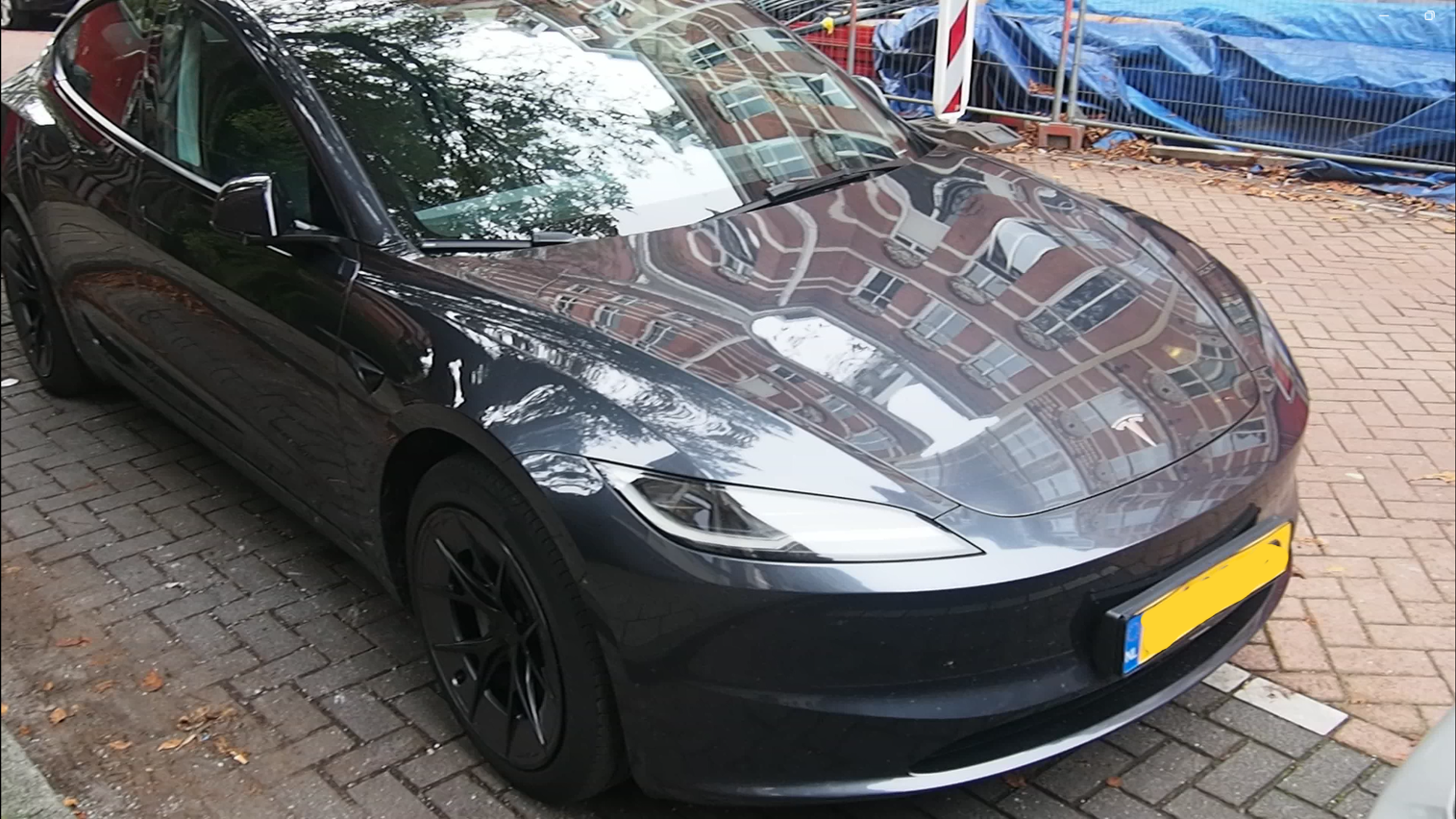
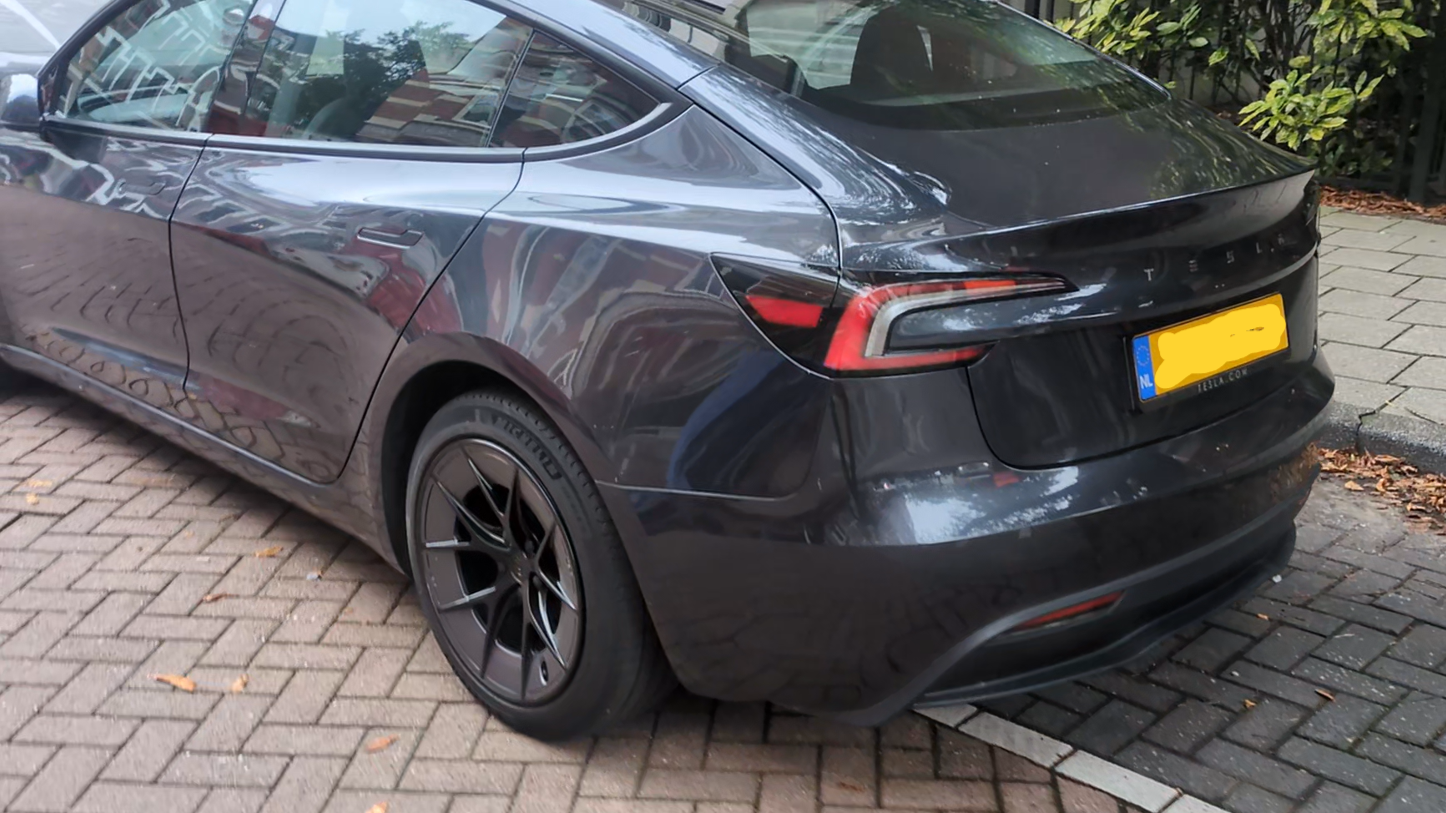
Testing for the Tesla Model 3 encountered initial hurdles due to unforeseen onboard camera calibration difficulties, necessitating a two-lap evaluation. By the time the Model 3 navigated the identical route, traffic patterns had shifted, though the density of Amsterdam’s urban obstacles remained high. Throughout the run, the Tesla displayed operational friction when attempting to clear programmed waypoints. On multiple occasions, the vehicle missed a waypoint, executed an automatic turnaround loop, missed the coordinate a second time, and required manual deletion of the waypoint before FSD could reengage. Construction zones forced several necessary driver takeovers, and the vehicle’s cautious demeanor at intersections occasionally provoked audible expressions of frustration from surrounding motorists.
Supporting Data & Comparative Technical Analysis
To understand why the vehicles performed so differently in the wild, one must examine the underlying hardware, mechanical tuning, and architectural philosophies.
1. Processing Power and AI Architecture
The Ultra trim of the XPENG L03 relies on a proprietary hardware stack featuring three XPENG-developed Turing chips—two dedicated to autonomous driving and one powering the voice control architecture. Each chip delivers 750 TOPS (Tera Operations Per Second) of processing muscle, resulting in a combined 2,250 TOPS. This vastly outpaces Tesla’s HW4 suite, which hovers around an estimated 500 TOPS total.
- Onboard vs. Cloud Computation: XPENG’s high onboard processing density allows complex spatial reasoning and decision-making to happen locally within the vehicle. Conversely, Tesla’s ecosystem leans heavily on centralized data centers where human operators manually label image sets to retrain models.
- Data Privacy: Because the XPENG system handles heavy computational loads locally, telemetry data collected in Europe is strictly anonymized onboard and contained within regional regulatory perimeters, allaying escalating consumer data privacy concerns.
2. Ride Quality, NVH, and Ergonomics
While software dictates the path, the physical chassis dictates the experience.

- Suspension Tuning: The XPENG L03 was explicitly tuned for European road surfaces. It managed Amsterdam’s notorious potholes and paving bricks with a soft, compliant absorption profile—likened metaphorically to a "leather-wrapped cushion." The Tesla Model 3 felt marginally more detached from high-frequency road textures yet suffered from harsher, more brittle impacts over large bumps, with the suspension visibly and audibly bottoming out on at least one occasion (akin to "felt-covered plastic").
- Noise, Vibration, and Harshness (NVH): The L03 cabin proved remarkably tranquil. Windshield wipers, air conditioning compressors, and steering rack motors operated in near-silence. Road and impact noise were notably muted, even without the inclusion of laminated side glass.
- Interior Appointments & Seating: The XPENG featured multi-point pressure massage seats capable of operating across varied foam densities. Due to clever packaging that optimizes passenger compartment volume relative to the vehicle’s overall footprint, the driver could recline comfortably without sacrificing rear-seat legroom. The Tesla Model 3, despite commanding a higher price tag, omitted massage functionality and lagged slightly in overall tactile material richness, relying more heavily on hard plastics and synthetic vegan leather surfaces.
- Controls and Displays: The L03 retained a clear central touchscreen supplemented by a dedicated driver instrument cluster and a heads-up display (HUD). It also preserved traditional turn signal and gear selector stalks. Tesla’s cabin relied heavily on a singular center touchscreen (which displayed a distinct pinkish color shift under overcast European skies) and utilized touchscreen-operated gear shifting, which proved awkward during sudden manual takeover scenarios.
Official Responses & Regulatory Implications
The divergence between XPENG and Tesla extends far beyond consumer preferences into the realm of international compliance and regulatory strategy.
UN DCAS Compliance vs. FSD Expansion
- XPENG’s Proactive Regulatory Alignment: XPENG has anchored its European market entry strategy around UN DCAS (Driver Control Assistance Systems) regulatory harmonization. This framework standardizes autonomous and assisted driving rules across the European Union and allied global markets. VLA 2.0 was engineered from the ground up to comply with these stringent protocols, ensuring a frictionless rollout when the new rules take effect.
- Tesla’s Retrofitting Challenge: Tesla pioneered Western interest in advanced driver-assist systems in markets like the Netherlands, but FSD currently operates on legacy software structures that may breach upcoming European edicts—particularly regarding unmonitored hands-off city driving and speed parameters exceeding posted limits. Industry analysts note that while Tesla may leverage political lobbying efforts to secure temporary exemptions or modifications, it faces a reactive compliance burden compared to XPENG’s proactive harmonization.
Implications for the Global EV Market
The outcome of this head-to-head test carries profound implications for the global transition to clean, software-defined electric vehicles.

- The Death of a One-Size-Fits-All Autonomy Model: Tesla’s historic approach has been to deploy a unified FSD software stack globally, expecting local markets to adapt to the software’s behavioral quirks. XPENG’s success in Amsterdam proves the efficacy of localized tuning. Autonomous systems must adapt to local driving cultures—whether that means navigating aggressive Italian traffic, chaotic Southeast Asian urban corridors, or strict European lane-discipline conventions.
- The Maturation of Chinese EV Competitiveness: For years, legacy automakers and Western upstarts dismissed Chinese EV entrants as low-cost alternatives. The L03 demonstrates that Chinese manufacturers are now outpacing Western rivals in holistic vehicle execution—delivering superior chassis tuning for local roads, quieter cabins, advanced processing architectures, and higher feature-to-price ratios.
- The Co-Driving Paradigm: A critical differentiator observed during testing was the nature of human-machine interaction. The XPENG L03 utilizes a "co-driving" approach where gentle driver inputs (accelerating, steering slightly to grant clearance) modify the vehicle’s trajectory without severing the autonomous system’s operational state. Tesla’s binary "on/off" framework requires complete disengagement for manual interventions, interrupting the flow of travel and increasing cognitive load on the driver.
Conclusion
In the crucible of Amsterdam’s historic, congested streets, the XPENG L03 equipped with VLA 2.0 delivered a more confident, refined, and context-aware performance than the Tesla Model 3 running FSD. For prospective buyers prioritizing ride comfort, acoustic serenity, localized regulatory readiness, and fluid urban automation, the L03 establishes a compelling new benchmark. As the intelligent driving race accelerates into the next generation, established market leaders can no longer rely on brand inertia alone; they must match the rapid iteration, hardware superiority, and cultural adaptability demonstrated by challengers like XPENG.
