

By The Editorial Desk
Published: September 2026
Overnight, the humble banana has undergone a staggering cultural metamorphosis. Once dismissed as a bruised, squished afterthought tossed into a school-age bagged lunch, the yellow fruit has transformed into a bona fide social media darling. Propelled by the surging global wave of K-pop influence—specifically the viral obsession with Korean banana milk—this tropical staple has supercharged its way to the forefront of the modern food and beverage industry.
Today, banana-flavored profiles are inescapable. They range from artisanal Starbucks banana protein cold foams and limited-edition Banana Nut Bread M&Ms to the ubiquitous aesthetic of banana matcha lattes trending across TikTok feeds.
Yet, as consumers globally race to embrace this renewed banana craze, conflicting messages online have sparked a lingering question: Are bananas actually good for you?
According to leading registered dietitians and nutritional science, the answer is a resounding yes. Beyond their meteoric marketing rise, bananas remain a nutrient-dense powerhouse packed with dietary fiber and potassium. Their natural sweetness makes them a versatile addition to countless recipes, offering a stark contrast to the refined added sugars found in heavily processed foods that can compromise metabolic health. Unlike artificial sugars, the natural sugars in bananas arrive packaged alongside essential compounds, vitamins, and antioxidants.
This portable fruit is inherently easy on the digestive tract, serves as a nutrient-dense alternative to processed sweets like ice cream, and can instantly elevate the nutritional profile of morning smoothies. To demystify the health benefits of this everyday staple, we explore what lies beneath the peel, how ripeness changes its biochemical properties, and whether investing in organic options is truly worth your grocery budget.

The Anatomy of a Banana: Main Nutritional Facts
To understand why bananas have captured the attention of both culinary experts and health professionals, it helps to examine their nutritional composition up close. According to United States Department of Agriculture (USDA) data, a standard 100-gram serving of a ripe or slightly ripe banana yields a dense array of micronutrients:
| Nutrition Facts per 100g | Ripe/Slightly Ripe Banana |
|---|---|
| Calories | 98 |
| Protein (g) | 0.74 |
| Fat (g) | 0.29 |
| Carbohydrate (g) | 23 |
| Fiber (g) | 1.7 |
| Total Sugars (g) | 15.8 |
| Potassium (mg) | 326 |
| Magnesium (mg) | 28 |
| Folate (mcg) | 14 |
| Vitamin B6 (mg) | 0.209 |
| Vitamin C (mg) | 12.3 |
Chronology of a Superfood: From Lunchbox Staple to Viral Phenomenon
The trajectory of the banana from a simple agricultural commodity to a dominant consumer flavor profile reflects broader shifts in global food marketing and digital culture.
- The Mid-20th Century Commodity: Long valued for its convenience, thick protective skin, and year-round availability, the banana established itself as a staple of global agriculture and Western household diets.
- The Era of Processed Snacks: As the snack food industry expanded through the late 20th century, whole fruits frequently took a backseat to hyper-palatable, shelf-stable processed snacks engineered with added sugars and synthetic flavorings.
- The Plant-Based and Smoothie Revolution: The health-conscious movements of the 2010s restored the banana’s reputation, cementing its status as the foundational base for dairy-free smoothies, vegan baking substitutes, and clean-eating meal preps.
- The 2024–2026 Cultural Surge: Driven by international pop culture trends—most notably the explosive popularity of Korean banana-flavored beverages and social media wellness challenges—the flavor profile achieved hyper-trend status. Concurrently, new clinical studies published between 2023 and 2026 began spotlighting the fruit’s specific impacts on sleep architecture, gut microbiota, and cardiovascular longevity.
Supporting Data: A Nutrient-Benefit Breakdown
Translating raw nutrition facts into tangible human health benefits reveals why dietitians continue to champion the fruit.

Potassium and Cardiovascular Health
Ask anyone what bananas are good for, and the immediate answer is almost universally potassium. This vital mineral plays a central role in maintaining cardiovascular health, supporting smooth and skeletal muscle contractions, and balancing systemic fluid levels.
Recent clinical investigations underscore these benefits. A 2024 study examining fruit intake and health outcomes demonstrated that a moderate, consistent intake of apples and bananas (roughly three to six servings per week) correlated with a reduced risk of all-cause mortality among individuals managing hypertension. Furthermore, a 2023 comprehensive review on banana phytochemicals highlighted that the fruit’s rich antioxidant profile actively supports endothelial function and overall heart health.
Potassium also regulates the electrochemical signals required for muscles to contract and relax efficiently. When blood potassium levels drop too low—a condition known clinically as hypokalemia—individuals frequently experience painful muscle spasms, cramps, and debilitating fatigue. Bananas serve as a natural, highly bioavailable countermeasure to these deficiencies.
Fiber, Resistant Starch, and Gut Digestion
Bananas are a reliable source of dietary fiber that fosters a healthy gastrointestinal microbiome. Ripe bananas contain pectin, a soluble fiber that dissolves in gut water to form a gel-like substance, smoothing the passage of waste and supporting regular bowel movements.
However, the gut health narrative shifts when examining unripe fruit. Green bananas possess exceptionally high concentrations of resistant starch (RS). As a complex carbohydrate that escapes small intestinal digestion, resistant starch functions as a prebiotic fiber, fermenting within the colon. This fermentation process produces short-chain fatty acids (SCFAs), most notably butyrate. Butyrate plays a critical role in reducing localized inflammation, maintaining intestinal motility, and preserving the integrity of the gut barrier. Consequently, green bananas can offer distinct therapeutic benefits for individuals managing irregular bowel movements or mild constipation.
Magnesium, Tryptophan, and Sleep Quality
Providing approximately 10 percent of the recommended daily value of magnesium per serving, bananas help relax skeletal muscles and calm the central nervous system. Additionally, they supply tryptophan, an essential amino acid necessary for the synthesis of serotonin and melatonin.
A landmark 2024 clinical trial investigated the effects of consuming a ripened banana immediately before bedtime. The findings revealed that participants in the evening banana cohort experienced statistically significant improvements in their Pittsburgh Sleep Quality Index scores. Researchers theorize that the natural carbohydrates in the fruit trigger a mild insulin response, facilitating tryptophan’s passage across the blood-brain barrier and optimizing nocturnal neurochemical synthesis.
Vitamin B6 and Cellular Energy
A single medium banana supplies roughly 25 percent of the recommended daily intake for Vitamin B6. This water-soluble vitamin functions as a critical coenzyme in the metabolic breakdown of carbohydrates, lipids, and proteins. By optimizing these metabolic pathways, regular banana consumption helps the body efficiently convert dietary intake into sustained cellular energy while simultaneously mitigating systemic inflammation.
Green vs. Ripe: Tailoring Your Choice to Your Body
While the total caloric and mineral content remains relatively stable throughout the ripening process, the internal chemistry of a banana shifts dramatically.
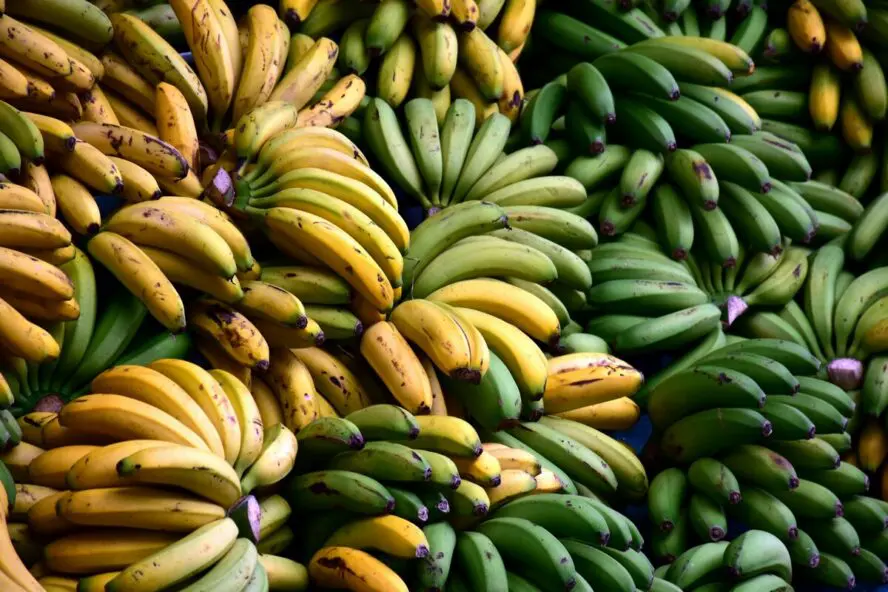
- Green (Unripe) Bananas: Dominated by resistant starch and lower total sugar content. Ideal for individuals seeking maximum prebiotic gut support, improved insulin sensitivity, or assistance with blood sugar management. However, their firmer texture and starchier taste are less palatable for raw consumption.
- Yellow (Ripe) Bananas: Feature higher concentrations of free sugars, including natural fructose, alongside higher levels of soluble pectin. They are easier on sensitive upper GI tracts for immediate digestion but may trigger symptoms in individuals with severe fructose malabsorption or irritable bowel syndrome (IBS).
Official Recommendations: Consumption Limits and Cautions
Despite the extensive health benefits, balance remains essential. Registered dietitians generally recommend consuming three to six bananas per week as part of a diverse, produce-rich dietary pattern.
Who Should Exercise Caution?
- Chronic Kidney Disease (CKD) Patients: Because impaired kidneys struggle to filter excess potassium from the bloodstream, individuals with advanced CKD must carefully monitor and often strictly limit their intake of potassium-rich foods like bananas to prevent dangerous hyperkalemia.
- Fructose Intolerance: Those with diagnosed digestive sensitivities should lean toward firmer, less-ripe bananas to minimize gastrointestinal distress.
Implications: The Peel, Pesticides, and Ethical Farming
Eating the Peel: A Zero-Waste Frontier
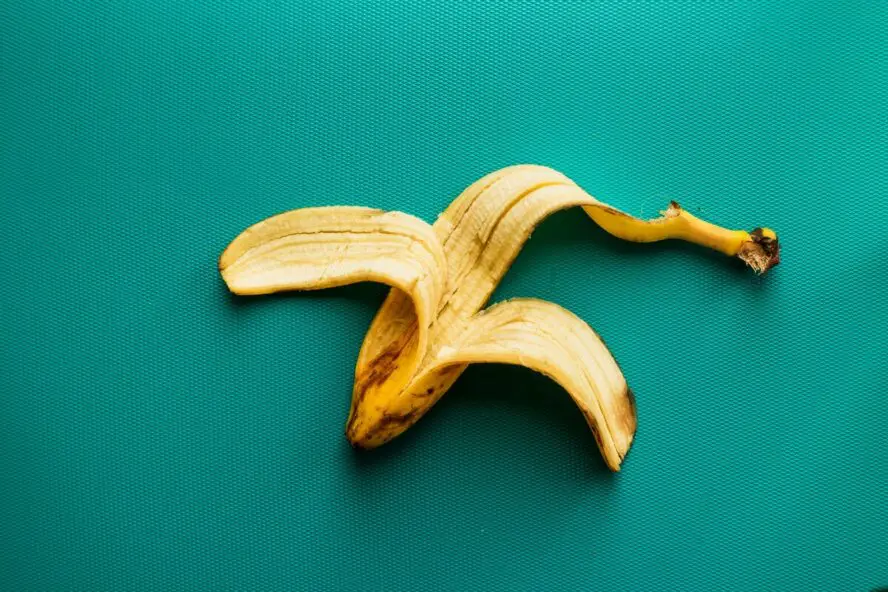
While culinary tradition dictates discarding the outer skin, scientific literature reveals that the banana peel is a dense repository of dietary fiber, polyphenols, and carotenoids. While consuming raw peels can present a fibrous, unappealing texture, blending well-washed, ripe peels into smoothies offers an accessible way to capture these extra antioxidants. Furthermore, emerging biochemical extracts derived from banana peels show preliminary promise in dermatology for managing skin hyperpigmentation, combating localized inflammation, and supporting skin aging protocols.
Are Organic Bananas Worth the Premium?
Consumer anxiety regarding pesticide exposure often drives shoppers toward organic produce. Interestingly, conventional bananas occupy a secure spot on the Environmental Working Group’s (EWG) "Clean Fifteen" list. Because the fruit is protected by a thick, inedible peel, pesticide residues rarely penetrate to the inner flesh.
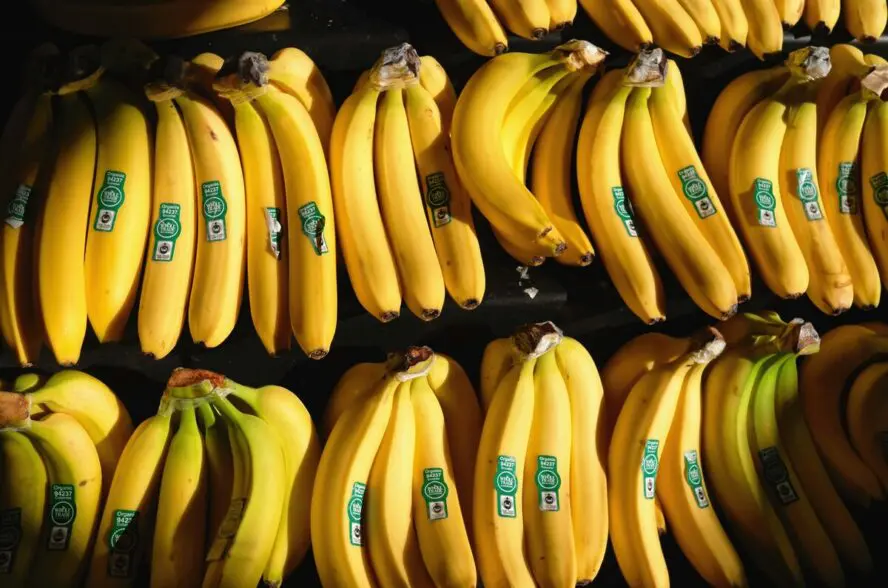
However, the argument for organic and Fairtrade bananas extends far beyond individual dietary exposure:
- Farmworker Safety: Conventional banana cultivation often relies on heavy agrochemical applications, placing agricultural laborers at risk of chronic skin irritations, respiratory issues, and long-term systemic health complications.
- Economic Justice: Fairtrade certifications guarantee farmers a minimum baseline price, shielding them from volatile global market crashes while funding local community initiatives, healthcare, and educational infrastructure.
Frequently Asked Questions
How many bananas should I eat a day?
Most healthy adults can comfortably enjoy one banana per day as part of a varied diet. Those with specific metabolic or renal restrictions, such as chronic kidney disease, should consult a healthcare provider to establish personal caps.
Are bananas safe for individuals with diabetes?
Yes. Bananas possess a moderate glycemic index (averaging around 55), meaning they exert a predictable, moderate effect on blood glucose levels. The American Diabetes Association explicitly includes bananas in its list of fruits compatible with a balanced, diabetes-friendly nutrition plan.

Do bananas cause or prevent constipation?
They prevent it. While ripe bananas are historically linked to the BRAT diet used during recovery from acute gastrointestinal distress, their rich fiber content and high resistant starch levels actually promote regular bowel motility and alleviate chronic constipation.
Are bananas radioactive?
Technically, yes, but harmlessly so. Bananas are rich in potassium, a minute fraction of which (about 0.01%) consists of the naturally occurring radioactive isotope potassium-40. This emits a minuscule, non-cumulative trace of radiation known as a "banana equivalent dose" (BED)—an amount thousands of times too small to impact human health.
The Bottom Line
The current cultural obsession with bananas is more than just a fleeting social media trend; it highlights the enduring value of a genuinely nutrient-dense whole food. From cardiovascular support and regulated digestion to enhanced sleep architecture and sustained cellular energy, the banana proves that profound nutritional power often comes in the simplest packages. Whether sliced over morning oatmeal, blended into a post-workout smoothie, or baked into wholesome treats, the banana remains a cornerstone of affordable, preventative health.
