

By Staci Gulbin, MS, RDN
Published by Organic Authority
Overnight, it seems bananas have undergone a massive cultural reinvention. Once relegated to the status of a sad, squished, forgotten afterthought at the bottom of a bagged school lunch, this humble curved fruit has officially morphed into a social media darling.
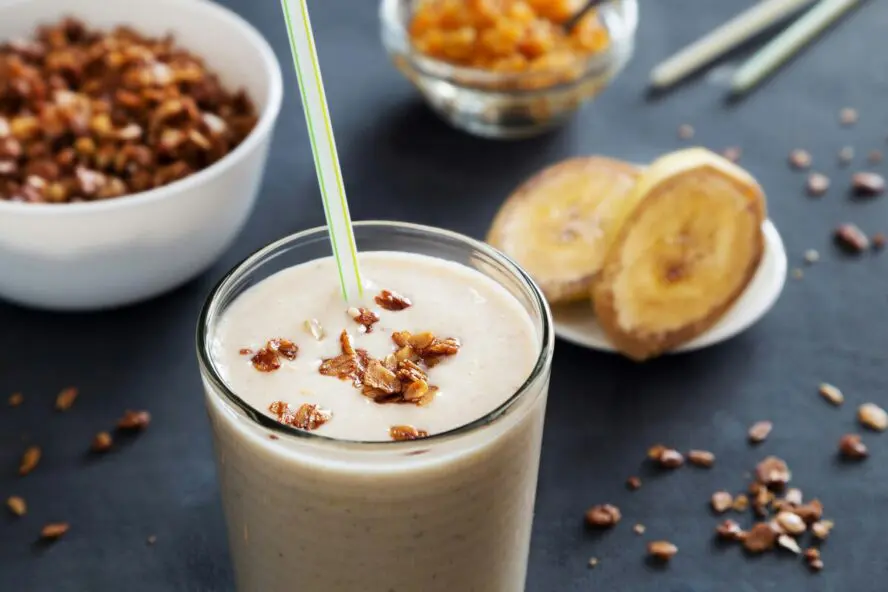
Propelled by the sweeping cultural wave of K-pop influence—specifically the viral obsession with Korean banana milk—bananas have taken the contemporary food and beverage industry by storm. Suddenly, the flavor profile is everywhere: from Starbucks banana protein cold foam and limited-edition Banana Nut Bread M&Ms to the ubiquitous aesthetic of banana matcha lattes trending across TikTok.
Yet, as millions of consumers rush to embrace the fruit, competing health claims circulating online have sparked a wave of nutritional confusion. Amid the viral recipes and aesthetic food blogging, a fundamental question echoes across wellness forums: Are bananas actually good for you?
According to registered dietitians and clinical data, the answer is a resounding yes. Beyond their meteoric social media rise, bananas remain a nutritional powerhouse packed with dietary fiber, essential minerals, and powerful antioxidants. Their natural sweetness offers a wholesome alternative to refined sugars, which are frequently linked to metabolic dysfunction. Unlike processed sweeteners, the natural sugars in bananas are packaged alongside vital micronutrients that support long-term systemic health.
Main Facts: Nutritional Breakdown and Core Health Benefits
To understand why bananas deserve a permanent spot in your daily routine, it helps to examine what is actually inside them. Far from being empty carbohydrates, bananas are dense with vitamins and minerals that support multiple physiological systems.
What’s Inside a Banana?
Nutritional values per 100 grams of ripe or slightly ripe banana:
- Calories: 98
- Protein: 0.74 g
- Fat: 0.29 g
- Carbohydrates: 23 g
- Dietary Fiber: 1.7 g
- Total Sugars: 15.8 g
- Potassium: 326 mg
- Magnesium: 28 mg
- Folate: 14 mcg
- Vitamin B6: 0.209 mg
- Vitamin C: 12.3 mg
Potassium and Cardiovascular Health
Ask anyone what bananas are good for, and potassium is almost guaranteed to be the first answer. Potassium is an essential electrolyte critical for maintaining cardiovascular health, facilitating proper muscle contractions, and regulating fluid balance throughout the body.
Recent epidemiological data underscores these benefits. A 2024 study investigating fruit intake and health outcomes revealed that moderate consumption of apples and bananas (roughly three to six servings per week) correlated with a reduced risk of all-cause mortality among individuals diagnosed with hypertension. Furthermore, a 2023 comprehensive review highlighted the antioxidant properties of bananas, confirming their role in bolstering long-term heart health.
Beyond cardiovascular support, potassium regulates the electrochemical signals that instruct muscles to contract and relax. When potassium levels drop below optimal thresholds—a condition known clinically as hypokalemia—individuals frequently experience painful muscle spasms, cramping, chronic fatigue, and general weakness. Incorporating bananas into your diet serves as an accessible way to preempt these deficiencies.
Fiber, Digestion, and Gut Health
Bananas are exceptionally supportive of the gastrointestinal tract. Ripe bananas contain pectin, a form of soluble fiber that dissolves in gut fluids to form a gel-like substance, facilitating the smooth passage of waste.
Additionally, bananas act as powerful prebiotics. They contain fructooligosaccharides (FOS) and resistant starch, which stimulate the proliferation of beneficial gut bacteria such as Bifidobacteria. This is precisely why bananas occupy a foundational role in the classic BRAT diet (Bananas, Rice, Apples, Toast), traditionally prescribed to patients recovering from gastrointestinal distress, nausea, or acute indigestion.

Sleep Regulation via Magnesium and Tryptophan
Sleep hygiene experts have increasingly turned their attention to the humble banana. Delivering approximately 10% of the recommended daily value of magnesium per serving, bananas help relax skeletal muscles and calm the central nervous system.
More importantly, they contain tryptophan, an essential amino acid that serves as a biochemical precursor to serotonin and melatonin—the hormones responsible for regulating circadian rhythms and sleep-wake cycles. A landmark clinical trial published in 2024 evaluated the effects of consuming a ripened banana immediately before bed. Participants who incorporated a pre-sleep banana demonstrated statistically significant improvements in their overall sleep quality index scores. Researchers hypothesize that the natural carbohydrates in the banana trigger a minor insulin release, allowing tryptophan to successfully cross the blood-brain barrier and accelerate melatonin synthesis.
Vitamin B6 and Cellular Energy
A single medium banana provides roughly 25% of the recommended daily allowance for Vitamin B6. This water-soluble vitamin acts as a coenzyme in the metabolism of carbohydrates, lipids, and proteins, directly converting food into usable cellular energy. Regular consumption ensures your metabolic machinery operates efficiently while simultaneously helping to mitigate systemic inflammation.
Chronology of the Banana: From Ancient Crop to Global Staple
The trajectory of the banana is a fascinating historical journey spanning millennia, agricultural revolutions, and modern global supply chains.
- Ancient Origins (c. 5000–8000 BCE): Indigenous peoples in Southeast Asia and the South Pacific—particularly the region encompassing modern-day Papua New Guinea—were the first to domesticate wild, seeded bananas.
- Global Expansion (c. 600 CE–15th Century): Arab traders spread banana cultivation across the Middle East and into East Africa. Portuguese explorers subsequently introduced the crop to the Canary Islands in the 15th century, from where it was eventually transported across the Atlantic to the Americas.
- The Commercial Boom (Late 19th Century): The invention of refrigerated steamships revolutionized international trade, allowing delicate tropical fruits to reach North American and European markets without spoiling. This era gave rise to powerful corporate entities and the geopolitical phenomenon of the "Banana Republics."
- Modern Social Media Stardom (2020s): Driven by global culinary fusion—specifically the viral popularity of Korean banana milk and TikTok wellness trends—bananas transitioned from a basic kitchen staple to an aesthetic, high-demand flavor profile embraced by major coffeehouse chains and snack manufacturers worldwide.
Supporting Data: Green vs. Ripe, and the Truth About Peels
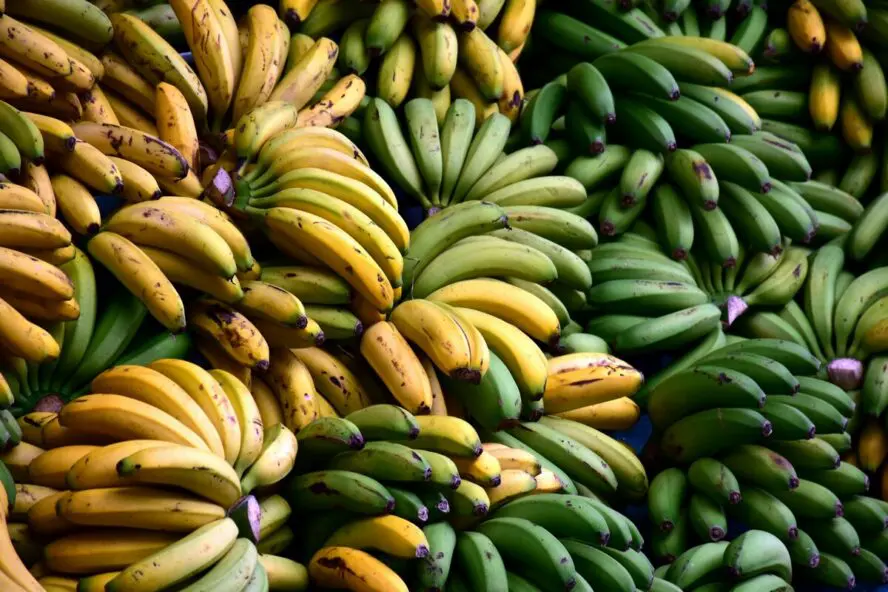
A common point of debate among consumers is whether the ripeness of a banana alters its nutritional value. While the core vitamin and mineral profiles remain relatively stable across the ripening process, the structural carbohydrates undergo significant shifts.
Unripe Green Bananas vs. Fully Ripe Bananas
- Green (Unripe) Bananas: These boast the highest concentration of resistant starch (RS) found in whole foods. Resistant starch bypasses enzymatic digestion in the small intestine, arriving in the colon intact where it is fermented by gut bacteria into short-chain fatty acids (SCFAs), most notably butyrate. Butyrate plays a critical role in preserving intestinal barrier integrity, reducing colonic inflammation, and alleviating constipation.
- Ripe (Yellow/Speckled) Bananas: As bananas ripen, enzymes convert resistant starches into simple sugars (fructose, glucose, and sucrose). While this makes them sweeter and easier to digest for individuals with sensitive stomachs, those suffering from fructose malabsorption or Irritable Bowel Syndrome (IBS) may find that riper bananas trigger gastrointestinal discomfort, making firmer, greener bananas a safer choice.
Edible Anatomy: Can You Eat the Peel?
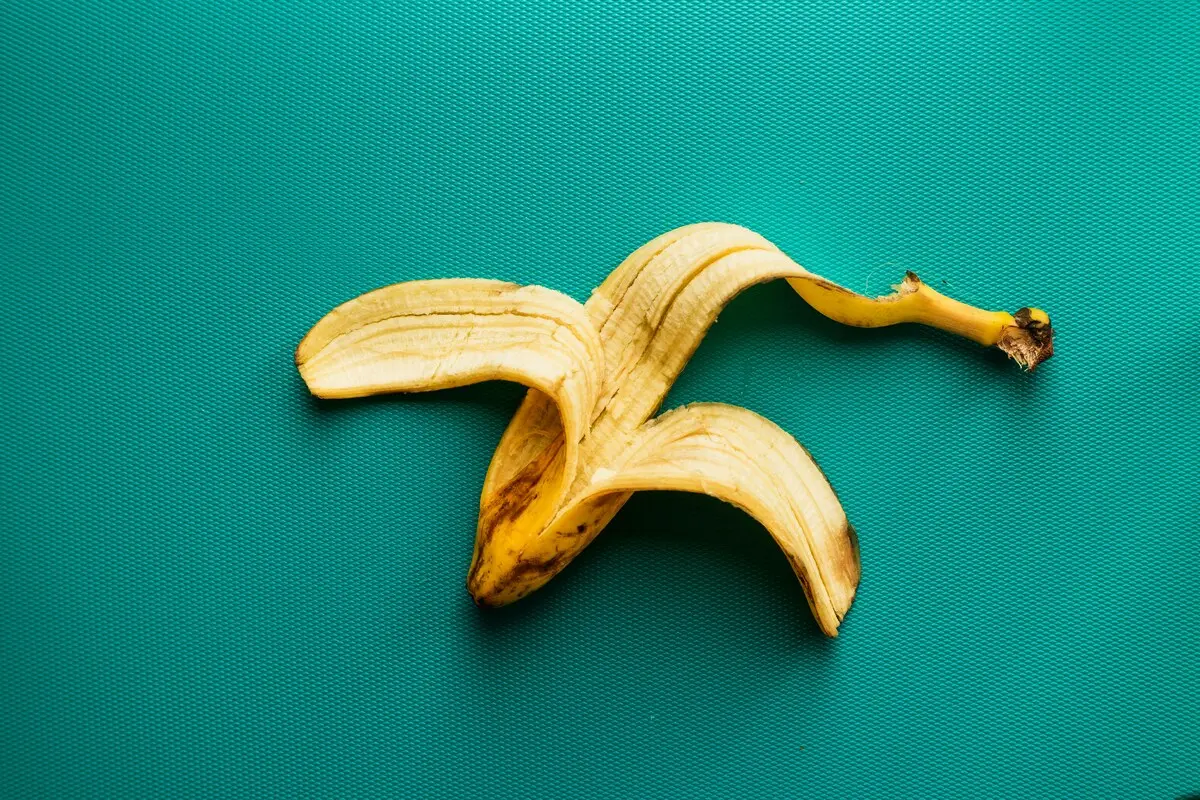
While standard culinary practice dictates discarding the peel, edible-sustainability advocates point out that banana peels are packed with concentrated fiber and antioxidant compounds.
Research indicates that banana peel extracts exhibit potent anti-inflammatory and antimicrobial properties. Documented traditional and clinical applications suggest that compounds derived from banana peels can help soothe skin irritations, manage acne, reduce hyperpigmentation, and protect against cellular aging. For those willing to experiment, thoroughly washed, organic, and ripe peels can be blended directly into smoothies to mask their fibrous, slightly astringent texture.
Official Responses: Dietary Guidelines and Medical Cautions
Despite their overwhelming health profile, medical professionals emphasize that consumption should be tailored to individual health statuses.
How Many Bananas Should You Eat Daily?
For the average healthy adult, registered dietitians recommend consuming between three and six bananas per week, integrated into a diverse diet rich in varied fruits and vegetables. Eating one to two bananas a day fits comfortably within a balanced nutritional framework.
Medical Contraindications: Kidney Disease and Potassium
Individuals diagnosed with chronic kidney disease (CKD) must exercise caution. Because damaged kidneys cannot efficiently filter excess potassium from the bloodstream, hyperkalemia (dangerously high blood potassium levels) can occur. For these patients, potassium-rich foods like bananas must be strictly monitored or limited under the direct supervision of a nephrologist or clinical dietitian.
Diabetes Management
Diabetic patients often fear bananas due to their natural sweetness. However, bananas possess a glycemic index (GI) rating of approximately 55, placing them in the moderate GI category. The American Diabetes Association explicitly includes bananas as part of a balanced, diabetes-friendly dietary pattern, provided portions are managed and paired with healthy fats or proteins to blunt blood sugar spikes.
Implications: Organic Farming, Worker Safety, and the Environment
When purchasing bananas, consumers are increasingly forced to weigh personal health against ethical and environmental considerations.
Pesticides and the "Clean Fifteen"
Conscientious shoppers frequently worry about pesticide residues on conventional produce. Fortunately, bananas are a consistent fixture on the Environmental Working Group’s (EWG) "Clean Fifteen" list—an index highlighting conventional crops least likely to retain harmful pesticide residues. This protective shield is primarily due to the thick, inedible peel, which prevents chemicals from contaminating the inner flesh.
The Human Cost of Conventional Farming
While the consumer eating the inner fruit faces minimal chemical exposure, the agricultural workers cultivating conventional bananas face severe occupational hazards. Industrial banana farming relies heavily on synthetic pesticides and fungicides. Workers handling these chemicals without adequate personal protective equipment (PPE) frequently suffer from chronic skin irritation, respiratory distress, and long-term systemic health issues.
The Role of Organic and Fairtrade Certifications
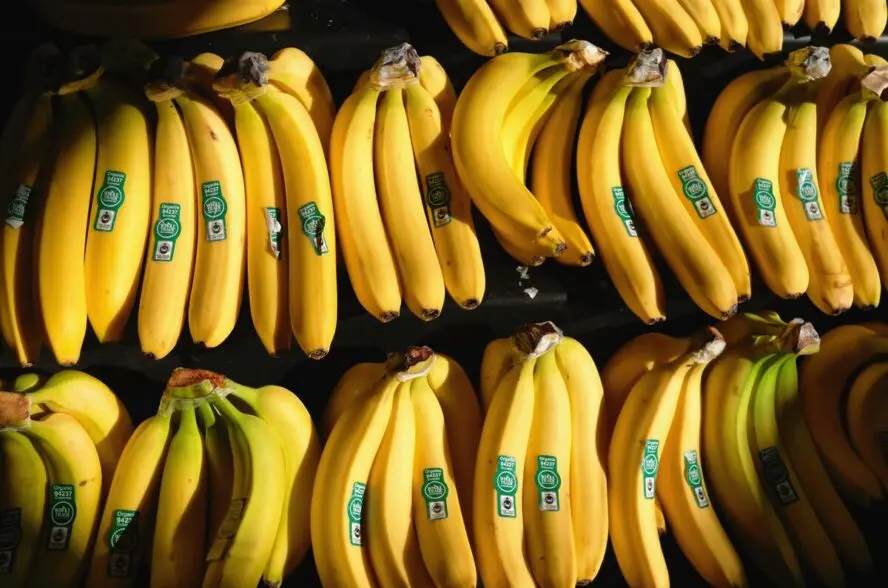
To combat these inequities, organic farming standards restrict the use of synthetic chemicals, while Fairtrade programs guarantee participating farmers a minimum floor price regardless of market fluctuations. Fairtrade premiums also fund critical community development projects, including local healthcare clinics, housing improvements, and educational programs.
While these certifications impose financial burdens that smallholder farmers find difficult to absorb, consumer demand for organic and Fairtrade bananas remains a vital market mechanism for driving reform within the global agricultural sector.
Frequently Asked Questions
1. Are bananas good for diabetics?
Yes. With a glycemic index of 55, bananas have a moderate effect on blood glucose. The American Diabetes Association recognizes them as a safe fruit to include in a balanced, diabetes-conscious meal plan.
2. Do bananas cause constipation or prevent it?
Contrary to the myth perpetuated by their inclusion in the BRAT diet, bananas actually prevent constipation. Their high dietary fiber content and resistant starches promote regular bowel movements and improve stool consistency.
3. Are bananas radioactive?
Technically, yes. Bananas contain potassium, and a microscopic fraction (roughly 0.01%) of natural potassium consists of the radioactive isotope potassium-40. This imparts a minuscule dose of radiation known as a "banana equivalent dose" (BED). However, this amount is thousands of times too small to cause harm, and the body constantly regulates potassium levels, preventing any accumulation.
4. Can you eat banana peels?
Yes. Ripe banana peels are rich in fiber and antioxidants. While their texture is unappealing when eaten raw, blending them into smoothies or utilizing specialized extracts can provide additional nutritional and dermatological benefits.

The Bottom Line
Bananas are a nutrient-dense, highly portable superfood that can meaningfully enhance your daily nutrition. From supporting cardiovascular function and gut health to providing sustained cellular energy and promoting restful sleep, this humble fruit punches well above its weight class. Whether sliced over morning oatmeal, blended into a post-workout smoothie, or baked into healthy treats, bananas offer versatile, accessible wellness.
By choosing organic or Fairtrade options when possible, consumers can enjoy these health benefits while actively supporting safer working conditions and sustainable agricultural practices worldwide. Move over, apples—incorporating a banana a day is a delicious, science-backed step toward optimal health.
