


WASHINGTON — In a policy reversal that has alarmed environmental scientists and public health advocates, the U.S. Environmental Protection Agency (EPA) has officially scrapped a scheduled risk assessment examining the safety of using sewage sludge contaminated with PFAS as agricultural fertilizer.
The decision, detailed in a new federal guidance document published on June 29, effectively discards years of targeted scientific research compiled under the previous administration. It ensures that the widespread practice—in which approximately 60% of all municipal biosolids in the United States are applied to American cropland—will continue without new federal restrictions.
Critics argue the move compromises the integrity of the nation’s food supply and water tables, replacing enforceable regulatory oversight with voluntary consumer recommendations.
1. Main Facts: The Policy Reversal and Its Immediate Impact
At the core of the controversy is the EPA’s sudden termination of a 272-page draft risk assessment initiated in January 2025. That comprehensive document, synthesized from decades of peer-reviewed data, was on track to establish federal thresholds that likely would have ended or severely curtailed the application of treated sewage sludge on agricultural fields.

Instead, the current administration has pivoted entirely. The newly released nine-page guidance document asserts that the previous draft exhibited "serious flaws that have caused confusion among the public" and claims that current levels of PFAS in biosolids do not pose a widespread threat to public health.
- The Scale of the Practice: Roughly 60% of the biosolids produced by wastewater treatment plants across the U.S. are recycled as fertilizer for crops and animal feed.
- The Contaminant: Biosolids frequently contain per- and polyfluoroalkyl substances (PFAS)—a class of roughly 15,000 synthetic chemicals known as "forever chemicals" because they do not break down naturally in the environment or the human body.
- The Regulatory Shift: Rather than implementing federal limitations or bans, the EPA’s new framework provides voluntary recommendations, effectively shifting the burden of risk mitigation onto consumers and local municipalities.
2. Chronology of Events: From Scientific Warning to Regulatory Rollback
To understand the magnitude of the EPA’s recent decision, it is necessary to examine the timeline of how PFAS contamination via biosolids became a national crisis:
- Early 1990s: The EPA formally authorizes the application of municipal and industrial sewage sludge—renamed "biosolids" for marketing purposes—to American farmland as a cost-effective method of waste disposal and soil nutrient enrichment.
- May 2022: Investigative reporting by The Guardian reveals that approximately 20 million acres of U.S. cropland may be contaminated with PFAS as a direct result of decades of biosolids application.
- 2022–2024: Frustrated by federal inaction, individual states begin taking matters into their own hands. Maine becomes the first state to enact a total ban on the spreading of biosolids on cropland in 2022, followed by Maryland in 2024.
- 2024: Public Employees for Environmental Responsibility (PEER), acting on behalf of affected Texas farmers, files a notice of intent to sue federal regulators to force an end to the use of toxic biosolids.
- January 2025: Under the Biden administration, the EPA publishes a detailed, 272-page draft risk assessment outlining the severe environmental and health risks associated with PFAS-laden fertilizer.
- Early 2026: Reports emerge indicating that the EPA is undertaking a broad deregulatory initiative regarding PFAS, which includes attempts to roll back drinking water standards for specific compounds like PFOA and PFOS.
- June 29, 2026: The EPA officially publishes its new guidance, formally killing the draft risk assessment, dismissing the previous administration’s scientific findings, and replacing regulatory enforcement with voluntary advisories.
3. Supporting Data: The Science Behind "Forever Chemicals" in Agriculture
The debate over biosolids is rooted in the unique chemical properties of PFAS and their pathways into the human food chain.
PFAS compounds are utilized in thousands of industrial and consumer applications—ranging from non-stick cookware and waterproof clothing to firefighting foams—due to their resistance to heat, water, and oil. However, these very traits make them indestructible in the natural world.

Bioaccumulation and Health Risks
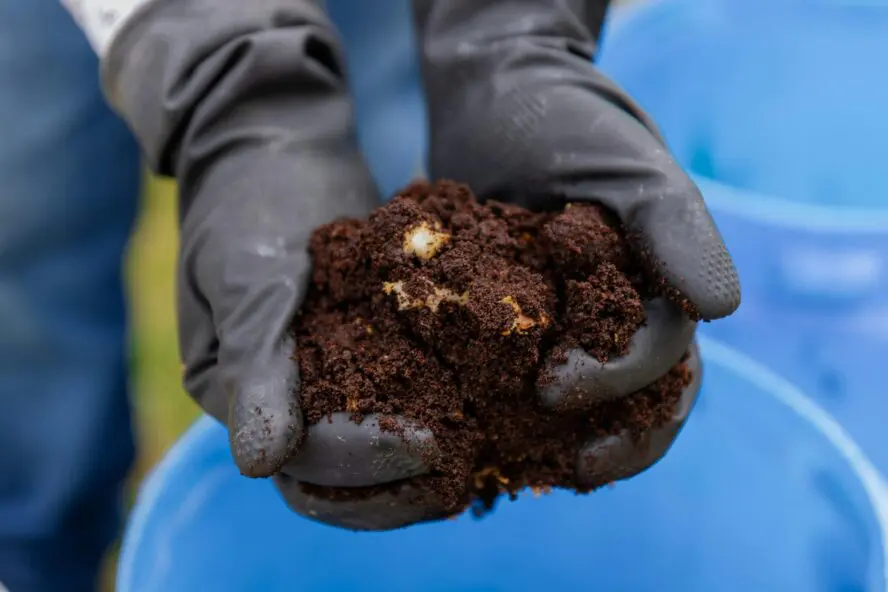
When industrial wastewater and household sewage converge at municipal treatment facilities, traditional processing methods fail to destroy PFAS. Instead, the chemicals concentrate in the solid waste (sludge). When this sludge is processed into biosolids and spread over fields:
- Soil Absorption: Crops uptake PFAS through their root systems from the contaminated soil.
- Livestock Contamination: Fields treated with biosolids are frequently used to grow animal feed. Ingesting this feed has been linked to livestock illness and premature death, as well as the accumulation of PFAS in meat and dairy products.
- Human Ingestion: Consuming contaminated crops, animal products, and drinking water near treated fields introduces PFAS into the human body, where they bioaccumulate over time.
According to public health data, chronic exposure to low levels of PFAS is linked to severe health outcomes, including:
- Various forms of cancer (particularly kidney and testicular cancer)
- Reproductive and developmental complications
- Liver disease
- Elevated cholesterol levels
- Suppressed immune system function, reducing vaccine efficacy in children
4. Official Responses: Outrage from Legal and Environmental Experts
The EPA’s decision has drawn swift, severe criticism from legal experts, environmental organizations, and state advocates who view the move as an abdication of the agency’s core mission to protect human health and the environment.
Laura Dumais, an attorney with the non-profit Public Employees for Environmental Responsibility (PEER), expressed disbelief at the agency’s reversal.
"It’s shocking for the EPA to take a scientific assessment and simply throw it out," Dumais said. "The EPA’s solution here is ‘do your own research — we’re not going to regulate anything, so if you think it’s dangerous then figure it out for yourself.’"
Jean Zhuang, a senior attorney with the Southern Environmental Law Center, emphasized that the abandoned 2025 assessment represented a careful synthesis of decades of empirical research. By discarding it, Zhuang argues, the federal government is actively obstructing regional protections.
"By abandoning that assessment, this administration is getting in the way of protecting people from toxic chemical contamination," Zhuang stated. "Instead of engaging with that science, EPA is trying to downplay the problem."
Conversely, the EPA defends its latest guidance by arguing that the previous administration’s draft relied on worst-case-scenarios and methodology that exaggerated actual exposure levels. In its June 2026 document, the agency maintains that current data does not support a nationwide emergency ban on biosolids.
5. Broader Implications: What Lies Ahead for Farmers and Consumers
The EPA’s abandonment of the risk assessment carries profound long-term consequences for American agriculture, public health, and federal regulatory policy.
A Patchwork of State Laws
With federal oversight effectively sidelined, the regulation of biosolids will likely devolve into a state-by-state battleground. While states with robust environmental protections—such as Maine and Maryland—may maintain or expand their bans, agricultural sectors in states without such prohibitions will continue utilizing biosolids unaware of, or unconcerned by, the accumulating toxic burden in their soils.
This creates an uneven economic and safety landscape:
- Farmers in strict states face increased costs to find alternative fertilizers, while others continue utilizing low-cost municipal sludge.
- Consumers are left with little visibility regarding whether the produce or meat they purchase was grown on PFAS-contaminated land.
Part of a Larger Deregulatory Wave
Legal analysts note that this policy pivot is not an isolated event. According to reports from regional outlets like WRAL News, the action is part of one of the largest coordinated deregulatory efforts regarding chemical pollutants in the EPA’s history. Coming on the heels of attempts to ease restrictions on PFOA and PFOS in municipal drinking water, the agency’s stance signals a broader retreat from proactive federal management of industrial contaminants.

Ultimately, as the federal government steps back from regulating toxic sewage sludge, the responsibility of navigating "forever chemical" exposure falls increasingly onto local legislatures, independent advocacy groups, and individual consumers striving to vet their food and water sources in an increasingly contaminated world.
