

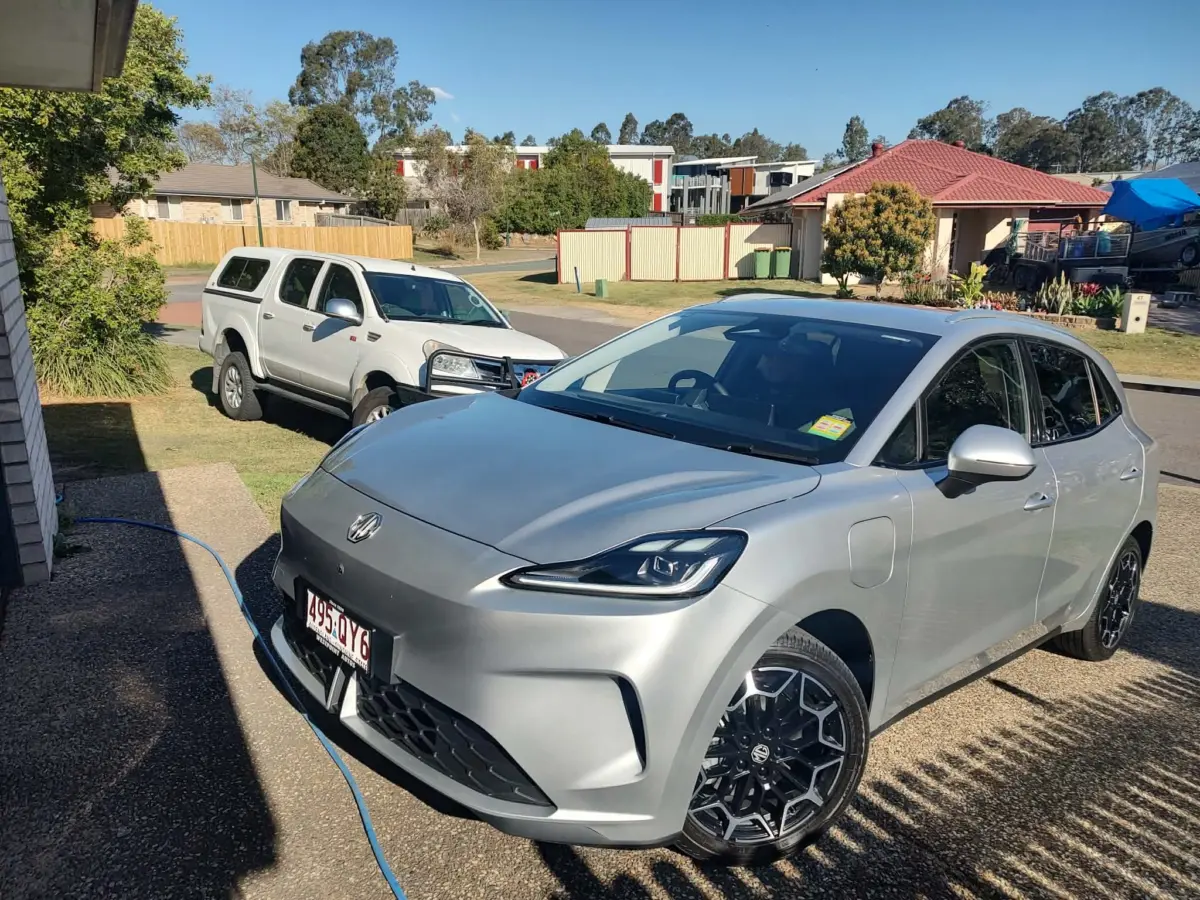
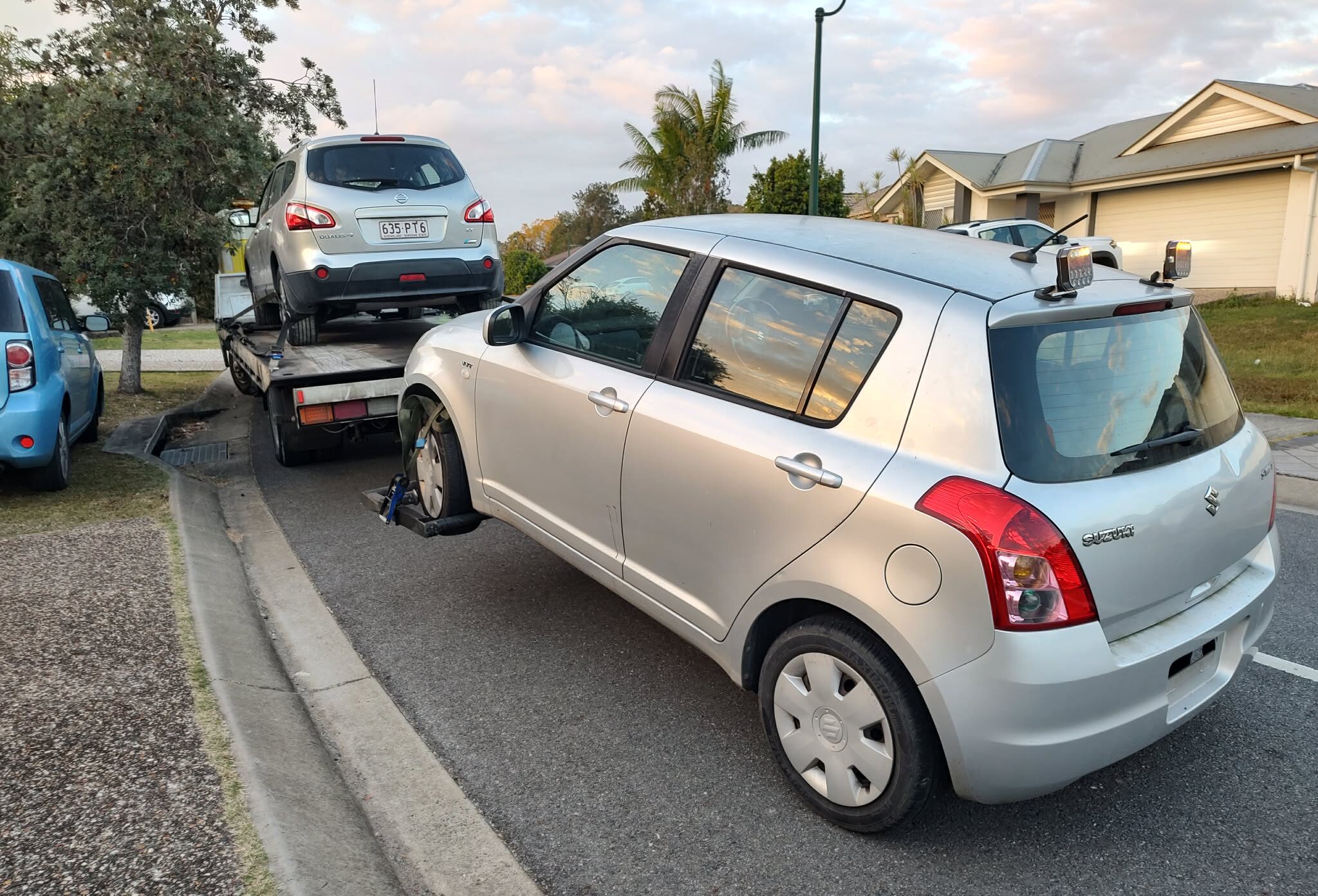
For most vehicle owners, the end of an internal combustion engine’s lifespan arrives with a whimper rather than a dramatic Hollywood explosion. However, for Karryn Warren and her family, the final moments of their trusty 20-year-old Suzuki Swift—affectionately known as "Swifty"—played out with a classic roadside drama: rising temperature gauges, a rattling engine bay, cabin smoke, and an eventual, unceremonious tow-truck ride.
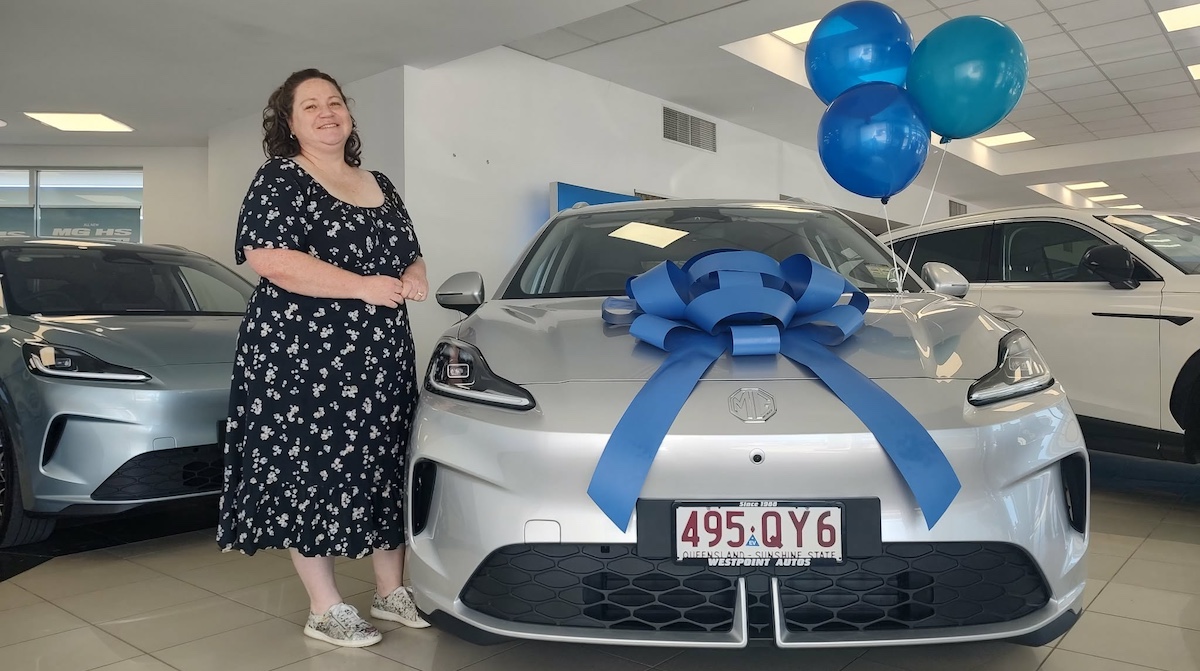
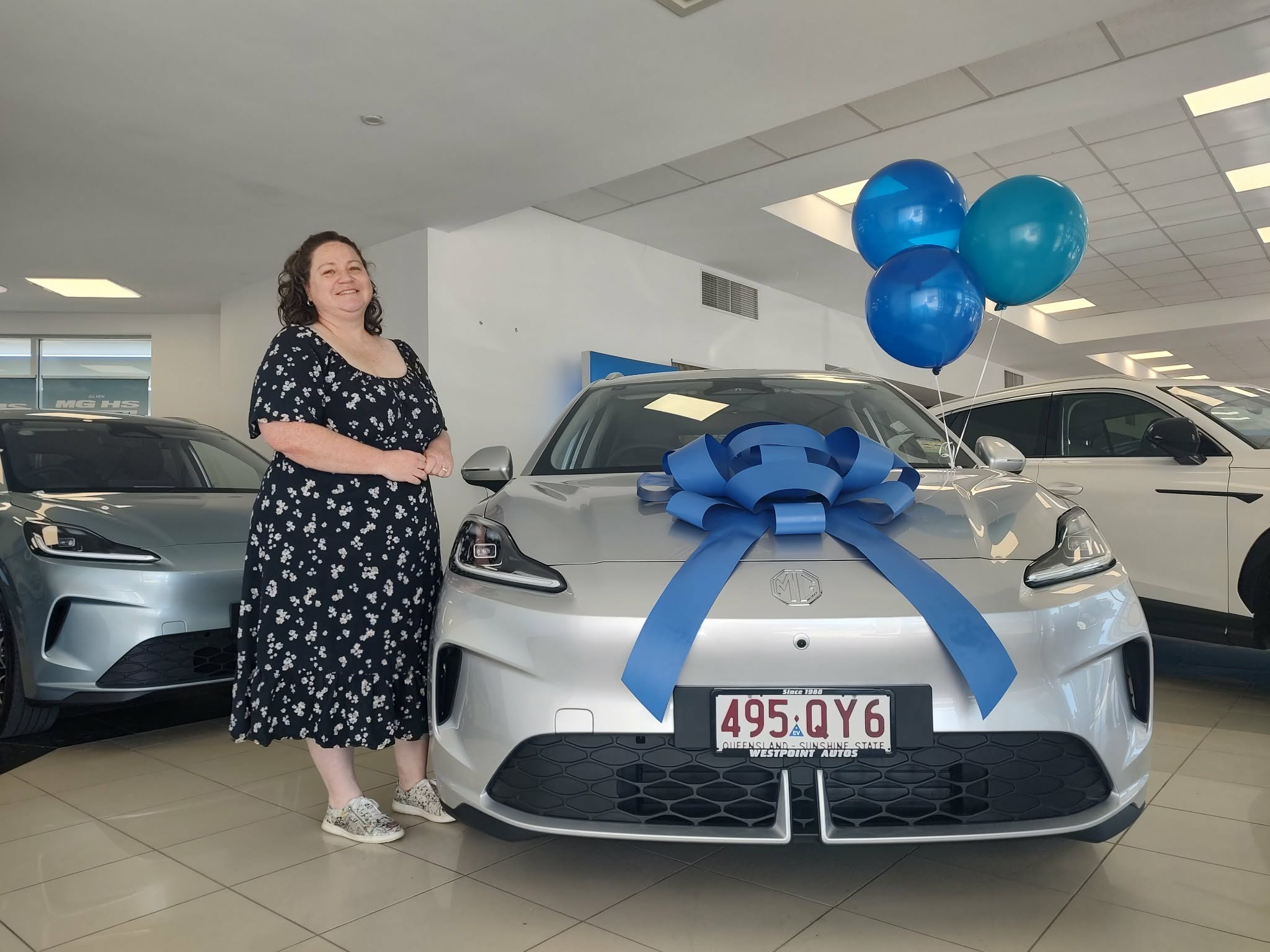
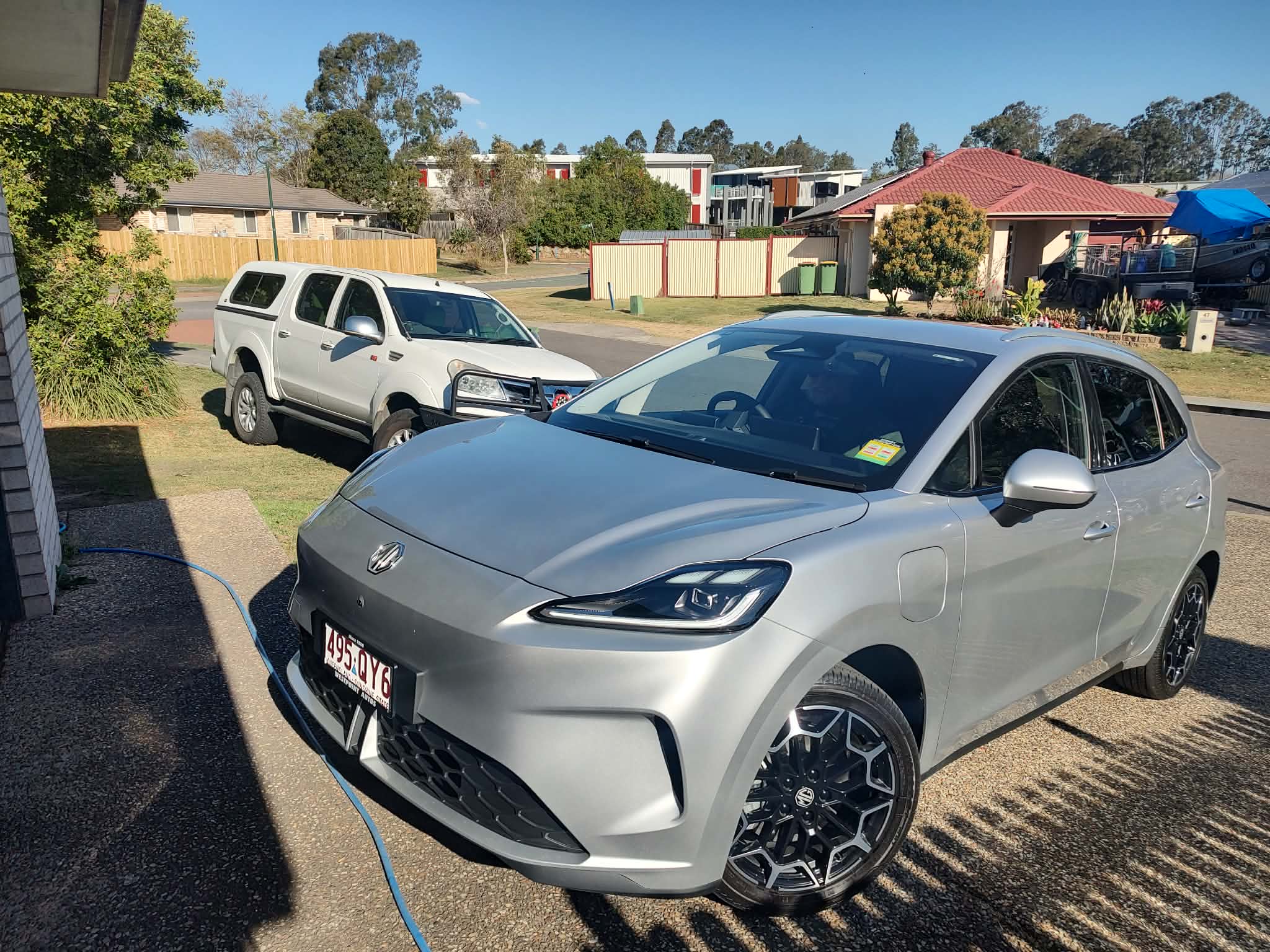
What began as a dreaded phone call from a stranded teen driver transformed into a masterclass in modern EV adoption. Swifty’s catastrophic engine failure forced the Warren family out of the traditional fossil-fuel ecosystem and directly into the fast-growing Australian electric vehicle market. Securing an ex-demo MG4 Urban for $29,990 AUD, Karryn’s household joined a surging wave of EV buyers, proving that old-school car sales tactics fall flat against well-researched consumers looking for a sustainable, low-maintenance future.
Main Facts
The transition from a two-decade-old petrol hatchback to a modern battery-electric vehicle highlights several significant shifts in the modern automotive landscape:
- The Catalyst: A catastrophic engine failure in a 20-year-old Suzuki Swift due to an overheated block, warped head, and blown head gasket.
- The Replacement: An ex-demo MG4 Urban electric hatchback, purchased for $29,990 AUD, featuring a larger battery configuration.
- The Trade-In Reality: Swifty was valued at just $500 AUD at the wreckers, while her remaining fuel tank yielded $77 AUD worth of petrol, repurposed indefinitely for the family lawnmower.
- Market Context: The MG4 Urban secured 514 sales in Australia during August, landing at #12 on the national sales hit parade. Dealership metrics indicate that over 50% of showroom sales are now electric, with manufacturers like MG looking toward upcoming utility vehicles like the MG U9.
- Home Charging Synergy: The vehicle is charged exclusively via a standard household wall socket powered by a home solar array and battery system, primarily programmed to draw energy between 8:00 AM and 3:00 PM.
Chronology of a Breakdown: The Demise of "Swifty"
The sequence of events leading up to Swifty’s final roadside halt offers a familiar cautionary tale of aging internal combustion engines. According to Karryn, the vehicle had carried a persistent, subtle "rattly can" noise for years—a sound her husband initially diagnosed as engine "pinging" linked to dirty fuel injectors or combustion inefficiencies.
On a fateful Thursday, the auditory warning signs escalated. Needing to complete a series of errands while low on fuel, Karryn attributed the louder, stone-in-a-tin-can rattling to the vehicle pulling the last remnants of sediment from the bottom of the petrol tank.
The Final Journey Home
The situation shifted from an annoyance to an emergency when Karryn picked up her 17-year-old son, Oscar, a learner driver, from TAFE. Hoping to let him log some driving practice while helping her refuel, they set off for home.
- The Power Loss: About a quarter of the way home, Oscar noted that pressing the accelerator yielded virtually no acceleration.
- The Climb: Struggling to maintain 100 km/h on the highway, the temperature gauge surged into the red.
- The Halt: Coasting into the slow lane of an uphill stretch, the engine completely gave out. Smoke began pouring through the vehicle’s air vents, prompting fears of an impending vehicle fire.
- The Rescue: Trapped 30 meters short of a safe bay, a Good Samaritan driving a Suzuki Jimny pushed the dead hatchback to safety.
Post-Mortem and the Wreckers
Karryn’s husband, an experienced hand who restores classic cars (including a 1965 HD GM Holden and a 1966 GM HR Holden), arrived to inspect the damage. Finding the engine seized with zero compression and severe overheating indicators, he declared it a catastrophic, unfixable failure. Roadside assistance through Shannons Insurance arranged a tow, sending Swifty to the wreckers.
The parting irony involved siphoning $77 worth of fresh petrol from Swifty’s tank. With their other vehicle being a diesel-powered Chinese-built Tunza utility truck, the harvested fuel was relegated entirely to powering the household lawnmower.
The Search for a Replacement: EV Market Realities and Dealership Dynamics
Faced with the choice of fixing the old engine, buying another unreliable budget car, or upgrading to a reasonably priced second-hand or new vehicle, the Warren family leaned toward a sustainable solution.
"What I wanted was a second-hand EV, but the market was scarce," Karryn explains. "I needed to buy a Swift-equivalent-sized new one, as they were around the price I wanted to spend."
Testing the Competition
As tall and broad-shouldered individuals, the Warrens faced unexpected ergonomic hurdles across the entry-level EV market:
- BYD Atto 1 & Dolphin: Shoulder space proved restrictive against the B-pillars, preventing Karryn and her husband from comfortably sitting side-by-side in the front. Furthermore, the BYD Atto 2 suffered from severely restricted rear-seat legroom.
- Chery & MG ZS EV: While Chery sales staff were noted for their professionalism, the seat contours caused physical discomfort. Meanwhile, early models of the MG ZS EV presented similar B-pillar crowding and seat design flaws.
Overcoming Legacy Sales Tactics
Shopping for an electric vehicle also exposed a generational gap in dealership sales competency. At their first stop, a salesperson inquired about a state-of-the-art battery health report with blank confusion, eventually steering them toward an ex-demo MG4 Urban while displaying classic, high-pressure evasion tactics regarding pricing and battery metrics.
"Old used car salesman tactics don’t work on EV buyers," Karryn noted. "We don’t want to buy a ‘new tech to us’ car from someone who ‘doesn’t know’ how to sell one."
Seeking a more transparent retail experience, the family visited Hillcrest MG, where sales representative Jeremy provided a comprehensive, practical walkthrough of the vehicle’s architecture and operational mechanics before anyone even sat in the driver’s seat.
Official Responses and Industry Insights
The retail shift experienced by the Warren family mirrors broader macroeconomic trends in the Australian automotive sector. Dealership representatives indicate that battery-electric vehicles now account for more than 50% of total showroom transactions in progressive urban and regional hubs, reflecting an upward trajectory that shows no signs of slowing.
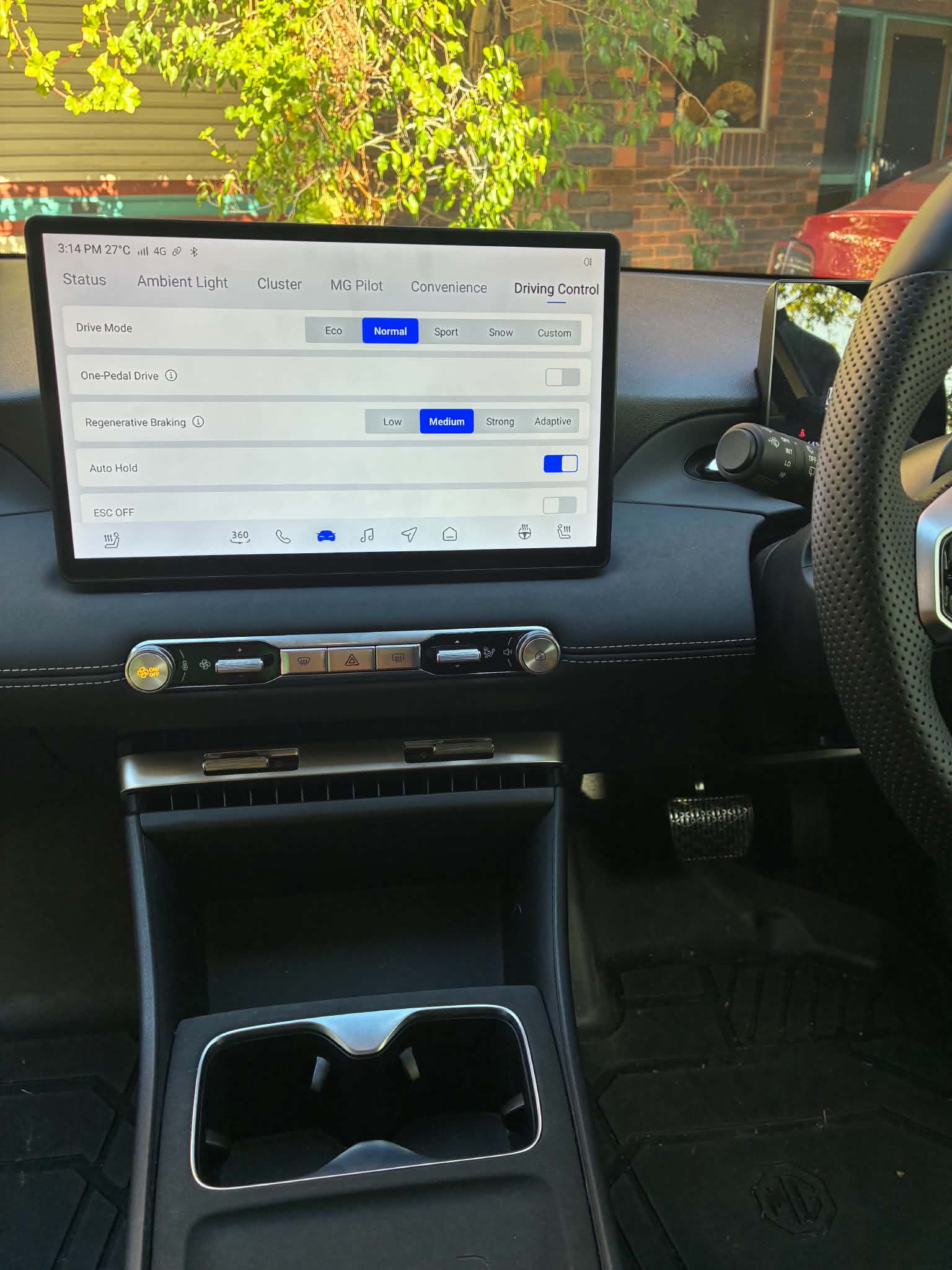
To meet consumer demand for versatile platforms, manufacturers are rapidly expanding their lineups. Industry analysts point to upcoming vehicle releases—such as the highly anticipated MG U9 electric utility truck, slated for the Australian market and featured at major expos like the upcoming Everything Electric Show in Sydney—as proof that electrification is expanding beyond urban hatchbacks into heavy-duty segments.
Implications: The Psychological and Practical Shifts of EV Ownership
Living with the MG4 Urban has fundamentally reshaped the family’s daily commuting and ownership habits, offering distinct advantages over traditional internal combustion vehicles.
Sensory Reduction and Driving Dynamics
According to Karryn, the transition yields a noticeable reduction in cognitive fatigue during daily commutes:
- Acoustic Isolation: Superior sound deadening successfully masks road and environmental noise.
- Steering Feedback: Because the steering mechanism is decoupled from direct mechanical tire feedback through drive-by-wire principles, steering demands less physical correction.
- Powertrain Simplicity: The absence of a multi-speed transmission eliminates gear-hunting lag. Acceleration is instantaneous, smoothing out highway overtaking and city stopping-and-starting.
The Teen Perspective
Seventeen-year-old Oscar shares an enthusiastic appraisal of the vehicle from behind the wheel:
"The Urban is a car made to drive. It’s so much fun because it’s so responsive and easy to drive, an even better ‘go-kart feel’ than the Swift… unless we’re on the highway—then it’s boring because the car does just about everything for you."
Smart Technology and Zero-Emissions Home Energy Integration
The vehicle’s software ecosystem has streamlined household logistics. The MG mobile app allows multiple drivers to unlock and operate the vehicle digitally, bypassing the rising cost of cutting physical replacement keys, which can cost upwards of $700 AUD. Furthermore, climate pre-conditioning ensures the cabin is comfortable before entry.

On the energy front, the vehicle integrates seamlessly into the household’s residential solar ecosystem. By programming the vehicle via the app to charge exclusively between 8:00 AM and 3:00 PM, the car draws power directly from surplus daytime solar generation and home battery storage. Crucially, this routine is accomplished simply by plugging into a standard domestic wall socket, bypassing the need for an expensive dedicated home wallbox charger for their daily driving profile.
Conclusion
Karryn Warren’s journey from a smoky highway breakdown to an emissions-free daily commute illustrates the tipping point facing modern motorists. By stepping away from the endless cycle of repairing aging fossil-fuel engines and rejecting the throwaway consumer culture, her family secured a technologically advanced, solar-powered vehicle that delivers both financial savings and driving enjoyment.
As Karryn summarizes of her new electric reality: "OMG, the more I drive my car, the more I love it—seriously, so happy with our purchase."
