

Introduction: The Ever-Evolving Landscape of Fine Art
Discovering an artist whose work remains unfamiliar offers a uniquely thrilling experience for collectors, critics, and enthusiasts alike. Stepping into uncharted creative territory allows audiences to explore robust existing oeuvres while simultaneously seeing the world through a fresh artistic lens. In this promotional spotlight, five esteemed galleries introduce us to talents who are unquestionably ones to watch.
The featured creators arrive at this juncture through various pathways: some are newly introduced to a specific gallery roster, others are rapidly gaining momentum among seasoned collectors, and a few represent longtime painters making bold, unexpected forays into entirely new styles or subject matters. As this curation demonstrates, contemporary Western and regional American art continues to thrive precisely because its practitioners refuse to stand still.
Main Facts: Five Galleries, Five Distinct Visions
The current fine art market is defined by a dynamic synthesis of traditional techniques and contemporary sensibilities. Across the United States, regional galleries serve as vital incubators for talent, bridging the gap between visionary creators and discerning collectors.
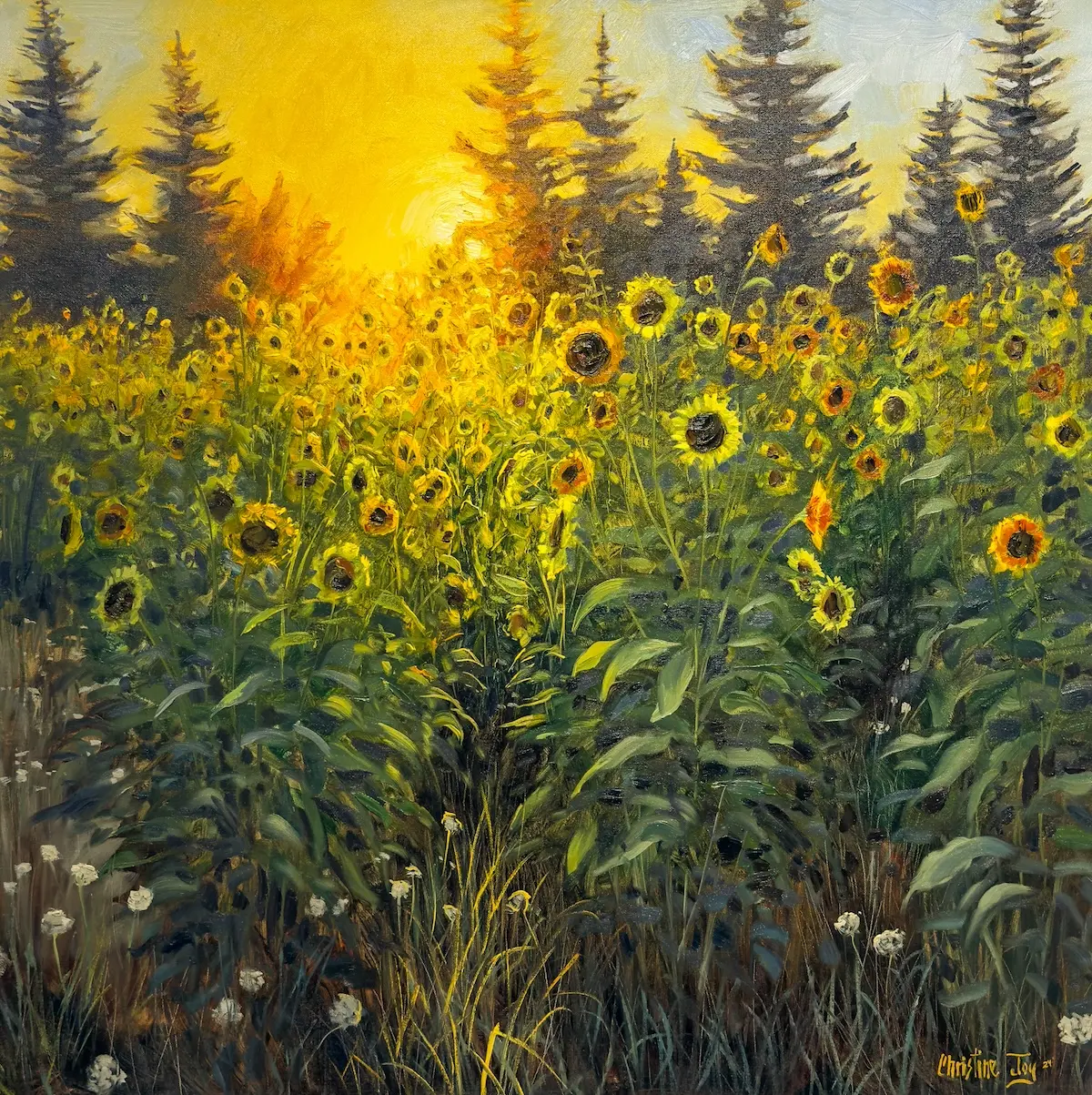
- ART Elements Gallery (Newberg, Oregon) highlights the luminous plein air interpretations of Christine Swanson.
- Arts in the Sunset (Amarillo, Texas) showcases the expressive, tactile pastel landscapes of Bethany Fields.
- Astoria Fine Art (Jackson, Wyoming) presents the celebrated international painter Zhaoming Wu in a surprising and highly successful pivot toward the American West.
- Blue Rain Gallery (Santa Fe, New Mexico & Durango, Colorado) features Tony de Luz, whose upcoming exhibition Street Level explores the rich narrative traditions of Route 66.
- Legacy Gallery (Scottsdale, Arizona & Santa Fe, New Mexico) displays the evocative, historically grounded oils of Jonathan Noon.
Together, these institutions highlight how diverse geographical backgrounds—ranging from the Pacific Northwest to the high deserts of New Mexico and Guangzhou, China—inform a multifaceted vision of contemporary American art.

Chronology: From Classical Foundations to Regional Innovation
To understand the current standing of these five artists, one must examine the chronological trajectories that shaped their respective careers, illustrating how decades of dedication culminate in breakthrough moments.
Early Career Foundations (1980s–1990s)
- 1983: Zhaoming Wu begins exhibiting his paintings internationally across Asia, Europe, and the United States, establishing a formidable reputation as an academic oil painter long before turning his eye toward American iconography.
- Late 20th Century: Tony de Luz embarks on a prolific 40-year career in commercial illustration and graphic design, mastering the intricate composition, precise draftsmanship, and narrative pacing that would later define his transition into fine art realist painting.
Mid-Career Shifts and Regional Discovery (2000s–2010s)
- The Pastel Pivot: Bethany Fields purchases a set of pastels for her daughter, sparking an accidental discovery that would change her artistic trajectory. Impressed by the medium’s buttery texture and luminous quality, Fields pivots toward pastels, slowly building a dedicated following over the past decade while working out of her studio in Amarillo, Texas.
- Rooted Traditions: Christine Swanson and Jonathan Noon deepen their connections to the Pacific Northwest and the American Southwest, respectively. Drawing on childhood memories, local flora, and regional history, both artists refine an approach that marries classical academic training with emotional, expressive mark-making.
The Contemporary Breakthrough (Present Day)
- Cross-Cultural Western Expansion: Zhaoming Wu takes extended research trips to New Mexico and Wyoming, capturing cowboys, ranches, and desert expanses through his impressionistic lens. This stylistic departure makes him an overnight sensation in Western art markets.
- The Route 66 Narrative: Tony de Luz prepares for his major exhibition, Street Level, opening in August at Blue Rain Gallery, synthesizing a lifetime of visual storytelling into poignant vignettes of "Southwest Americana."
Supporting Data: Artistic Mediums, Locations, and Exhibitions
| Artist | Gallery Representation | Primary Location(s) | Medium | Signature Subject Matter |
|---|---|---|---|---|
| Christine Swanson | ART Elements Gallery | Newberg, OR | Oil on Canvas | Plein air landscapes, floral scenes, shifting light |
| Bethany Fields | Arts in the Sunset | Amarillo, TX | Pastel on Paper | Expressive regional landscapes |
| Zhaoming Wu | Astoria Fine Art | Jackson, WY | Oil | Western expansion, cowboys, desert vistas |
| Tony de Luz | Blue Rain Gallery | Santa Fe, NM & Durango, CO | Acrylic on Canvas | Route 66, historic Americana, narrative vignettes |
| Jonathan Noon | Legacy Gallery | Scottsdale, AZ & Santa Fe, NM | Oil | Historical and contemporary American Southwest |
Official Perspectives and Gallery Statements
Capturing the Golden Hour: Christine Swanson at ART Elements Gallery
For Christine Swanson, the fundamental philosophy of her practice mirrors a well-worn artistic adage. "Like many artists, Christine Swanson finds that ‘art imitates life,’ particularly when selecting her subject matter," notes her representation at ART Elements Gallery in Newberg, Oregon. Swanson draws inspiration directly from her personal passions: gardening and exploring the great outdoors.
"I am obsessed with light and its marvelous effect on the world. An ordinary tree becomes something of magic once the sun shines through it at the most golden hours of the day," Swanson explains. Beyond studio work, she emphasizes the purity of direct observation. "Painting in plein air has another meaningful impact on my work. There is something so special about having a painting that was created in the actual place it features." Committed to continuous growth, Swanson rigorously maintains her foundation through traditional drawing and painting methodologies.
Tactile Luminosity: Bethany Fields at Arts in the Sunset
Based in Amarillo, Texas, Bethany Fields wears multiple hats as an artist, educator, and writer. Over the past ten years, her expressive pastel landscapes have quietly captured the attention of regional connoisseurs, though gallery representatives note she is finally achieving wider mainstream recognition.

Reflecting on her transition to soft pastels, Fields notes her initial enchantment with their unique physical properties. "It’s such an immediate and tactile medium," she remarks, praising the "rich, buttery texture" that allows an artist to work swiftly to pin down transient atmospheric conditions, capturing the exact interplay of light and shadow across rural vistas.
Bridging Continents: Zhaoming Wu at Astoria Fine Art
Perhaps one of the most compelling narratives in contemporary Western art is the evolution of Zhaoming Wu. Born in China and raised in Guangzhou City, Wu has maintained an international exhibition record since 1983. However, recent travels through the American intermountain West—specifically New Mexico and Wyoming—have ignited a profound new creative passion.
Swapping urban scenes and classical figures for wide-open desert landscapes, sprawling ranches, and traditional cowboys, Wu has seamlessly blended his sophisticated academic oil technique with Western iconography. According to Astoria Fine Art in Jackson, Wyoming, "Zhaoming is one of the nation’s most respected oil painters, and his shift to Western art has quickly made him the gallery’s best-selling painter, worthy of any serious Western art collector’s attention."
Preserving Americana: Tony de Luz at Blue Rain Gallery
Drawing on four decades of professional experience in illustration and graphic design, Arizona-based realist Tony de Luz infuses his canvases with meticulous precision and rich narrative depth. His upcoming exhibition, Street Level—scheduled to run from August 7 through August 23 at Blue Rain Gallery in Durango, Colorado—examines the enduring legacy of Route 66.

Gallery representatives elaborate on the conceptual weight of the exhibition: "His latest work explores Route 66 not simply as a historic roadway, but as a symbol of American exploration, nostalgia, and cultural identity. By combining technical mastery with a deeply personal connection to the Southwest, de Luz continues to create compelling works that resonate with collectors and contemporary audiences alike."
Marrying Classical Technique and Regional History: Jonathan Noon at Legacy Gallery
Represented by Legacy Gallery in Santa Fe, New Mexico, Jonathan Noon bridges disparate artistic worlds through his striking oil paintings. His style pairs stringent academic-style draftsmanship with loose, expressive mark-making and dynamic lighting.
Noon’s deep-seated affection for the American West is rooted in a childhood spent exploring the region, coupled with a desire to educate and preserve its complex history. "Through my work, I aim to transport the audience to a world where history meets the present, where classical meets contemporary," Noon states. "I hope you find as much joy in experiencing my paintings as I do in creating them."
Implications for the Fine Art Market
The trends illuminated by these five galleries point toward several key shifts in the contemporary art market:

- The Rise of Hybrid Aesthetic Traditions: Collectors are increasingly drawn to artists like Zhaoming Wu and Jonathan Noon, who apply rigorous, classical international training to distinctly regional American subjects. This cross-pollination expands the visual vocabulary of Western art beyond traditional clichés.
- Valuing Narrative and Nostalgia: Exhibitions like Tony de Luz’s Street Level demonstrate a strong market appetite for storytelling. Works that tap into collective cultural memories—such as the historic mythology of Route 66—offer emotional resonance that appeals to both veteran collectors and younger buyers.
- The Enduring Power of Direct Observation: In an era dominated by digital imagery, the tactile immediacy of Bethany Fields’ pastels and the genuine plein air dedication of Christine Swanson signal a renewed market appreciation for authenticity, materiality, and firsthand engagement with the landscape.
As these galleries prove, the future of regional and Western art is secure, driven by creators who honor their foundations while boldly charting new aesthetic horizons.
This story originally appeared in the August/September 2026 issue of Southwest Art magazine. To read every issue in its entirety, consider subscribing to the print or digital edition today.
