

Published: August 6, 2026
By: Wellness & Ergonomics Desk
Main Facts: Bringing the Mat to the Office Chair
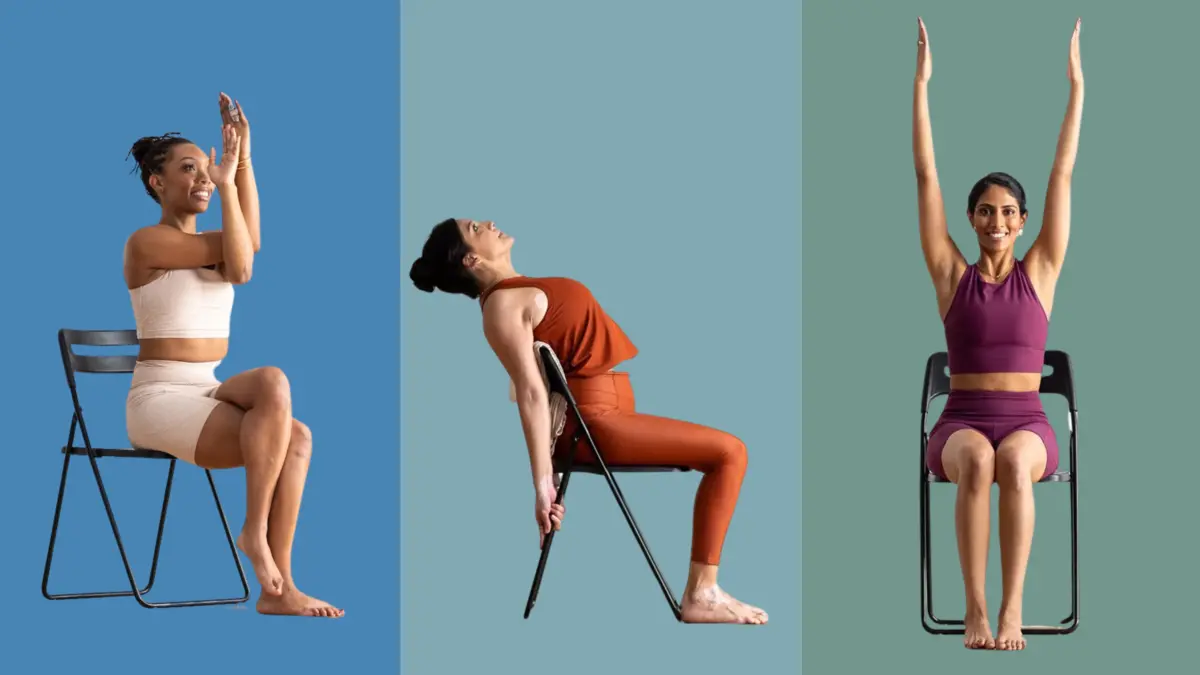
In an era dominated by desk-bound labor, remote work, and endless hours spent staring at screens, the physical toll of a sedentary lifestyle has become a modern health crisis. Chronic lower back pain, tight hip flexors, shoulder stiffness, and the notorious "keyboard hunch" plague millions of office workers daily. However, a growing movement within the wellness sector is offering an accessible, highly practical solution that requires neither a dedicated studio nor a sprawling floor mat: chair yoga.
Chair yoga adapts traditional yoga asanas (postures) so they can be practiced from the comfort of an office, desk, or dining room chair. By offering increased accessibility, reduced joint strain, and enhanced stability, chair yoga strips away the intimidation factor of traditional yoga while preserving its core physiological and mental benefits. Far from being a diluted version of the practice, chair yoga provides a targeted, ergonomic intervention designed to counteract the structural damage caused by prolonged sitting—all without requiring practitioners to leave their seats.
Chronology: The Evolution of Accessible Yoga
To understand the current mainstream explosion of chair yoga, it helps to look at how the practice has evolved:
- Ancient Roots to Modern Adaptation: While traditional hatha yoga dates back centuries, modified yoga practices began gaining clinical and institutional traction in the late 20th century, primarily utilized in physical therapy and senior care facilities to improve mobility without risking falls.
- The Remote Work Boom (2020–2023): The global shift toward remote work catalyzed an urgent need for at-home ergonomic solutions. As kitchen tables and makeshift home offices replaced corporate ergonomic setups, complaints of repetitive strain injuries and postural fatigue surged.
- Mainstream Integration (2024–2025): Fitness and wellness platforms began heavily investing in bite-sized, accessible movement routines tailored specifically for working professionals. Corporations started integrating "desk yoga" breaks into wellness programs to combat employee burnout and physical fatigue.
- The 2026 Paradigm Shift: Today, chair yoga is no longer viewed merely as a therapeutic intervention for older adults or individuals with limited mobility. It is widely recognized as a preventative corporate wellness tool, seamlessly integrated into the daily routines of desk workers seeking to maintain flexibility and focus.
Supporting Data: The Cost of Sitting and the Science of Movement
To contextualize the necessity of chair yoga, one must examine the physiological impact of a sedentary workday and how micro-movements can alter those outcomes.
The Sedentary Epidemic
According to occupational health data, the average desk worker spends between 7 to 10 hours a day seated. Prolonged sitting leads to:
- Muscular Deactivation: Gluteal muscles and core stabilizers essentially "turn off" when compressed for hours, forcing the lower back and neck to overcompensate.
- Circulatory Sluggishness: Blood flow to the lower extremities decreases significantly, contributing to fatigue, stiffness, and long-term cardiovascular risks.
- Respiratory Restriction: The classic "slumped" posture compresses the thoracic cavity, limiting deep diaphragmatic breathing and reducing oxygen intake, which directly impacts cognitive focus and energy levels.
The Ergonomic Advantage of Chair Yoga
Unlike floor-based yoga, which requires getting up and down and can sometimes stress the knees, wrists, or lower back, chair yoga utilizes the furniture itself as a prop. This provides structural support that allows practitioners to isolate specific muscle groups safely. For instance, performing a twist or a side-stretch while anchored to a stable chair eliminates balance concerns, allowing the nervous system to relax and focus entirely on tissue elongation and breath regulation.
Official Responses: Ergonomists and Instructors Weigh In
Health professionals, physical therapists, and yoga instructors increasingly champion chair yoga as a bridge between occupational hazards and physical rehabilitation.
"We cannot realistically expect modern knowledge workers to abandon their desks, nor can we expect them to drop to the floor for a 60-minute vinyasa flow in the middle of a workday," notes Dr. Elena Vance, a specialist in occupational ergonomics and physical medicine. "What we can do is introduce micro-interventions. Chair yoga works because it meets people exactly where they are—literally. It interrupts the physiological feedback loop of slouching and stagnation."
Yoga educators emphasize that the mental health benefits are just as profound as the physical ones. "When you take two minutes to raise your arms overhead or open your chest in a seated backbend, you aren’t just stretching tight fascia," explains certified yoga instructor Marcus Thorne. "You are signaling your nervous system to step out of the chronic ‘fight-or-flight’ stress response tied to work deadlines and deep into parasympathetic breathing. It resets your mental clarity."
Implications: Transforming the Workplace One Posture at a Time
The mainstream adoption of chair yoga carries sweeping implications for corporate wellness, employee retention, and preventative healthcare.
1. Shift Toward Preventive Corporate Wellness
Instead of relying on reactive measures—such as treating chronic lower back pain with physical therapy or pain management after the fact—companies are exploring proactive ergonomic strategies. Implementing micro-movement breaks reduces musculoskeletal disorders (MSDs), which account for a massive percentage of workplace sick leave and lost productivity.
2. Democratization of Mindfulness and Movement
One of the greatest barriers to physical fitness is time scarcity. By proving that yoga can be practiced fully clothed, at a desk, in under five minutes, chair yoga dismantles the psychological barrier of entry. Anyone with a chair can practice, making wellness inclusive across all age groups, fitness levels, and physical abilities.
3. Redefining Productivity Culture
The cultural narrative that equates productivity with staying glued to a chair for hours on end is slowly breaking down. Forward-thinking organizations are beginning to recognize that strategic movement breaks do not detract from work output—they enhance it. Increased blood flow, reduced muscle tension, and regulated breathing directly correlate with sharper focus, better mood regulation, and enhanced creative problem-solving.
5 Essential Chair Yoga Poses to Try Right Now
The options for modified chair yoga shapes are virtually endless, but experts recommend starting with these five accessible postures to target common areas of desk-induced tension:
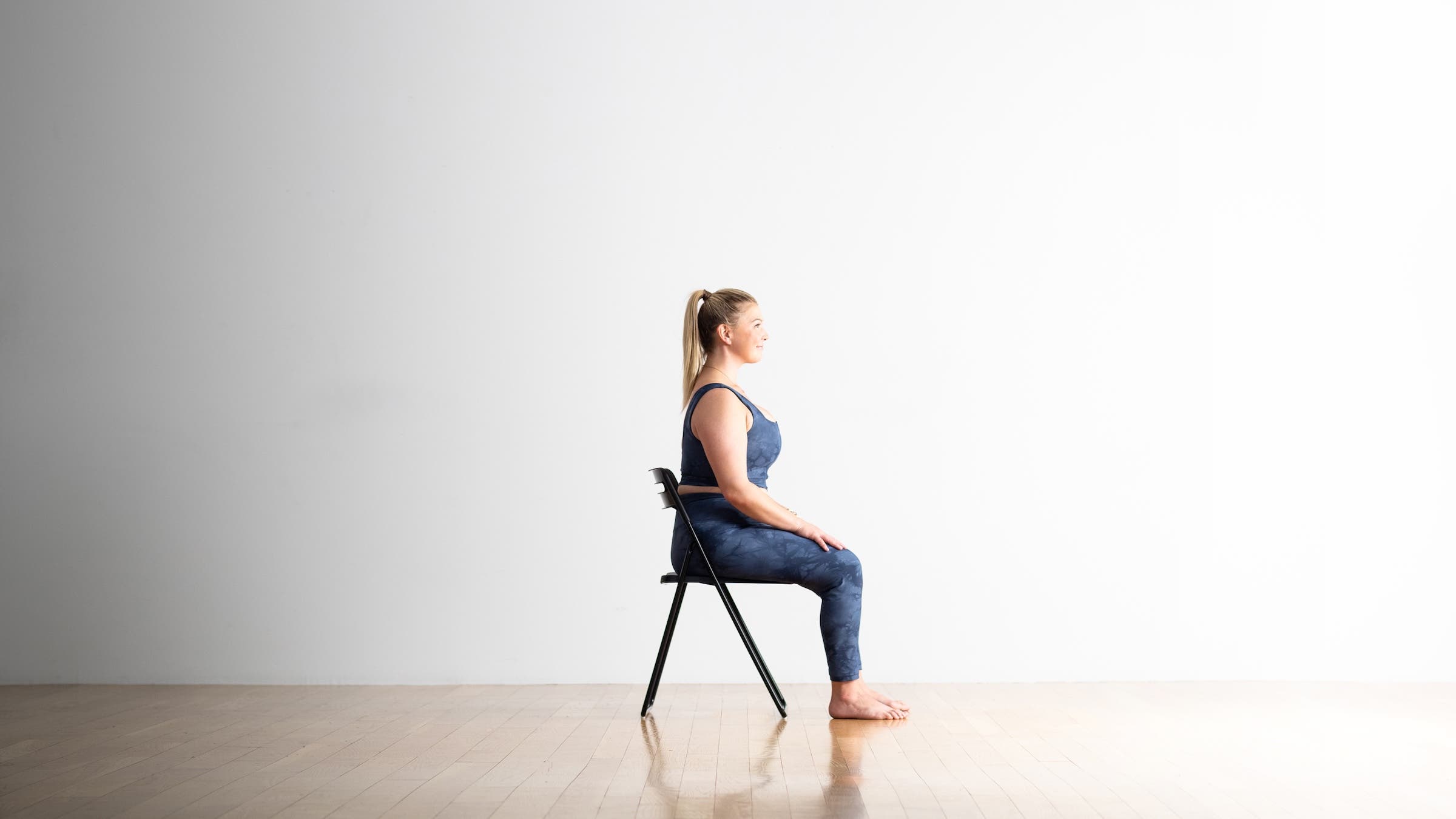
1. Seated Easy Pose (Sukhasana Variation)
Yes, simply sitting upright can be a foundational yoga practice when approached with mindfulness.
- How to do it: Shift your weight toward the front edge of your chair to discourage slumping. Plant your feet firmly on the floor directly beneath your knees. Extend upward from your tailbone, imagining a string pulling the crown of your head toward the ceiling.
- The Benefit: Engages your core and back stabilizers while establishing postural alignment and mental calm.
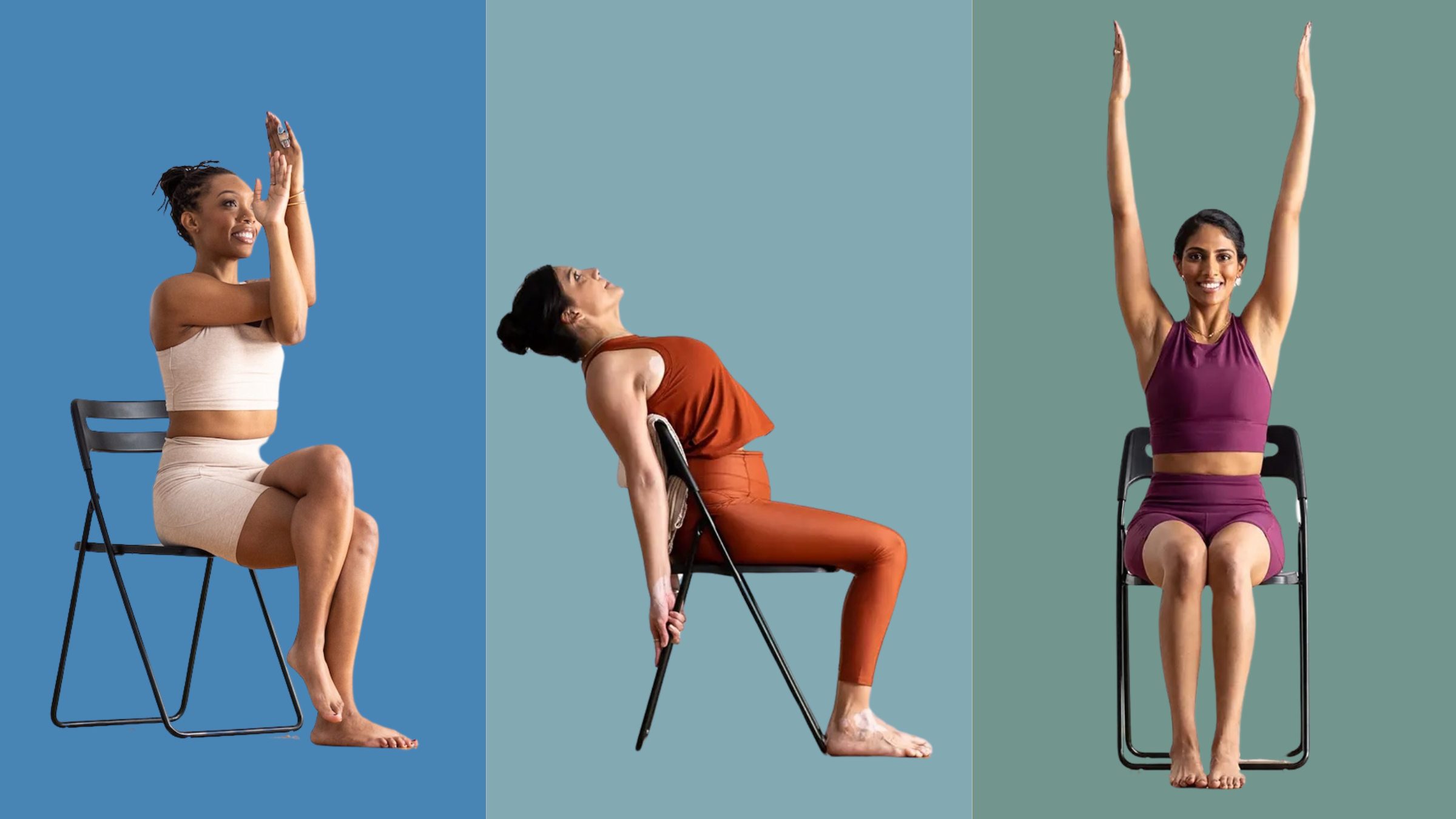
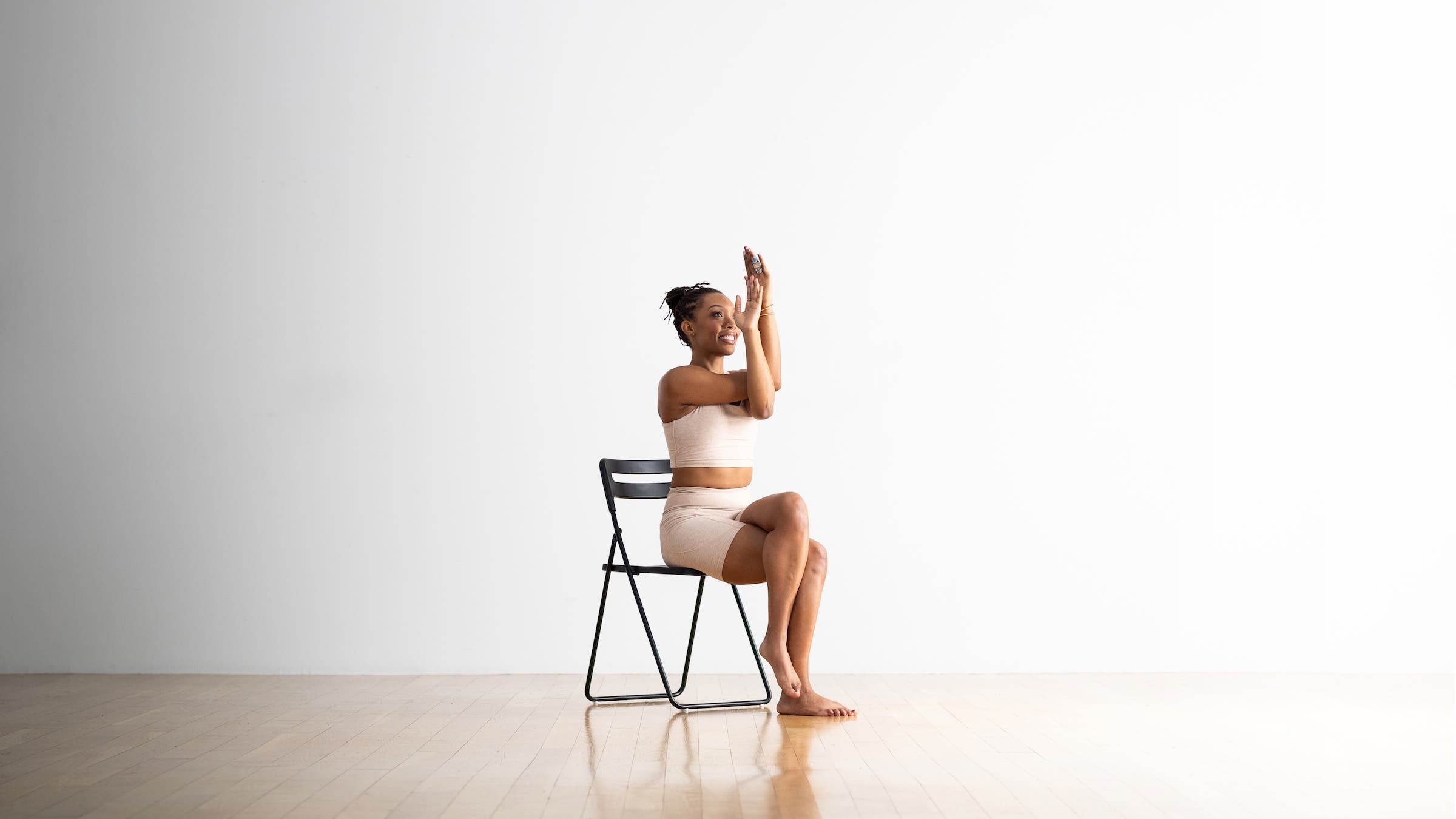
2. Seated Eagle Pose (Garudasana Variation)
By removing the balancing challenge of traditional Eagle Pose, the seated version allows for a deep, focused upper-body release.
- How to do it: Cross your right thigh over your left (crossing at the knees or ankles). Hook your right arm under your left, bringing your palms toward each other or pressing the backs of your hands together. Lift your elbows to shoulder height. Breathe deeply into your upper back and outer hips, then switch sides.
- The Benefit: Gently compresses and opens the shoulder blades, upper back, and outer hips, releasing tension accumulated from typing.
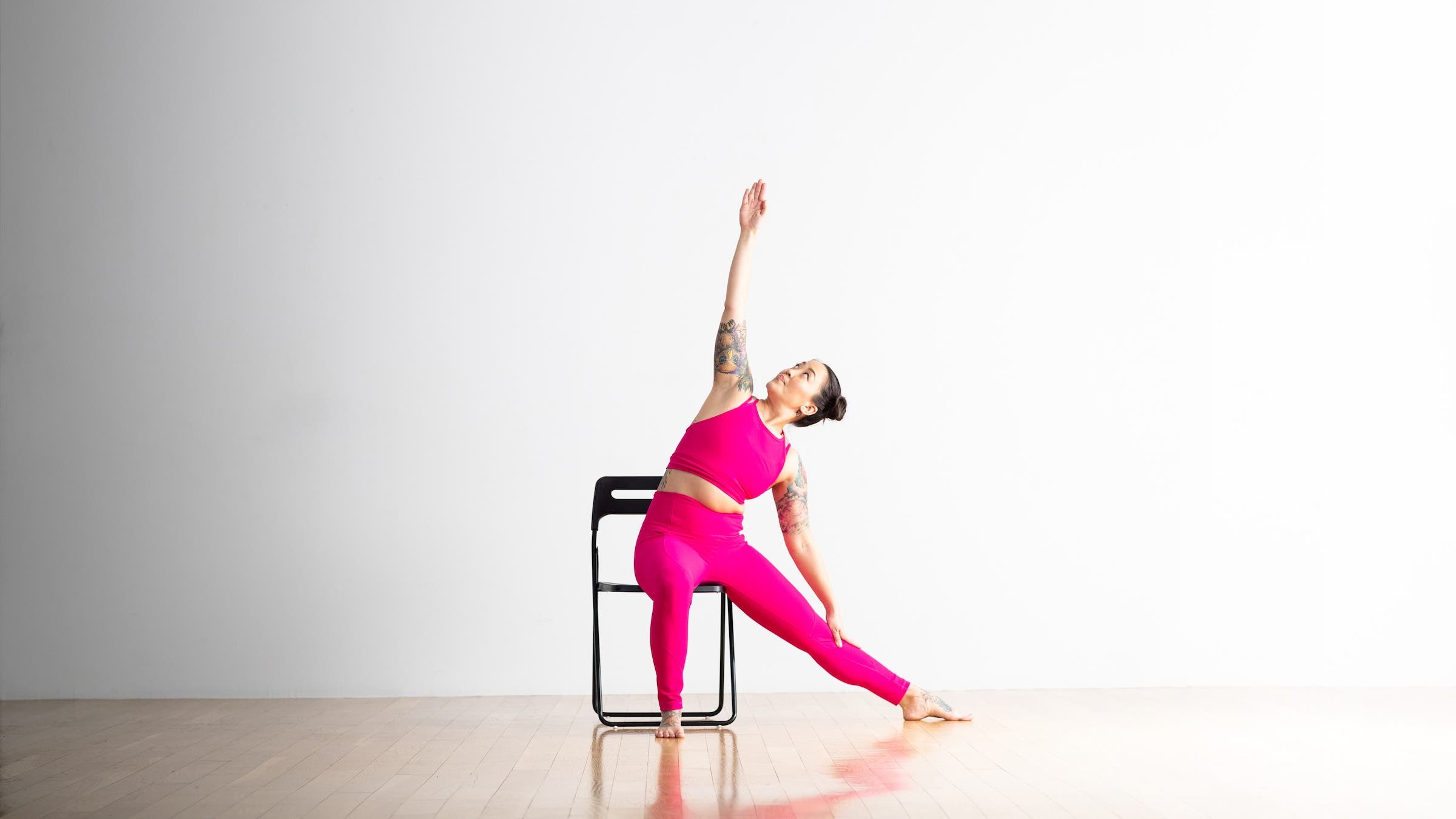
3. Seated Triangle Pose (Trikonasana Variation)
A brilliant remedy for lateral torso compression and lower back discomfort.
- How to do it: Extend your right leg out to the side, keeping your foot grounded. Reach your right hand down toward your right shin or let it rest gently on your thigh, then sweep your left arm up and overhead toward the side wall, opening your chest.
- The Benefit: Stretches the side body, engages the core, and relieves the lower back tension frequently caused by hours of static sitting.
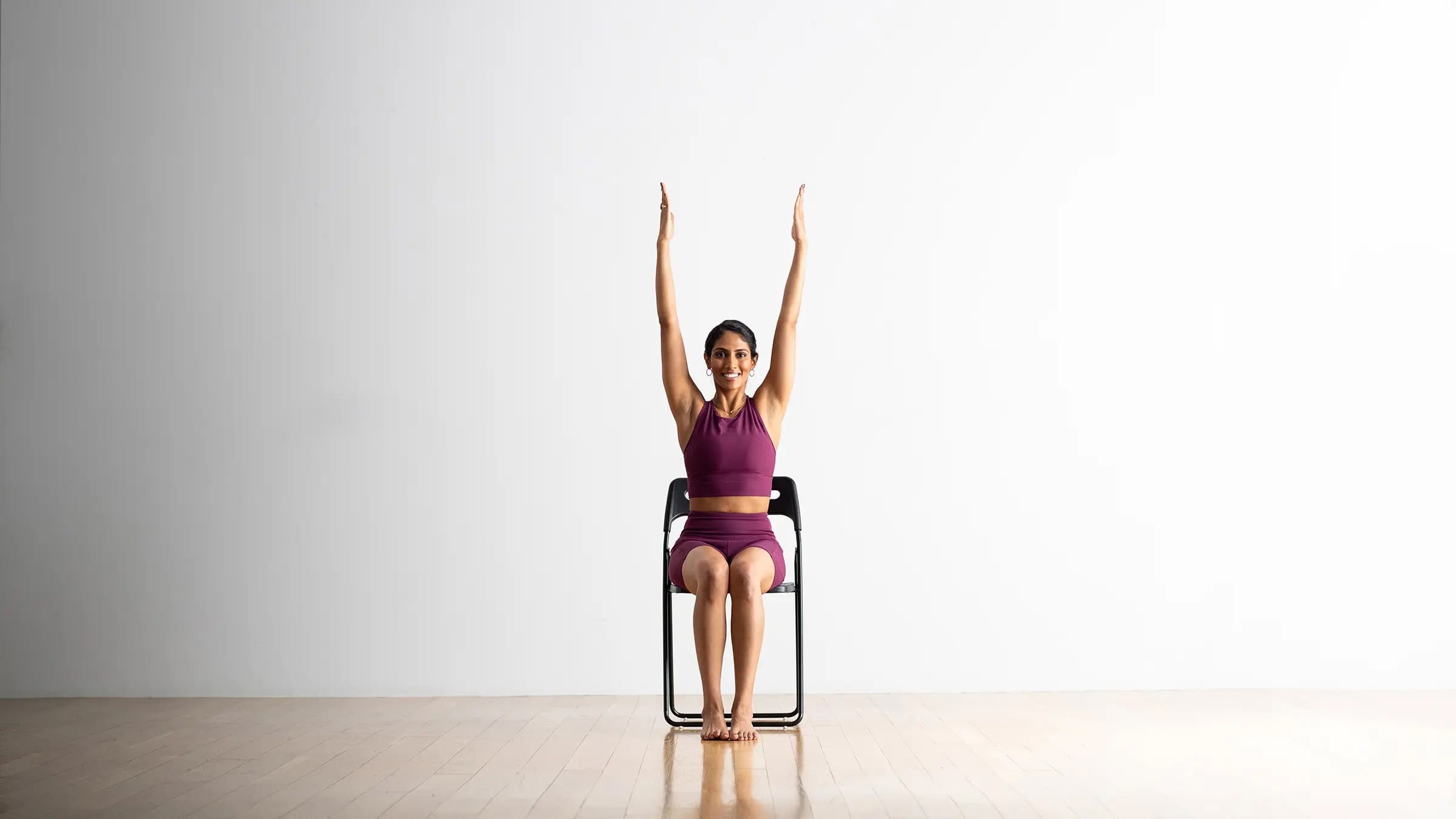
4. Seated Upward Salute (Urdhva Hastasana)
A powerful antidote to shallow breathing and upper-body fatigue.
- How to do it: Inhale deeply as you sweep both arms out to the sides and up overhead. Lengthen actively through your fingertips while keeping your shoulders dropped away from your ears. Hold statically for several breaths, or gently sway side to side.
- The Benefit: Lifts the torso away from the hip joints, expands the thoracic cavity for deeper breathing, and stretches the shoulders, arms, and spine.
5. Seated Camel Pose (Ustrasana Variation)
The ultimate structural counter-movement to the dreaded "keyboard hunch."
- How to do it: Scoot forward in your chair, place your hands on your lower back or grip the back corners of your chair seat, and gently lean your upper spine backward while lifting your heart toward the ceiling. Keep your neck comfortable—either looking forward or gently dropping back if your neck allows.
- The Benefit: Opens the chest, energizes the mind and body without stressing the lower back, and reverses the forward-slumping posture typical of computer work.
Conclusion
As the boundaries between work and home continue to blur and sedentary hours accumulate, finding moments of mindful movement is no longer a luxury—it is a physiological necessity. Chair yoga proves that you do not need an hour of free time, a yoga studio membership, or even a mat to care for your body. By integrating these simple, supported postures into your workday, you can reclaim your posture, soothe your nervous system, and transform your chair from a hazard of modern life into a vehicle for wellness.
