

Published October 4, 2026
In an era defined by fast-paced digital engagement and relentless daily schedules, the modern wellness movement increasingly seeks sanctuary within the home. While short-form, 10-to-20-minute movement snacks have carved out an essential role in daily health maintenance, practitioners frequently crave a deeper, immersive experience—one that mirrors the uninterrupted sanctuary of a professional yoga studio.
Answering this widespread demand, renowned digital yoga educator Kassandra Reinhardt, widely known as "Yoga With Kassandra," has released a comprehensive, full-length 1-hour yin yoga sequence designed to be performed entirely at home without the need for specialized equipment. This release addresses a common barrier to entry for home-based practitioners: the accessibility of props.
Main Facts: The Anatomy of a Prop-Free Studio Experience
The cornerstone of this newly debuted 1-hour yin yoga sequence is its radical accessibility. Traditional yin yoga classes can be heavily prop-intensive, relying on an inventory of blocks, blankets, bolsters, and straps typically maintained by commercial studios. However, many home practitioners lack these specialized items, which can create a psychological or physical barrier to a complete practice.
By stripping away the requirement for props, Reinhardt’s sequence democratizes deep connective-tissue work. The class systematically targets major physiological tension points—specifically the hips, hamstrings, shoulders, and spine—while maintaining the core integrity of a traditional studio session.
- Duration: 60 minutes, concluding with a full-length Savasana.
- Instructor: Yoga With Kassandra (a decade-long digital teaching veteran with thousands of published classes).
- Equipment Requirement: Zero props required (though optional for those who possess them).
- Core Focus: Deep stretching of connective tissues, joints, and fascia, rather than superficial muscle strengthening.
Chronology: The Three Foundational Principles of Practice
Before moving through the asanas, practitioners are reminded of the foundational philosophy that governs yin yoga. Unlike dynamic, muscular styles of yoga (such as Vinyasa or Ashtanga), yin yoga operates under three immutable laws:
- Find Your Edge: Practitioners are instructed never to chase intensity, force, or pull their bodies into a shape. The edge is met when a deep stretch is felt without sharp pain or muscular straining.
- Hold for Time: Poses are maintained for extended periods—typically around three minutes per side—allowing the nervous system to adapt and the connective tissues to respond to safe, sustained stress.
- Resolve to Be Still: Minimizing fidgeting or movement is critical. Stillness ensures that mechanical stress is safely directed into the joints, ligaments, and fascia (connective tissues) rather than localized muscle groups.
Supporting Data: The 1-Hour Sequence Breakdown
Designed to be executed sequentially with minimal transitions, the routine incorporates a guided full-body scan meditation to transition the nervous system from a state of "fight or flight" into rest-and-digest.
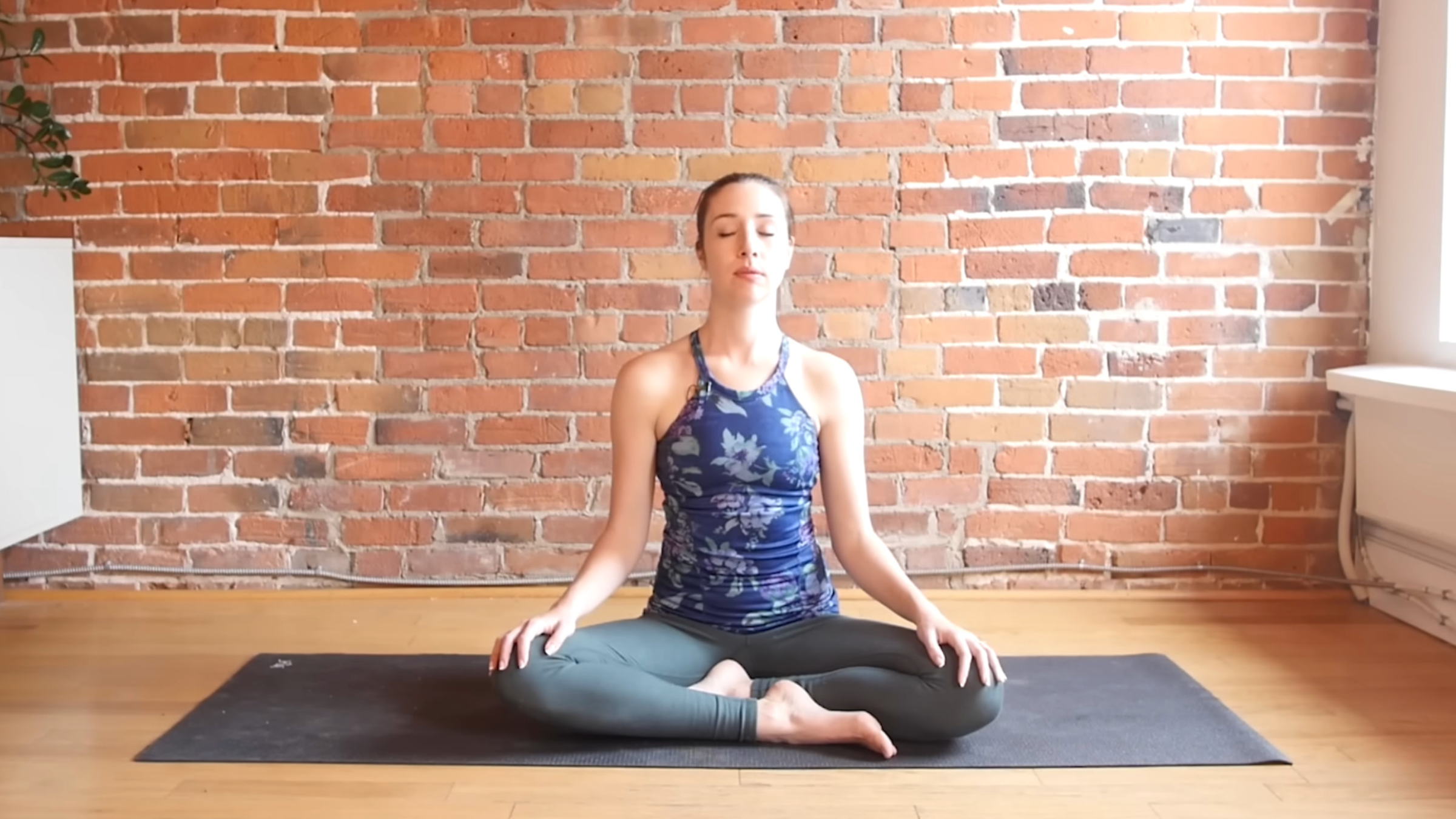
1. Centering (Seated Meditation)
- Execution: Seated cross-legged, kneeling, or with the back supported against a wall. Hands rest comfortably on the thighs.
- Method: A head-to-toe body scan is introduced. Practitioners systematically soften facial muscles, the jaw, neck, shoulders, arms, upper back, chest, belly, pelvis, hips, and lower extremities.
- Duration: Approximately 10 deep, silent breaths, focusing entirely on internal physical sensations and releasing residual muscle tension.
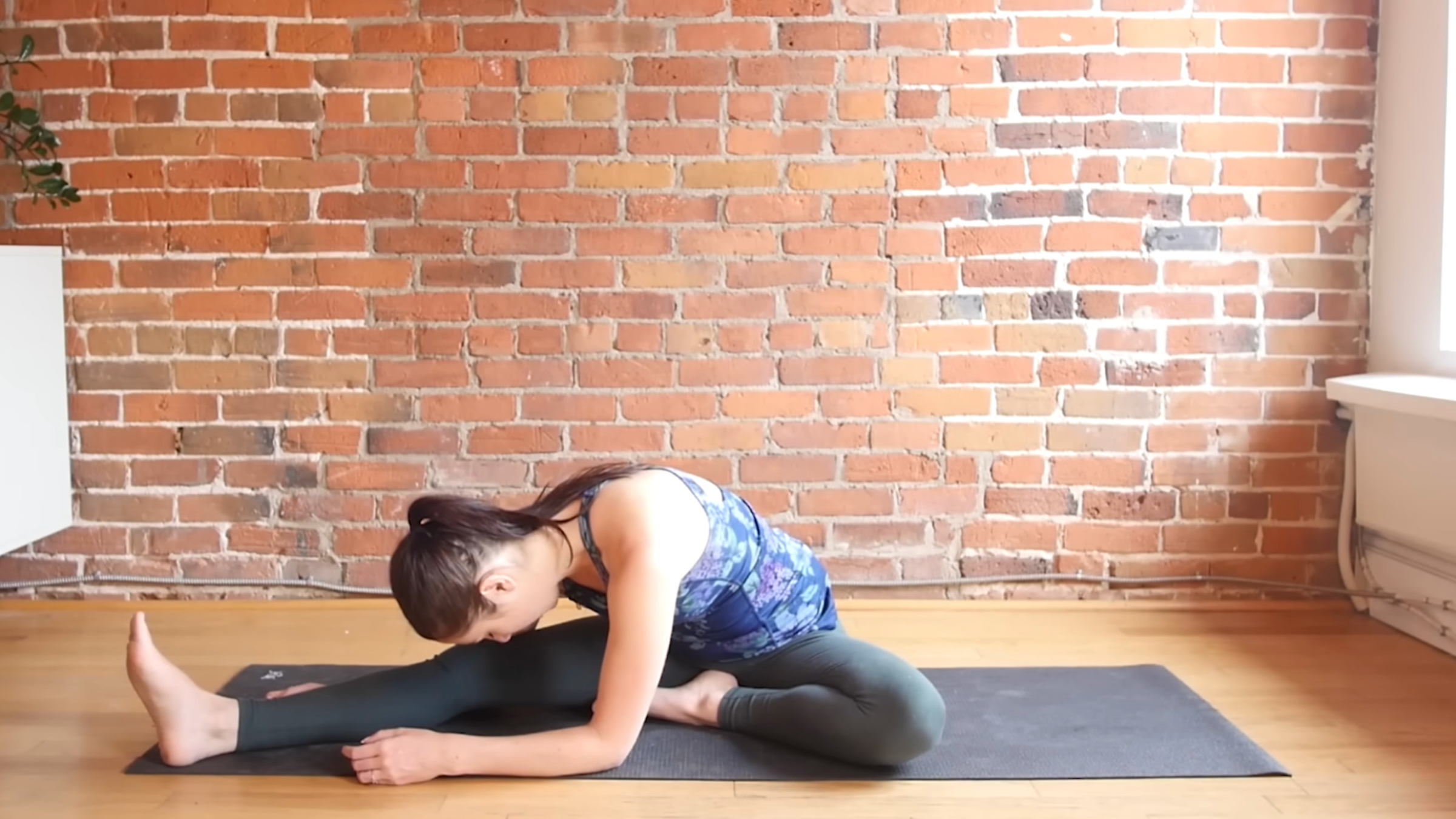
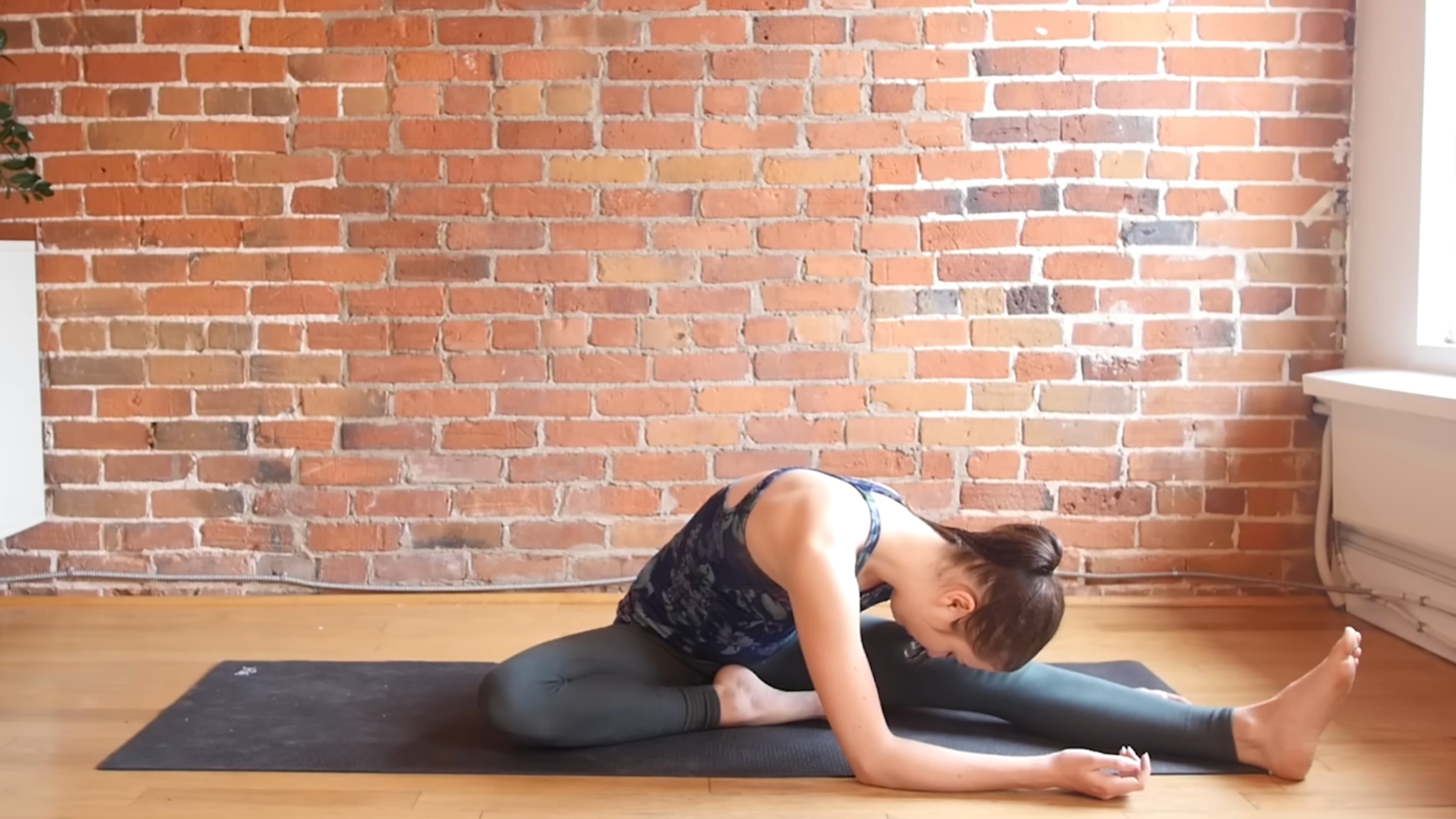
2. Half Butterfly
- Execution: The right leg extends straight and slightly out to the side; the left knee bends with the left heel drawn toward the inner right thigh. The chest rotates toward the right shin before gently folding forward.
- Method: Gravity drives the stretch. Palms face upward as a physical and mental reminder to surrender rather than pull or push.
- Transition: Hands walk backward to lift the chest inch by inch before repeating the sequence on the opposite side.
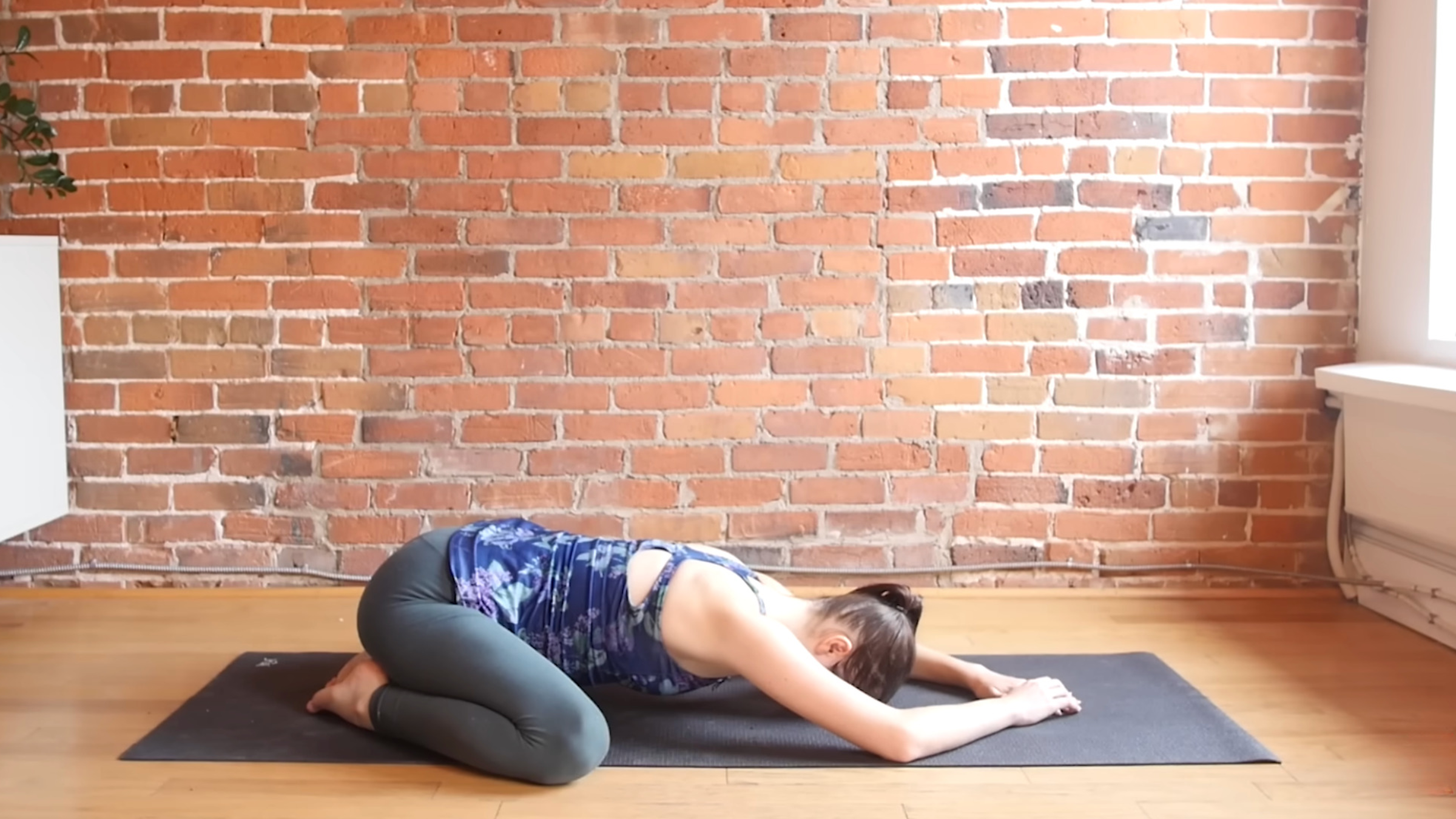
3. Child’s Pose
- Execution: Big toes touch, knees widen to the edges of the mat (wider knees produce a more pronounced sensation in the hips), and hips sink backward toward the heels while arms reach forward.
- Method: Foreheads rest either directly on the mat or atop stacked hands. Once settled, practitioners commit to absolute stillness.
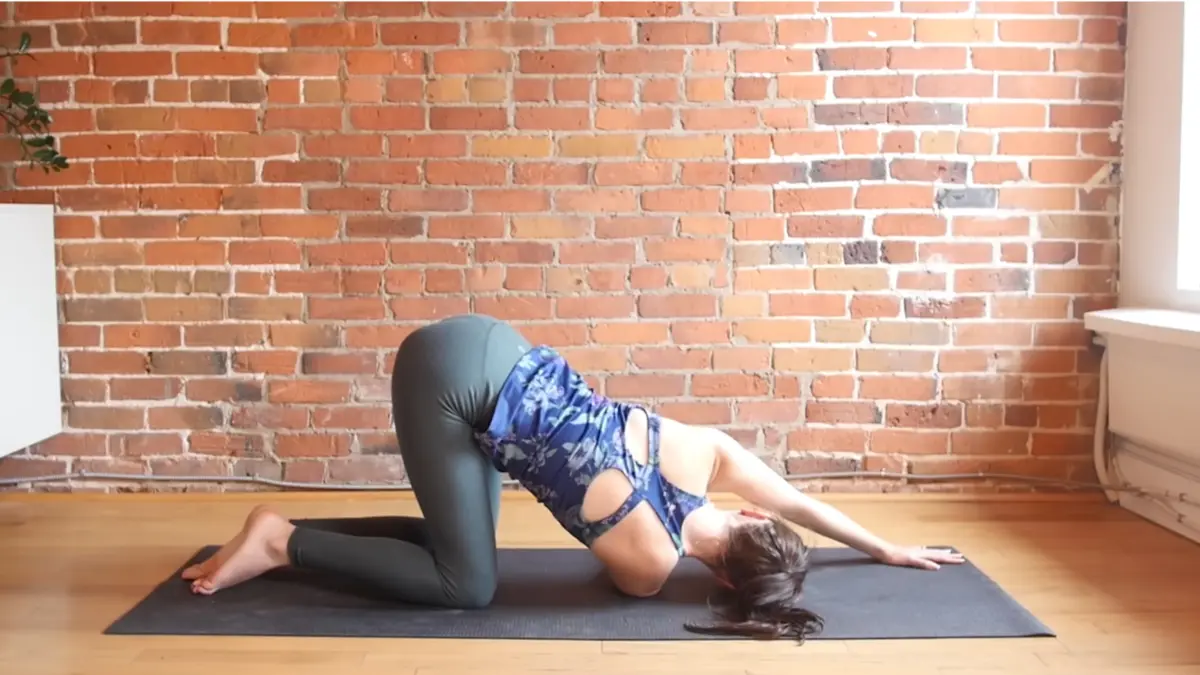
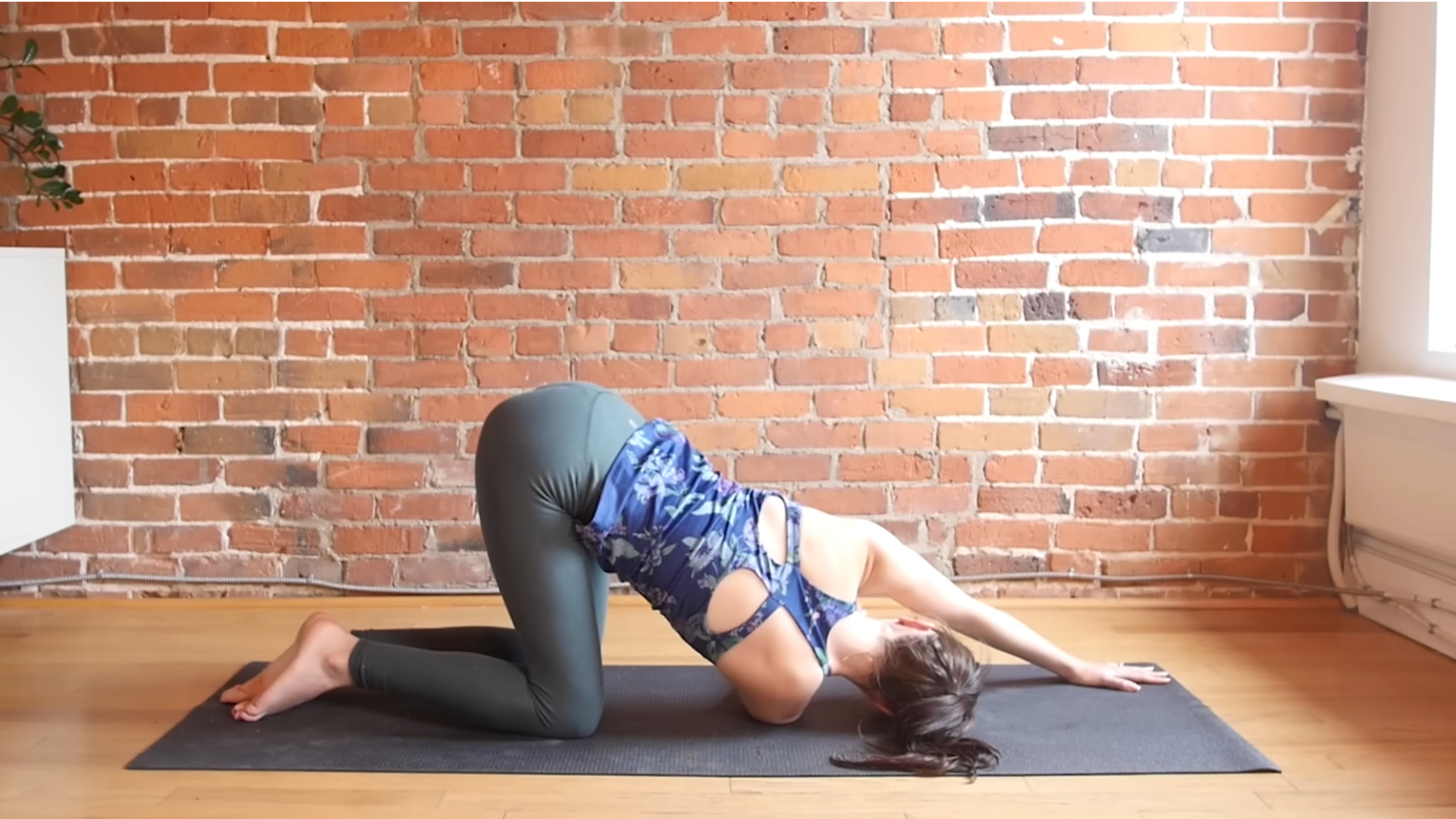
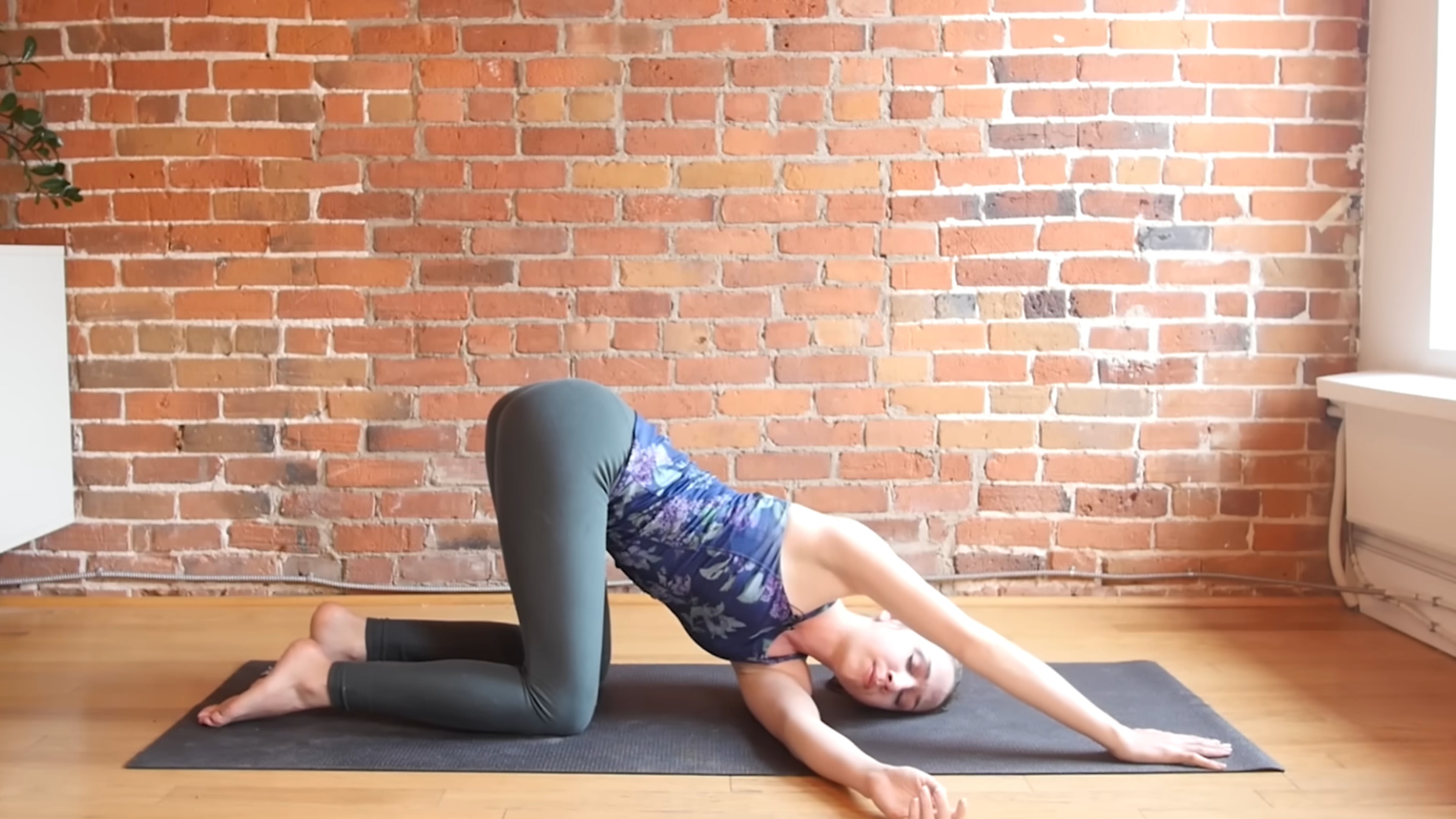
4. Thread the Needle
- Execution: Starting from a tabletop position on hands and knees, the left arm threads underneath the torso toward the right until the left shoulder and ear contact the mat.
- Method: The right arm either remains bent or extends straight forward with the palm pressing into the floor. This targets the upper back and the thoracic fascia situated between the shoulder blades, maintaining neutral hip alignment over the knees. Repeated symmetrically on both sides.
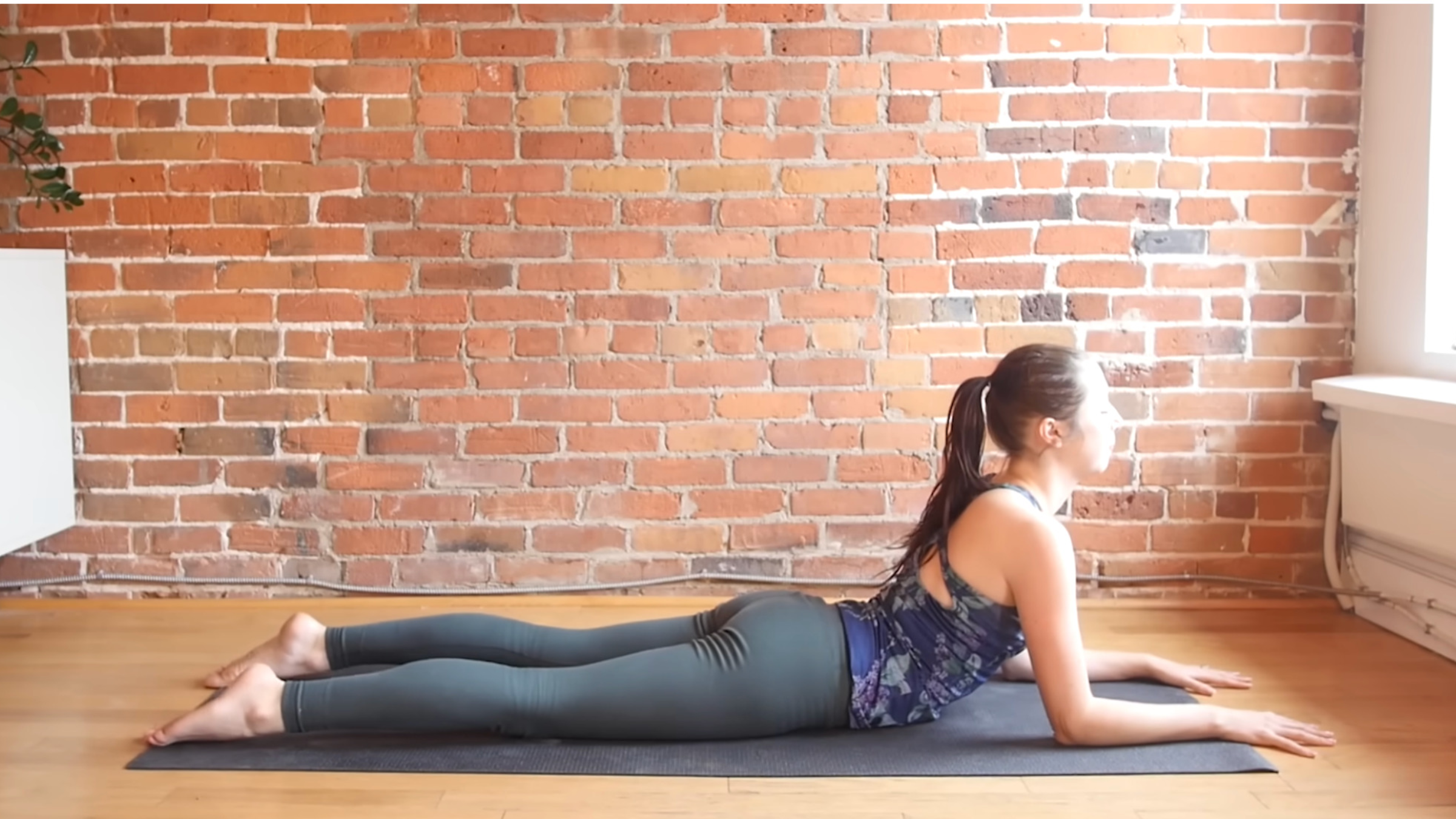
5. Sphinx Pose
- Execution: The body lowers onto the belly and forearms. Toes point backward while the chest lifts and shoulders draw downward and back.
- Method: Intensity is individually modulated by sliding the forearms forward (reducing intensity) or backward (increasing the spinal arch).
6. Lying Chest Opener
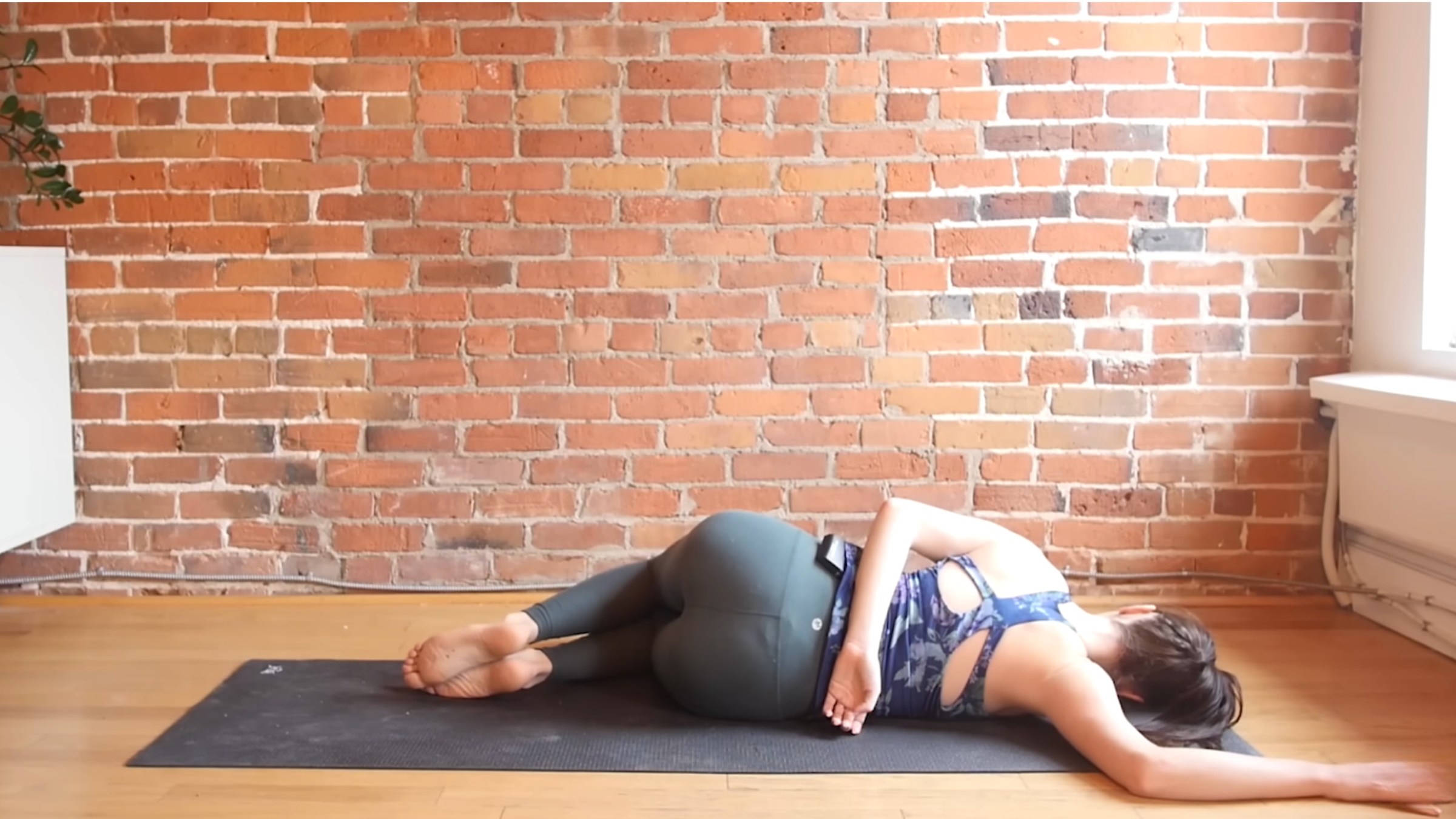
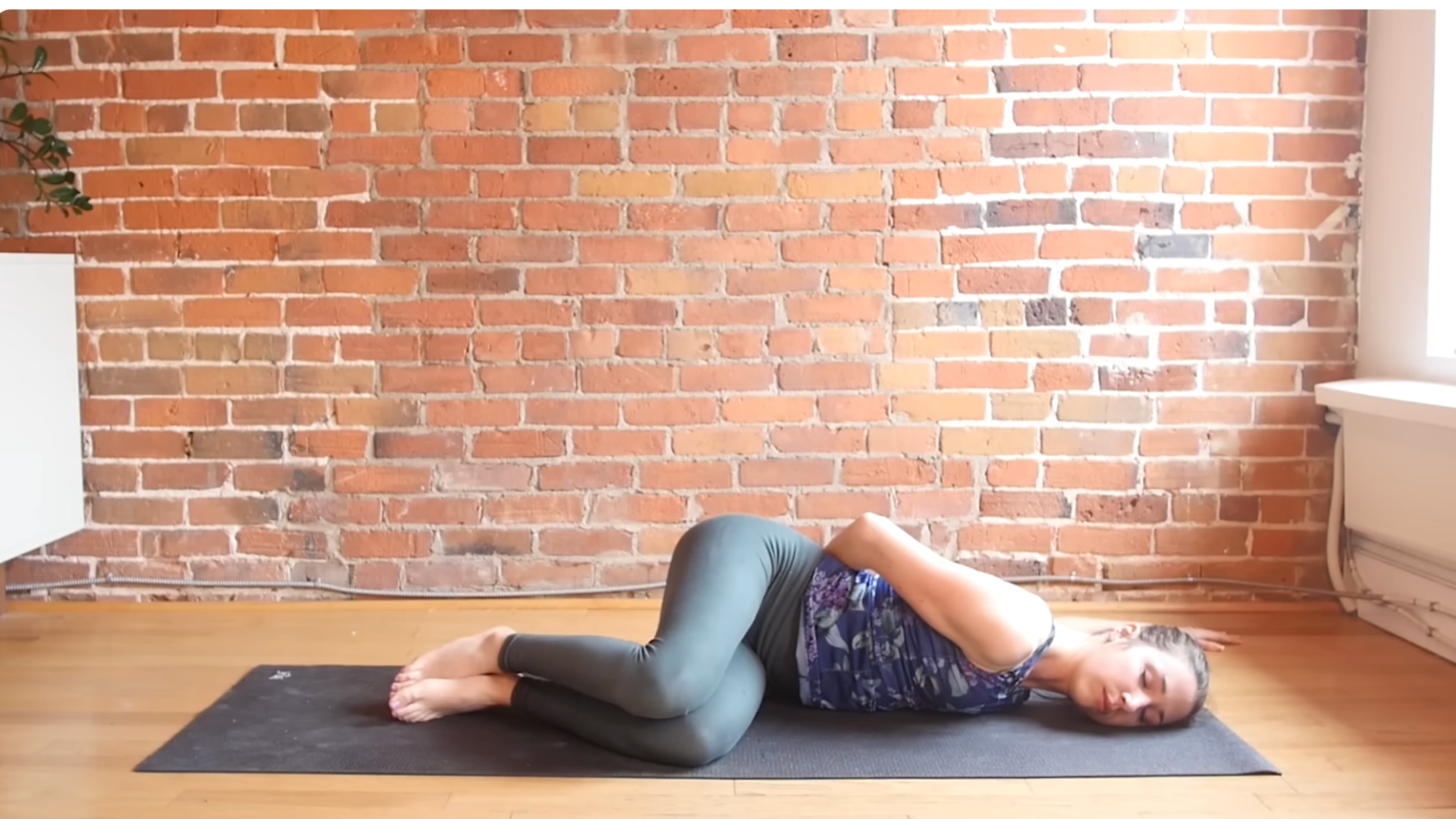
- Execution: The right arm extends straight out to the side at a 90-degree angle, elbow bent slightly forward of the shoulder with the palm flat. The body rolls onto the right hip, shoulder, and ear with knees bent.
- Method: The left hand acts as a stabilizer on the mat or wraps behind the lower back. This asana opens the bicep, anterior shoulder girdle, and pectoral muscles. Repeated on the left side.
7. Reclined Pigeon Pose & Reclined Shoelace
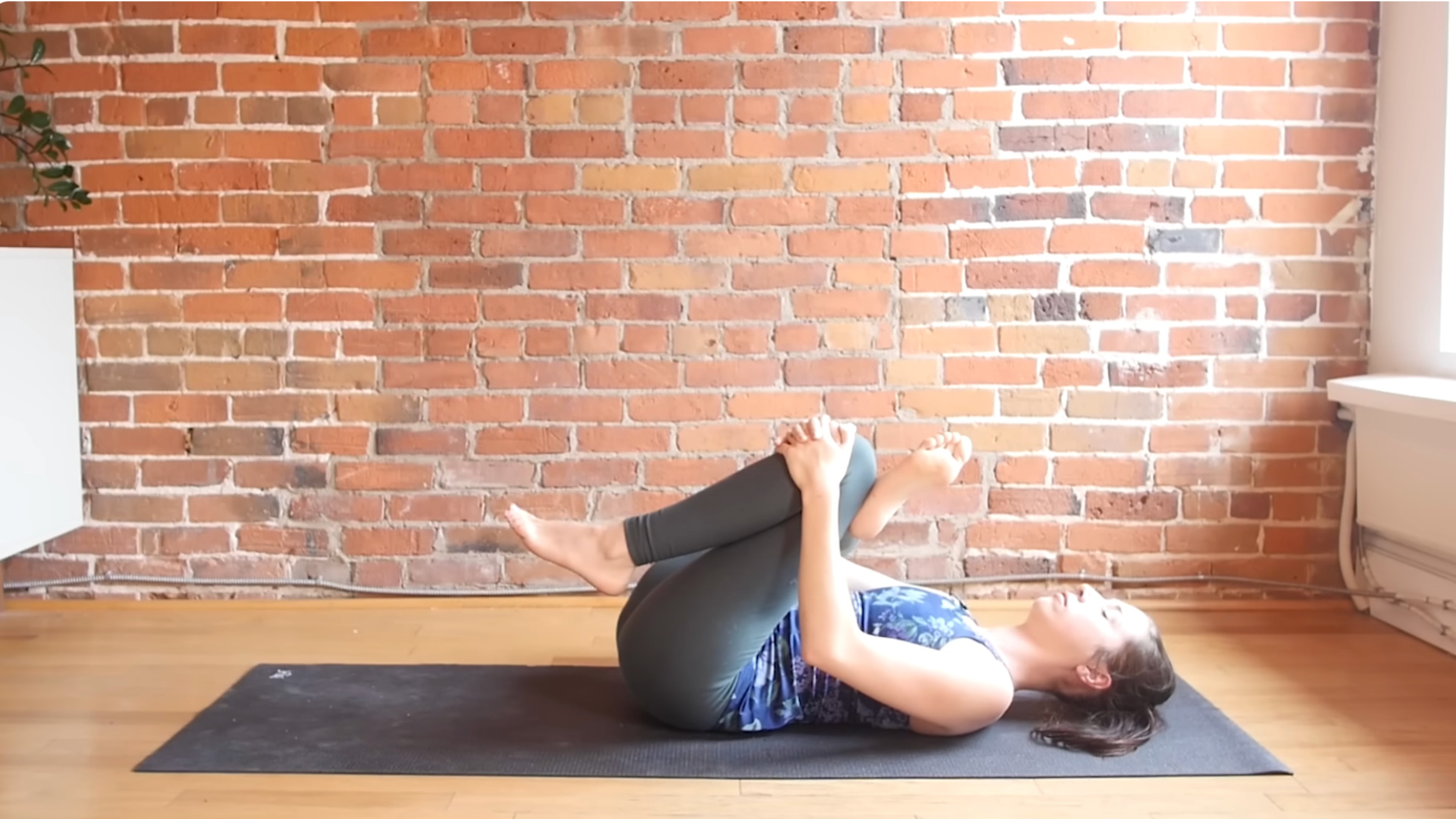
- Execution: Lying supine on the back, the right ankle crosses over the left knee (Reclined Pigeon), followed by a deeper cross where the right thigh stacks directly over the left (Reclined Shoelace).
- Method: Hands draw the legs toward the chest or grasp opposite feet to isolate the outer hips and gluteal fascia without compressing the lumbar spine.
8. Happy Baby Pose
- Execution: Knees bend wide toward the armpits; hands grasp the outer edges of the feet with ankles stacked directly over the knees.
- Method: The tailbone and lower back remain anchored to the mat while minimal arm strength draws the knees closer to the floor, opening the pelvic girdle.
9. Savasana (Corpse Pose)
- Execution: Limbs extend outward, claiming physical space on the mat.
- Method: A final body scan is performed to ensure complete muscular release and surrender to gravity, followed by a gradual awakening of the breath, fingers, and toes before returning to a seated posture.
Official Responses and Practitioner Reception
The release of this sequence has sparked considerable dialogue within digital wellness communities. Home practitioners have widely praised the routine for bridging the gap between studio-quality instruction and domestic convenience.
Yoga With Kassandra’s production philosophy centers on addressing community feedback directly. According to viewer remarks across digital platforms, the choice to eliminate props has removed the psychological barrier of feeling "unprepared" for a long-form practice. Instructors and physical therapists frequently emphasize that yin yoga does not inherently require props; rather, props are modification tools. By teaching practitioners how to use their own body weight and gravity intelligently, the sequence encourages greater body awareness and self-regulation.
Implications: The Shift Toward Autonomous Home Wellness
The popularity of prop-free, studio-length digital classes highlights a broader evolution in consumer health habits. As remote work and flexible lifestyles become permanent fixtures for millions, the reliance on brick-and-mortar studio schedules is steadily declining.
Key Cultural and Wellness Implications:
- Financial Accessibility: High-end studio memberships can be cost-prohibitive. Free, high-definition digital resources taught by veteran educators democratize access to restorative health practices.
- Time Efficiency Without Compromise: By eliminating travel time, parking hassles, and equipment acquisition costs, practitioners can seamlessly integrate a restorative 60-minute mental health break into a busy day.
- Mindfulness and Self-Reliance: Practicing without props forces individuals to listen closely to their body’s unique architecture rather than forcing themselves into shapes dictated by auxiliary blocks or straps. It fosters an internal locus of control regarding physical limits, comfort, and safety.
Ultimately, Yoga With Kassandra’s 1-hour yin sequence proves that deep, transformative restorative movement does not require a specialized studio environment. With a simple mat, a commitment to stillness, and an openness to the three principles of yin, the profound benefits of ancient somatic practices remain accessible to anyone, anywhere.
