

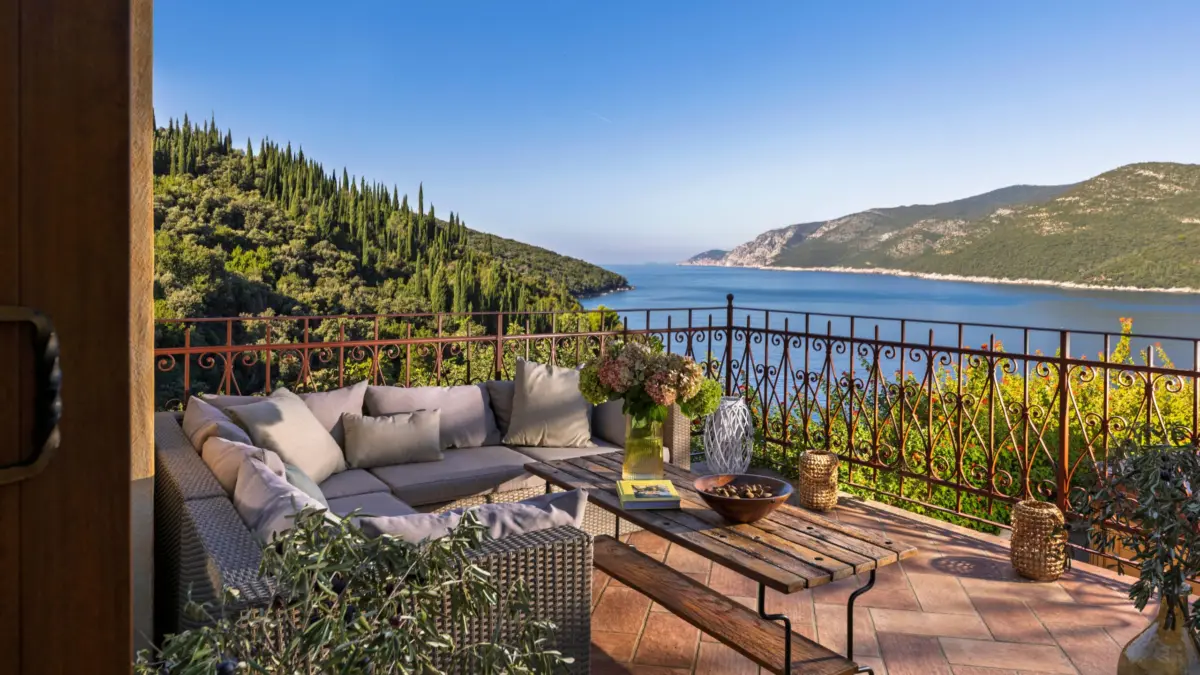
For years, Croatia has been heralded as the Mediterranean’s best-kept secret—a shimmering, rugged alternative to the well-trodden paths of Italy and Greece. Famed for its hypnotic turquoise waters that lap against sun-drenched limestone coastlines, the Adriatic nation offers a sensory-rich playground. It is a place where travelers can spend their mornings charting hidden coves by boat, snorkeling in crystalline depths, or lazily basking under the Balkan sun, only to spend their afternoons deep-diving into a complex, thousand-year history.
Beyond its picturesque beaches, Croatia rewards the curious traveler with profound cultural layering. It is a landscape where ancient Roman ruins effortlessly double as bustling modern town squares—nowhere more vividly illustrated than in Split, where the vibrant old town is physically constructed within the sprawling imperial footprints of Diocletian’s Palace. It is a destination defined by family-run konobas (traditional taverns) serving up the morning’s fresh seafood haul, and an idyllic archipelago—featuring islands like Hvar, Vis, and Brač—tailored for effortless island-hopping.
To truly experience this Adriatic oasis, where you stay matters just as much as what you see. The country’s top-tier accommodations place travelers right at the nexus of heritage and modern luxury. From historic lofts tucked directly into ancient Roman fortress walls to secluded, ultra-modern seaside villas with private beaches, here is an exhaustive architectural and geographic guide to the finest places to stay in Croatia.
Main Facts: The Evolution of Croatian Luxury Travel
Croatia’s hospitality sector has undergone a seismic shift over the past decade, pivoting away from standard coastal hotels toward highly curated, design-forward private properties.
- The Design Philosophy: Contemporary Croatian interior design often relies on a striking juxtaposition: raw, industrial concrete ceilings paired with mid-century antiques, or centuries-old hand-hewn wooden beams framing ultra-minimalist, whitewashed Scandinavian aesthetics.
- Geographic Diversity: Luxury stays are no longer confined to the shoreline. While coastal properties offer direct Adriatic access, inland regions like Istria boast agrarian estates surrounded by rolling hills, vineyards, and ancient olive groves.
- Experiential Concierge Culture: High-end rentals in Croatia frequently function like boutique hotels, bundling private chefs, daily housekeeping, truffle-hunting excursions, and custom boat charters directly into the booking package.
- Accessibility and Scale: Accommodations range widely in scale—from intimate 48-square-meter historical lofts in ancient city centers to sprawling 11-acre seafront compounds equipped with private screening rooms, infinite pools, and wellness centers.
Chronology: A Journey Through Croatia’s Architectural Eras
To understand where you are staying in Croatia, it helps to understand the epochs that built the landscape. The country’s architecture is a physical timeline of Mediterranean empires.
1. The Roman Foundation (3rd–4th Century AD)
The earliest strata of inhabited luxury in Croatia date back to the Roman Empire. Emperor Diocletian chose the Dalmatian coast for his retirement palace, a massive fortress complex that would eventually give birth to the city of Split. Today, modern travelers can literally sleep inside these ancient structural walls, bridging antiquity and contemporary living.
2. The Venetian Gothic and Renaissance (15th–18th Century)
During the centuries of Venetian rule along the Dalmatian coast, towns like Zadar, Trogir, and Hvar blossomed under maritime trade and Venetian Gothic architecture. Narrow stone alleys, elegant courtyards, and red-tiled roofs define this era, creating the dense, walkable old towns that tourists flock to today.
3. The Agrarian Vernacular (19th–20th Century)
Away from the maritime trade routes, rural Croatia—particularly in the northern peninsula of Istria—developed a vernacular style rooted in heavy stone farmhouses, rustic wooden framing, and agricultural self-sufficiency. These structures have increasingly been purchased and transformed by modern architects into striking luxury compounds that merge pastoral heritage with minimalist industrial design.

4. The Modern Boutique Era (Present Day)
Over the last fifteen years, a new wave of local designers and international investors has injected contemporary luxury into Croatia’s historic shells. By preserving exterior stone facades while gutting interiors to install smart technology, infinity pools, and expansive glass sliding doors, modern Croatian hospitality has created a distinct hybrid luxury style.
Supporting Data: Curated Architectural Stays in Croatia
Whether you seek the rustic tranquility of inland Istria, the pulse of a Roman palace, or total seclusion on a private Adriatic beach, these properties represent the pinnacle of Croatian lodging.
1. Luxury Countryside Istrian Estate
- Location: Istria (Inland; 30-minute drive to Poreč and Rovinj)
- The Vibe: Agrarian chic meets industrial minimalism. Raw concrete ceilings create a dramatic juxtaposition against 150-year-old furniture sourced from India and low-slung Minotti sofas.
- Perks: Beach access, seasonal private pool, heated infinity pool framed by olive trees, private outdoor area, indoor fireplace, laundry facilities, private chef, farm-fresh breakfast daily, free parking.
- The Experience: Situated in Istria—a region sculpted by rolling hills, vineyards, and ancient olive groves rather than immediate coastline—this estate redefines luxury. Guests are treated to daily breakfast featuring farm-fresh eggs and sweet juices, alongside a dedicated on-site team ready to organize truffle-hunting expeditions or private wine-tastings.
- Price: From $1,447 per night.
2. The Ultimate Seafront Compound (Villa Palma)
- Location: Cavtat / Dubrovnik Region
- The Vibe: Grandscale coastal opulence set across 11 sprawling acres.
- Perks: Sweeping seaside views, private beach stretch, screening room, pool table, private backyard, 14-meter infinity pool, hot tub, fully equipped gym, free parking.
- The Experience: Local fishermen still pull tuna and yellowtail out of the bay directly in front of Villa Palma each May and June. The estate stretches across 11 acres of orange and olive groves running down to a private beach. A 14-meter infinity pool is engineered so the water appears to spill straight into the Adriatic. Host Sanja provides seamless concierge services—arranging for a private chef, open-flame fish grills, private boat charters, or dinner reservations in nearby Cavtat with a simple text message.
- Price: From $3,462 per night.
3. Zadar Legacy House (Secluded Stone Villa)
- Location: Zadar region (5 minutes from the beach, 20 minutes from town)
- The Vibe: Expansive, ranch-style comfort with a wellness focus.
- Perks: Large pool, hot tub, indoor fireplace, private backyard, outdoor basketball court, pet-friendly, free parking.
- The Experience: Ditching traditional windows in favor of sizable sliding glass doors, Zadar Legacy House allows natural light to flood its interiors while establishing a seamless indoor-outdoor living flow. Vaulted ceilings accentuate the four-bedroom, four-bathroom layout, complemented by a dedicated wellness space. Textured walls and intentionally mismatched wooden furnishings cultivate a cozy, unpretentious luxury ambiance.
- Price: From $1,197 for a mandatory three-night minimum stay.
4. The Palace Loft
- Location: Inside Diocletian’s Palace, Split
- The Vibe: Historic bohemian romance.
- Perks: Private balcony, courtyard views, security system, central AC, immediate proximity to the Old Town.
- The Experience: Tucked a steep two flights up behind the sprawling stone arches of Split’s ancient palace, this 48-square-meter loft sits directly beneath centuries-old wooden beams. Mornings begin with coffee brewed in the corner kitchenette, enjoyed on a private balcony overlooking the ancient stone courtyard before stepping out into the bustling Old Town. Popular local hangouts like Parasol—a hybrid coffee shop and wine bar beloved by locals—are just steps away.
- Price: From $198 per night.
5. Minimalist Seaside Hideaway
- Location: Okrug Gornji, Island of Čiovo (near Trogir)
- The Vibe: Serene, whitewashed coastal minimalism.
- Perks: Seaside views, shared pool, private rooftop terrace, outdoor shower, air-conditioning, free parking.
- The Experience: Perched on the top floor of a small building on the island of Čiovo, this one-bedroom retreat boasts a private rooftop terrace significantly larger than the apartment below. Offering sweeping views across the sea toward Brač and Hvar, it is an ideal sunset perch for enjoying a gemišt—the classic local spritzer of white wine and sparkling water. While a car is recommended to explore the area, the Adriatic Sea is only a short walk away.
- Price: From $276 per night.
6. Zadar Old Town Apartment
- Location: Zadar Old Town (Near St. Donatus Church and the Roman Forum)
- The Vibe: Breezy, neutral-toned Mediterranean sanctuary.
- Perks: Beach access, private balcony, air conditioning, self check-in.
- The Experience: Located just a short walk from Zadar’s famous Sea Organ—the architectural sound installation that turns ocean tides into haunting music—this apartment leans into a light, cream-toned aesthetic reminiscent of the Greek islands rather than traditional heavy Dalmatian stone. Featuring a fully equipped kitchen, it serves as an ideal, highly functional base for travelers looking to deeply immerse themselves in Zadar’s historical center.
- Price: From $175 per night.
7. Central Split Base
- Location: Split (Minutes from the Golden Gate)
- The Vibe: Energetic urban pied-à-terre.
- Perks: Beach access, private balcony, washer and dryer, free parking.
- The Experience: Set three floors up without an elevator (packing light is strongly advised), this recently renovated one-bedroom apartment trades physical convenience for an unbeatable location. Situated a mere minute’s walk from the Golden Gate of Diocletian’s Palace and the vibrant morning produce market, it places guests instantly into the pulse of the city. Host Regina, a 17-year veteran of the local tourism industry, provides invaluable insider recommendations for navigating Split.
- Price: From $173 per night.
Official Responses and Tourism Industry Perspectives
The rapid modernization and internationalization of Croatia’s luxury lodging sector have drawn significant commentary from regional tourism boards, urban planners, and hospitality experts.
The Push for Sustainable Heritage Preservation
In cities like Split and Zadar, local municipal authorities have increasingly emphasized the delicate balance between tourism commercialization and the preservation of ancient architecture. Urban planners note that converting historic spaces—such as the Palace Loft or central Split apartments—into high-end short-term rentals provides necessary private capital to fund the upkeep of crumbling Roman and Venetian stonework.
"The challenge for Croatia is not attracting visitors; it is managing the integrity of our historical fabric," notes a representative from the Croatian National Tourist Board. "When historic properties are restored with architectural sensitivity—respecting original timber beams, stone masonry, and spatial layouts—tourism becomes an active tool for historic preservation rather than its destroyer."
The Rise of Experiential Hospitality
Hospitality analysts point out that properties commanding nightly rates upwards of $3,000, such as Villa Palma in Cavtat, succeed precisely because they offer hyper-localized authenticity rather than generic five-star standardization. By integrating local fishermen, private truffle hunters, and regional winemakers directly into the guest experience, these luxury rentals act as economic engines for surrounding rural and coastal communities.
Implications: What This Means for Future Travelers
The transformation of Croatia’s accommodation landscape signals a broader maturation of the country’s tourism economy.
- Extended Seasonality: Traditionally, Croatian tourism heavily concentrated in July and August. However, the rise of wellness-focused inland villas (such as the Istrian countryside estate and Zadar Legacy House) with heated pools, indoor fireplaces, and off-season activities like truffle hunting is successfully encouraging shoulder-season travel during spring and autumn.
- De-centralization of Wealth: While coastal hotspots like Dubrovnik and Hvar remain premier luxury destinations, high-end investments in regions like Istria, Zadar, and lesser-known islands are distributing tourist revenue more equitably across the country.
- The Architectural Standard: As travelers become more discerning, the baseline expectation for Croatian rentals has risen. The market has moved decisively past basic beachside apartments, rewarding properties that offer a thoughtful synthesis of historic preservation, modern amenities, and immersive local culture.
Ultimately, whether you choose to sleep beneath the 1,700-year-old stone arches of an emperor’s palace or watch the sun dip below the Adriatic from a private Istrian infinity pool, Croatia’s elite properties ensure that where you stay is just as unforgettable as the destination itself.
