


Main Facts
The traditional metrics used to determine when a car is ready for the scrap heap or the dealership trade-in lot are rapidly becoming obsolete. For decades, internal combustion engine (ICE) vehicle ownership was governed by a strict lifecycle: once a car crossed the 100,000-mile (approx. 160,000 km) threshold, owners braced themselves for a cascading series of expensive mechanical failures—ranging from blown head gaskets and failing transmissions to worn piston rings, broken timing belts, and leaking water pumps.
However, the advent of the Battery Electric Vehicle (BEV) has upended this paradigm. Modern EVs possess drastically fewer moving parts, benefit from superior rust-proofing, feature advanced materials, and suffer from surprisingly manageable battery degradation. Rather than mechanical wear and tear, contemporary EV trade-ins are increasingly driven by lifestyle shifts, ergonomics, software advancements, and rapid improvements in comfort and safety features.
This shifting automotive landscape is highlighted by a close look at a seven-year-old Tesla Model 3 that has logged over 180,000 kilometers (112,000 miles). Despite high mileage, the vehicle’s battery degradation remains remarkably stable at roughly 10%, defying doomsday narratives about battery life. Yet, the owners are trading it in—not because the machine is failing, but due to shifting physical needs, the desire for advanced driver-assistance systems like Tesla’s Full Self-Driving (Supervised), and a collective evolution in how drivers perceive the lifespan of clean technology.
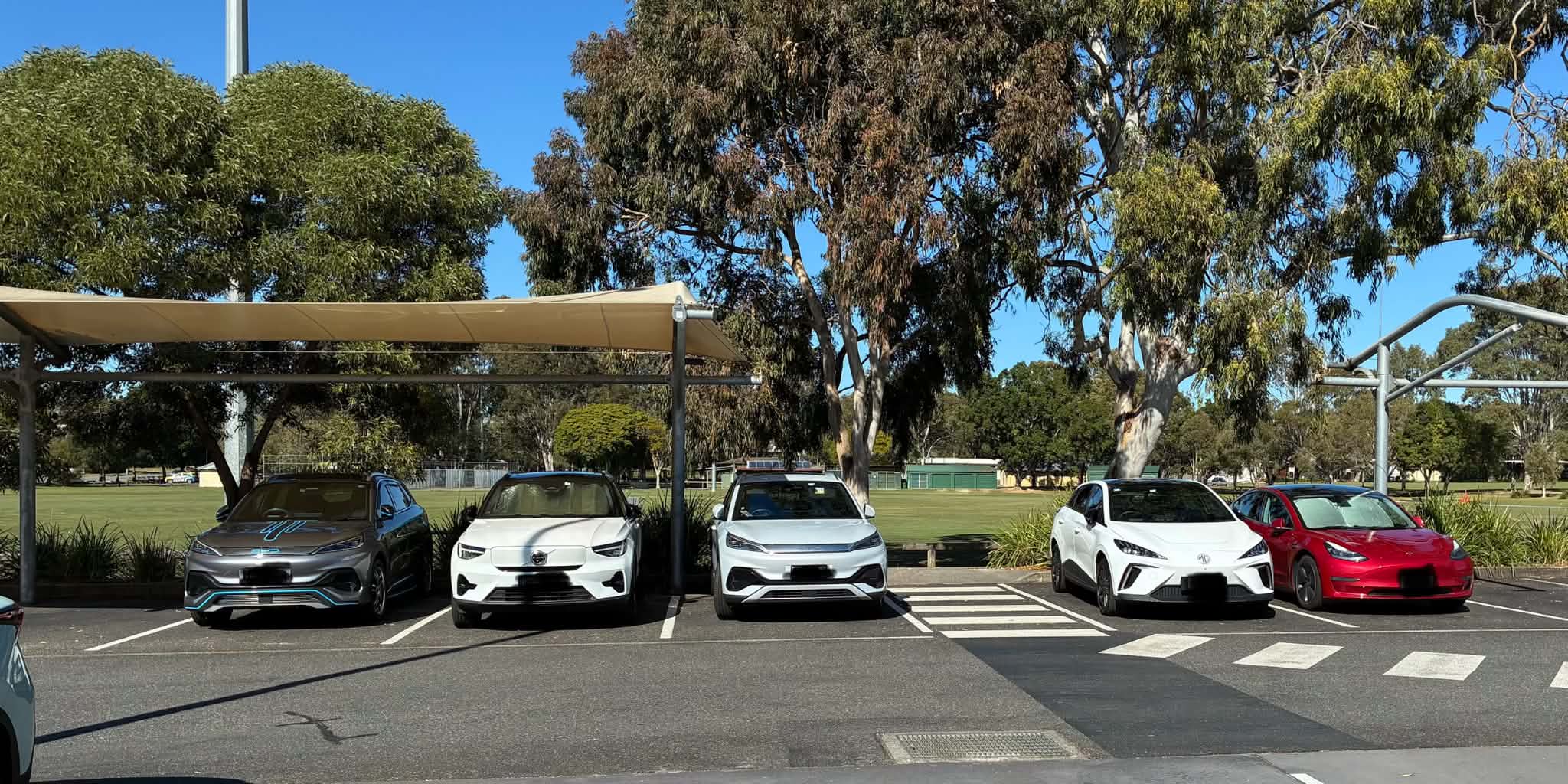
Chronology of the EV Lifecycle: From the "Good Old Days" to Modern Mobility
To understand why drivers are rethinking the trade-in cycle, it helps to examine the historical trajectory of automotive longevity and how early adopters are navigating the electric shift.
- The Mid-to-Late 20th Century (The ICE Era): Reaching 100,000 miles was viewed as a major milestone, often signaling the twilight of a car’s useful and economically viable life. Maintenance costs routinely outpaced the residual value of the vehicle.
- The Early BEV Era (Circa 2017–2020): Early mass-market EVs—such as early Tesla Model 3s and early-generation hatchbacks—hit the roads. Skeptics predicted catastrophic battery failures immediately following warranty expirations. Instead, real-world data from fleets, Uber drivers, and long-term owners began proving that modern lithium-ion and LFP batteries could endure hundreds of thousands of kilometers with minimal range loss.
- The Transition Years (2021–2023): Owners of early EVs began experimenting with upgrades. For instance, early adopters transitioning from a 2021 Tesla Model 3 Long Range Dual Motor to a Tesla Model Y Performance discovered that practical elements like ground clearance, tailgate apertures, and higher-mounted seating made a profound difference in daily usability, particularly for aging passengers.
- The Current Landscape (2025–2026): The market has matured dramatically. Drivers now choose between upgrading for specific creature comforts, next-generation battery safety technologies (such as LFP chemistries), advanced driver-assistance software, or moving to entirely different luxury segments—such as transitioning from a Tesla Model Y to a Polestar 4.
Supporting Data and Real-World Case Studies
The narrative that EVs wear out like smartphones is routinely debunked by high-mileage drivers who treat their electric cars as "forever vehicles" or push them past half a million kilometers. Consider the experiences of several seasoned EV owners and industry observers who shared their insights:
1. The High-Mileage Benchmark: Nathan Merritt (Ride4U)
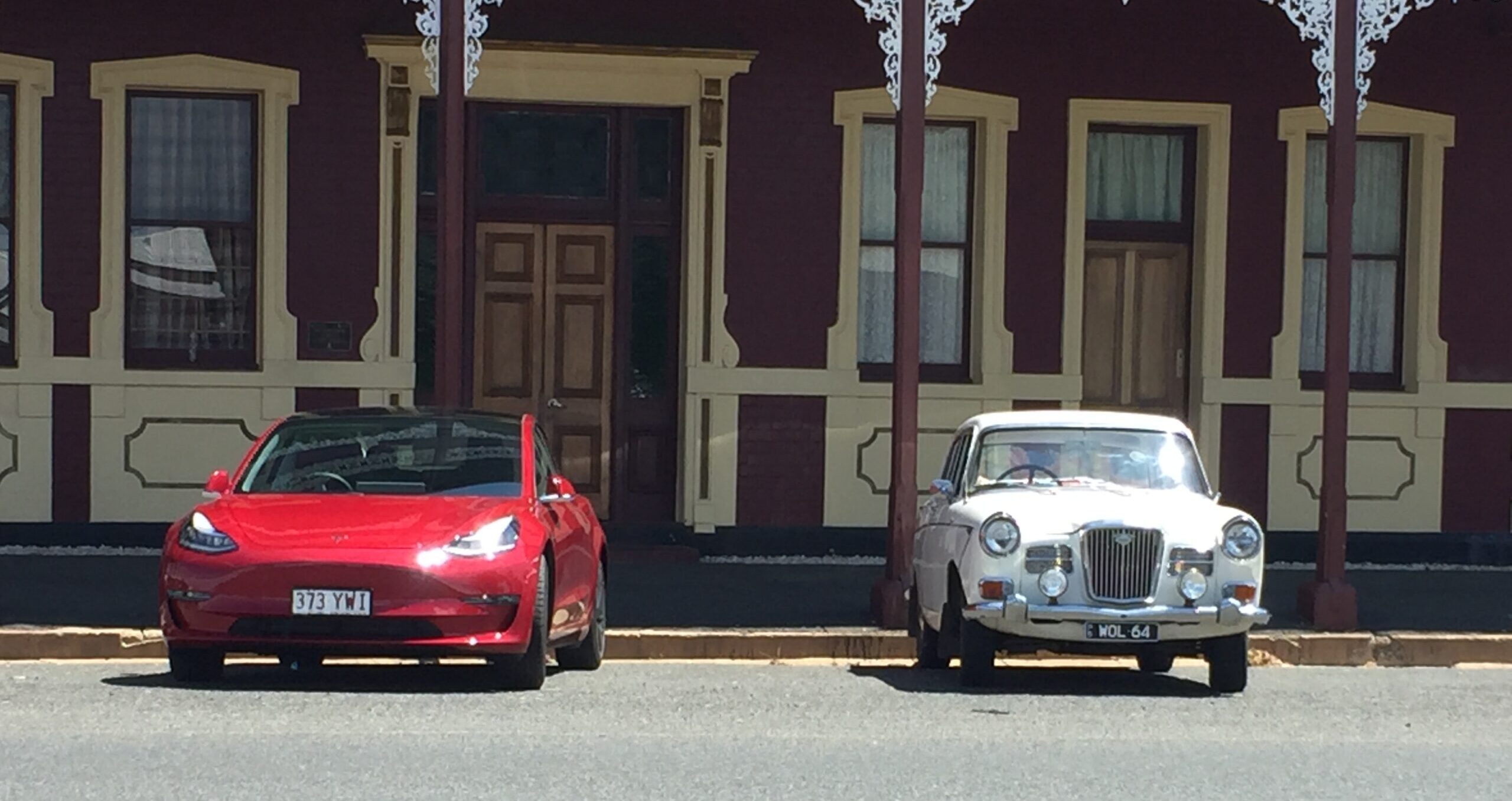
Nathan Merritt, an advocate for high-mileage electric transport, estimates he might only consider trading in his Tesla Model 3 after pushing past 700,000 kilometers. Confirming similar experiences across the community, Merritt notes that his battery degradation sits at a modest 10%—proving that high mileage alone is no longer a rational trigger for a trade-in.
2. The Evolution of Utility: Neil Warner’s Journey
Neil Warner, an experienced EV owner who has systematically upgraded through multiple platforms, provides a clear roadmap of why drivers switch vehicles in the modern market:
- From Tesla Model 3 to Model Y Performance (2021 to 2023): While the Model 3 Long Range was efficient, its low ground clearance (140mm), tight rear passenger space, and restrictive boot aperture created minor friction points. The Model Y resolved these issues with a higher seating position (easier for older in-laws to enter and exit), increased ground clearance (157mm), and a practical hatchback tailgate.
- From Model Y Performance to Polestar 4 (2025): Seeking a unique, quiet, and luxurious driving experience with a two-year upgrade cycle, Warner transitioned to the Polestar 4 Long Range Dual Motor. Citing a spacious coupe-SUV hybrid design, 166mm ground clearance, refined one-pedal driving, and an attractive five-year vehicle warranty with generous 30,000 km / two-year service intervals, Warner demonstrates how lifestyle and comfort preferences dictate modern EV upgrades.
3. Battery Chemistry and Safety: Don and the BYD Atto 3
Don, a proponent of BYD vehicles and a driver of the Atto 3, points out that battery technology remains a primary decision-making pillar for savvy buyers. When evaluating new entries in the Australian market—such as the upcoming Atto 3 EVO—buyers heavily weigh battery safety profiles (such as blade batteries and LFP chemistries) against older or alternative Nickel Manganese Cobalt (NMC) formulations, alongside necessary ergonomic creature comforts.
Official Responses and Community Perspectives
The CleanTechnica readership and community contributors have offered diverse perspectives on the philosophy of keeping versus trading electric vehicles.
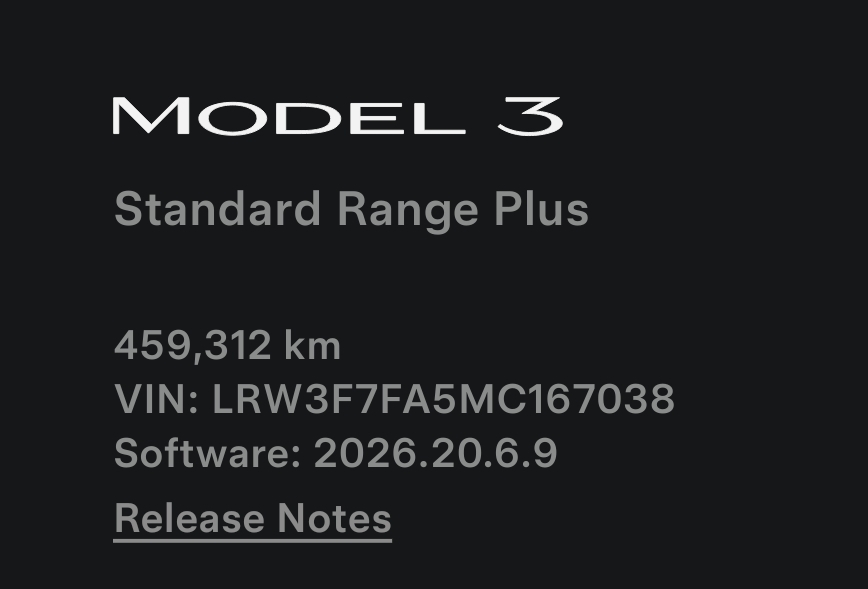
- The Fleet Expansion Argument: Many readers emphasize an environmental imperative: "Keep buying and trading in those BEVs, the world needs as many in the fleet as we can get." By continuously cycling newer, safer, and more efficient electric vehicles into the secondary market, early adopters accelerate the overall electrification of global transport.
- The Technological Advantage: Proponents of advanced autonomy argue that software capabilities make older hardware obsolete much faster than mechanical wear. Arthur Hunt, a frequent commentator on Tesla’s Full Self-Driving (Supervised) software in regional Australia, notes his upgrade path was heavily influenced by hardware limitations:
"Our first 2020 Tesla was still performing well after 110,000 km. However, the HW3 hardware would not support FSD (Supervised) so we upgraded and have enjoyed the full FSD experience. It is also much safer. There are also some minor enhancements such as self-opening and closing boot lid, and a heat pump…"
Hunt also highlights the uncanny real-world utility of modern software suites, recounting an instance where his vehicle successfully navigated to a sailing club, executed a reverse-angle park into a vacant bay, and even managed intelligent cabin safety alerts.
Implications for the Future of Automotive Ownership
The shift from mechanical necessity to personal convenience in the EV trade-in market carries profound implications for manufacturers, consumers, and the broader secondary automotive economy.
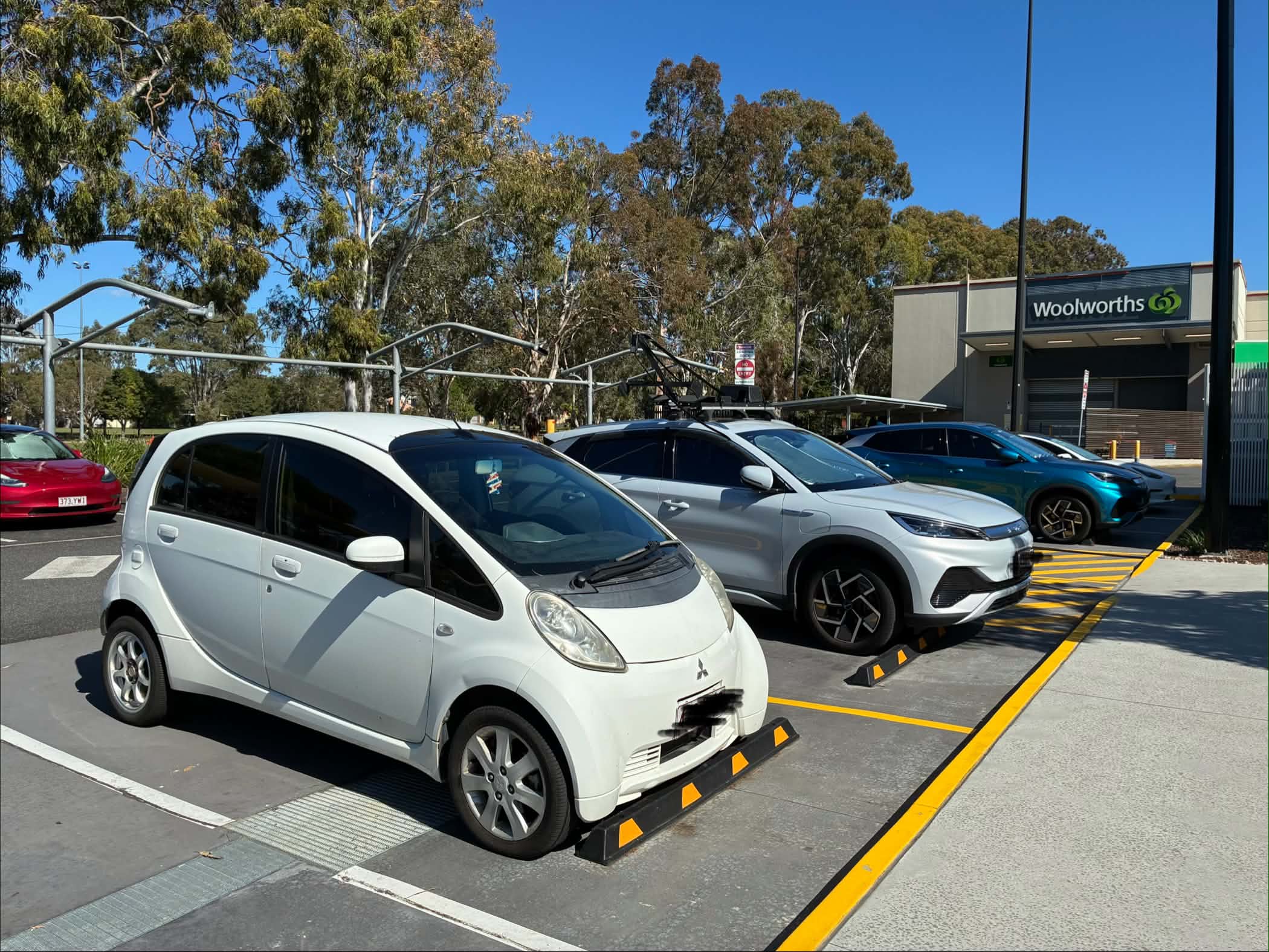
1. The Redefinition of "Depreciation"
Just like personal computers and mobile phones, automobiles are technology platforms encased in metal. Because electric vehicles do not radically alter their exterior styling from year to year to chase fleeting aesthetic trends—and because they lack the complex mechanical markers of aging ICE vehicles—their depreciation curves are increasingly tied to technological obsolescence (such as hardware iterations for autonomous driving) rather than mechanical fatigue.
2. Aging Demographics and Ergonomics
As populations age, vehicle accessibility is taking center stage. The decision of many veteran drivers to move from low-slung sedans (like the Model 3) to crossovers and SUVs (like the Model Y or Polestar 4) is dictated by human biomechanics. Higher seating positions, wider door apertures, and easier entry/exit points are becoming primary purchase drivers. Automakers that design vehicles with ergonomic inclusivity in mind will capture a rapidly growing demographic of older, affluent drivers.
3. The Circular Economy of Family Hand-Me-Downs
Because well-maintained EVs retain high structural and operational integrity past 200,000 kilometers, they are uniquely suited to stay within families. Retiring an older EV not to a salvage yard, but to an adult child or relative, creates a sustainable micro-economy of clean transport that bypasses traditional used-car dealership markups entirely.

Conclusion
The question of when to trade in an electric vehicle no longer has a simple numeric answer. When a seven-year-old car with nearly 200,000 kilometers on the clock still boasts 90% of its original battery capacity and requires virtually zero heavy mechanical maintenance, the old rules of motoring no longer apply. Whether driven by the desire for superior driver-assistance software, ergonomic relief for aging joints, or simply the temptation of fresh luxury and comfort, today’s EV owners are charting a completely new course for the automotive lifecycle.
