

Published: September 23, 2026
By: Editorial Staff & Wellness Desk
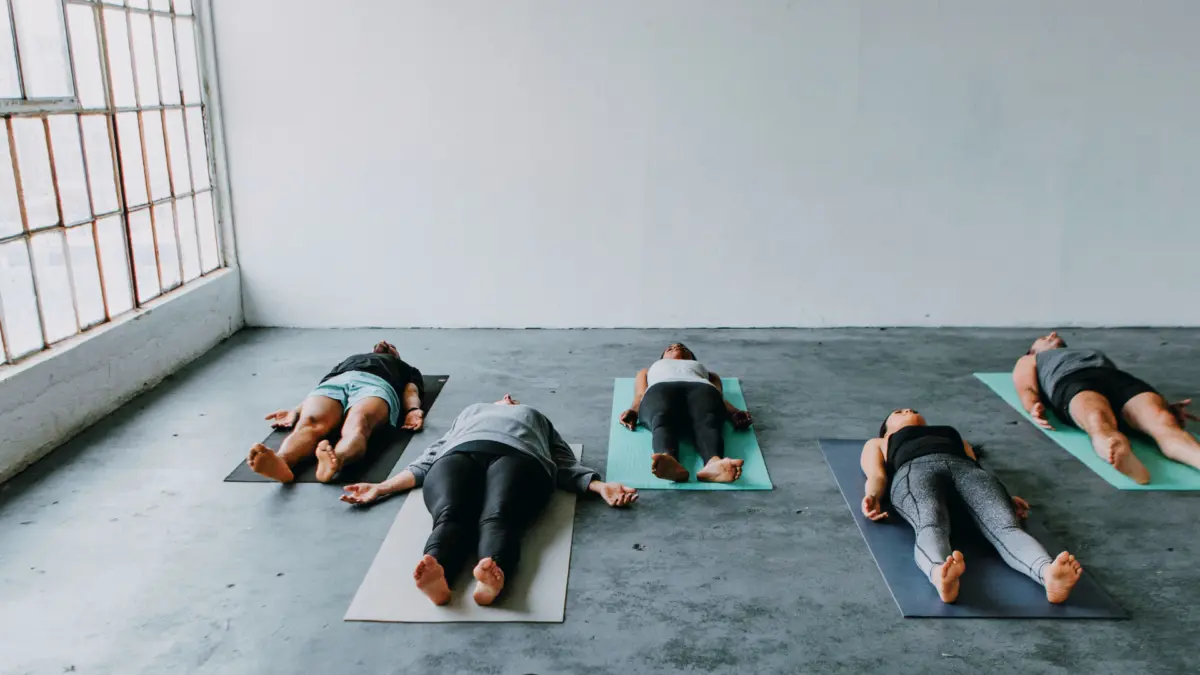
For millions of practitioners worldwide, Savasana—the final corpse pose that concludes a yoga class—represents the ultimate sanctuary of rest. As students slip off their activewear, tuck themselves under weighted blankets, and gently close their eyes, the physical exertion of the practice melts away. Yet, while the practitioners sink into profound stillness, the instructor’s work is far from finished.
According to Rachel Land, a longtime yoga teacher, teacher trainer, and co-host of the Yoga Medicine podcast, the transition into Savasana introduces a complex set of choices for the person leading the room. Far from being a passive break for the instructor, the final resting pose requires a careful balancing act. Teachers must navigate ambient environmental factors, diverse student psychological needs, and their own pedagogical styles—all while maintaining an atmosphere of tranquil surrender.
Main Facts: The Hidden Dynamics of the Final Resting Pose
The primary misconception surrounding Savasana is that it is a period of mutual inactivity. While students are encouraged to let go of physical tension and mental chatter, instructors enter a phase that demands hyper-awareness and tactical decision-making.
Land emphasizes that there is no single "correct" way for a teacher to spend Savasana, aside from avoiding distractions like checking personal text messages (though a quick glance at a device to adjust room volume or reference a poetry reading is occasionally necessary). Instead, instructors operate across a spectrum of choices, each carrying distinct psychological and physiological impacts on the room.
Whether a teacher chooses to remain vigilant, deliver verbal guidance, or join the students in rest, their decision directly shapes how safe, supported, and relaxed the practitioners feel. Ultimately, the objective of Savasana is never rigid perfection; rather, it is a shared surrender to the process of integration.
Chronology: The Evolution of Savasana in Modern Practice
To understand the modern instructor’s dilemma during Savasana, it helps to examine how the practice has evolved within Western wellness spaces over the last century:
- Early-to-Mid 20th Century: As Hatha yoga was introduced to Western audiences, Savasana was largely treated as a rudimentary physical cool-down—a brief, unguided pause before practitioners rushed out the door. Instruction was minimal, and teachers typically sat quietly, leaving students to manage their own internal states.
- Late 20th Century (The Rise of Guided Meditation): As the therapeutic and psychological benefits of yoga gained scientific backing, instructors began incorporating elements of mindfulness, Yoga Nidra, and progressive muscle relaxation into the final pose. Savasana transformed from a simple physical rest into an active mental reset.
- Early 21st Century (The Multi-Sensory Studio): The modern yoga boom introduced ambient music, essential oils, and specialized lighting. Instructors began experimenting with sound baths, hands-on adjustments, and structured verbal cues to enhance the experience, raising expectations for what a "premium" Savasana should feel like.
- Present Day (2026 and Beyond): Contemporary teacher training programs, such as those discussed by experts like Rachel Land, now formally address the challenges of navigating Savasana. Instructors are encouraged to consciously select their approach based on the specific collective nervous system of the room, recognizing that silence, sound, touch, and vigilance all have a designated place in modern pedagogy.
Supporting Data: The Neurobiology of Rest and Teacher Presence
While comprehensive global data on yoga teacher behavior during Savasana is scarce, neurobiological and psychological research sheds light on why these instructor choices matter so profoundly:
- The Nervous System Shift: Studies in somatic psychology indicate that transitioning from vigorous asana (movement) to absolute stillness can sometimes trigger a sympathetic nervous system spike (fight-or-flight) rather than the intended parasympathetic response (rest-and-digest). For individuals with trauma histories or high baseline anxiety, unguided sensory deprivation can feel threatening rather than soothing.
- The Power of Co-Regulation: Psychological research on human bonding emphasizes co-regulation—the process by which an individual’s nervous system calms down in the presence of a calm, grounded other. When a yoga teacher sits in steady meditation or maintains a watchful, protective presence, their energetic stability acts as an anchor for students struggling to quiet their minds.
- Touch and Cortisol: Clinical studies on therapeutic touch demonstrate that gentle, consensual physical assists can significantly lower cortisol levels and release oxytocin. However, these same studies note that unauthorized or poorly timed touch can instantly trigger cortisol spikes in individuals who are hyper-vigilant or tactile-sensitive.
Six Approaches Yoga Teachers Take During Savasana
Because every class possesses a unique energetic signature, teachers generally lean toward one—or a combination—of six distinct approaches during the final pose.
1. Keep Watch
Some teachers remain seated on their mats, quiet but alert, keeping their eyes open to monitor both the students and the physical studio space.
- Pluses: The studio environment is rarely hermetically sealed. Students frequently fidget, adjust props, or quietly fetch extra blankets when they grow cold. Furthermore, late-arriving students or staff members from the next scheduled class may crack open the door. An outwardly focused teacher can quietly manage these disruptions, effectively shielding the resting students so they don’t have to remain vigilant themselves.
- Minuses: Not all students feel safe closing their eyes in a group setting. Glancing up to find an instructor staring across the room can induce a sense of being scrutinized rather than protected, hindering complete psychological surrender.
2. Share Guided Relaxation
Instructors may provide continuous verbal cues, ranging from progressive body scans and visualizations to poetry readings or Yoga Nidra scripts.
- Pluses: For busy minds, an extended period of absolute silence can exacerbate anxiety rather than relieve it. Providing a gentle verbal anchor gives wandering thoughts something soft to hold onto, preventing frustration.
- Minuses: After listening to an instructor talk through a demanding 60-minute physical practice, many students crave unadulterated silence. Over-talking during Savasana can deny practitioners the deep, internal quiet required for nervous system integration.
3. Provide Sound
The integration of live instruments (such as singing bowls, chimes, or harmoniums) or gentle vocal chanting offers an auditory backdrop to the resting phase.
- Pluses: Unlike spoken words, musical or vibrational sound does not require high-level cognitive processing. It gently occupies the auditory cortex, holding the wandering mind at bay without demanding mental engagement.
- Minuses: Sound is deeply subjective. What one student perceives as a heavenly soundscape, another may find irritating. Additionally, persistent sound crowds out the profound healing potential of pure, undisturbed silence.
4. Sit in Meditation
Teachers may choose to close their own eyes and spend Savasana engaged in silent, seated personal meditation.
- Pluses: By visibly committing to stillness, the instructor models the exact behavior they are asking of their students. This creates a powerful shared container of calm. Additionally, it centers the teacher, preparing them to handle post-class questions with clarity and grace.
- Minuses: With their eyes closed and attention turned inward, the instructor loses situational awareness. If a student experiences a medical issue, a panic attack, or an external disruption occurs, the teacher’s delayed reaction time can negatively impact safety and classroom flow.
5. Offer Hands-on Assists
Instructors may quietly glide across the floor, delivering subtle, consensual physical adjustments—such as a gentle shoulder press or neck traction—to help release residual tension.
- Pluses: Human touch is a fundamental biological need, often lacking in modern, screen-driven societies. A well-executed adjustment can illuminate unconscious holding patterns, helping a student physically let go of stress they didn’t realize they were carrying.
- Minuses: Touch is intensely personal. An adjustment that feels nurturing to one person may feel invasive, triggering, or unwanted to another. Furthermore, moving around the room creates ambient physical disruption, and students who are not chosen for an assist can occasionally feel overlooked or excluded.
6. Take Savasana
In some class cultures, particularly in restorative or yin yoga traditions, the instructor may lie down and take Savasana alongside their students.
- Pluses: Participating directly in the pose allows the teacher to model proper prop utilization and demonstrate a genuine commitment to rest and self-care.
- Minuses: Lying down with closed eyes drastically increases the risk of complete spatial disconnect—and, on occasion, the instructor accidentally falling asleep. While humorous, it leaves the room entirely unmonitored.
Official Responses and Industry Perspectives
The discourse surrounding instructor behavior in Savasana highlights a broader shift in the wellness industry toward psychological safety and trauma-informed teaching.
Industry leaders and studio directors increasingly emphasize that modern teacher training programs must move beyond physical alignment and anatomy to include emotional intelligence during transitional phases like Savasana.
"The modern yoga student is looking for more than just a physical stretch; they are looking for a regulated nervous system," notes a spokesperson for the Yoga Alliance advisory network. "Instructors are no longer viewed merely as fitness coaches, but as facilitators of space. Understanding how to manage the energy of the room during Savasana is just as critical as knowing how to sequence a peak pose."
Furthermore, studios are adopting clearer consent frameworks—such as token-based systems for hands-on assists—to ensure that physical adjustments during Savasana are explicitly welcomed rather than assumed.
Implications: Redefining the Teacher-Student Contract
As yoga continues to evolve in a hyper-connected, high-stress world, the relationship between instructor and student during Savasana carries profound implications for mental health and community wellness.
- Elevating Trauma-Informed Awareness: Teachers are recognizing that silence and stillness are not universally benign. By offering clear options—such as inviting students to keep their eyes open or giving permission to skip physical adjustments—instructors empower practitioners to take charge of their own healing journey.
- Combating Compassion Fatigue in Instructors: The hidden labor of Savasana reminds us that teaching yoga is emotionally demanding work. Recognizing that instructors require mental focus and energetic boundaries helps combat burnout within the wellness profession.
- Embracing Imperfection: Ultimately, the delicate dance of Savasana teaches both teachers and students a vital lesson in grace. Whether a class is disrupted by a slamming door, a wandering mind, or an imperfect adjustment, the practice remains rooted in the shared human endeavor to pause, breathe, and begin again.
