

Macro wildlife photography has long held a hypnotic grip on the imagination of visual artists and naturalists alike. For decades, the discipline has been synonymous with tight close-ups of colorful flower petals, dew-drenched spiderwebs, and iridescent beetles. Yet, as the gear available to everyday enthusiasts has grown more advanced—and optical engineering more accessible—a new vanguard of photographers is shifting its gaze downward and inward. They are moving past the conventional insect-and-flora paradigm to explore a breathtaking, hidden universe of overlooked subjects that exist right beneath our noses.
This comprehensive guide delves into the specialized techniques, essential equipment, field strategies, and vital ethical considerations required to master macro wildlife photography beyond the traditional boundaries of bug-and-blossom imagery.
Main Facts: Redefining the Macro Landscape
At its core, macro photography is defined by capturing subjects at a magnification ratio of 1:1 or greater, making small details appear life-size or larger on a camera sensor. While insects and flowers remain the undisputed gateway drugs to the hobby, the broader natural world offers an almost infinite taxonomy of overlooked micro-landscapes.
Key subjects breaking into the mainstream of macro photography include:

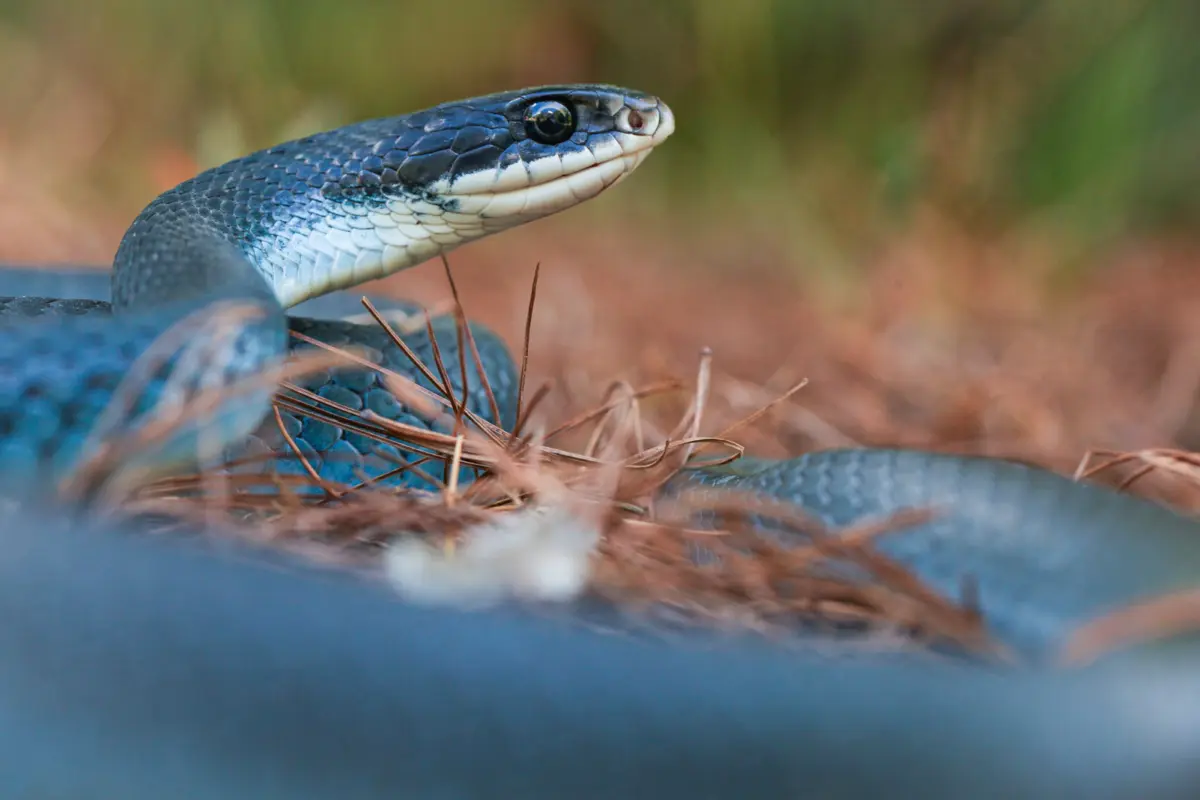
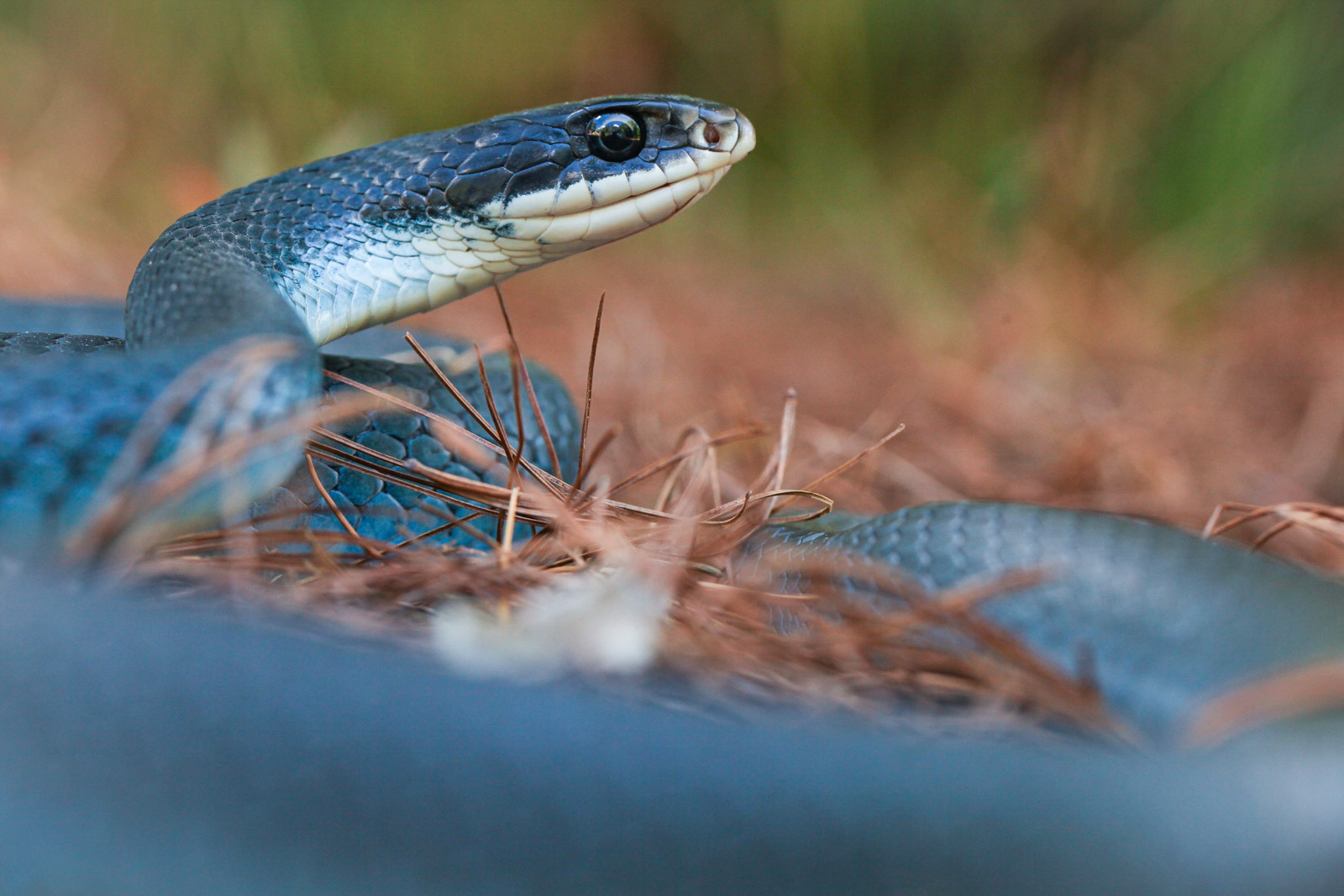
- Herpetofauna (Reptiles and Amphibians): Scaled bodies, mesmerizing reptile eyes, and amphibian skin textures.
- Avian Micro-Details: Bird feathers, interlocking barbs, talons, and sharp beaks.
- Mammalian Textures: Whiskers, individual guard hairs, and reflective eyes of small mammals.
- Marine Life: The vibrant, alien-like morphology of nudibranchs, crustaceans, and tide-pool fish.
- Fungal Architectures: Spore-bearing surfaces, gills, and abstract textures of wild mushrooms.
Rather than requiring exotic expeditions to remote rainforests, these subjects can often be discovered in local community parks, suburban backyards, and nearby woodlots. However, capturing them with professional fidelity demands a departure from standard landscape or wildlife workflows, requiring a specialized synthesis of artificial lighting, stabilization techniques, and field patience.
Chronology of a Macro Shift: From Studio Stacks to Field Exploration
The evolution of macro wildlife photography mirrors the broader democratization of digital imaging technology.

- The Analog Era (Pre-2000s): Macro photography was heavily constrained by film speeds (ISO), manual focus rails, and rigid studio setups. Photographers relied on heavy twin-lens reflex systems or specialized bellows, making dynamic field encounters with fast-moving, non-insect wildlife exceptionally rare.
- The Digital Revolution (2000s–2010s): The advent of high-resolution digital sensors and improved low-light performance allowed photographers to step away from the tripod. Handheld macro techniques emerged, popularized by adventurous shooters pairing macro lenses with dedicated ring flashes or early electronic speedlights.
- The Modern Era (2020s–Present): Today, high-speed autofocus algorithms, lightweight mirrorless camera bodies, in-body image stabilization (IBIS), and advanced computational features like automated focus stacking have revolutionized the field. Photographers are no longer restricted to static subjects; they can track mobile, unpredictable micro-wildlife—such as darting lizards or cautious amphibians—with unprecedented sharpness.
Supporting Data & Essential Gear Architecture
Success in macro wildlife photography requires a deliberate toolkit. While a dedicated macro lens (typically ranging from 90mm to 105mm) remains the gold standard, modern accessories allow photographers of all budgets to enter the discipline.
1. Macro-Capable Lenses and Alternatives
True macro lenses provide 1:1 magnification and maintain sharp edge-to-edge resolution at close working distances. However, for photographers working on a budget, extension tubes (which distance the lens from the sensor to increase magnification) or close-up achromatic filters offer economical entry points without sacrificing optical quality.

2. Lighting and Diffusion Systems
Natural light is rarely sufficient in macro photography due to the physical realities of physics. Because high magnification requires narrow apertures (such as f/11 to f/16) to maintain an acceptable plane of focus, light is severely choked.
- Off-Camera Flash / Speedlights: Providing control over direction and intensity.
- Diffusers: Essential for transforming harsh, direct flash into soft, wrapping light. Foldable pop-up diffusers or mini softboxes eliminate harsh specular highlights on wet amphibian skin or glossy beetle shells.
3. Stabilization Without Tripods
Traditional heavy-duty tripods are often too cumbersome for fast-paced, ground-level wildlife encounters. Instead, professional macro shooters often employ handheld techniques, supporting the camera body with both hands while mounting the flash directly to the rig. For low-angle ground work, a flexible beanbag or bean-filled towel serves as a versatile, rapid-deployment stabilization platform.

Official Perspectives and Techniques for Field Success
Professional macro photographers emphasize that technical proficiency must be paired with fieldcraft. Here are the core methodologies recommended by leading nature photography authorities:
Aperture and Focusing Strategy
- The Sweet Spot: Set your aperture to f/11 as a baseline. This offers a pragmatic compromise between diffraction-induced softening and maintaining enough depth of field to keep a tiny subject’s eyes or primary textures in focus.
- Focusing Modes: While AI-servo or continuous autofocus can assist with slow-moving animals, many macro purists rely on manual focus or "one-shot" modes, physically swaying their body slightly forward and backward until the focal plane locks onto the critical detail—usually the eye of a frog, the barb of a feather, or the leading edge of a reptile’s scale.
The Imperative of RAW Capture
When tracking fleeting wildlife encounters, camera settings are rarely optimized in the split second before an animal moves. Shooting uncompressed RAW files is non-negotiable. It preserves maximum dynamic range and shadow detail, ensuring that post-processing recovery won’t introduce digital noise or artifacting into high-magnification close-ups.

Implications: Ethical Considerations and Conservation
As macro photography surges in popularity—fueled by social media algorithms that favor striking, high-detail animal portraits—ethical concerns surrounding wildlife welfare have taken center stage. Ethical guidelines are no longer optional suggestions; they are core professional responsibilities.
Minimizing Disturbance
The hallmark of a master macro photographer is the ability to capture intimate portraits without altering the subject’s natural behavior.

- Refrain from handling: Forcing reptiles, amphibians, or insects into artificial poses causes severe physiological stress and can damage protective coatings (such as the mucous membranes on amphibians or the scale structures of reptiles).
- Controlled practice: Beginners are strongly encouraged to practice lighting, focusing, and diffusion techniques on inanimate objects or artificial models at home before heading into the field, ensuring maximum efficiency and minimal animal disturbance outdoors.
Species Awareness
Entering the field requires a baseline understanding of local ecology. Photographers must research whether local species are legally protected, venomous, or particularly vulnerable to human disruption. By prioritizing the health of the ecosystem over the capture of a viral image, photographers safeguard the very populations that make their craft possible.
Conclusion
Macro wildlife photography is far more than a technical exercise in extreme magnification; it is an intimate exploration of an unseen world. By casting our lenses beyond the familiar comfort of garden bugs and wildflowers, and directing them toward reptiles, fungi, feathers, and marine micro-landscapes, we open ourselves—and our audiences—to an entirely new perspective on nature.

Armed with the right gear, a disciplined approach to lighting and field techniques, and an unwavering commitment to ethical wildlife stewardship, the micro-wildlife world is waiting to be discovered. Grab your macro lens, step outside, and see the planet anew.
