

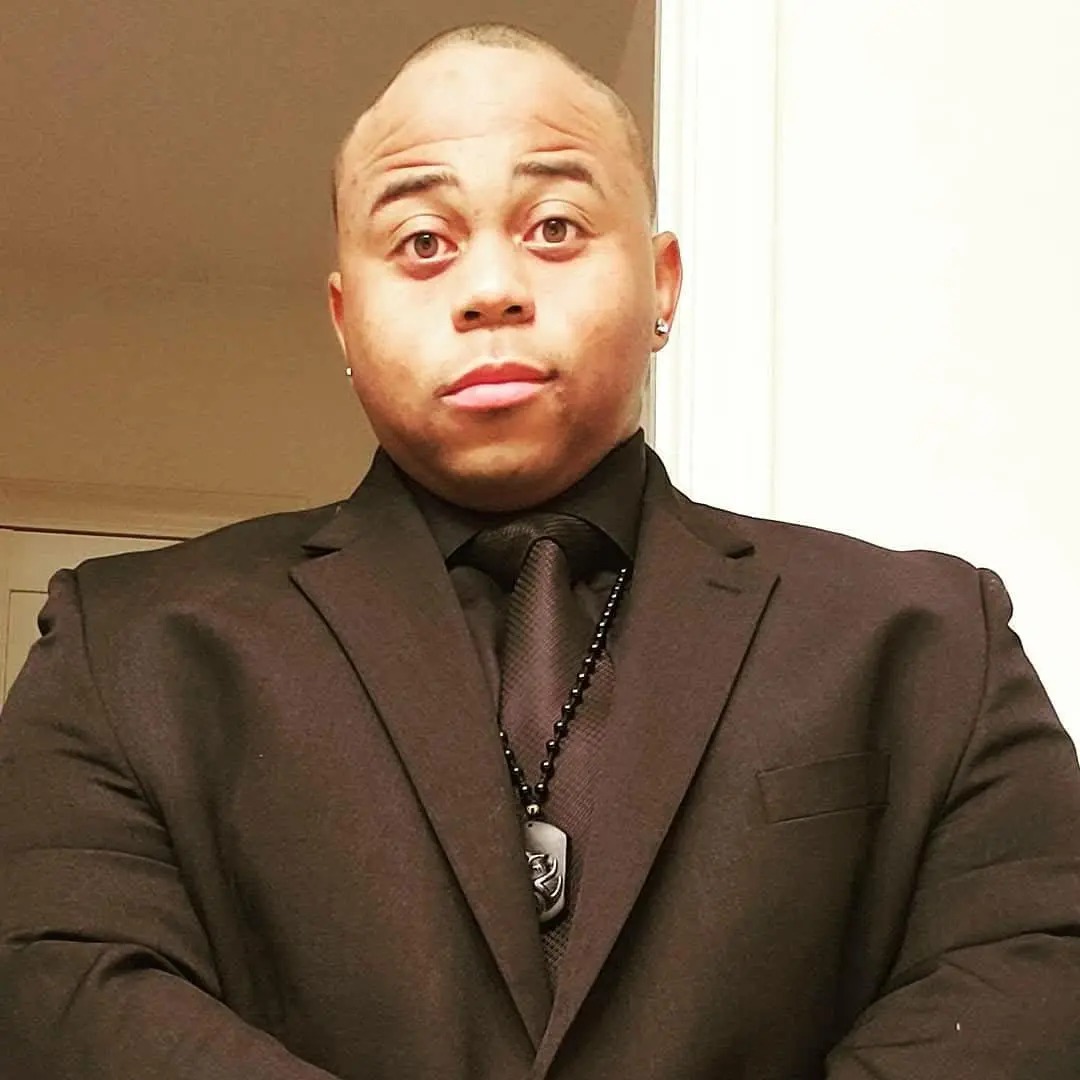
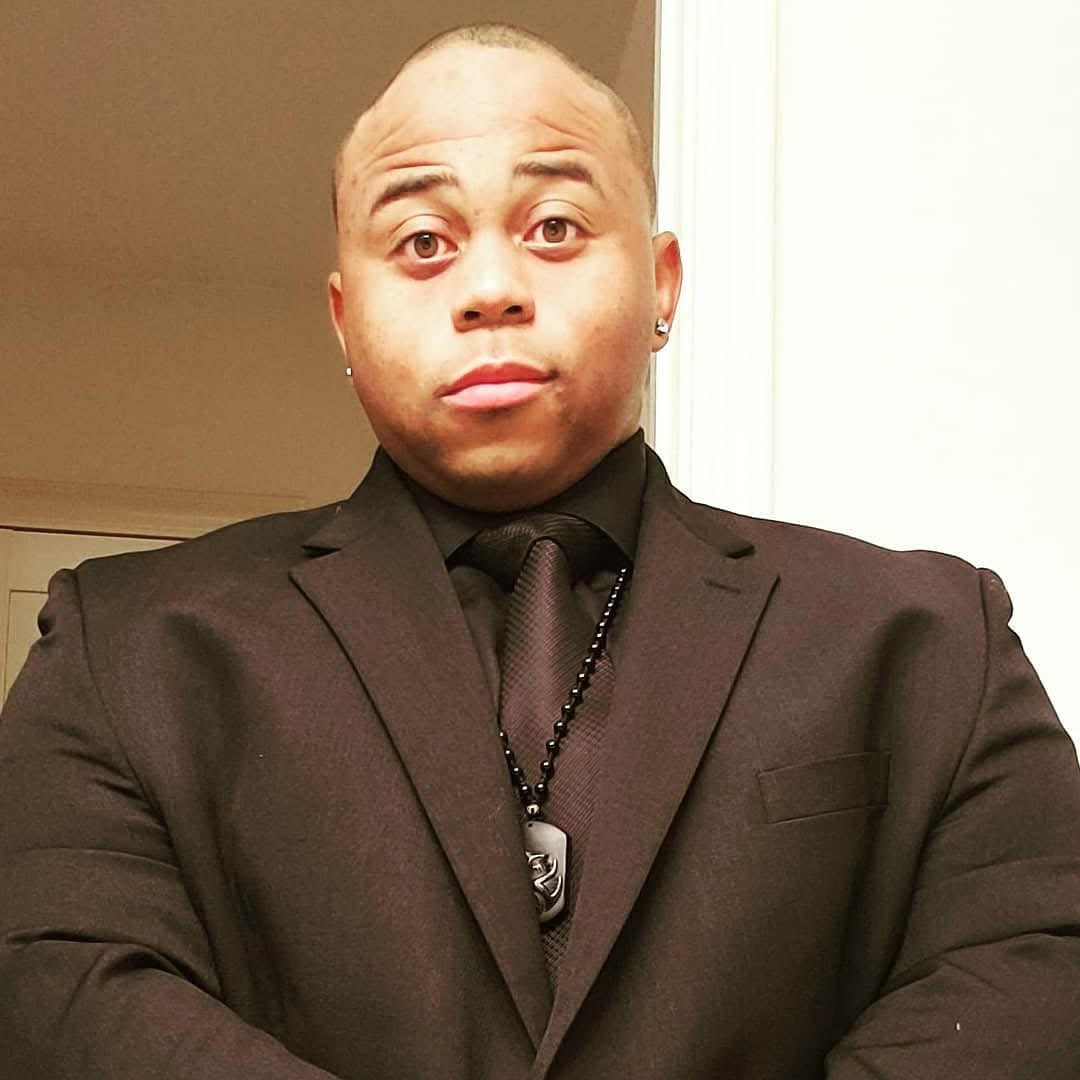
COTTONWOOD, AZ — The Cottonwood Community Band (CCB) has officially announced the appointment of Philip Blackwell as its new conductor. A highly respected figure in Arizona’s music education landscape, Blackwell brings more than two decades of teaching, performance, and ensemble leadership to the podium. Currently serving as the director of bands and orchestra at Bradshaw Mountain High School in Prescott Valley, Blackwell’s transition to the community ensemble represents a significant milestone for the cultural and artistic vitality of the Verde Valley.
In taking the baton, Blackwell succeeds a legacy of community-focused leadership, aiming to bridge the gap between educational outreach and public performance. His appointment comes at a crucial time as the ensemble prepares for its upcoming fall and winter concert seasons, seeking to expand both its membership and its acoustic footprint across the region.
Chronology of a Musical Journey: From Southern California to the Verde Valley
Philip Blackwell’s musical trajectory is defined by a lifelong dedication to the wind band tradition and music education. His development as a performer, educator, and conductor spans several decades and geographic regions, showcasing a steady commitment to artistic excellence and community engagement.
[2004] Starts music education career; joins Tournament of Roses Honor Band (through 2007)
  │
[2009] Relocates to Arizona; begins Tuba Performance & Music Ed studies at Pima CC
  │
[2011] Transfers to Arizona State University (ASU); joins Sun Devil Marching Band
  │
[2010s] Assumes various brass coach, assistant director, and head director roles
  │
[Present] Serves as Director of Bands/Orchestra at Bradshaw Mountain HS; appointed Conductor of CCB
Early Foundations and Performance Highlights (2004–2007)
Originally from Monrovia, California, Blackwell discovered his passion for instrumental music at an early age. His talent as a tubist quickly earned him regional recognition. Between 2004 and 2007, he performed with the prestigious Pasadena Tournament of Roses Honor Band, an elite ensemble that performs annually for millions of spectators worldwide during the Rose Parade. This early experience in high-profile, community-centric performances instilled in Blackwell a deep appreciation for the power of public music.
In 2004, Blackwell also formally entered the field of music education. Over the next several years, he balanced a active performance schedule with teaching, working as a brass coach and assistant band director for various youth programs in Southern California.
Academic Transition and Arizona Mentorship (2009–2014)
In 2009, Blackwell relocated to Arizona, a move that would reshape his academic and professional path. He initially enrolled at Pima Community College in Tucson, where he studied Tuba Performance and Music Education, refining his pedagogical skills and instrumental technique.
Recognizing his potential, Blackwell transferred to Arizona State University (ASU) in Tempe to pursue a Bachelor of Music Education. At ASU, he studied under some of the Southwest’s most prominent music educators and instrumentalists:
- Deanna Swoboda, Ph.D.: An internationally renowned tuba soloist and Associate Professor of Music at ASU, Dr. Swoboda mentored Blackwell in advanced brass pedagogy, chamber music, and entrepreneurial music-making.
- Margaret Schmidt, Ph.D.: A specialist in string education and teacher preparation, Dr. Schmidt helped Blackwell develop comprehensive rehearsal techniques and inclusive curricula designed for diverse learning styles.
- James "Hud" Hudson: As the longtime Director of the ASU Sun Devil Marching Band, Hudson mentored Blackwell in large-ensemble leadership, show design, and the art of fostering camaraderie among hundreds of musicians.
Blackwell’s participation in the Sun Devil Marching Band proved formative, reinforcing his belief that large musical ensembles are not just artistic vehicles, but vital community-building institutions.
Supporting Data: Structure, Schedule, and Recruitment Demographics
The Cottonwood Community Band operates as a vital cultural asset within Yavapai County. To understand the impact of Blackwell’s appointment, it is necessary to examine the operational framework, performance schedules, and specific instrumentation needs of the organization.
Rehearsal and Performance Logistics
The Cottonwood Community Band maintains a structured schedule designed to accommodate amateur, semi-professional, and retired musicians from across the Verde Valley and Sedona.
- Weekly Rehearsals: Monday evenings from 7:00 p.m. to 9:00 p.m.
- Rehearsal Venue: The historic Clemenceau School Gym, located at 1 N. Willard St., Cottonwood, AZ 86326. The facility, built in the early 20th century, serves as a central, accessible hub for local artists.
- Annual Concert Output: The band rehearses year-round to present four seasonal concerts, free to the public, drawing audiences from Cottonwood, Clarkdale, Camp Verde, Jerome, and Sedona.
| Concert Event | Date & Time | Venue | Location |
|---|---|---|---|
| Fall Concert | Sunday, Oct. 4, 3:00 p.m. | Phillip England Center for the Performing Arts | Camp Verde High School, 210 Camp Lincoln Road |
| Holiday Concert | Sunday, Dec. 13, 3:00 p.m. | Phillip England Center for the Performing Arts | Camp Verde High School, 210 Camp Lincoln Road |
Instrumentation Needs and Recruitment Priorities
As a traditional concert band, the CCB relies on a balanced instrumentation of woodwinds, brass, and percussion. Under Blackwell’s new leadership, the ensemble is launching a targeted recruitment campaign. While musicians of all backgrounds and instruments are invited to join, the band has identified critical vacancies in three specific sections:
- French Horns: Essential for providing the rich, mid-range harmonic warmth that bridges the woodwind and brass sections.
- Oboists: A crucial double-reed instrument responsible for delicate solo passages and standard wind band tuning.
- Bassoonists: The bass-voice double-reed required to anchor the woodwind section and provide contrapuntal support.
Interested musicians are encouraged to contact the organization directly via email at [email protected] or visit their official website at cottonwoodcommunityband.org.
Official Responses and Artistic Vision
Upon accepting the position, Philip Blackwell expressed his enthusiasm for the community’s rich musical heritage and outlined his vision for the ensemble’s future.
"Music has the power to bring people together, strengthen community, and inspire performers of all ages," Blackwell stated. "I am honored to join the Cottonwood Community Band and look forward to making music with the talented musicians of the Verde Valley."
Blackwell’s educational philosophy emphasizes that music-making should be a lifelong pursuit. His dual role as a high school band director and a community band conductor creates a unique pipeline, allowing young musicians to witness adult community members continuing to practice their craft long after graduation.
Representatives from the Cottonwood Community Band’s board of directors expressed confidence in Blackwell’s ability to elevate the group’s performance standards while preserving its welcoming, non-competitive atmosphere. Board members noted that Blackwell’s extensive experience with public school systems and brass pedagogy makes him uniquely qualified to mentor musicians of varying skill levels—ranging from self-taught hobbyists to retired music professionals.
Implications for the Verde Valley and the Regional Arts Landscape
The appointment of Philip Blackwell carries broad implications for the cultural, educational, and social fabric of the Verde Valley.
1. Strengthening the Inter-Generational Artistic Pipeline
By maintaining active leadership at Bradshaw Mountain High School in Prescott Valley while conducting the Cottonwood Community Band, Blackwell bridges the geographical and generational divide within Yavapai County. High school students, college-aged musicians, and senior citizens will have opportunities to interact, share pedagogical techniques, and perform side-by-side. This inter-generational mentorship is vital for preserving the wind band tradition in rural and semi-rural Arizona.
2. Addressing the "Double-Reed Deficit" in Community Music
The band’s targeted recruitment of French horns, oboes, and bassoons highlights a broader national trend in music education. Double-reed instruments are notoriously difficult to master and expensive to maintain, often leading to a shortage of adult players. Under Blackwell’s guidance, the CCB hopes to provide a supportive environment that encourages former players to pick up their instruments again, offering workshops or sectional rehearsals to help returning musicians regain their confidence.
3. Boosting Regional Tourism and Cultural Economics
The scheduled performances at the Phillip England Center for the Performing Arts in Camp Verde serve as key cultural attractions for the region. Free public concerts generate local economic activity, drawing residents and tourists to nearby downtown districts before and after performances. Blackwell’s reputation is expected to draw larger audiences, further establishing the Verde Valley as a destination for the performing arts.
4. Preserving Community Heritage
Established in 1990, the Cottonwood Community Band has spent over three decades as a nonprofit cornerstone of the local community. By introducing fresh leadership and academic rigor under Blackwell, the band ensures its longevity. It remains committed to its founding mission: providing area musicians with a creative outlet, promoting music appreciation, and enriching the cultural life of the community through the timeless medium of concert band literature.
