

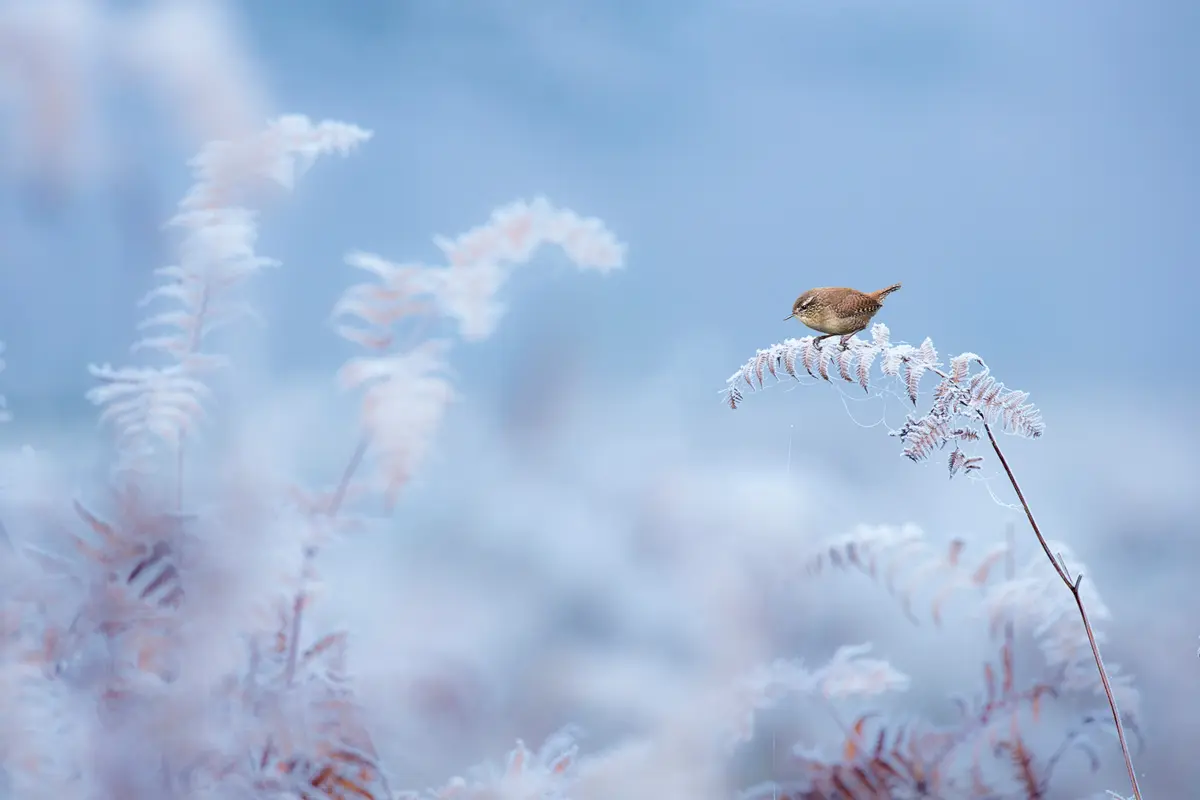
Main Facts: Understanding the Order Passeriformes
To the untrained eye, the blur of feathers darting between a backyard feeder and an overhanging branch is simply "a small garden bird." To wildlife photographers and ornithologists, however, this fleeting movement belongs to a member of Passeriformes—commonly known as passerines, or perching birds. Representing the largest order of birds in the world, passerines encompass well over half of all known avian species on Earth.
Characterized by a specialized anatomical foot structure—featuring three toes pointing forward and one facing backward—these agile creatures have evolved to grip branches, twigs, and reeds with precision. From the vibrant yellow flash of a goldfinch to the familiar, rust-breasted silhouette of an American robin, passerines include familiar families such as sparrows, tits, finches, warblers, and swallows.

Despite their global distribution across gardens, dense forests, and open fields, photographing them presents a distinct set of professional hurdles. Their diminutive size, high metabolic rates, and rapid, erratic movements make them exceptionally challenging subjects. Yet, for wildlife photographers willing to invest time in fieldcraft and technical mastery, these accessible birds offer some of the most rewarding portfolios in nature photography.
Chronology of a Shoot: From Observation to Shutter Release
Achieving professional-grade results with passerines requires a deliberate, step-by-step methodology. Rushing into the field without preparation rarely yields clean results. Successful wildlife photographers follow a structured timeline when approaching a new site or setting up a home studio.

Phase 1: Research and Acoustic Identification (Pre-Shoot)
Long before lifting a camera, photographers must study their quarry. Passerines are notoriously vocal, utilizing complex songs and calls to establish territories and attract mates. Learning these bird songs is a vital fieldcraft skill, enabling photographers to identify hidden species long before visual confirmation is possible. Spending hours observing specific behavior patterns—such as preening habits, preferred flight paths, and feeding intervals—allows the photographer to anticipate movements rather than reacting to them after the fact.
Phase 2: Environment and Station Setup
The next step involves curating the immediate environment. Passerines are skittish animals that require the safety of nearby foliage. Setting up feeding stations or reflection pools must be done with tactical care. Feeders should be stocked with high-energy foods like sunflower seeds, nyjer seeds, and mealworms, positioned in areas with natural light yet close enough to protective cover. Furthermore, integrating natural elements like moss-covered branches or flowering spring blossoms adds aesthetic context without making the scene look artificial.

Phase 3: Technical Calibration and Framing
Once the subjects begin frequenting the station, camera settings must be locked in. Because passerines rarely stay still for more than a fraction of a second, automated focus tracking and high shutter speeds are initialized. Photographers must carefully monitor natural light shifts—transitioning from front-lit morning setups to moody, back-lit golden hour portraits—while managing background bokeh through wide apertures and distant foliage.
Phase 4: Execution and Burst-Mode Capture
The final phase is patience in action. Utilizing continuous burst modes, remote shutter releases, or manual focus traps for flight paths, the photographer captures dynamic moments of feeding, bathing, territorial squabbling, and parenting.

Supporting Data: Technical Parameters and Field Metrics
To consistently freeze motion and isolate small subjects from distracting backgrounds, photographers must adhere to strict technical guidelines. The table below outlines the essential parameters required for professional passerine photography:
| Parameter | Recommended Setting | Purpose |
|---|---|---|
| Shutter Speed (Perched) | $ge 1/1000$ sec | Freezes minor head tilts, feather shifts, and body movements. |
| Shutter Speed (Flight) | $ge 1/2500$ sec | Stops high-velocity wing beats during takeoff, landing, or transit. |
| Aperture (Portraits) | $f/2.8$ to $f/5.6$ | Creates a shallow depth of field, rendering backgrounds smoothly out of focus (bokeh). |
| Aperture (Group/Action) | $f/8$ to $f/11$ | Expands the depth of field to ensure multiple interacting birds remain sharp. |
| ISO Range | Variable (Auto ISO encouraged) | Prioritizes critical sharpness over a noise-free image in low-light/overcast conditions. |
| Focus Mode | Continuous AF (AI Servo / AF-C) | Tracks erratic movements across the frame with high reliability. |
| Focal Length | $300textmm$ to $600textmm+$ | Allows comfortable working distances without inducing flight response in the subjects. |
Official Recommendations and Ethical Guidelines
While wildlife photography offers profound personal satisfaction, professional bodies and conservationists emphasize that the welfare of the subject must always supersede the final photograph.

Prioritizing Avian Welfare
During breeding and nesting seasons, passerines are under immense physiological stress. Ethical guidelines dictate that photographers must never approach active nests closely, clear away protective foliage that exposes chicks to predators, or use playback audio excessively to lure territorial males. Overuse of playback can exhaust a bird, diverting critical energy away from territory defense and feeding.
Habitat Preservation
When constructing backyard feeding stations or reflection pools, strict hygiene protocols must be enforced. Ornithologists warn that uncleaned bird feeders can act as vectors for lethal avian diseases, such as trichomonosis or salmonellosis. Regular washing with a mild bleach solution and thorough drying is mandatory to protect local populations.

Natural Aesthetics Over Manipulation
Ethical nature photography discourages the use of captive or tethered animals, as well as digital manipulation that introduces false elements. The goal is to capture genuine ecological interactions while leaving the habitat undisturbed.
Implications for Conservation and Citizen Science
Beyond the artistic and technical merits of capturing striking images of a blue tit or goldfinch, passerine photography plays a vital role in broader ecological implications.

Engaging the Public in Conservation
In an era of urban expansion and declining biodiversity, backyard bird photography serves as an accessible entry point for everyday citizens to connect with nature. Photographers who document local species develop a deeper appreciation for local ecosystems, often translating into active participation in conservation charities, habitat restoration projects, and local wildlife trusts.
Contribution to Citizen Science
Photographs shared on platforms like iNaturalist or eBird provide researchers with invaluable data regarding migration patterns, population health, distribution shifts caused by climate change, and the onset of breeding seasons. High-resolution imagery can even assist ornithologists in tracking plumage anomalies, disease outbreaks, and the health status of regional passerine populations.

Ultimately, mastering the art of passerine photography does more than build an impressive portfolio. It bridges the gap between human observers and the delicate, fast-paced micro-kingdoms thriving just outside our windows, fostering a culture of stewardship and scientific curiosity.
