

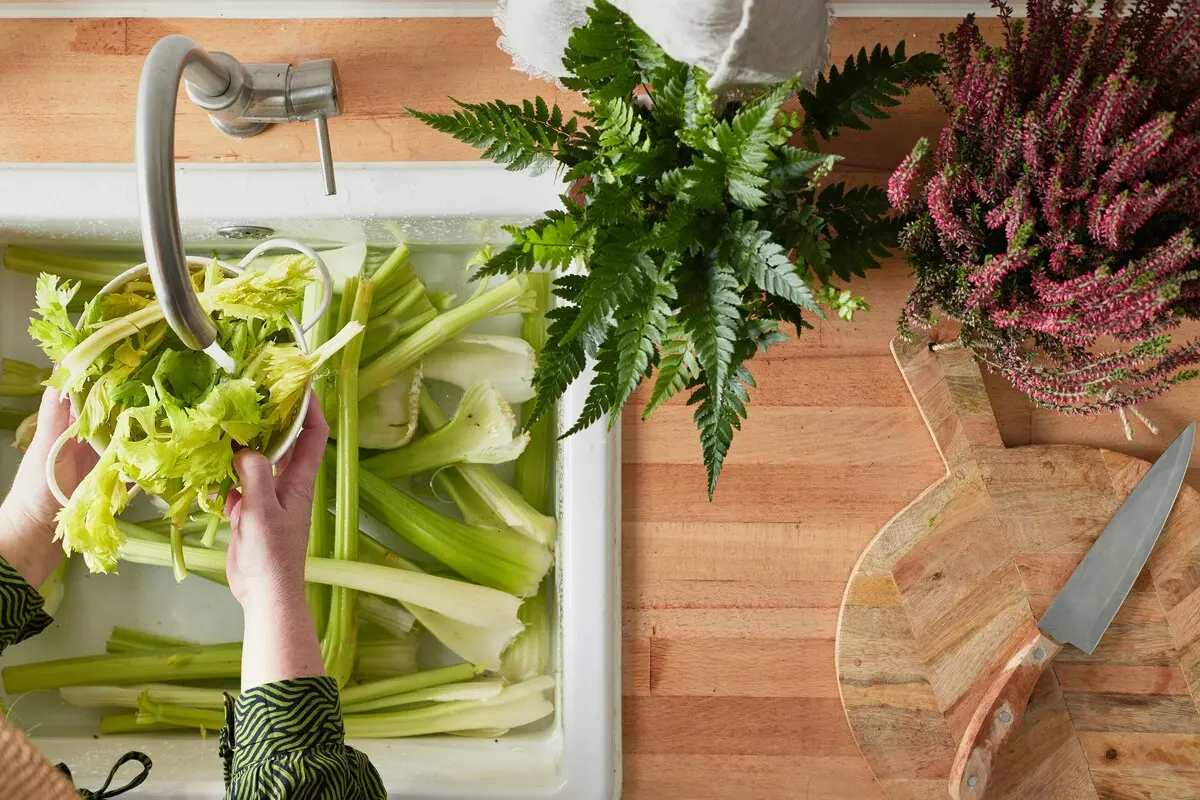
If mentions of Cyclospora—frequently dubbed the “diarrhea parasite” by online wellness spaces—have recently made you hesitant to order your usual lunch salad, you are far from alone. As of mid-July, the Centers for Disease Control and Prevention (CDC) has confirmed more than 1,600 cases of cyclosporiasis across 34 states, with thousands of additional potential cases actively under investigation.
This staggering figure represents a dramatic spike compared to roughly 250 cases reported by the exact same point last year. While public health authorities race to pinpoint the vectors of infection, the outbreak has renewed an urgent, age-old debate: how can consumers balance the absolute necessity of fresh produce in a healthy diet with the unpredictable risks of modern foodborne illness?
Main Facts: Understanding the 2026 Cyclospora Surge
At the center of the current public health crisis is Cyclospora cayetanensis, a microscopic, single-celled intestinal parasite. Unlike the large intestinal worms often targeted by trending "parasite cleanses," Cyclospora is a protozoan. It does not spread person-to-person; instead, humans contract the infection exclusively by consuming food or water contaminated with the parasite’s resilient oocysts, usually via agricultural water or soil.
The Geographic Footprint and Source Tracing
Geographically, the outbreak is widespread, though Michigan, Ohio, and New York are shouldering the highest case numbers. Federal investigators from the U.S. Food and Drug Administration (FDA) have traced a significant cluster to a Mexican lettuce supplier tied to California-based agricultural giant Taylor Farms. Reports indicate that contaminated iceberg lettuce made its way into select commercial supply chains, including certain Taco Bell locations.
Symptom Profile: What Sets It Apart
The incubation period for Cyclospora typically spans about a week, though symptoms can manifest anywhere from two days to two weeks post-exposure, making contact-tracing exceptionally difficult.
The clinical picture features:
- Sudden, watery ("explosive") diarrhea
- Severe abdominal cramping and bloating
- Profound nausea and persistent fatigue
Unlike standard bacterial food poisoning, which tends to run its course swiftly, cyclosporiasis has a frustrating signature: symptoms can temporarily wane for a few days, only to return with a vengeance. If left untreated, the infection can linger for a month or longer, severely depleting the host’s energy and nutritional reserves.
Chronology of the Outbreak
The trajectory of the 2026 cyclosporiasis surge highlights the challenges of modern food safety surveillance:
- Late Spring (May – June 2026): Early-season surveillance data begins showing an atypical upward tick in gastrointestinal complaints in the Midwest, particularly Michigan and Ohio, outpacing historical baselines.
- Early July 2026: Case numbers explode past 1,600 confirmed diagnoses across more than 34 states, prompting the CDC to issue formal health alerts. Public health agencies recognize this as one of the most aggressive early-summer outbreaks in recent memory.
- Mid-July 2026: FDA and state health investigators zero in on specific agricultural supply chains. Investigations link contaminated iceberg lettuce from a Mexican supplier connected to Taylor Farms to select commercial restaurant distributions. Simultaneously, thousands of suspected cases remain backlogged in state health department labs awaiting official confirmation.
Supporting Data and Produce Safety Realities
When massive produce-related outbreaks hit the news cycle, the public’s default reaction is often to swear off fresh greens entirely. While eliminating raw vegetables might seem like a foolproof defensive maneuver, it forces consumers to trade one acute risk for several chronic ones. Fresh produce remains the primary vehicle for dietary fiber, vital antioxidants, and essential micronutrients. Giving it up wholesale harms long-term metabolic and gut health.
Why Washing Isn’t Enough
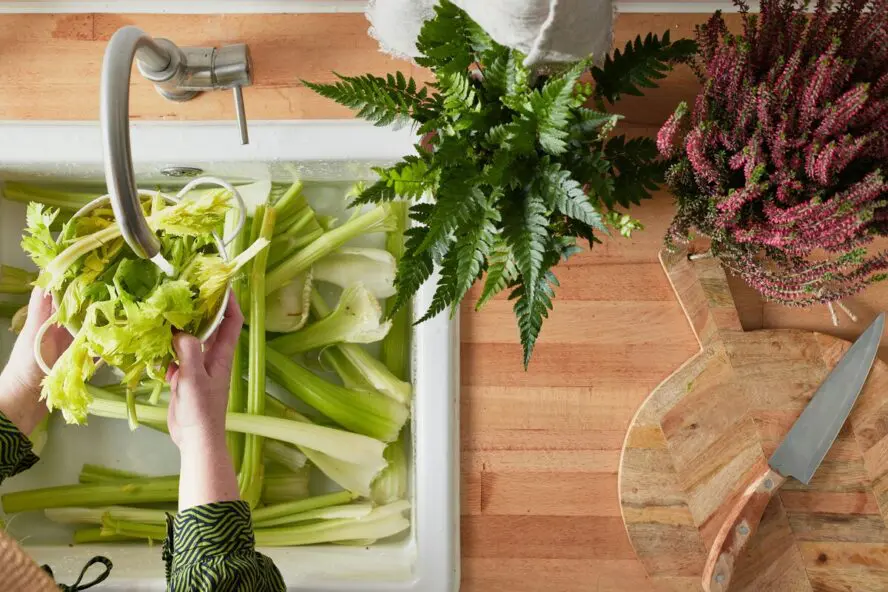
Rinsing lettuce under running water or soaking greens in baking soda and vinegar solutions is a commendable culinary hygiene habit. It successfully reduces overall microbial loads and washes away residual pesticides.
However, Cyclospora oocysts possess an adhesive quality. Research shows that standard commercial or household chemical disinfectants and commercial produce washes fail to reliably eliminate the parasite once it adheres to leaf surfaces. The CDC explicitly advises consumers to wash produce even when packaging carries a "pre-washed" label, while openly acknowledging that this step is not a foolproof shield.
The Power of Heat
During an active outbreak, thermal processing becomes a far more reliable safeguard than chemical washing. Cooking thoroughly destroys the parasite; sustained heat of 158°F (70°C) or higher neutralizes Cyclospora. Consequently, temporarily pivoting toward soups, stews, and gently sautéed or grilled vegetables—particularly for foods historically linked to outbreaks, such as bagged greens, basil, cilantro, raspberries, and snow peas—is a pragmatic, science-backed risk-mitigation strategy.
Official Responses and Regulatory Actions
Federal and state public health organizations have mobilized extensive resources to contain the spreading contamination.
- The CDC Response: The agency has issued Health Alert Network (HAN) notices to alert clinicians nationwide, emphasizing that standard routine stool cultures often fail to identify Cyclospora. Physicians must explicitly order specific parasite testing (such as an O&P exam, molecular/PCR testing, or specialized staining) to catch the organism.
- The FDA Investigation: Federal inspectors are working upstream to audit international supply chains, specifically examining irrigation practices, worker sanitation, and washing protocols at packing facilities in Mexico.
- Industry Collaboration: Major agribusiness entities like Taylor Farms have cooperated with regulatory bodies to trace implicated lots, pull suspect produce from commercial shelves, and review farm-level sanitation procedures to prevent secondary distribution waves.
Implications: The Role of Your Internal "Gut Terrain"
While exposure dose, overall physical health, and swift medical intervention dictate recovery speeds, a critical variable often gets lost in mainstream outbreak coverage: the individual’s internal gut terrain.
Exposure to a pathogen does not automatically guarantee clinical illness. The human gastrointestinal tract is not a passive pipe through which food simply travels; it is a dynamic, multi-layered defensive ecosystem. While no single factor provides absolute immunity, a well-supported gut acts as a crucial layer of biological resilience.
[Ingested Pathogen]
       │
       ▼
 1. Stomach Acid (HCl) ──► First Chemical Barrier
       │
       ▼
 2. Bile Acids ──────────► Antimicrobial Small Intestine Scrub
       │
       ▼
 3. Gut Motility ────────► Prevents Pathogen Colonization
       │
       ▼
 4. Secretory IgA ───────► Frontline Mucosal Antibodies
       │
       ▼
 5. Mucosal Barrier ─────► Tight Junctions & Integrity
       │
       ▼
 6. Microbiome Diversity ──► Colonization Resistance
1. Stomach Acid (Hydrochloric Acid)
Gastric acid serves as the body’s premier chemical barrier. A properly acidic stomach environment (low pH) neutralizes many ingested pathogens before they ever cross into the small intestine. Factors that suppress stomach acid—such as chronic stress, aging, Helicobacter pylori infections, long-term restrictive dieting causing zinc or iron deficiencies, or the use of acid-suppressing medications—can inadvertently elevate a person’s vulnerability to foodborne parasites.
2. Bile Acids
Beyond facilitating fat digestion, primary and secondary bile acids possess intrinsic antimicrobial properties, helping regulate microbial loads as digesting food transitions from the stomach into the small intestine.
3. Gut Motility
Consistent, healthy peristalsis ensures timely transit times, limiting the physical window opportunistic organisms have to anchor themselves to the intestinal epithelium. Regular, balanced meals stimulate this vital muscular rhythm.
4. Secretory IgA (sIgA)
As the primary antibody class operating in mucosal secretions, sIgA lines the gastrointestinal tract, actively binding to and neutralizing foreign invaders before they can attach to intestinal walls.
5. Mucosal Barrier Integrity
Maintained by cellular structures known as tight junctions, a robust mucosal barrier physically separates the gut lumen contents from the systemic bloodstream, preventing translocation of toxins and microbes.

6. Microbiome Diversity
A dense, diverse population of beneficial bacteria naturally competes with opportunistic invaders for physical space and vital nutrients. Through a phenomenon known as colonization resistance, a healthy microbiome also synthesizes short-chain fatty acids (SCFAs) and antimicrobial peptides that make the gut environment hostile to interlopers.
Clinical Management and Recovery Protocol
If you suspect you have contracted Cyclospora—particularly if you experience persistent watery diarrhea that follows a cyclical pattern of easing and returning—proactive medical intervention is essential.
Medical Diagnosis and Treatment
Do not simply wait the illness out. Contact a healthcare provider and explicitly request a Cyclospora-specific diagnostic test. If confirmed, physicians typically prescribe a targeted course of antibiotics (most commonly trimethoprim-sulfamethoxazole, or Bactrim), which can dramatically shorten an illness that might otherwise drag on for weeks or months.
Rehydration Strategies
Frequent watery diarrhea rapidly depletes essential minerals like sodium and potassium. Relying solely on plain water can lead to dangerous hyponatremia.
- Incorporate pharmaceutical-grade oral rehydration salts or electrolyte drops into water once or twice daily.
- Sip mineral-rich bone broth or coconut water.
- Red Flag Warning: Seek emergency medical care immediately if you experience dark urine, inability to urinate, severe dizziness, confusion, an inability to retain fluids, or blood in your stool.
Post-Infection Gut Repair
Treating the acute infection with antibiotics is only the first step. Parasitic inflammation and pharmaceutical interventions often leave the microbiome depleted, leaving patients feeling fatigued and "off" long after bowel habits normalize.
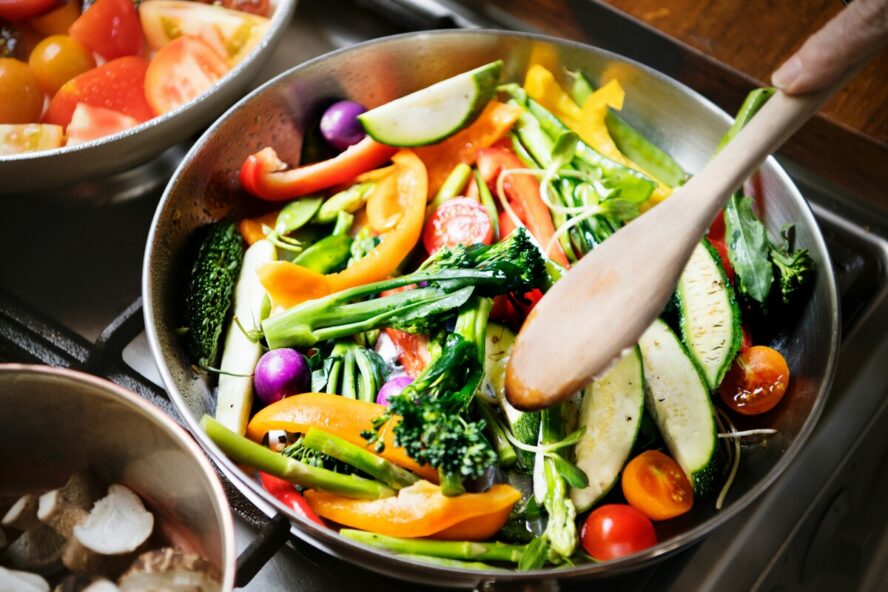
- Go Slow with Food: Transition back to solids gently, favoring easily digestible, cooked foods (such as stewed meats and soft-cooked vegetables) over raw, fiber-heavy salads during the immediate recovery window.
- Support the Mucosal Lining: Nutrients such as L-glutamine, collagen, and amino acids found in bone broth help repair damaged enterocytes.
- Rebuild Diversity: Slowly reintroduce a wide variety of fibrous plants and fermented foods as tolerance returns. Targeted, spore-based probiotics may also assist in restoring microbial balance under the guidance of a qualified functional health practitioner.
- Prioritize Rest: The profound fatigue following a parasitic infection is a physiological signal that the body requires extra downtime to rebuild depleted nutrient stores and repair tissue.
The Bottom Line
The 2026 Cyclospora outbreak is a serious public health event that warrants vigilance, not panic. Fear is not an effective nutritional strategy, and neither is the permanent abandonment of fresh produce.
By skipping high-risk commercial bagged salads, meticulously washing and peeling produce, prioritizing cooked vegetables during active outbreaks, and actively supporting foundational gastrointestinal health—including stomach acid and microbiome resilience—consumers can navigate this season safely. Coupled with timely medical testing and professional care if symptoms arise, this balanced, multi-layered approach offers the most sensible path forward.
Disclaimer: This article is for informational and educational purposes only and does not constitute medical advice. If you suspect you have contracted cyclosporiasis or any other gastrointestinal infection, consult a licensed healthcare professional immediately.
