

With the World Health Organization (WHO) reporting that 57 million people worldwide currently live with dementia—a figure projected to escalate dramatically in the coming decades, according to landmark research published in The Lancet—the global search for preventative strategies has never been more urgent. However, a groundbreaking study published in JAMA Network Open offers a powerful message of hope: our plates may hold the key to reshaping our cognitive destiny.
While conventional wisdom has long championed healthy eating for early-stage prevention, this new research uncovers a paradigm-shifting discovery. Diet can make a measurable, protective difference even for individuals who are already biologically predisposed to Alzheimer’s disease.
Main Facts: The Breakthrough Study on Diet and Dementia
The core finding centers on the relationship between an anti-inflammatory diet and the reduction of dementia risk, even among high-risk populations.

- The Research Cohort: Drawing from the comprehensive 15-year Swedish National Study on Aging and Care in Kungsholmen, researchers monitored 1,865 participants aged 60 and older. Regular check-ins occurred every three to six years, during which 240 participants developed dementia.
- Biomarker Tracking: Scientists analyzed blood biomarkers to determine participants’ biological susceptibility to Alzheimer’s disease and neurodegeneration.
- The Dietary Index (rEDII): Researchers compared three distinct dietary patterns, paying special attention to the Dietary Inflammatory Index (rEDII), which measures the actual inflammatory impact of foods on blood markers such as IL-6 and TNF-alpha, as opposed to traditional regional frameworks like the Mediterranean diet.
- The Striking Results: For individuals presenting with elevated levels of Alzheimer’s biomarkers in their blood, adherence to an anti-inflammatory dietary pattern (high rEDII scores) was linked to a 21% to 29% lower risk of developing dementia.
“The anti-inflammatory dietary pattern was associated with a lower risk of developing dementia even among people whose blood already showed elevated biological markers associated with Alzheimer’s disease and neurodegeneration,” notes Lorraine Kearney, RDN, CDN, founder of New York City Nutrition, who was not involved in the study. “It suggests that the window to support brain health may not be closed once these biological changes begin accumulating.”
Chronology and Evolution of Brain-Health Research
To fully grasp the significance of this JAMA study, it helps to trace how scientific understanding of cognitive decline has evolved over the past several decades.
- Early Observations (Late 20th Century): For years, medical science viewed Alzheimer’s disease and other forms of dementia as largely genetic, inevitable conditions tied to aging. Preventative medicine focused narrowly on cardiovascular health, occasionally nodding to diet as a general tool for heart disease prevention.
- The Rise of the Mediterranean Diet (2000s–2010s): Observational studies began linking regional diets—specifically the Mediterranean diet rich in olive oil, fish, vegetables, and whole grains—to lower rates of cognitive impairment. However, these studies primarily categorized diets based on geographic tradition rather than measurable biological mechanisms.
- The Shift to Biomarkers (Present Day): Modern research has evolved to use advanced blood tests and biomarkers to detect the early, silent accumulation of Alzheimer’s pathology (like amyloid-beta and tau proteins) decades before clinical symptoms appear.
- June 2026 JAMA Publication: This latest study marks a major milestone by evaluating how targeted, empirically tested anti-inflammatory diets impact individuals after biological markers of neurodegeneration are already present in their bloodstreams.
Supporting Data and Nutritional Mechanisms
The study’s corresponding author, Anja Mrhar, a researcher and PhD student at the University of Ljubljana, emphasizes that the study’s observational nature means it cannot definitively prove cause and effect. Yet, the data aligns seamlessly with a growing body of clinical insights regarding chronic inflammation and brain aging.

Chronic Inflammation as a Primary Driver
Dr. Rab Nawaz Khan, M.D., a neurologist with over a decade of clinical experience, notes that the connection between vascular health, inflammation, and brain aging is well-documented. However, he highlights the novelty of this study: “What is interesting here is that a lower inflammatory diet was linked with lower dementia risk even among people with blood biomarkers suggesting higher Alzheimer’s or neurodegenerative risk.”
Melanie Murphy Richter, MS, RDN, a longevity and metabolic health expert with L-Nutra, echoes this sentiment. “Chronic inflammation is one of the hallmarks of aging and is connected to so many of the chronic diseases we see today, including cognitive decline,” she explains. “It’s also why I’m excited by the growing body of research around targeted nutrition. We know that daily eating patterns matter, but we also have evidence that strategic nutritional interventions can influence many of the same biological pathways.”
rEDII vs. Traditional Diets
Dr. Jeremy W. McMeen, an optometric physician and independent researcher with over 30 years in practice, points out a crucial distinction in how diets are measured. While a Mediterranean diet relies on a traditional combination of foods (olive oil, fish, vegetables), the rEDII index evaluates the direct, measurable impact of foods on blood indicators of inflammation.

“Instead of saying, ‘Does this appear Mediterranean?’ it says, ‘Did this food in studies elevate or reduce inflammatory markers in the blood?’” Dr. McMeen explains. This is the first time an index measuring anti-inflammatory effects on blood markers (like IL-6 and TNF-alpha) has been shown to strongly lower dementia risk in a high-risk population.
Official Responses and Expert Perspectives
The medical and nutritional communities have responded to the findings with a mix of cautious optimism and a renewed call to action for lifestyle modifications.
- Liz Dene, Senior Lecturer in Nutrition at Torrens University Australia: Emphasizes the role of chronic low-grade inflammation. “The findings also reinforce the growing understanding that chronic low-grade inflammation is an important contributor to brain ageing and neurodegenerative disease.”
- Dr. Rab Nawaz Khan, M.D.: Offers an empowering summary of the data: “The most important point is that Alzheimer’s biology is not always destiny.”
- Rachel Lambert, Licensed Professional Counselor and Board-Certified Neurofeedback Practitioner (Braincode Centers): Expands the conversation beyond the kitchen, noting that inflammation is the overarching villain. While diet is a powerful weapon, she stresses that stress management, sleep hygiene, and lifestyle factors play an equally critical role in modulating inflammatory pathways.
Practical Implications: How to Incorporate Anti-Inflammatory Habits
Experts agree that these findings should not induce stress over achieving dietary perfection, but rather inspire sustainable, long-term shifts in daily eating habits. As Lorraine Kearney advises, framing food choices into "most-of-the-time foods" and "some-of-the-time foods" can alleviate pressure while delivering profound health benefits.

1. Prioritize Colorful, Antioxidant-Rich Produce
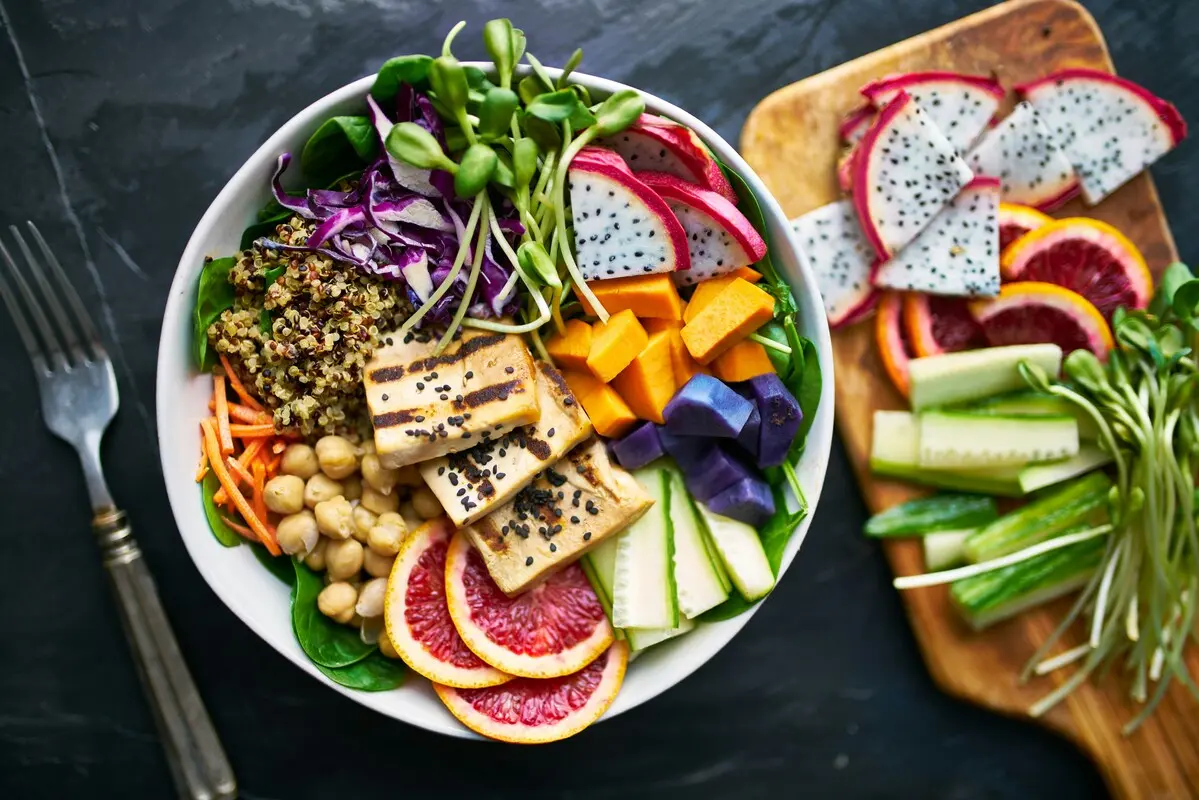
Filling the majority of your plate with deeply colored fruits and vegetables introduces vital polyphenols and anthocyanins. Berries, in particular, have been linked to improved memory, executive function, and a slowdown in age-related cognitive decline. Leafy greens protect the brain from oxidative stress and support overall vascular health.
2. Embrace Omega-3 Fatty Acids and Plant-Based Proteins
Regular consumption of oily fish—such as salmon, sardines, mackerel, trout, and herring—provides long-chain omega-3 fats (EPA and DHA).
- Neuroplasticity: These fats serve as structural components of brain cell membranes, supporting neuron signaling and cerebral blood flow.
- Plant-Based Alternatives: Legumes, beans, lentils, nuts, and seeds provide essential fiber and healthy fats that bolster both metabolic and neurological health.
3. Boost Your Fiber Intake
Statistics show that only about 5% of American adults meet the recommended daily fiber intake, averaging a mere 17 grams per day. Fiber is essential for fostering a diverse gut microbiome, which produces short-chain fatty acids that regulate immune function and maintain the integrity of the intestinal barrier via the gut-brain axis.

4. Limit Pro-Inflammatory Foods
Just as important as adding beneficial foods is minimizing inflammatory ones. Experts advise reducing consumption of "sometimes foods":
- Processed and red meats
- Sugary beverages and soft drinks
- Refined carbohydrates and highly processed snacks
- Fried foods
5. Adopt a Holistic Anti-Inflammatory Lifestyle
Diet is a cornerstone of health, but true resilience requires a holistic approach. Experts recommend integrating regular physical activity, smoking cessation, and moderate alcohol consumption. Furthermore, managing chronic stress through mindfulness, adequate sleep hygiene, and breathwork can dramatically curb the inflammatory pathways that accelerate brain aging.
The Bottom Line
The takeaway from this pivotal JAMA study is clear: while biological markers may signal a predisposition to Alzheimer’s disease, our lifestyle choices—particularly what we put on our plates—provide a powerful tool to alter our trajectory. By leaning into an anti-inflammatory lifestyle, we can actively protect our cognitive health, ensuring vibrant neurological function well into our later years.
